
How Open Desk Environments Distort Biological Co-Regulation Across Growing Teams
Open desk architecture increases autonomic regulation costs by replacing baseline physiological safety signals with persistent, unmanaged peripheral micro-threats.
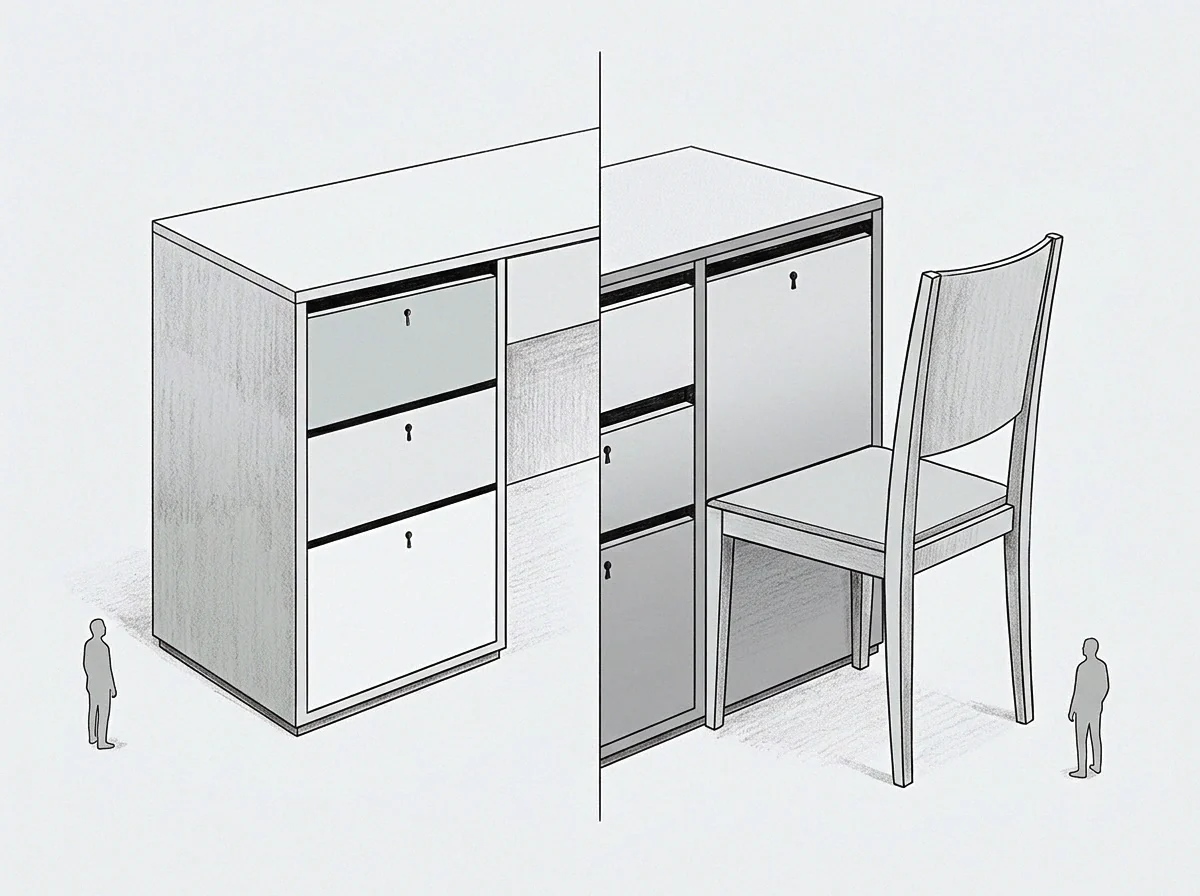
Floor
Eight people sit across a single clear-oak table, six feet wide, under low-hanging warm LED pendants. Laptop screens stand upright like small shields, yet peripheral vision remains full of constant, jittery motion. A colleague stands up three seats down to refill a glass; another adjusts a chair, shifting four inches to the left; a third sighs while scanning a row of figures.
The room holds no physical partitions, no sound dampening beyond a thin rug, and no acoustic baffling between adjacent desks. The nervous system budgets continuous energy to track every movement, every shift in posture, and every tonal elevation across the open room. The body reads space directly as risk or safety.
Social baseline theory establishes that human brains assume proximity to reliable conspecifics as the default, energy-efficient baseline state. When surrounding humans are stable, familiar, and predictable, the brain offloads metabolic expenditure, delegating threat detection and emotional regulation to the collective biological pool. Proximity reduces autonomic expenditure.
The human nervous system expects the presence of quiet, steady others to lower the physical price of maintaining equilibrium. In a tightly bounded room with four familiar people, cardiac vagal tone increases, cortisol output stabilizes, and neural resources shift toward executive focus.
An open desk layout in a rapidly expanding organization breaks the evolutionary assumptions built into social baseline theory. As team headcount moves past eight toward twenty, the human density within a ten-foot visual radius increases dramatically. The individuals sitting nearby cease to be entirely familiar or predictable.
New hires arrive weekly, bring uncalibrated movement patterns, and project unpredictable emotional states. Instead of reducing physiological expenditure, proximity in an open layout becomes a primary source of baseline threat processing. The brain maintains continuous hyper-vigilance, scanning micro-movements in the peripheral visual field and processing ambiguous acoustic updates from across the floor.
Proximity to unpredictable conspecifics converts an environment meant for shared regulation into a continuous source of autonomic load.
The metabolic budget calculated by the brain changes under these conditions. Neural resources that ordinarily support complex reasoning, strategic foresight, and sustained focus are diverted toward ambient sensory processing. The autonomic nervous system remains trapped in a state of low-grade sympathetic activation, constantly evaluating whether the sudden movement four feet away represents a minor physical adjustment or an incoming interpersonal demand.
Self-regulation alone becomes an expensive, resource-intensive operational mode. Individuals sitting at open benches spend metabolic energy simply maintaining an outward appearance of composure while their underlying physiology works to dampen ambient arousal.
This dynamic accelerates as the team scales. The physical space remains static while the human density and relational complexity multiply. Each added seat increases the total number of uncoordinated autonomic signals bouncing across the room.
Proximity scales metabolic cost. Rather than sharing the load of biological co-regulation, workers in an open environment consume their individual physiological reserves to isolate themselves from the unregulated noise of the surrounding room. The workplace becomes a space where physiological equilibrium is steadily depleted rather than preserved.
Organizations that attempt to fix this physiological toll using open communication norms, shared values, or cultural agreements mistake a biological input for a psychological choice. A brain registering continuous peripheral movement through the optic nerve does not alter its threat assessment because a culture document preaches trust. Biological co-regulation relies on direct physical cues of safety, proximity, and low-frequency predictability.
Denied those physical cues, the autonomic nervous system charges the individual a steep daily tax in baseline physiological exhaustion, long before any formal work task begins.
Current
Biological co-regulation relies on subtle, subconscious physiological synchronization between people in physical proximity. Breathing rates align, heart rate variability patterns mirror one another, and postural shifts find a natural, unforced cadence. When one person maintains a grounded, stable autonomic state, nearby individuals draw upon that stability, lowering their own internal regulation expenditures through borrowed regulation.
This dynamic functions smoothly in small, fixed spatial arrangements where relational trust is established and physical density remains low. In an open environment filled with changing personnel, this involuntary biological mechanism becomes compromised.
The transmission of physiological states across a open workspace functions as a silent current running beneath daily operations. Autonomic states propagate rapidly through a room. Anxiety, hyper-arousal, and physical tension transfer across open desks as readily as calm.
When a manager sits in the center of an open bench carrying high internal sympathetic activation, that elevated autonomic state radiates through vocal tone, rapid keystrokes, and tense postural shifts. Nearby employees absorb these physiological markers through non-verbal channels, triggering matching micro-arousal states in their own nervous systems. The open spatial design acts as an unshielded conduit for dysregulation.
Team growth distorts this transmission by shifting the balance between stable and dysregulated physiological anchors in the room. In a small team, a single grounded operator can stabilize three or four surrounding people through consistent, calm presence. As the team expands to thirty people on one open floor, the volume of incoming autonomic noise overwhelms the dampening capacity of calm individuals.
High-capacitance regulators, individuals whose internal working models allow them to remain steady under pressure, find their biological reserves drained rapidly. Surrounding colleagues unconsciously attach to their grounded state, consuming their regulatory headroom without providing any reciprocal stability.
| Layout Architecture | Peripheral Visual Density | Acoustic Signal Predictability | Co-Regulation Mode | Daily Autonomic Tax |
|---|---|---|---|---|
| Open Bench Array | High (Continuous motion) | Low (Fragmented, ambient pings) | Uncontained systemic drainage | Severe metabolic depletion |
| Modular Team Pods | Moderate (Bounded angles) | Moderate (Local conversation) | Localized peer regulation | Moderate expenditure |
| Cellular Private Office | Low (Controlled sightlines) | High (Isolated or intentional) | Autonomous / Selected contact | Low metabolic cost |
| Acoustically Baffled Enclosure | Low (Shielded glass) | High (Filtered ambient noise) | Restorative baseline focus | Minimal tax |
The loss of spatial boundaries forces every worker into an involuntary, continuous exchange of biological states. In private offices or modular pods, individuals choose when to expose themselves to group physiological inputs. In an open environment, exposure is constant and non-negotiable.
The receptor slots for biological co-regulation become saturated with random, high-frequency signals from across the company. The nervous system loses its ability to distinguish between relevant interpersonal signals and background organizational noise, leading to chronic autonomic over-stimulation and emotional dampening.
Unshielded physical proximity turns every team member into an involuntary receiver for the room’s prevailing physiological stress.
This dynamic creates a covert biological draft. Operators who lack robust internal regulatory templates absorb the anxiety of the floor and project it back into the room, creating an amplifying feedback loop. Senior leaders, observing a drop in focus or an increase in interpersonal friction, often respond by installing more collaborative touchpoints, open stand-ups, or shared lounge areas.
These spatial solutions increase the very proximity that caused the autonomic overload, accelerating the cycle of physiological exhaustion across the organization.
The room becomes an unmanaged biological ocean where individual focus depends entirely on personal physical stamina. Rather than benefiting from shared calm, team members operate in a state of continuous, defensive biological isolation. They wear noise-canceling headphones, install visual screen blinds, and pull their physical postures inward to simulate the spatial boundaries that the architecture fails to supply.
The physical building works directly against the human nervous system’s capacity to maintain a sustainable metabolic balance.
The space feels exhausting long before the actual workload becomes heavy.
Noise
Acoustic disruption in an open environment acts as a direct agent of dysregulation. Human auditory pathways are hardwired to process unexpected sounds, particularly human speech, as high-priority inputs requiring immediate biological assessment. In an open plan layout, the acoustic environment is dominated by fragmented speech, half-heard phone conversations, keyboard clatter, and unpredictable footsteps.
The auditory cortex cannot filter out intelligibility when human speech occurs within a fifteen-foot radius. The brain automatically decodes the semantic content of nearby chatter, diverting metabolic energy from primary cognitive tasks to involuntary language processing.
Visual disruption operates with equal physiological intensity across the open floor. Peripheral vision is specialized for motion detection, an evolutionary adaptation designed to identify physical threats approaching from outside the direct line of sight. An open desk layout positions workers such that peripheral sightlines extend thirty or forty feet across active walkways.
Every time a colleague walks past a desk, rises from a seat, or gestures during a conversation, the peripheral optic nerves send rapid motion signals to the brainstem. The body executes a micro-orienting response, subtly shifting muscle tone, eye position, and heart rate to evaluate the movement.
Who bears the cost when ambient sightlines expand?
The primary load lands on individuals with high sensitivity to environmental sensory inputs and those holding central operational roles. These individuals possess an internal working model that seeks to monitor organizational health through ambient environmental cues. When placed in an open layout with wide sightlines, their nervous systems attempt to track every visible interaction across the floor.
They notice the hushed conversation between executive leadership, the sudden departure of a senior developer, and the frustrated posture of a product designer three rows away. The expanded visual field forces their internal regulatory systems to process complex organizational dynamics continuously, leading to rapid systemic depletion.
The combined sensory load of open sightlines and uncontrolled acoustics creates a state of chronic sensory hyper-vigilance. The brain budgets continuous energy to suppress its natural orienting reflexes. Sensory inputs stack continuously.
Suppressing an automatic physiological response requires active prefrontal inhibition, a process that consumes blood glucose and exhausts cognitive control networks. By three o’clock in the afternoon, the exhaustion experienced by workers in an open environment is not the product of intellectually demanding work. It is the direct biological cost of maintaining constant sensory suppression in a non-restorative physical room.
Continuous prefrontal suppression of peripheral sightlines and sounds drains cognitive energy faster than complex technical analysis.
This sensory overload directly damages the capacity for restorative biological co-regulation. When individuals are sensory-overloaded, their ability to offer a responsive other template to colleagues breaks down. They become biologically unavailable.
Their facial expressions flatten, their eye contact becomes brief and defensive, and their vocal tone loses prosodic variation. When a colleague approaches them seeking authentic connection or project alignment, they experience the interaction as an intrusive demand rather than an opportunity for shared baseline regulation. The open layout systematically destroys the physical conditions required for healthy relational baseline building.
Over time, the open environment produces a predictable behavioral shift across the team. Workers withdraw emotionally to protect their remaining physiological capacity. They adopt an artificial mask of flat availability, sitting physically exposed while remaining psychologically and biologically detached.
The team culture turns brittle, marked by shallow interactions, high micro-irritability, and a systemic inability to settle into deep, creative work. The physical space designed to foster open collaboration ends up forcing the biological system into defensive self-preservation.
What remains uncalculated is how many high-value cognitive outputs were simply abandoned because the sensory price of focusing in the room was too high.
Field
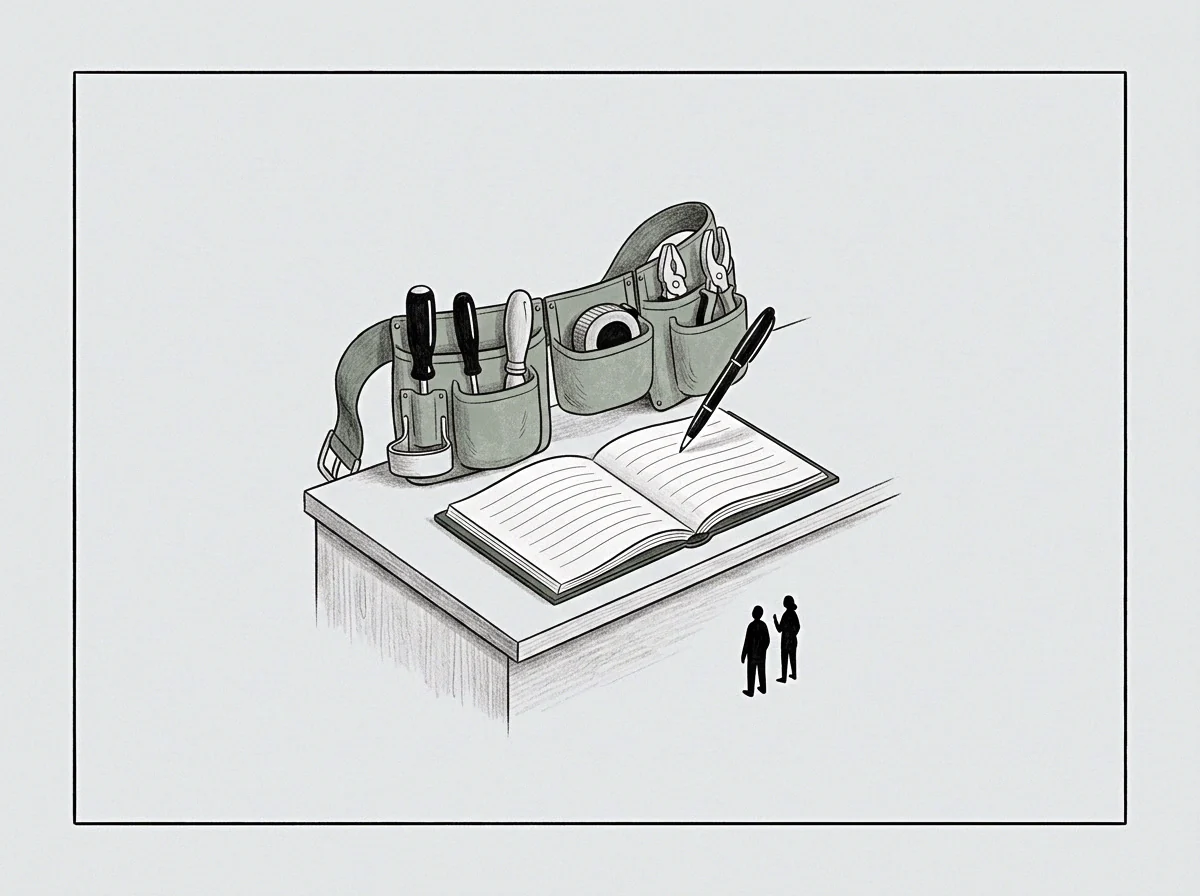
Within every expanding team, physiological regulation capacity is distributed unevenly. Certain individuals possess high autonomic resilience, built through secure attachment histories or highly developed internal self-soothing mechanisms. These individuals function as biological anchors within the organization.
In an open environment, their calm presence creates an unpriced external resource. Nearby colleagues unconsciously lean on these anchors to regulate their own elevated autonomic states. The stable operator becomes a human dampening field for the room’s ambient anxiety, absorbing dysregulation from surrounding seats without any formal recognition of the metabolic cost involved.
This biological load sharing operates silently until the anchor operator reaches their capacity threshold. Because borrowed regulation registers as the borrower’s own calm, management rarely notices who is supplying the emotional stability for the floor. The anchor operator appears consistently productive, unbothered, and emotionally balanced under pressure.
Consequently, leadership routinely assigns them additional complex projects, difficult personnel management tasks, and high-stakes operational problems. Strength under stress attracts more load. The organization treats the individual’s baseline stability as an infinite resource rather than an active, high-cost biological expenditure.
- Asymmetrical Load Absorption occurs when unstable autonomic states in an open layout systematically drift toward the calmest individual in the immediate visual radius.
- Receptor Slot Depletion happens when the anchor operator’s capacity to receive support is completely crowded out by the continuous incoming emotional demands of the floor.
- Autonomic Throttling develops as the anchor operator’s nervous system enters a state of hypo-arousal or flat affect to prevent total metabolic collapse under uncontained organizational load.
- Structural Disconnection follows when the anchor operator leaves the seat, leaving surrounding team members suddenly exposed to the raw dysregulation they had previously offloaded.
The absence of physical walls deprives the anchor operator of any natural structural barrier to insulate their nervous system. In a private office, an individual can close a door when their internal regulatory headroom runs low, signaling to the organization that they are offline. In an open layout, physical availability is total and constant.
Colleagues walk up to the anchor operator’s desk at will, dropping their micro-anxieties, unresolved project tensions, and emotional noise directly onto the operator’s workspace. The anchor operator has no structural mechanism to limit incoming regulatory demands, forcing them to rely entirely on internal willpower to maintain boundaries.
A regulator proven under open-office stress attracts continuous unpriced load until their personal metabolic headroom hits zero.
The long-term consequence for the high-capacitance operator is a gradual shift toward earned isolation or sudden physical breakdown. Because their internal working model relies on self-reliance, they rarely express their biological exhaustion aloud. They lack a receptor slot for being held or supported by others, having conditioned themselves to be the sole provider of regulation for those around them.
When their metabolic reserves are completely exhausted, they do not ask for structural modifications; they simply resign, withdraw emotionally, or experience sudden physical health setbacks that force them out of the office.
When an anchor operator exits an open plan office, the surrounding team often experiences an immediate, inexplicable collapse in cohesion and productivity. The organization typically attributes this deterioration to the loss of the individual’s technical skills or project knowledge, missing the true biological mechanism at play. The anchor operator was providing the invisible physiological floor that kept the rest of the team’s autonomic systems stable enough to work.
Their departure removes the biological foundation of the room, exposing the structural flaws of the open layout that their presence had previously masked.
Under the stated limit condition, an anchor operator explicitly defines physical and operational boundaries, forcing the open space system to process its own dysregulation rather than offloading it onto a single human baseline.
Frame
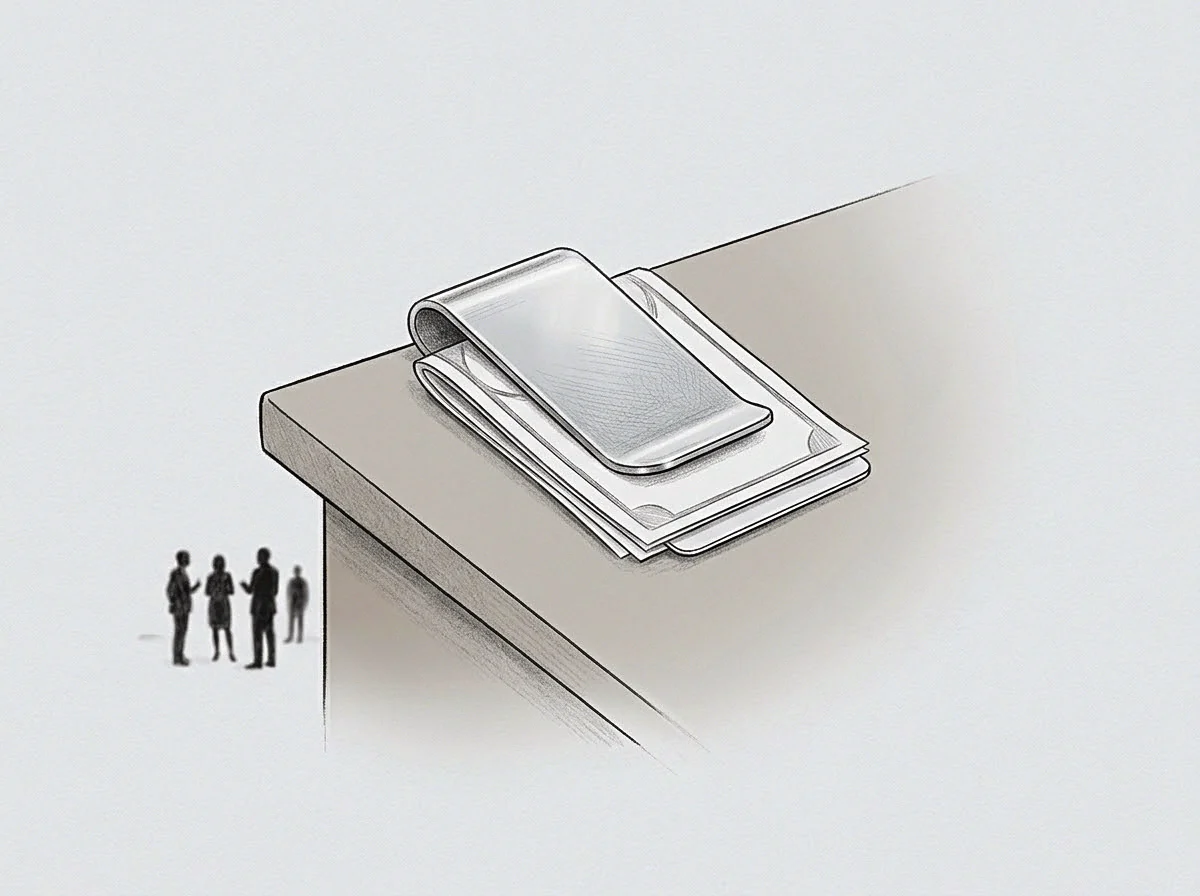
Restoring biological baseline stability across growing teams requires changing the physical architecture and spatial operational norms of the workspace. Organizations cannot solve physiological dysregulation through corporate wellness programs, meditation apps, or psychological safety seminars while leaving the physical open layout intact. Architecture shapes neural expenditure.
The physical environment must be redesigned to align with the human nervous system’s evolutionary constraints, establishing clear spatial containment, visual privacy, and acoustic control. Physical intervention must precede cultural intervention.
The first structural priority is breaking up wide sightlines and reducing the visual density of active workstations. Replacing long, open bench arrays with modular team pods immediately cuts peripheral motion inputs. Vertical physical barriers, such as solid sound-absorbing partitions, high shelving units, or dense indoor foliage placed at desk eye-level, eliminate the continuous micro-orienting reflexes triggered by distant movement across the room.
Distance alters signal strength. When an operator’s peripheral visual field is bounded by stable, non-moving physical surfaces, prefrontal inhibition networks relax, liberating significant metabolic headroom for continuous executive function.
Acoustic containment requires physical density and targeted spatial separation rather than simple ambient noise masking. Open spaces must be divided into distinct functional zones separated by floor-to-ceiling acoustic glass or solid architectural walls. High-focus individual work must occur in spaces completely isolated from high-traffic movement zones, phone call hubs, and collaborative meeting areas.
Sound-dampening materials must be engineered into ceilings, walls, and floor sub-structures to prevent voice intelligibility from carrying across work zones. Quiet environments conserve capacity. When human speech is contained within defined acoustic boundaries, the auditory cortex ceases its continuous, involuntary language processing.
Implementing Structural Autonomic Protections
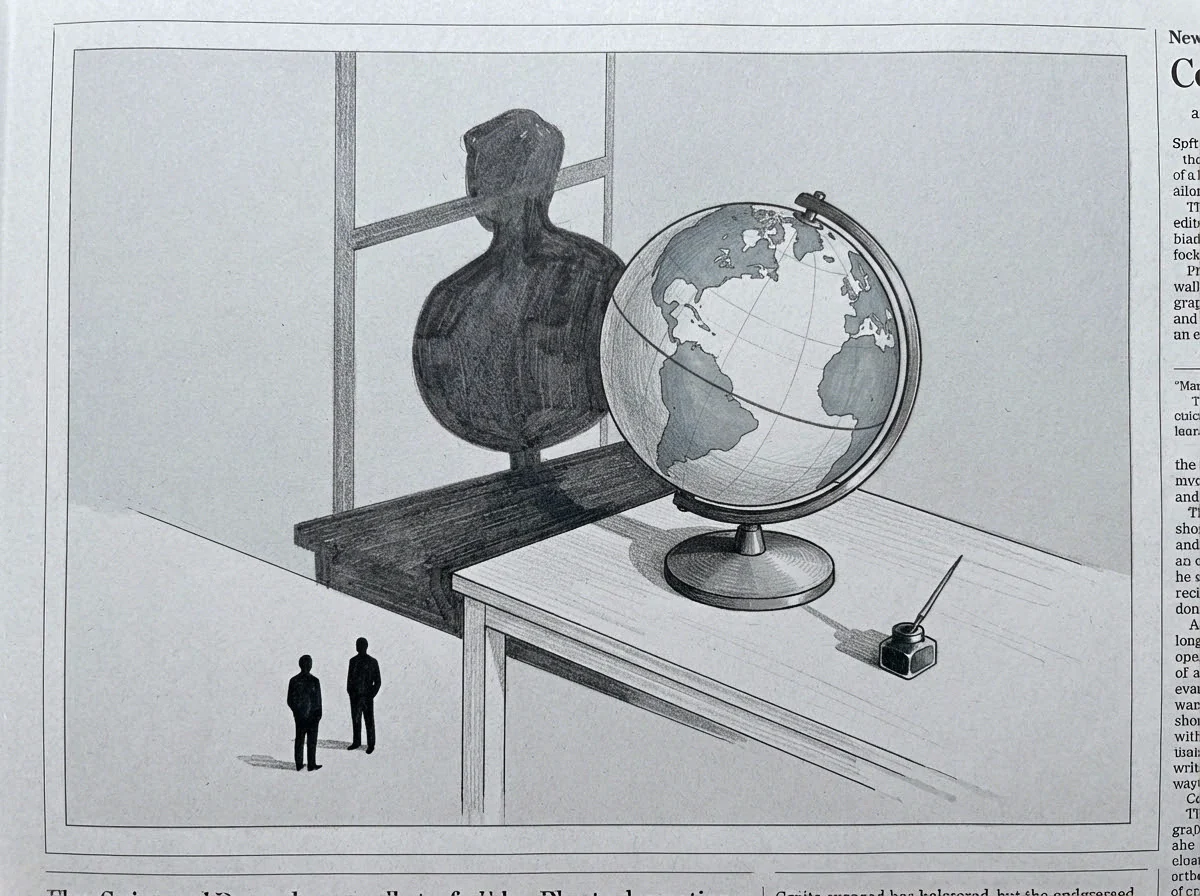
Structural protections must extend into organizational temporal policies to be fully effective. Physical enclosures must be paired with clear operational rules regarding physical approach and availability. The continuous walk-up culture permitted by open desk arrays must be replaced with explicit visual signals indicating regulatory availability.
A closed pod door, a red physical indicator on a desk lamp, or an established quiet window across the floor gives team members complete permission to disconnect from the ambient room dynamics without incurring social penalty. Static boundaries reduce threat.
Creating physical retreat zones is essential for regulatory baseline recovery. These are not open social lounges or game rooms, which often introduce additional sensory and social baseline noise, but low-sensory, individual quiet rooms designed specifically for autonomic resetting. These spaces require subdued lighting, zero digital screens, high acoustic isolation, and comfortable seating that allows the body to relax completely.
Spending fifteen minutes in a dedicated low-sensory environment allows the sympathetic nervous system to down-shift, restoring cardiac vagal tone and resetting the prefrontal cortex for subsequent cognitive effort.
As organizations scale, physical infrastructure must evolve alongside team headcount. Growing past twenty people on a single floor without introducing hard architectural boundaries guarantees systemic autonomic distortion. Leadership must view workspace layout not as an aesthetic decision or a cost-per-square-foot real estate calculation, but as a direct biological input that dictates the team’s total cognitive and regulatory capacity.
Designing spaces that respect human physiological limits preserves the long-term health of individual workers while building an organizational foundation capable of sustained, high-level strategic output.
The transition from an open, unshielded floor to a framed, spatially bounded workspace changes how human bodies interact throughout the workday. When nervous systems are no longer forced to spend continuous metabolic energy defending against ambient noise and unpredictable peripheral motion, the biological baseline stabilizes naturally. Workers regain access to deep focus, emotional resilience, and authentic co-regulation, anchored by physical boundaries that protect human physiological integrity.