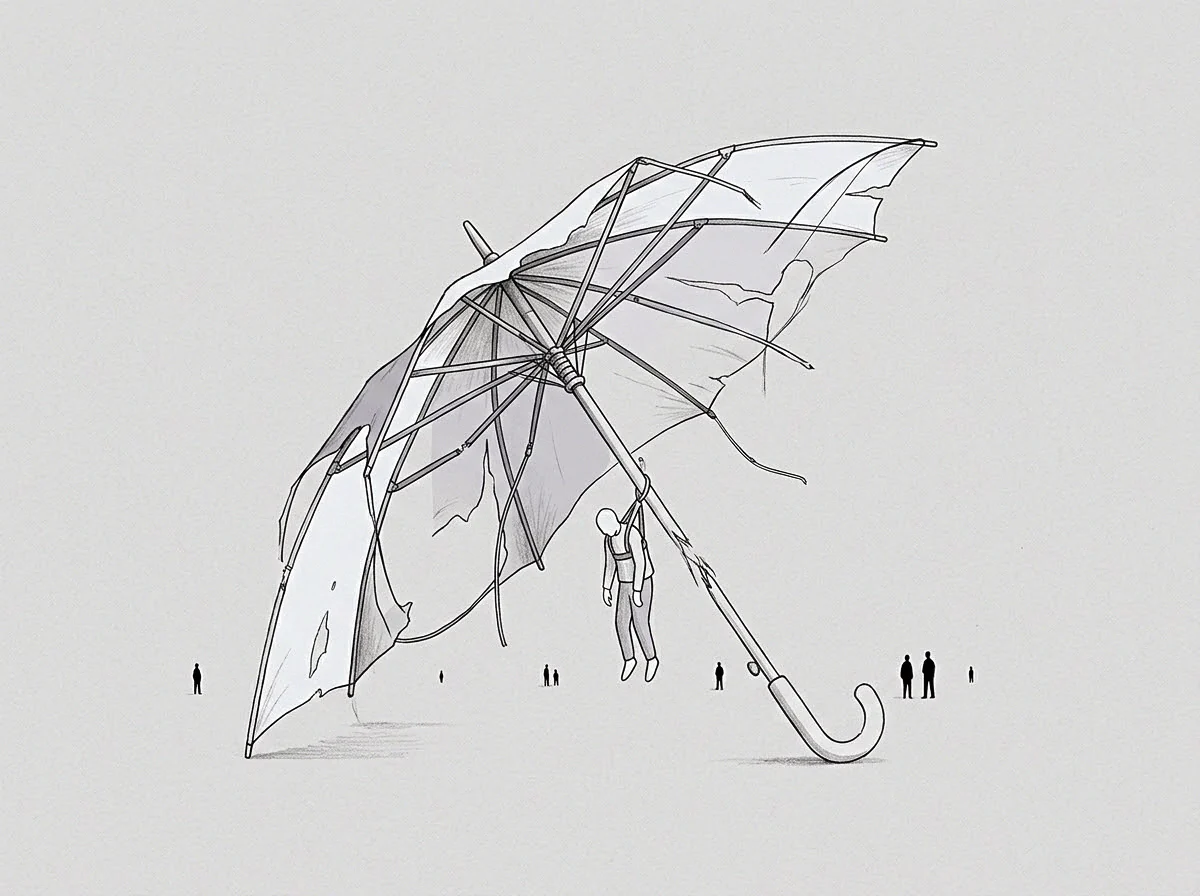
Meaning
Unfinished cognitive tasks act as a persistent drain on executive function by occupying active processing slots. These open decision loops prevent the brain from fully transitioning into a state of rest. They create a background hum of anxiety that persists until the loop is closed by a choice or a delegation.
Attention Fragmentation
Each unresolved matter requires a small portion of the total mental bandwidth. When open decision loops accumulate, the amount of focus available for the task at hand is greatly reduced. This fragmentation makes complex work feel more difficult and increases the time required to complete it.
Every time the mind switches back to an unresolved item, a small amount of energy is lost in the transition, leading to a faster rate of mental fatigue.
Resource Depletion
The prefrontal cortex must work harder to keep these pending items in memory. Because open decision loops use the same neural resources as active decision making, they tire the brain out faster. A person with many open loops will reach a state of exhaustion much sooner than someone who closes tasks quickly.
Closure Delay
Delaying a decision to gather more information often carries a hidden cost in mental energy. This cost might outweigh the benefit of the additional data if the loop remains open for weeks. Effective regulation involves recognizing when the price of an open loop has exceeded the value of the decision it governs.