Meaning
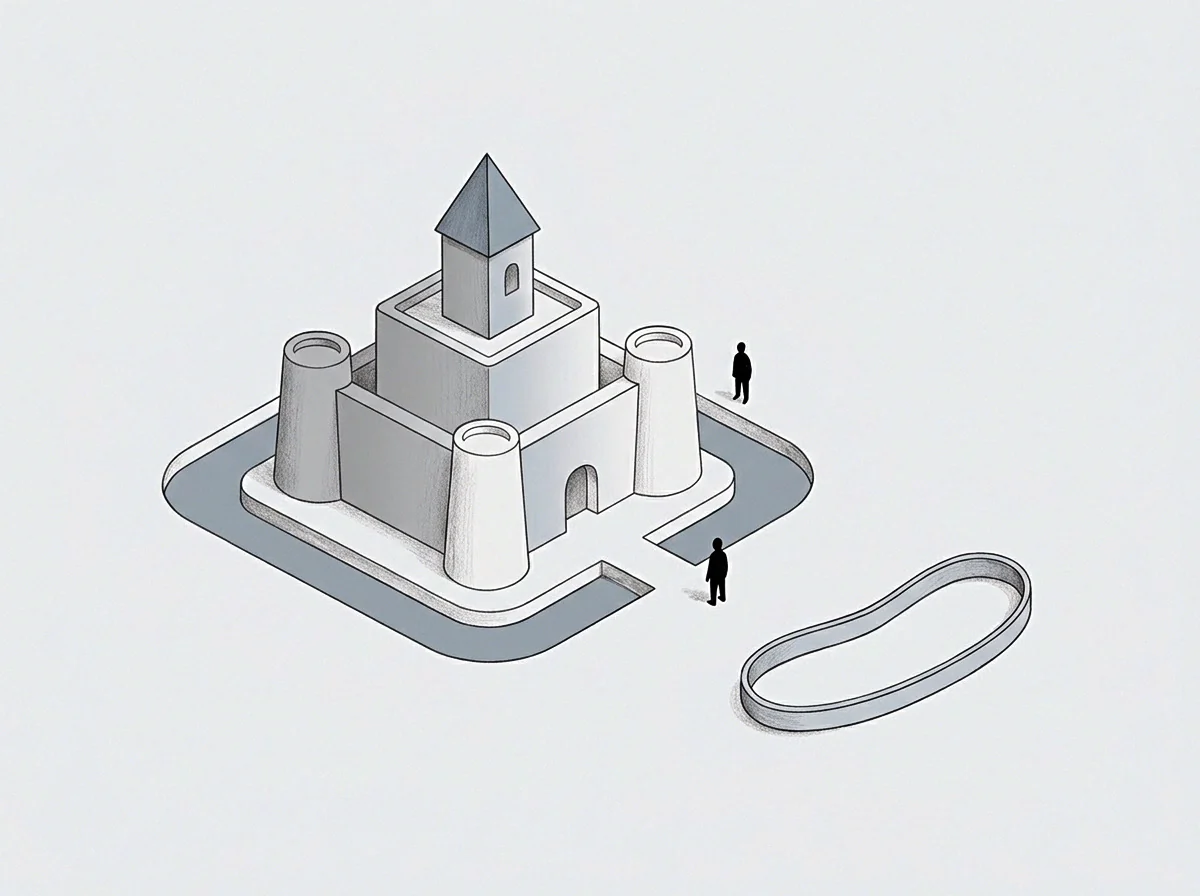
Information processing protocols filter incoming organizational demands without waiting for feedback confirmation from downstream execution units. Processing operational inputs without feedback mechanisms allows rapid triaging of external demands during intense post founding transitions. Implementing open loop gating reduces immediate cognitive burden by severing the requirement to track every delegated task to completion.
This approach stops applying when system failures exceed tolerable error thresholds or when regulatory compliance demands complete audit trails.
Cognitive Relief
Task management structures often generate continuous attention fragmentation through perpetual status updates. Adopting open loop gating prevents incoming requests from triggering immediate cognitive processing or secondary tracking load. Severing feedback dependencies frees mental bandwidth for primary strategic concerns.
Triage Efficiency
Unidirectional communication streams accelerate decision execution by removing validation cycles. Operating through open loop gating lowers attention costs by treating noncritical operational signals as disposable background noise.
Downstream Risk
Unmonitored delegation introduces systemic vulnerabilities when execution errors compound without detection. Relying exclusively on open loop gating risks severe operational drift if underlying team capabilities fail to match task complexity. Absent feedback mechanisms, structural flaws remain invisible until major customer or regulatory breakdowns occur.
Responsible management pairs this strategy with automated alert limits that flag catastrophic failures without requiring manual tracking.