Meaning
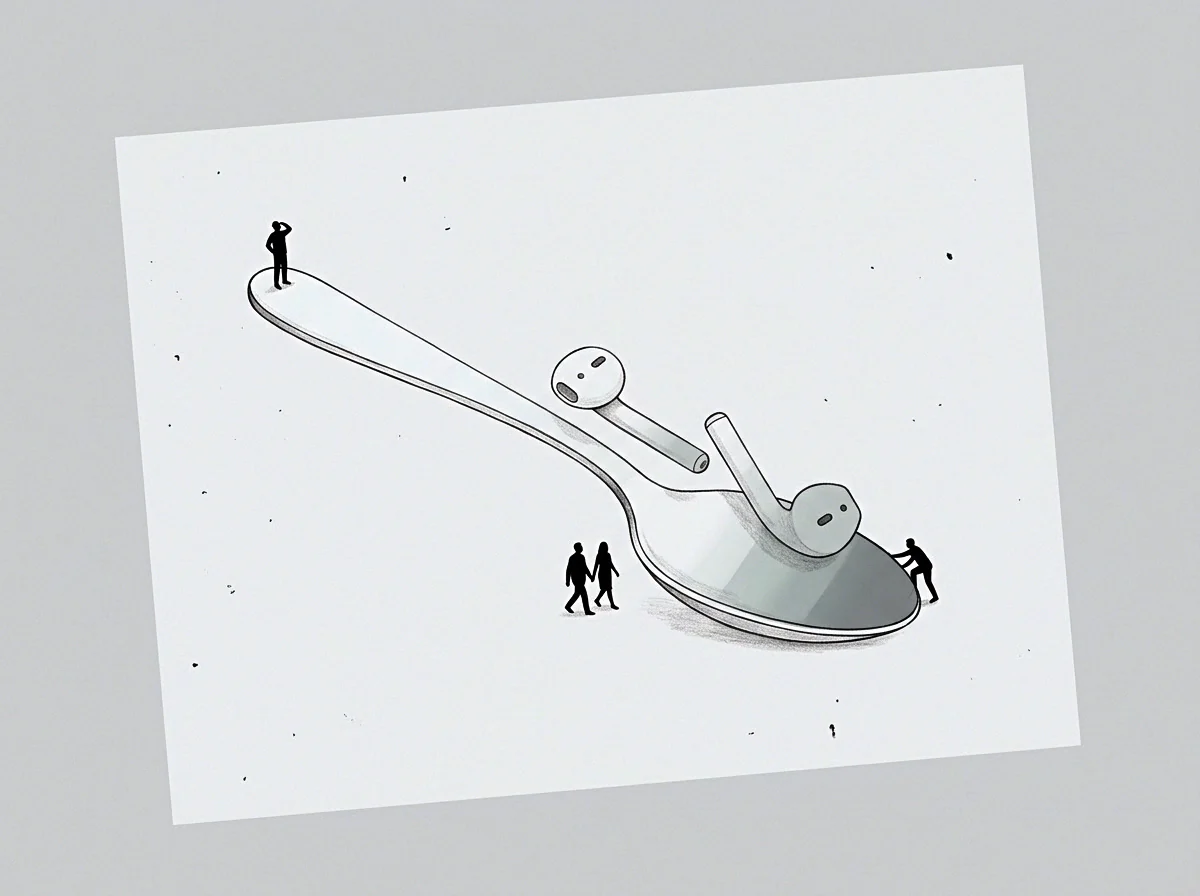
Total cessation of functional output within a system or individual due to the exhaustion of essential resources. An operational collapse occurs when the demand for action exceeds the capacity for response to such a degree that the structural integrity of the process fails. This event is characterized by the inability to perform even routine tasks.
It marks the boundary where incremental degradation turns into a complete halt of activity.
Systemic Failure
Sequential breakdowns often precede the final cessation of work. In the lead-up to an operational collapse, minor errors accumulate because the oversight mechanisms are too strained to catch them. This accumulation creates a weight that the core structure cannot support.
The final break is often triggered by a relatively small external event.
Recovery Requirement
Restoration of function requires a total withdrawal from the high-demand environment. Following an operational collapse, the individual must focus on the replenishment of basic physiological and psychological reserves. This period of inactivity is non-negotiable and usually lasts longer than a standard rest interval.
Re-entry into the workspace must be managed with extreme caution.
Safety Margin
Prevention of failure relies on the maintenance of spare capacity. A system running at one hundred percent utilization has no margin for error or sudden spikes in demand. Building a buffer reduces the probability of a total shutdown.
This margin represents a deliberate choice to trade maximum short-term output for long-term stability.