Meaning
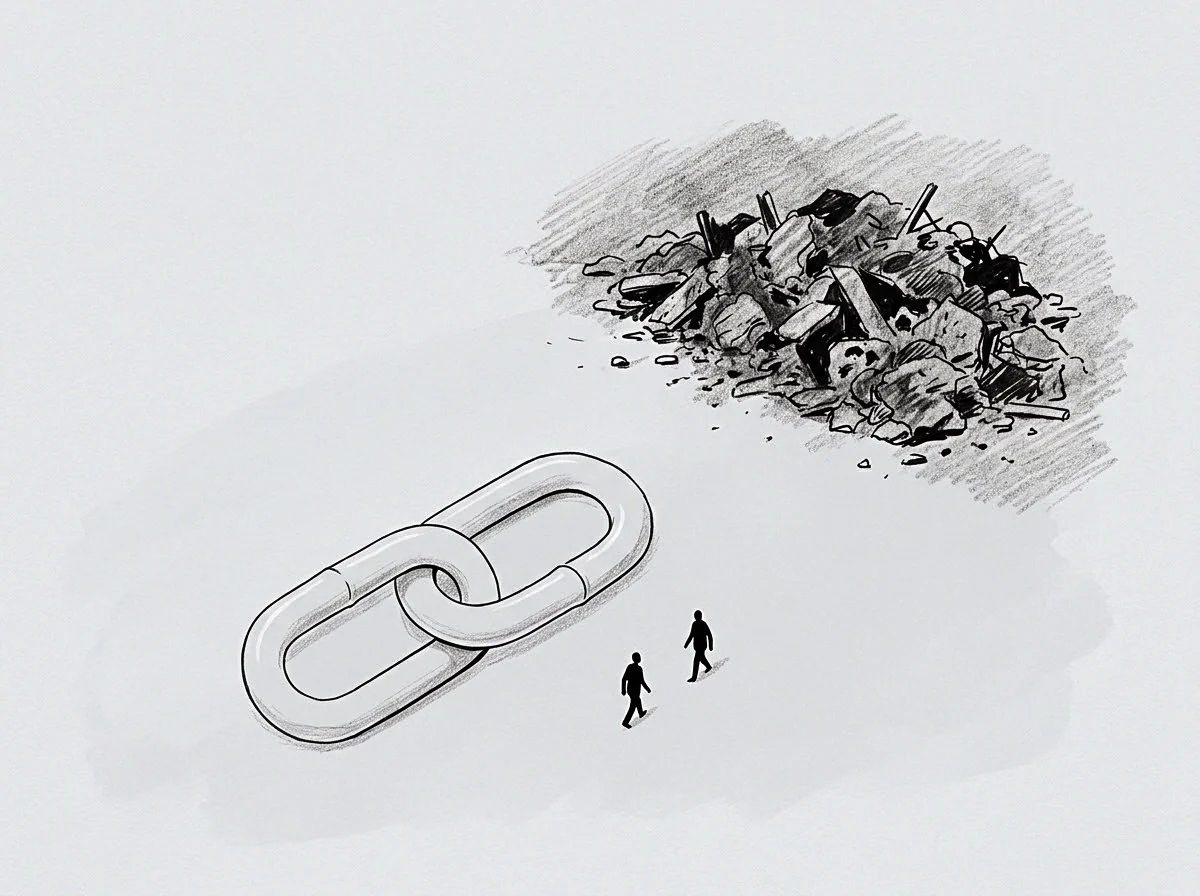
Specific parameters define the boundary beyond which a system or individual cannot safely function without a high risk of failure. An operational limit condition is often found in technical manuals and regulatory documents to prevent catastrophic damage. In the context of human performance, it refers to the point where cognitive fatigue or physiological depletion makes further work dangerous.
The condition is reached when the available resources are insufficient to meet the minimum safety requirements of the task.
Boundary Identification
Quantitative metrics provide a clear signal that the system is approaching its breaking point. For a person, an operational limit condition might be a specific number of hours without sleep or a certain level of cognitive impairment. Recognizing these signs allows for an orderly shutdown or a handoff of responsibilities before an accident occurs.
Safety Margin
Buffer zones are established between the normal working state and the point of total collapse. Maintaining a healthy distance from an operational limit condition is the primary duty of any person in a position of high accountability. This margin allows for the absorption of unexpected problems without crossing into the zone of failure.
When a founder operates too close to the limit, the person loses the ability to handle the small surprises that are inherent in business.
Failure Consequence
Exceeding the established parameters leads to a loss of control and potential systemic breakdown. Once an operational limit condition is breached, the cost of recovery increases exponentially. The resulting errors are often severe and difficult to correct because the person no longer has the capacity for complex problem solving.