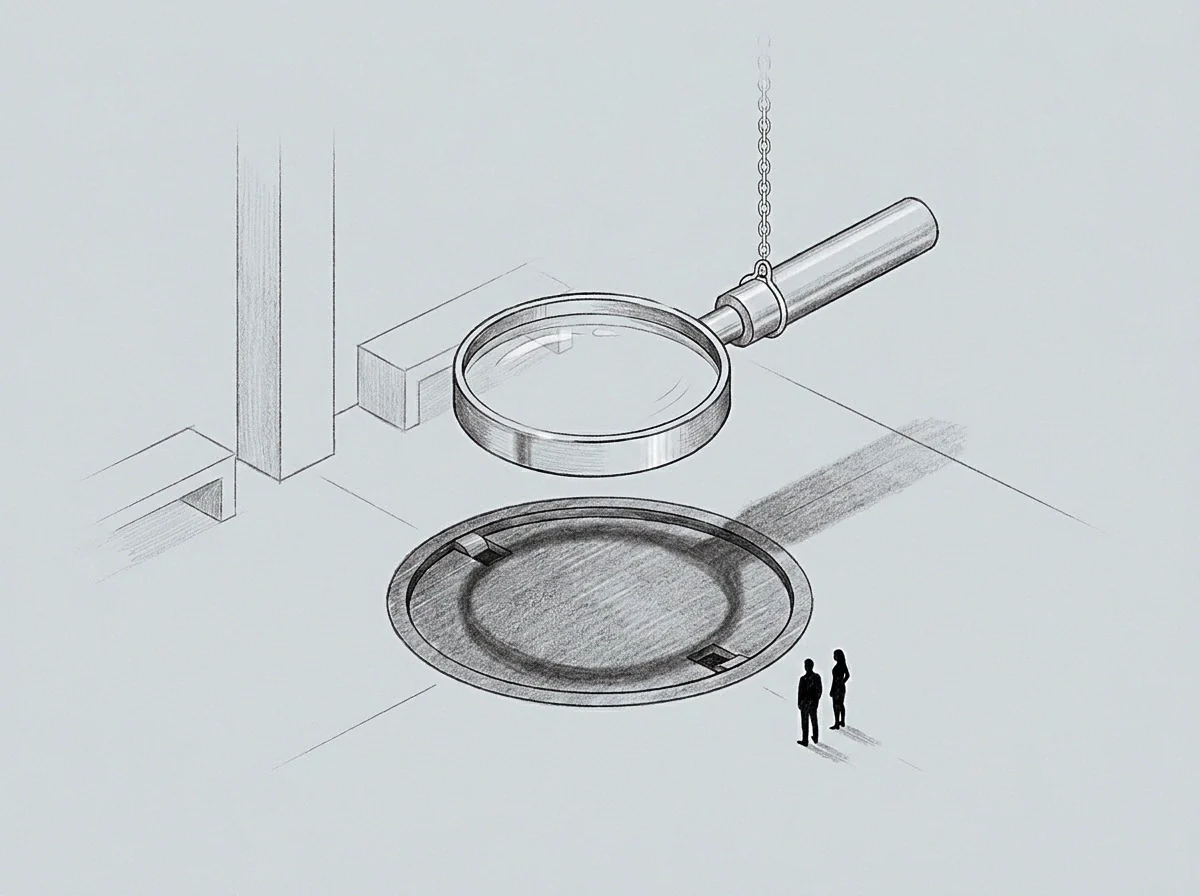
Meaning
Operational setpoint drift is the gradual displacement of a target performance threshold away from its original calibrated baseline within a control system. This phenomenon happens when subtle external pressures or component fatigue shift the parameters governing system response without an explicit change in the software logic. The shift forces the underlying mechanics to operate outside the intended efficiency zone.
Internal calibration settings remain unchanged, yet the output reality diverges from the expectation due to these persistent environmental factors.
Correction Latency
Adjusting for this movement requires constant re-calibration cycles that consume significant founder attention. Each incremental shift necessitates a recalculation of the system boundaries to prevent total failure. Managers dedicate specific hours to monitoring variance between expected performance and actual results.
Regular audits provide the only method to identify when the baseline has migrated beyond acceptable tolerance levels.
Regulation Cost
Maintaining a stable operational state against such movement demands an investment of cognitive capacity to account for error accumulation. The effort spent isolating the variable responsible for the drift represents a recurring tax on administrative time. Founders must decide whether to automate the adjustment process or rely on periodic manual intervention to return the system to the original configuration.
High dependency on manual correction increases the probability of human error during intense periods.
Systemic Threshold
Continuous divergence eventually reaches a physical limit where the regulator no longer maintains the necessary level of control. The margin for error narrows until the system hits a hard stop or requires a total reset. Any sustained deviation eventually compromises the reliability of the entire architecture.
A failure to recognize the divergence before it crosses the boundary results in a complete loss of performance predictability.