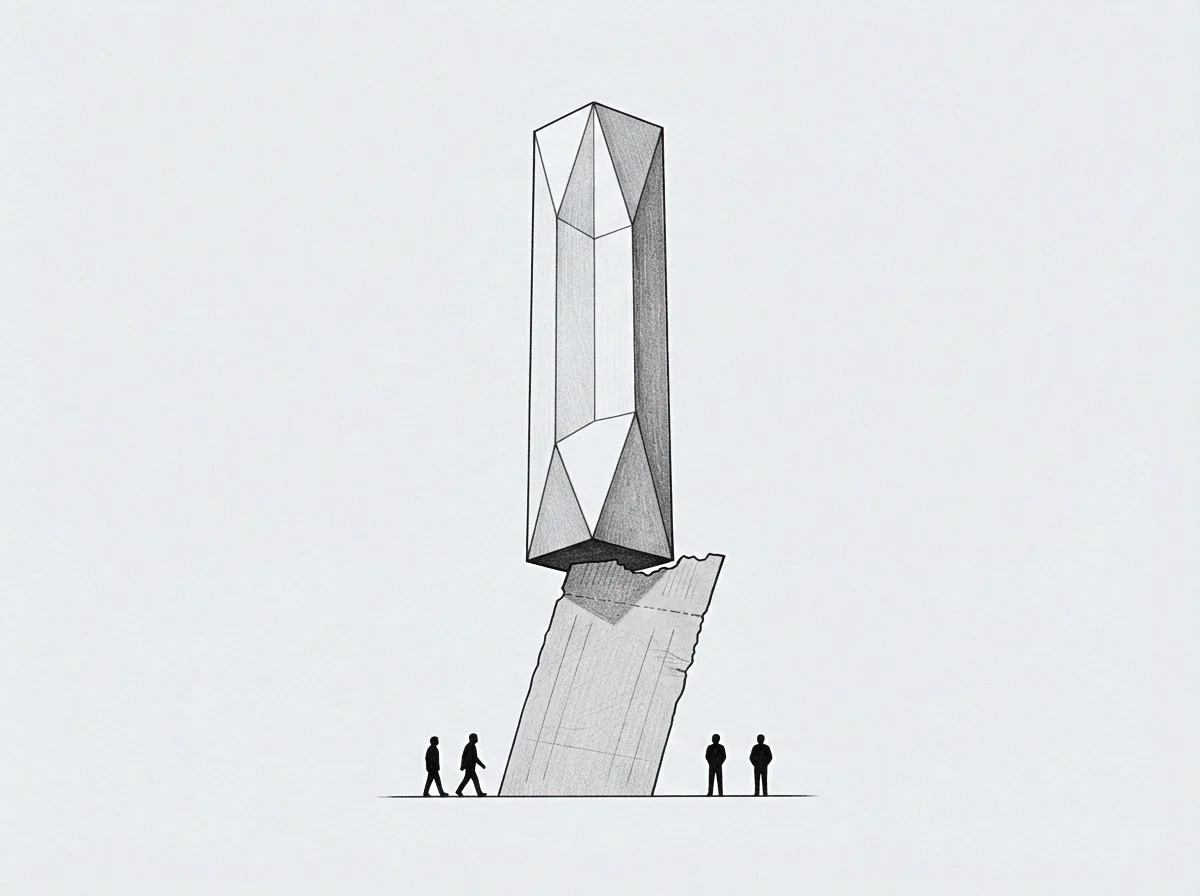
Meaning
A cumulative energy requirement describes the price a system pays to maintain its set point under continuous pressure. The physiological burden measures the total strain on the body and mind caused by the constant need to adapt to a high-demand environment. It represents the real-time cost of staying operational, separate from the long term debt that might accumulate over years of work.
Allostatic Load
The constant activation of the stress response system creates a heavy physiological burden that disrupts normal metabolic processes. This state occurs when the body stays in a high-alert mode for days or weeks at a time, preventing the individual from reaching a true state of rest.
Energy Drain
Sustaining this level of activity requires a constant supply of nutrients and sleep that is often unavailable in the period after founding. The physiological burden increases when these inputs are reduced, forcing the body to consume its own structural reserves to keep the brain and heart functioning at peak levels. This process eventually damages the metabolic efficiency of the person and slows down their recovery time.
Chronic Strain
Long periods of heavy load lead to a permanent shift in the baseline state of the individual. This physiological burden becomes a constant companion, limiting the person’s ability to handle even minor additional stressors.