
Long Term Physiological Costs Of Functioning As The Primary Relational Regulator Under Load
Functioning as a primary relational regulator suppresses autonomic recovery and elevates metabolic expenditure by replacing co-regulatory relief with solo buffering.
Door
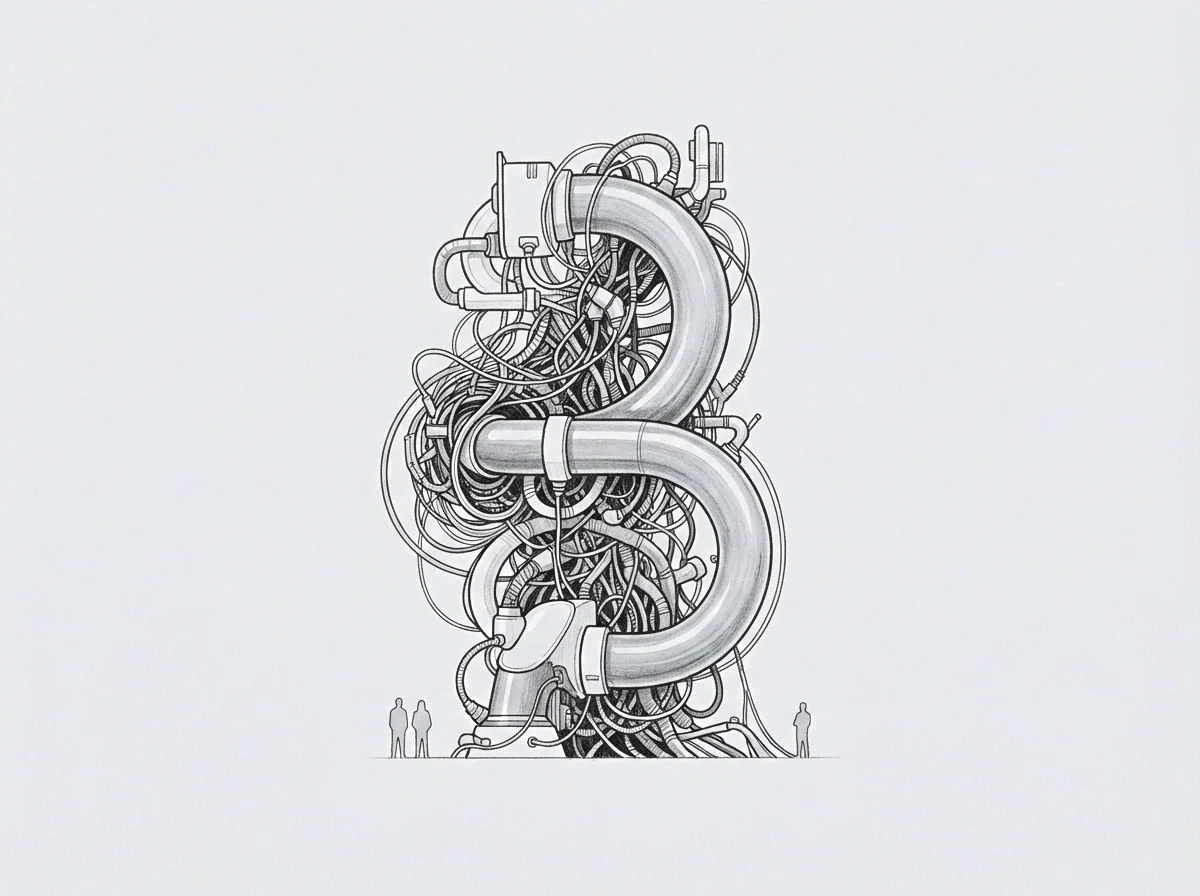
At two in the morning, four messaging channels stay active on a single terminal. An operator sits in a quiet room while team leads, partners, and executives send varying levels of panic across digital feeds. The person at the console absorbs these inputs, filters the emotional static into clear direction, and responds with a steady tone.
For the counterparties, the effect is immediate. Their nervous systems register the calm response, settle their distress, and step away from the thread. Operational order returns, but the operator who supplied that stability stays in a state of high physiological arousal.
Social baseline theory shows that the brain conserves energy by assuming that reliable peers are nearby to share the load. When someone works in a structure where others constantly offload emotional and cognitive pressure without offering support in return, the primary buffer carries the entire burden. Regulating oneself in isolation costs significant physiological energy.
The brain measures risk and allocates energy under the default assumption that threats are shared. Serving as the sole anchor turns every interaction into a continuous drain, forcing the person to manage autonomic responses without the relief that comes from shared regulation.
When emotional turbulence reaches an organization, the person who absorbs the disturbance without transmitting it becomes the invisible anchor of the entire structure.
This transfer of calm happens without formal documentation. A partner or executive feels their anxiety settle after reaching out, often attributing the relief to their own problem-solving or the resolution of the crisis. The exchange leaves no record in organizational tracking.
Because the primary buffer shows no obvious strain, others mistake that steadiness for endless capacity rather than demanding autonomic control. Showing composure during extreme stress usually draws in even more volume.
Consider two co-founders who built a business over three years without formal agreements on availability. Founder A tolerates sharp uncertainty, while Founder B experiences rapid stress spikes whenever revenue fluctuates. Over thirty-six months of operations, Founder B reaches out during every off-hour crisis, using Founder A as a stabilizer.
Founder A absorbs the anxiety, organizes the response, and restores order. Founder B views this setup as effective collaboration. Founder A, working without a reciprocal buffer, carries a quiet physical toll that eventually turns into deep exhaustion after years of constant containment.
A conversation months later often rests on the assumption that pressure was shared equally, simply because the room stayed quiet.
Cascade
Biological systems under constant regulatory demands enter a prolonged state of high-cost adaptation. When someone acts as the main buffer for long periods, the central nervous system keeps the sympathetic branch continuously active. Cortisol patterns lose their normal daily rhythm, creating elevated night-time baselines that hinder tissue repair and cognitive recovery.
Heart rate variability drops, signaling a loss of vagal tone and leaving the body less capable of adapting quickly to new stressors. Continuous stability for others comes at the cost of ongoing physical wear.
This physical strain builds continuously across multiple biological systems over time.
Allostatic load reflects the wear on tissues and organs caused by repeated overactivation of stress responses. Under normal conditions, acute stress triggers a brief surge in catecholamines and glucocorticoids, followed by a quick return to baseline once the pressure ends. For an unbuffered regulator, the stressor never truly stops, because the duty to absorb incoming anxiety stays active even during quiet moments.
The brain stays on high alert, expecting the next surge and keeping the parasympathetic nervous system from completing full recovery cycles at night.
- Vagal tone suppression reflects reduced parasympathetic control over heart rate, narrowing the window for quick physical recovery and emotional flexibility.
- Endocrine non-dipping occurs when night-time cortisol levels fail to drop as expected, hindering tissue repair and metabolic reset.
- Pro-inflammatory signaling rises as continuous glucocorticoid exposure weakens receptor sensitivity, elevating inflammatory markers throughout cardiovascular tissues.
- Neural metabolic depletion results from heavy glucose and oxygen consumption in the prefrontal cortex as it maintains constant emotional suppression.
Sleep architecture reveals the clearest physical disruption from ongoing regulatory duty. Polysomnographic data in chronic buffers shows a significant drop in slow-wave delta power, the stage essential for cellular repair and physical recovery. Micro-arousals break up the night, driven by a hyper-vigilant locus coeruleus that treats constant responsibility as a threat to survival.
Someone can spend eight hours in bed and still wake up with a high resting heart rate and tight muscles, showing an autonomic system that never stood down from duty.
Sustained autonomic hypervigilance under non-reciprocal regulation duty degrades nocturnal slow-wave delta power long before overt clinical markers appear.
Unresolved autonomic stress leaves clear physical evidence across long-term organ function.
Cardiovascular strain increases when the body relies on parasympathetic withdrawal to keep up a calm exterior. Vascular resistance stays high, raising mean arterial pressure during routine daily tasks. Over years of acting as a buffer for a business or family, this sustained resistance reduces arterial compliance.
Energy reserves drain quickly. The individual starts experiencing unclear physical symptoms, such as persistent digestive issues, joint pain, and severe afternoon brain fog, long before standard blood tests show clear abnormalities.
Sustaining high buffering capacity without restorative input forces the autonomic nervous system to draw on core structural reserves, accelerating biological aging and dampening emotional range.
Template
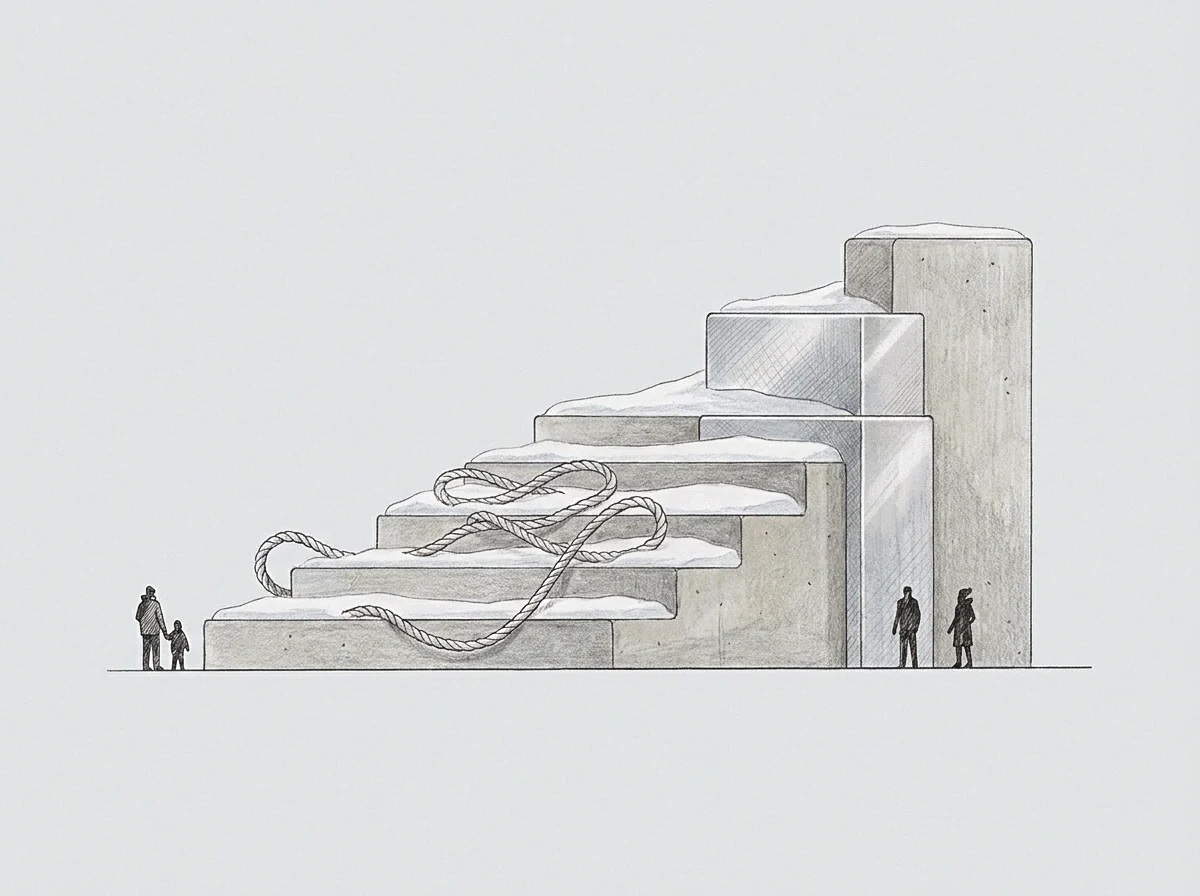
Relational patterns are shaped by internal models formed early in life. A person who acts as the primary buffer under heavy operational pressure often relies on an inverted internal template. In this dynamic, they learned early that emotional safety comes from stabilizing the adults or peers around them.
Managing others became an adaptive survival skill, while the capacity to accept support from someone else remained unformed.
Where Does the Missing Receptor Slot Originate?
Early environments where caregivers relied on a child for emotional balance shape a distinct developmental path. The child internalizes a rule that personal needs create instability, while managing the emotions of others ensures safety and connection. As an adult in high-stakes environments, this person naturally gravitates toward roles requiring ongoing containment.
They read group dynamics effortlessly, anticipate disruptions, and soothe volatile personalities. Yet when a colleague or partner offers genuine support, the inverted template fails to process it, treating the offer as another task or a potential risk.
Without an established model for receiving support, the capacity to accept outside regulation stays dormant.
| Evaluation Vector | Solo Primary Buffer Mode | Reciprocal Co-Regulation Mode |
|---|---|---|
| Metabolic Cost | High continuous glucose and autonomic expenditure | Low shared metabolic expenditure through baseline offloading |
| Autonomic State | Sympathetic dominance with vagal withdrawal | Balanced sympathovagal tone with rapid recovery windows |
| Relational Dynamic | Non-reciprocal containment and structural asymmetry | Mutual state attenuation and dynamic load sharing |
| Long-Term Toll | Allostatic overload and endocrine exhaustion | Sustained physical capacity and emotional resilience |
Intellectual understanding of attachment dynamics does not automatically reconfigure underlying neural pathways.
Understanding an attachment pattern intellectually does not change physical stress responses. An operator can read research on social baseline theory and recognize childhood patterns without altering how their body reacts to sudden pressure. The internal model runs beneath conscious thought, built into motor habits, subcortical threat checks, and automatic nervous system responses.
When crisis strikes, the inverted template takes over to stabilize the environment, bypassing intentions to hold boundaries or share the burden.
An internal working model built entirely on output registers an incoming offer of presence as a structural anomaly that requires active monitoring.
Rewiring this template requires repeated physical experiences of safety without needing to manage the other person, a process known as earned security. Earned security grows when someone remains near a steady partner while feeling internal distress, without trying to fix or soothe the other person. This requires tolerating the real discomfort of vulnerability while the nervous system learns that the partner can remain grounded without breaking down or demanding emotional management in return.
An earned security template shifts the autonomic baseline by allowing the brain to share energy demands with a trusted partner during acute stress.
Vessel
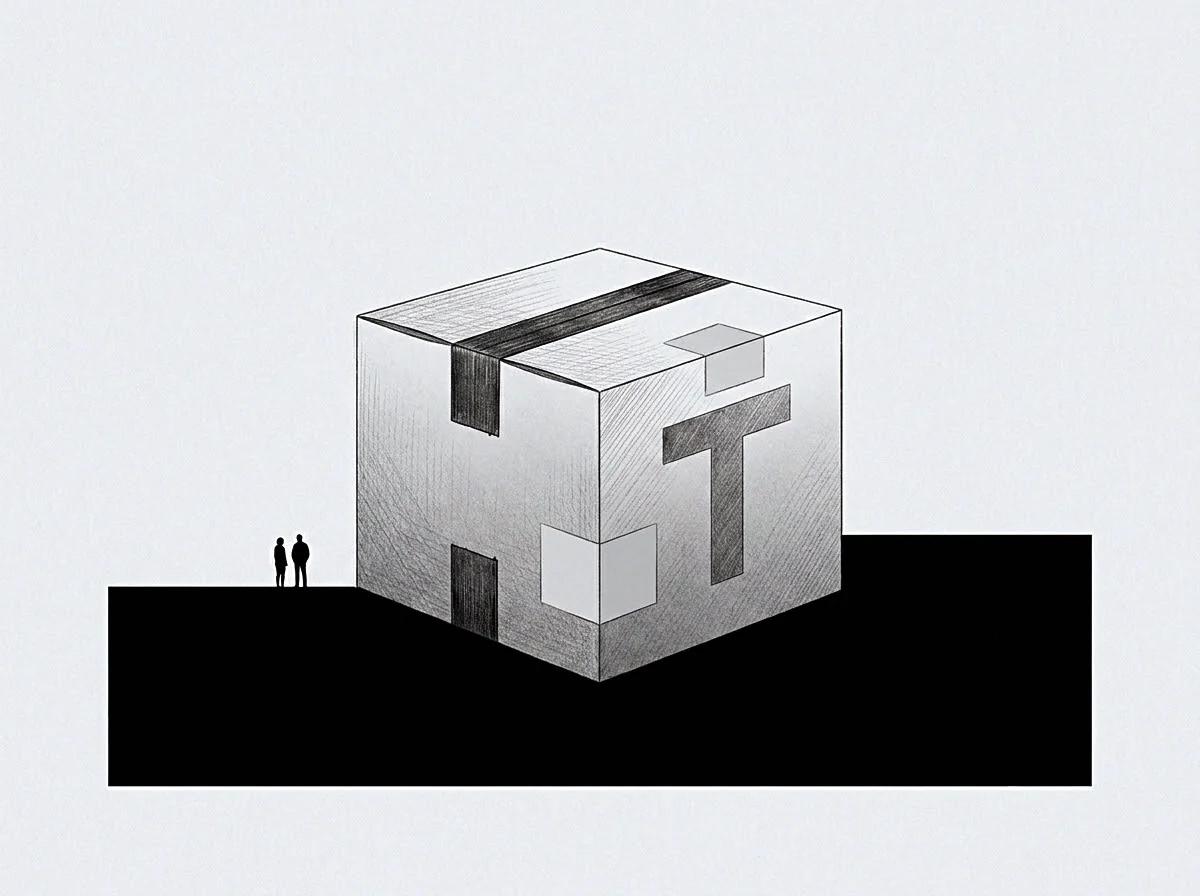
Systems organize around capacity. In executive teams, founding pairs, or families, emotional and operational weight settles on whichever person shows the greatest capacity to stay steady under stress. When that primary buffer absorbs every disturbance without setting firm boundaries, others receive no feedback about the real impact of their volatility.
The system chooses short-term ease by leaving containment to one person, worsening the imbalance over time.
Systemic weight moves naturally toward whichever individual consistently absorbs operational strain.
This implicit division of emotional labor rarely appears in explicit agreements.
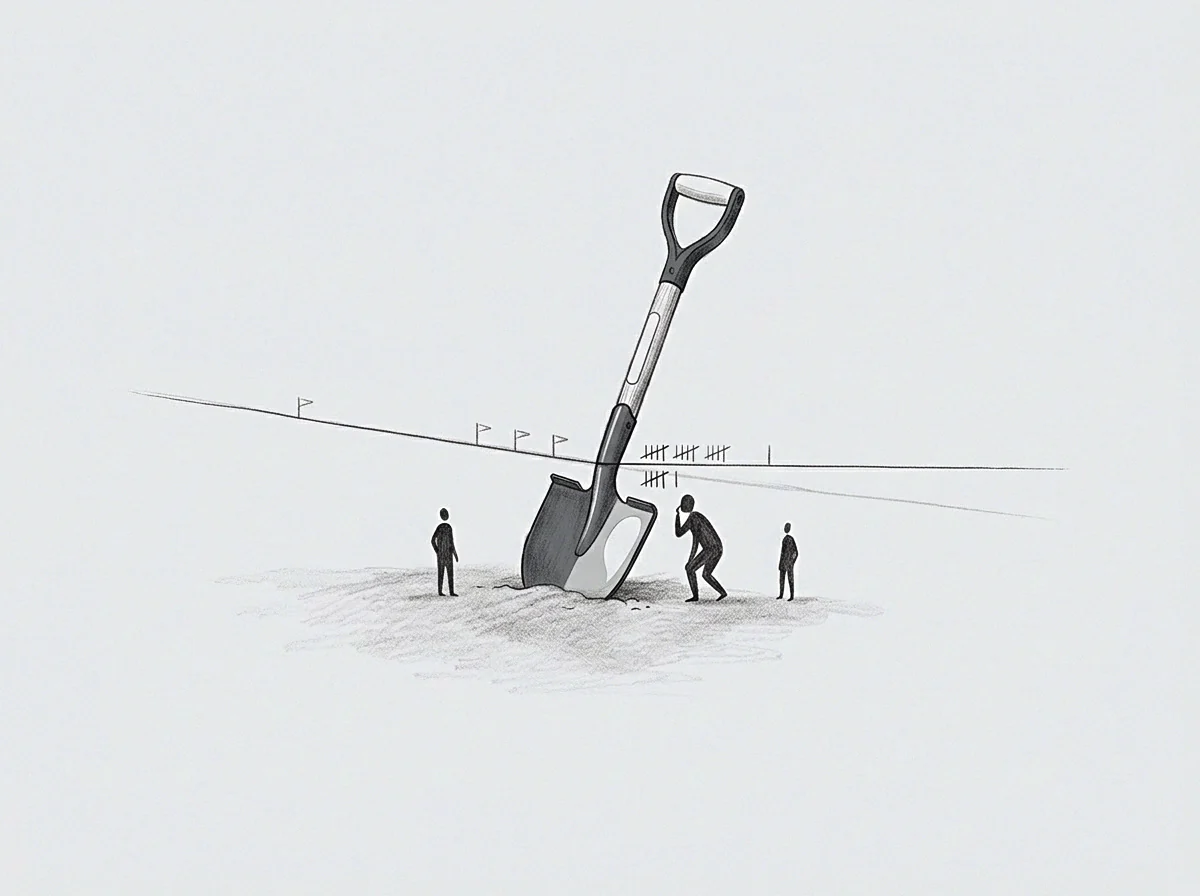
Interrupting this one-sided transfer requires shifting from quiet absorption to explicit throttling. Throttling means deliberately slowing down and reducing the availability of emotional buffering. When panic arrives, the buffer delays responses, limits emotional processing, and expects others to rely on their own internal or organizational tools.
- The primary regulator establishes off-hour windows where communication channels close completely, compelling the team to manage their own reactions.
- Clear boundaries separate operational crises that need strategy from emotional volatility that requires self-containment.
- Counterparties encounter boundary enforcement for the first time, revealing gaps in individual coping strategies across the organization.
- Specific operational requests replace vague demands for constant reassurance during market or organizational shifts.
Moving from an open buffer to a bounded regulator brings immediate friction. When someone who always absorbed systemic stress sets limits, others often mistake the boundary for abandonment or failure. Counterparties experience a stress spike, leading to sharper demands for reassurance through heightened panic, anger, or urgency.
Capacity demonstrated during a crisis becomes the baseline expectation for ordinary operations.
Absorbing another person’s anxiety creates relief for them without leaving any observable metric behind.
Maintaining these boundaries requires standing by while others experience distress without stepping in to fix it. This demands significant nervous system capacity, as the buffer’s internal template will signal threat when others remain agitated. Allowing a colleague or partner to work through their own distress without interference marks the point where one-sided dependency stops and shared capacity starts to form.
It varies how many non-responsive cycles a system goes through before counterparties develop internal self-regulation instead of seeking an outside buffer.
Restoration
Restoring physical health after years of unbuffered regulation requires systemic changes to work and living habits. Autonomic flexibility cannot return while someone remains in an open-ended buffering role. Physical recovery requires an environment with firm caps on incoming demands, allowing the nervous system to shift into genuine parasympathetic rest.
Real recovery happens only when the body recognizes that no one needs immediate containment or direction.
Restoring autonomic flexibility requires sustained periods without monitoring external threats.
Developing co-regulation relies on shared physical presence rather than digital communication.
Building capacity to receive support involves small, intentional trials. The buffer practices shifting light operational or emotional weight onto trusted partners while staying present as they carry it. Early attempts will spark anxiety, as old patterns warn that sharing the load is dangerous.
By seeing that partners stay grounded and capable under shared strain, the nervous system gradually updates its belief that regulation must be done alone.
Clear operational boundaries compel others to take responsibility for their own emotional states.
Systemic balance shifts permanently when the primary buffer replaces continuous emotional containment with explicit terms. The long-term physical impact of acting as an unbuffered anchor—from endocrine strain to arterial stiffness—reverses only when the individual stops absorbing surrounding volatility. As boundaries take hold, counterparties build their own capacity, converting a high-drain dynamic into a stable, shared baseline.
Relational security develops through repeated experiences of staying grounded while another person manages their own emotional state.