Meaning
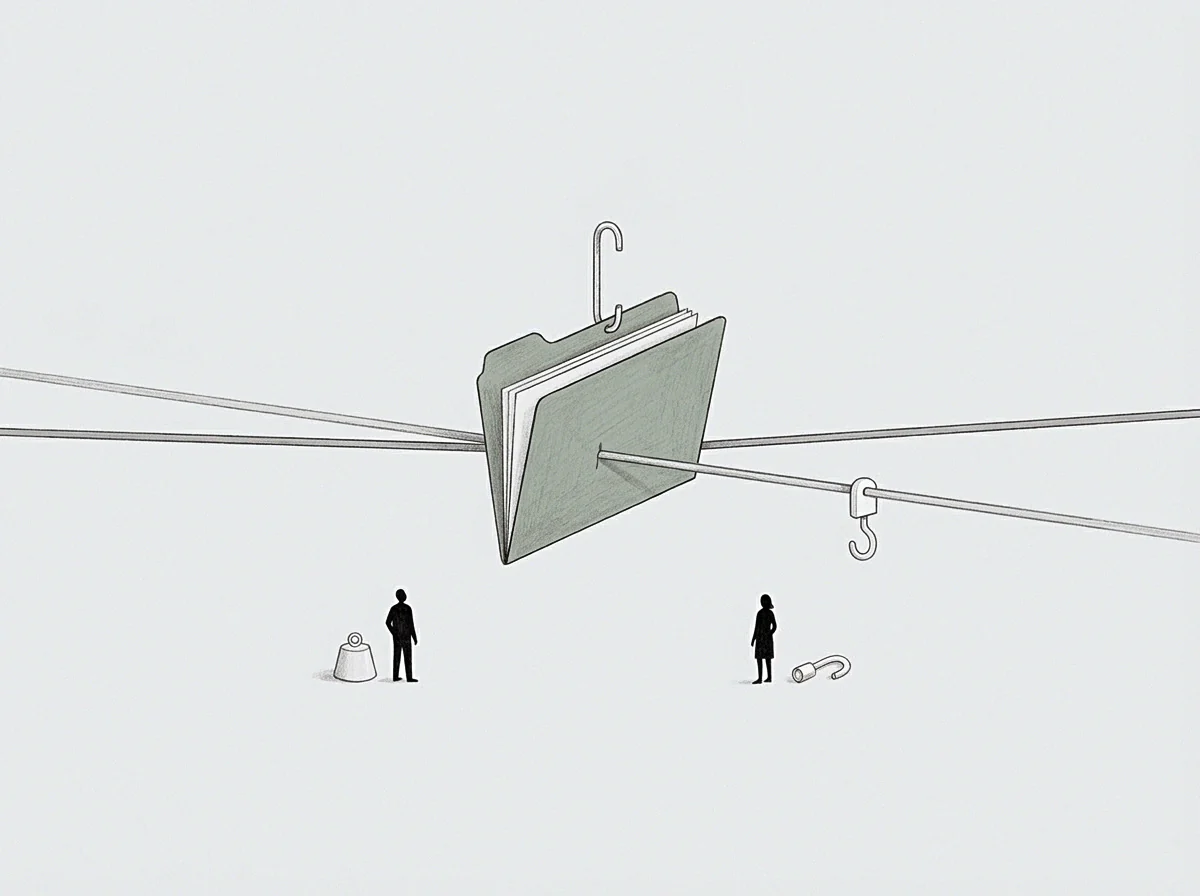
Bodily responses and stress patterns generated by prolonged exposure to professional pressure measure the physical cost of leadership. Experiencing physiological strain indicates that the demands of the role are exceeding the adaptive capacity of the individual. This state is marked by changes in sleep quality and cardiac patterns.
It represents the physical reality of executive responsibility.
Operational Impact
High levels of bodily tension impair decision-making speed and reduce emotional control. When physiological strain is sustained, the founder’s ability to navigate complex negotiations or handle crises is compromised. This impairment leads to a narrower focus and a higher likelihood of reactive decisions.
It directly threatens the stability of the organization by affecting its primary decision-maker.
Stress Accumulation
Over several months of constant operations, these micro-stress responses compound into chronic health conditions. The body does not recover during short weekend breaks when the baseline remains elevated. To prevent long-term damage, the individual must establish strict boundaries that allow the nervous system to return to a resting state.
This recovery requires both time and a complete disconnection from work obligations.
Hard Limit
When the nervous system is overwhelmed, the body enforces a stop that cannot be overcome by mental determination.