
How Social Baseline Theory Explains Autonomic Strain In Solitary Founders
Social baseline theory shows that solitary leadership forces the nervous system to spend internal metabolic energy on threat regulation normally shared with others.
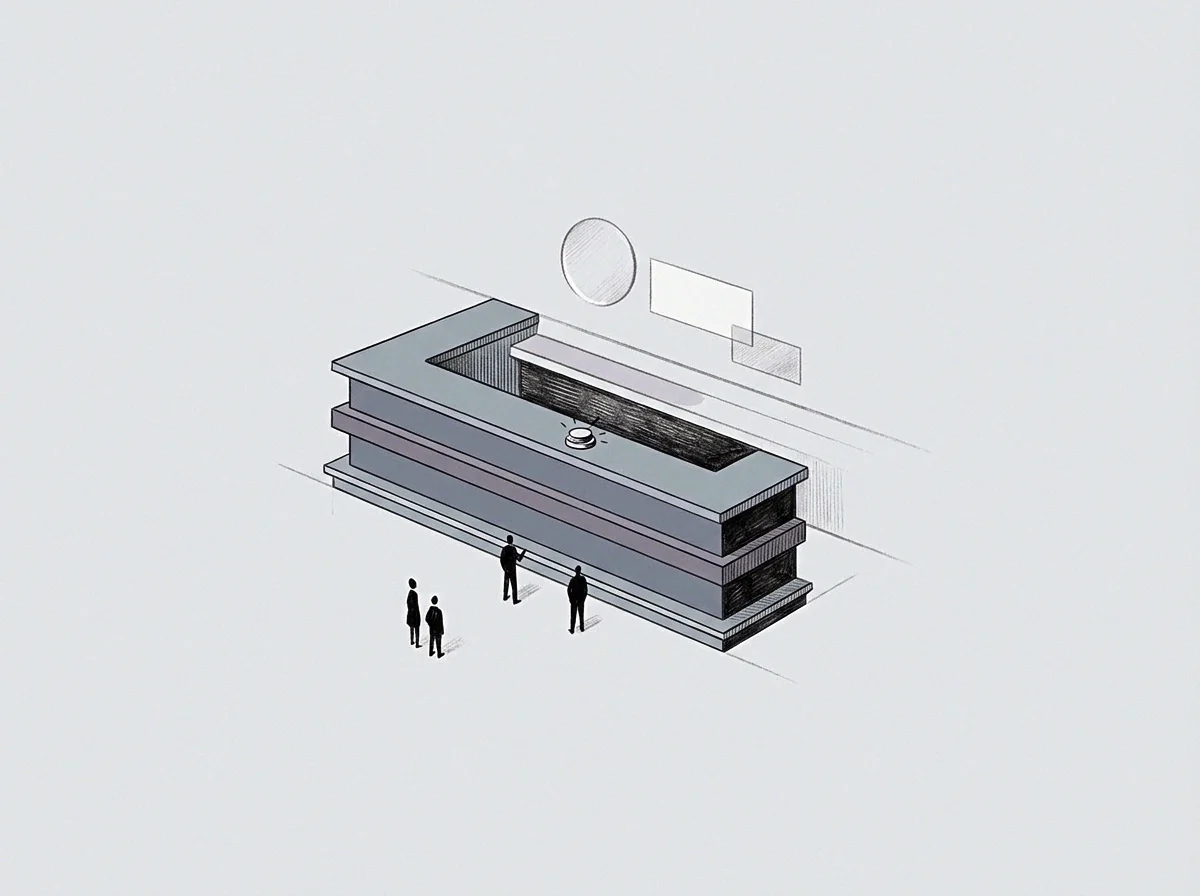
Economy
Four distinct operational channels sit open on a desktop monitor at midnight. An executive evaluates three conflicting financial forecasts alone while cardiac rhythm remains elevated far past the end of the working day. The body maintains active threat readiness despite the absence of any immediate physical hazard.
Standard productivity narratives attribute this persistent tension to poor emotional discipline or inadequate time allocation, but stress physiology reveals a structural cause operating at the biological level.
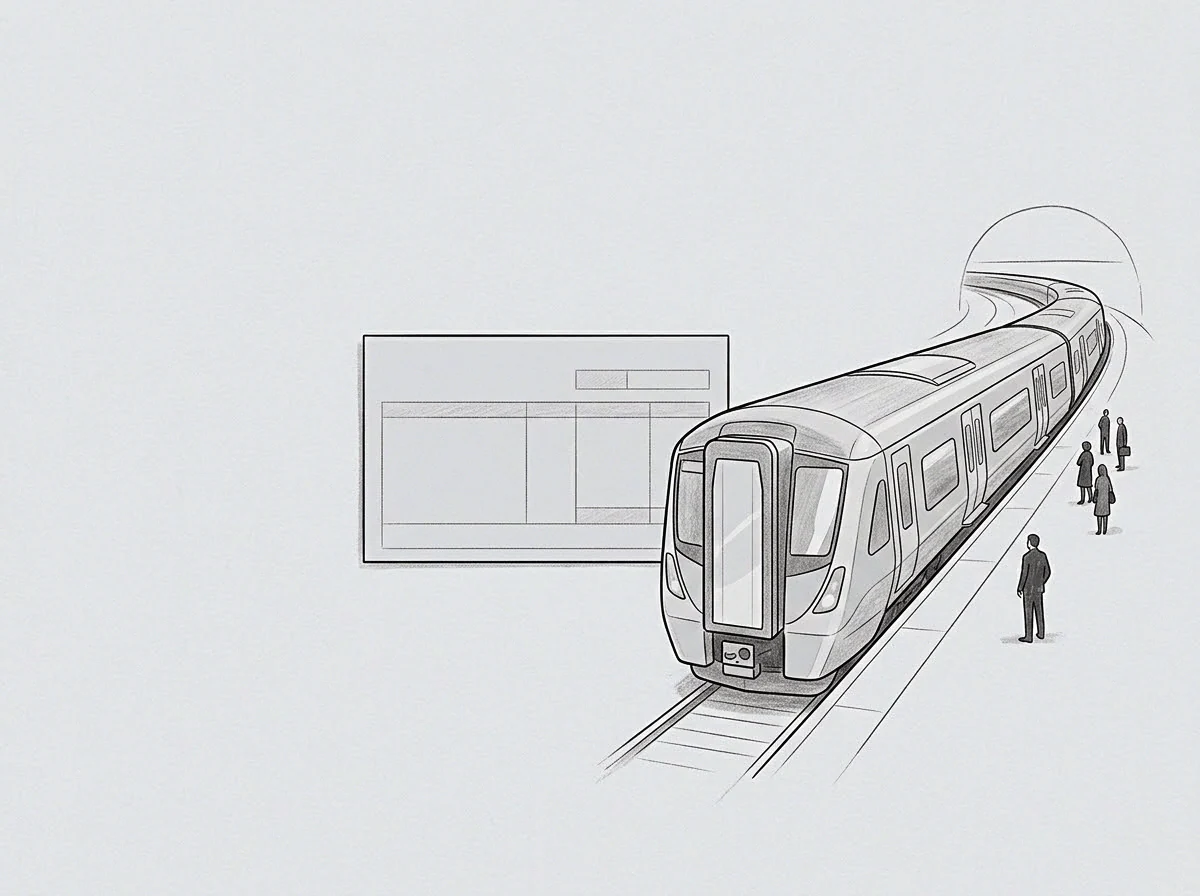
Metabolic Baseline Assumptions in Human Physiology
Human neural architecture evolved under conditions of shared environmental monitoring. The central nervous system calculates risk and budgets energy on the assumption that reliable conspecifics are physically nearby. When an individual operates within a stable group, threat detection and emotion regulation are distributed across multiple organisms.
Proximity to trusted peers reduces the energetic load required to maintain internal stability, as the brain registers social closeness as a primary conservation strategy that lowers baseline cardiovascular arousal and glucose consumption.
Social baseline theory frames proximity not as an optional psychological comfort, but as the default human ecological setting. Self-regulation without co-present baseline support causes elevated energetic expenditure. The brain treats solitary operation as a high-risk divergence from normal safety parameters.
When an operator faces complex risk surfaces without a co-located partner, the central nervous system must generate all regulatory force internally, elevating sympathetic tone.
The central nervous system categorizes solitary risk management as a metabolic surcharge when physical proximity to a trusted partner is absent.
Vagal Super-Receptors and Primary Regulation Costs
The parasympathetic nervous system modulates heart rate through the vagus nerve, acting as an internal brake on autonomic arousal. In shared operational environments, verbal cues, shared physical space, and micro-expressions from a steady peer trigger rapid vagal tone recruitment. This process of co-regulation allows individual metabolic resources to remain unburdened by continuous vigilance.
Solitary execution eliminates these ambient calibration signals, leading the isolated operator’s brain to interpret the missing safety cues as an implied environmental threat.
Vigilance draws directly on metabolic reserves. Without external regulation inputs, the prefrontal cortex must continuously expend energy to inhibit amygdalar fear responses. Over extended operating horizons, this sustained top-down control drains systemic reserves faster than routine cognitive work and produces chronic autonomic exhaustion.
When the primary regulator slot remains unstaffed during operational strain, the baseline energetic expenditure remains permanently shifted to high-cost individual load.

Solitude
Unshared risk responsibility alters autonomic functioning over long durations. An owner sitting alone in an empty office at night experiences the same physical stress response as an organism facing immediate physical danger: systemic blood pressure shifts upward, peripheral vasoconstriction limits circulation, and glucose floods the bloodstream to prepare for action that never occurs. The physical body stays trapped in active defense because no external nervous system is present to verify safety.
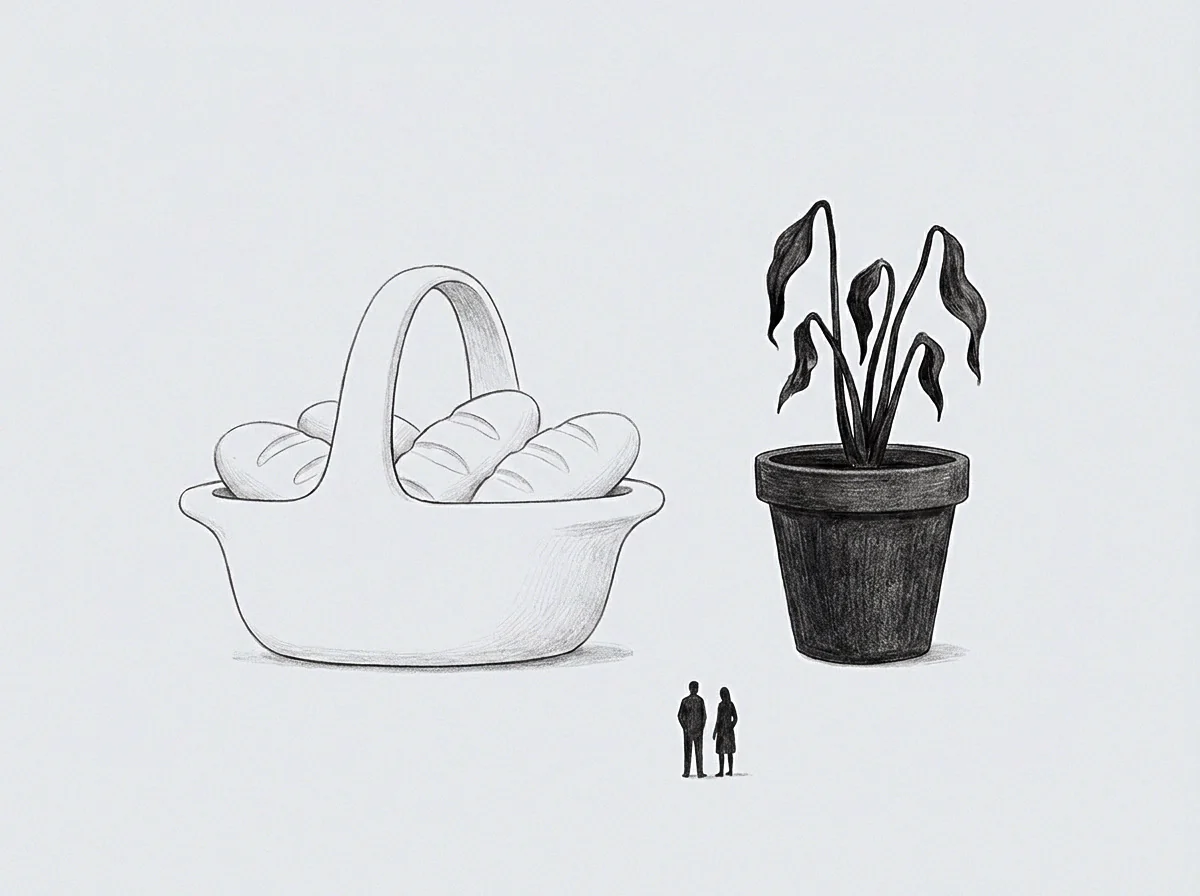
Vagal Tone Decay Under Unshared Load
Continuous internal regulation without social buffer alters autonomic baseline sensitivity. High cardiac vagal control permits rapid recovery after acute operational stress, but chronic solitary vigilance degrades this adaptive capacity over time. As vagal tone decays, the parasympathetic brake fails to engage during rest periods, causing nighttime heart rate variability to drop while resting heart rate remains elevated across sleep cycles.
The isolated leader remains locked in high sympathetic activation because the brain lacks the regulatory offsets provided by a co-present partner. The body misinterprets the absence of co-regulation as continuous exposure to potential threat.
- Autonomic hyperarousal keeps baseline heart rate elevated during quiet hours when external operational demands have ceased.
- Vagal withdrawal reduces cardiac deceleration, leaving the body in continuous fight-or-flight preparedness across consecutive weeks.
- Cognitive throttling restricts long-term strategic calculation as metabolic energy concentrates on immediate threat monitoring.
- Somatic misattribution interprets physiological exhaustion as operational failure, prompting further self-imposed workload.
The biological cost accumulates rapidly when an operator holds sole authority over critical capital or strategic decisions. In multi-founder structures, shared accountability distributes the physiological burden of ambiguous decisions. In solitary structures, every ambiguous variable hits a single autonomic nervous system, as the brain cannot offload threat evaluation to a peer.
A person who regulates a whole system alone eventually reads their own physiological exhaustion as a structural necessity.
Over several quarters of solitary operation, the physical baseline resets to a higher level of strain. The operator adapts to chronic tension, normalizing elevated resting cortisol and compromised sleep architecture. This physiological shift operates beneath conscious awareness: the individual believes they are simply managing routine workload, unaware that their autonomic architecture is operating at structural capacity.
Ignoring the metabolic cost of unshared vigilance leads directly to chronic autonomic exhaustion and compromised operational judgment.

Table
Comparing co-regulated operational seats against solitary leadership structures highlights how social baseline mechanics alter biological strain across identical strategic tasks.
Comparative Autonomic Profiles in Foundational Seats
Take two software builders operating under identical capital constraints over a twelve-month development cycle. Assume Operator A works alongside an equal co-founder in a shared physical office, while Operator B builds independently in an isolated location. Both encounter identical product delays, capital shortages, and client churn events.
The metabolic consequences diverge based entirely on the presence or absence of co-regulatory feedback loops.
| Evaluation Dimension | Co-Regulated Operational Environment | Solitary Operational Environment |
|---|---|---|
| Threat Evaluation Mode | Distributed across two nervous systems; sensory cues from peer lower prefrontal expenditure. | Concentrated on a single central nervous system; requires continuous top-down inhibition. |
| Parasympathetic Rebound Rate | Rapid cardiac deceleration following acute crises due to passive ambient safety signals. | Suppressed cardiac deceleration; vagal tone remains depressed for hours post-crisis. |
| Daily Energetic Allocation | Metabolic resources preserved for executive cognition and long-term strategic planning. | Metabolic resources siphoned into baseline threat monitoring and self-regulation. |
| Somatic Signal Interpretation | Physical fatigue recognized as biological feedback requiring ordinary rest cycles. | Physical fatigue misattributed to operational inadequacy, driving secondary hyperarousal. |
Operator A offloads risk processing through informal ambient communication. A quick exchange of glance or voice tone during a critical failure confirms shared survival, allowing the parasympathetic system to reactivate. Operator B processes the identical failure in absolute isolation, where the central nervous system receives no external verification of safety, forcing the prefrontal cortex to maintain high-cost inhibitory control indefinitely.
The decisions look identical on paper, but holding the entire risk surface without someone beside the desk turns every routine update into a physical weight.
Blueprint
Early relational development shapes how an executive manages stress under conditions of extreme responsibility. Individuals who take on solitary founder seats frequently carry an internal working model constructed around severe self-reliance. During developmental years, these individuals learned that emotional regulation was unavailable from caregivers or peers.
They internalized a self-sufficient regulator template, training their brains to solve systemic instability without seeking external support.
Does Template Updating Require Physical Proximity?
Cognitive understanding of attachment theory alters zero neural pathways on its own, because the primary regulator template operates within subcortical brain structures that respond exclusively to repeated somatic experience. High-capability operators often possess deep intellects capable of analyzing their own stress patterns, yet this theoretical clarity fails to change autonomic responses during acute crises.
The brain relies on historical relational patterns to predict regulatory outcomes. An executive whose blueprint treats other people as potential sources of unpredictable load will automatically resist co-regulation. When team members or advisors offer assistance, the operator’s nervous system registers the interaction as an incoming operational demand rather than an energetic relief, keeping the receptor slot for receiving regulation closed.

The Receptor Slot Anomaly in High-Capability Operators
When a person runs the regulatory cycle backwards during development, they internalize a model of themselves as the permanent regulator for others. Managing their own internal state and stabilizing the states of those around them merge into a single operation. They possess high capacity for absorbing external volatility, attracting unstable partners, anxious employees, and demanding investors.
The operator acts as the baseline for the entire organization while possessing no functional mechanism to receive regulation themselves.
An internal regulator template built on early self-reliance treats external support as an operational anomaly rather than a metabolic baseline.
This dynamic creates a structural vulnerability. The operator becomes the sole shock absorber for organizational stress. Because their autonomic template lacks a receptor slot for borrowed regulation, they view all close professional relationships through the lens of incoming responsibility.
The presence of other people increases their regulatory workload instead of decreasing it, as presence drops metabolic cost only when the nervous system trusts the source.
Whether an operator with a deep-seated regulator template can build an effective co-regulation loop without first encountering total somatic failure remains an open inquiry in practice.
Tax
The physical toll of solitary venture buildout compounds according to precise physiological sequences. Chronic autonomic strain operates as a metabolic surcharge that siphons energy away from creative execution, emotional stability, and long-term planning. The body collects its tax continuously, regardless of the operator’s intellectual commitment or drive.
Allostatic Accumulation and Vagal Suppression
Allostatic load represents the cumulative wear and tear on tissues and organs resulting from ongoing autonomic activation. When an operator runs high sympathetic tone for months without parasympathetic recovery, the endocrine system maintains elevated levels of circulating catecholamines and glucocorticoids. Cortisol disrupts baseline glucose metabolism, impairs immune function, and rapidly degrades sleep quality.
- Continuous solitary threat assessment drains executive headroom within thirty days.
- Parasympathetic tone degrades, preventing physiological recovery during sleep cycles.
- Somatic signals of exhaustion undergo cognitive reinterpretation as executive incompetence.
- The operator doubles daily effort, escalating the physiological surcharge across subsequent months.
Sustained vagal suppression leads directly to somatic throttling. The brain, detecting a severe deficit in metabolic reserves, initiates protective throttling measures to prevent systemic collapse. As a result, the operator loses access to creative problem-solving and long-range vision, descending into rigid, short-term tactical execution.
What appears as a motivational breakdown or loss of founder vision is actually a biological conservation response.
The body collects its metabolic fee regardless of how cleanly the strategic backlog is managed.
When autonomic strain exceeds critical thresholds, the nervous system forces compliance through acute physical symptoms. Chronic migraine, digestive dysfunction, autoimmune flares, and severe panic attacks mark the point where autonomic reserves have been fully depleted, leaving the operator unable to override biological reality through willpower alone.
The strength of an operator under unshared load determines how far the autonomic damage progresses before the body forces a stop.
Shift
Updating an ingrained regulator template requires moving beyond theoretical comprehension into repeated physical experience. Earned security defines the process by which an individual with an insecure or overly self-reliant attachment history develops stable, regulated relational patterns later in life. For a solitary operator, this shift cannot occur through isolated introspection, meditation, or executive coaching conducted purely at the intellectual level.
The nervous system rewires only when exposed to actual, real-time co-regulation under conditions of genuine risk.
Updating the Internal Working Model Through Earned Security
The update path demands the deliberate construction of high-trust, low-demand relational spaces. The operator must experience physical proximity to a stable, non-reactive peer while holding real operational vulnerability. When an operator expresses true uncertainty or strategic failure in the presence of a calm, grounded peer and receives non-judgmental presence instead of added demand, the subcortical brain registers a new safety outcome, breaking the historical prediction model.
This biological update occurs incrementally over time. The delta over time measures the gap between the operator’s initial autonomic panic under strain and their emerging ability to borrow calm from another human nervous system. Early in the transition, the operator’s instinct is to retreat into solitary problem-solving whenever risk rises.
Overcoming this retreat habit requires deliberate structural choices: co-located working arrangements, equity partner structures that enforce shared decision rights, or dedicated peer assemblies where risk is held collectively.
As these co-regulatory experiences accumulate across consecutive quarters, the prefrontal expenditure required for basic threat regulation drops. Baseline vagal tone recovers. Resting heart rate normalizes, sleep architecture restores itself, and the executive recovers the cognitive bandwidth necessary for expansive strategic thought.
The operator moves from an isolated, high-cost self-regulation regime to an energy-efficient social baseline mode, establishing a sustainable physiological foundation for long-term venture leadership.