
Social Baseline Shifts Under Prolonged Cognitive and Physiological Strain
Prolonged physiological strain shifts the social baseline, causing the brain to register social proximity as a metabolic demand rather than a stabilizing resource.
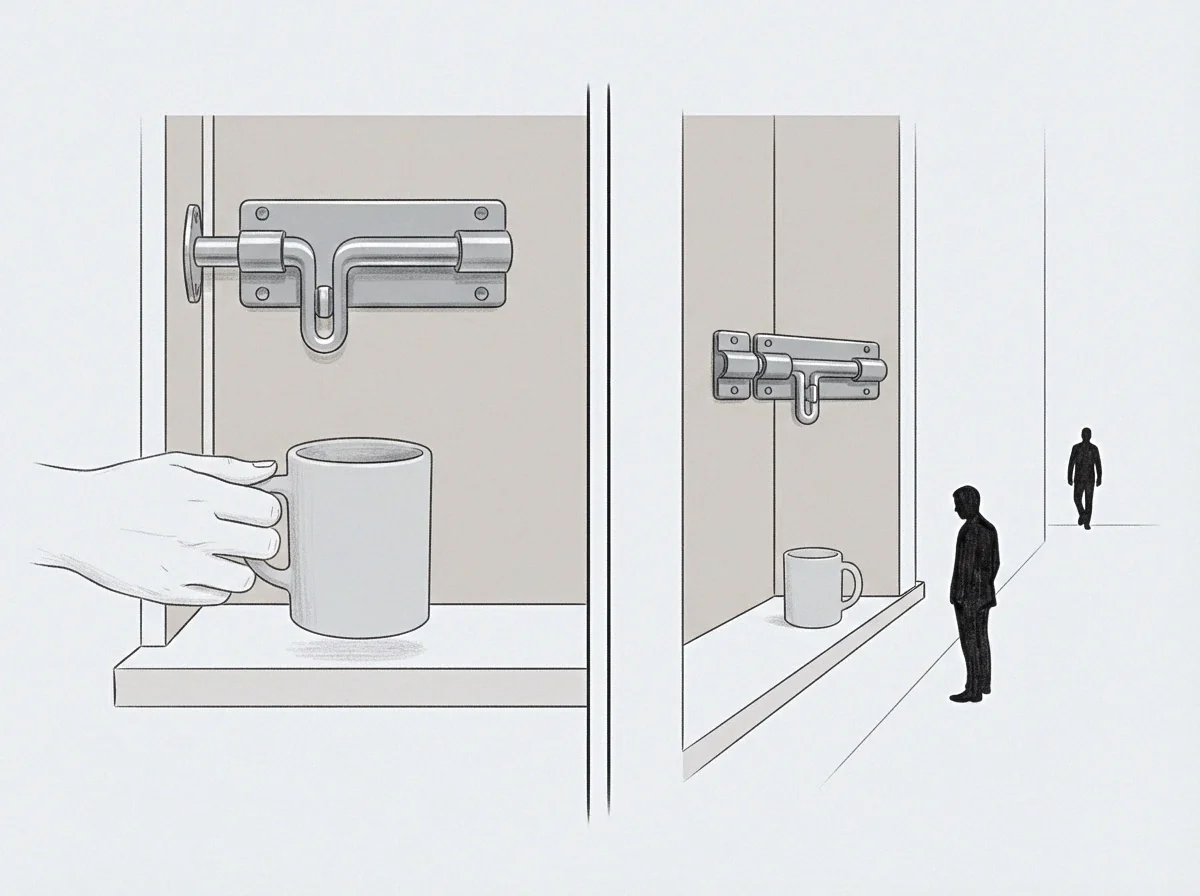
Tone
Four messages arrive within six minutes while metabolic recovery is already lagging behind output. The human nervous system treats proximity as an energy calculation. Under normal conditions, the brain assumes reliable partners are present by default and distributes metabolic effort across the group.
Physical presence, familiar vocal tones, and shared attention lower autonomic arousal, cutting the neural cost of threat monitoring in the ventral vagal network. The body treats shared presence as low-cost survival.
Prolonged cognitive and physical strain breaks down this metabolic balance. When sleep debt accumulates, allostatic load rises, and executive networks operate at capacity, the autonomic baseline shifts from social safety to continuous sympathetic mobilization. The brain re-evaluates proximity.
Instead of reading a partner or colleague as an asset that reduces the cost of regulation, the nervous system treats incoming social signals as extra work. Every interaction demands predictive modeling, perceptual decoding, and impulse control.
The central nervous system calculates social proximity as an immediate metabolic liability when autonomic recovery stays incomplete over extended operational windows.
Regulating oneself in isolation is biologically expensive. The prefrontal cortex actively suppresses subcortical threat circuits, drawing on blood glucose and neurochemical reserves to preserve calm. When an individual reaches exhaustion, the system loses the reserve capacity needed to process social cues, shifting the baseline so that the surrounding environment, once a buffer against external pressure, becomes the primary source of metabolic friction.
When an operator misinterprets sustained nervous system overload as a personal boundary failure, they often withdraw to preserve energy, which accelerates autonomic strain by removing the biological buffer of shared proximity.
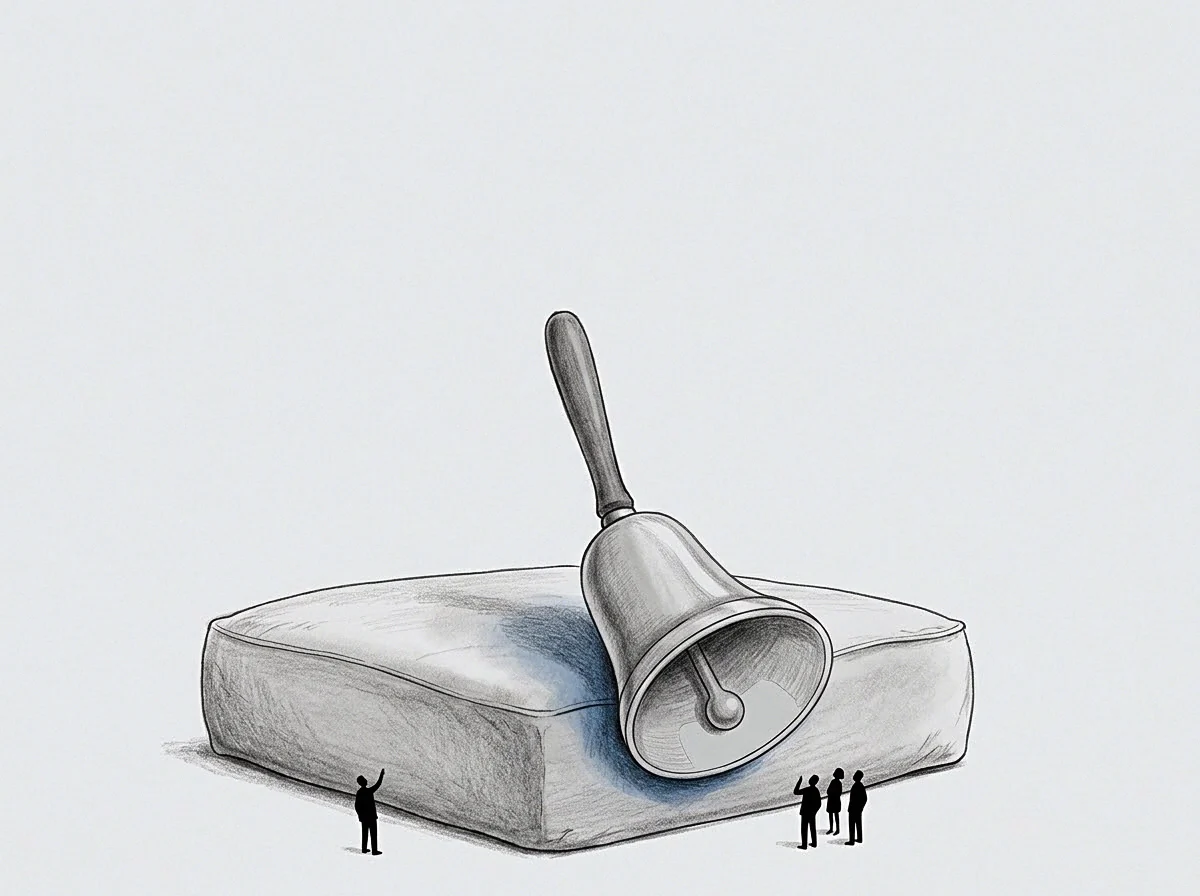
Post
In organizations and operational partnerships, one individual often serves as the structural baseline for the surrounding group. Others steady their emotional and cognitive states against this anchor, drawing regulation from a stable physiological presence. The primary regulator absorbs systemic volatility, offering a predictable, low-arousal presence that stabilizes the room.
This works as long as the anchor retains adequate physical reserves and access to mutual regulation.
Breakdown occurs when the anchor operates under prolonged strain while continuing to anchor others. The working model of a person in this seat often contains an imbalance: an internal regulator template requiring them to supply calm to others, without any functional capacity to receive regulation in return. They track the room, steady their tone, and absorb operational panic for the team while their own system runs in severe allostatic overload.
| Operational State | Neural Load Distribution | Social Signal Processing | Metabolic Cost to Anchor |
|---|---|---|---|
| Balanced Co-regulation | Shared across present partners | Decoded as safety and resource sharing | Low physiological expenditure |
| Unidirectional Baseline Anchor | Carried entirely by primary regulator | Decoded as steady management duty | Moderate continuous expenditure |
| Saturated Baseline Anchor | Overloaded in primary regulator | Decoded as incoming metabolic demand | Severe compounding exhaustion |
The baseline shifts without outward signs. Because the primary regulator still appears composed, demands increase rather than diminish. Apparent stability under pressure invites additional volume.
The group interprets the absence of visible panic as available capacity, transferring unresolved friction onto the person least able to absorb it.
The leader becomes detached and unpredictable even as the surrounding team maintains its normal cadence of communication and routine requests for guidance.

Relay
Transmitting regulation through high-strain environments requires clear signal fidelity. When sustained stress alters the neural baseline, specific behavioral adjustments appear across every working relationship as the overloaded regulator moves to prevent total cognitive failure.
- Throttling behavior occurs when an operator intentionally delays, shortens, or avoids routine exchanges to keep their autonomic system within working limits.
- Covert terms emerge as unstated rules where access requires strict alignment, reducing the cognitive effort of discussion or emotional processing.
- Signal degradation manifests when subtle affective cues are missed entirely, leaving others to read flattened vocal tone and delayed responses as hostility.
- Receptor closure takes hold as the operator loses the capacity to register warmth, support, or practical offers of help, interpreting all input as an added demand.
These protective responses change how leadership and working partnerships function. The ability to supply borrowed regulation fails. An individual who has operated this way for years often assumes they must remain the sole source of stability, treating their physiological limits as a lapse in personal discipline rather than a biological threshold.
Unstated limits produce unacknowledged relational terms that compound into sudden operational breakage.
When an operating arrangement depends on an unexamined assumption of endless autonomic capacity, the arrangement fails the moment external pressure peaks.
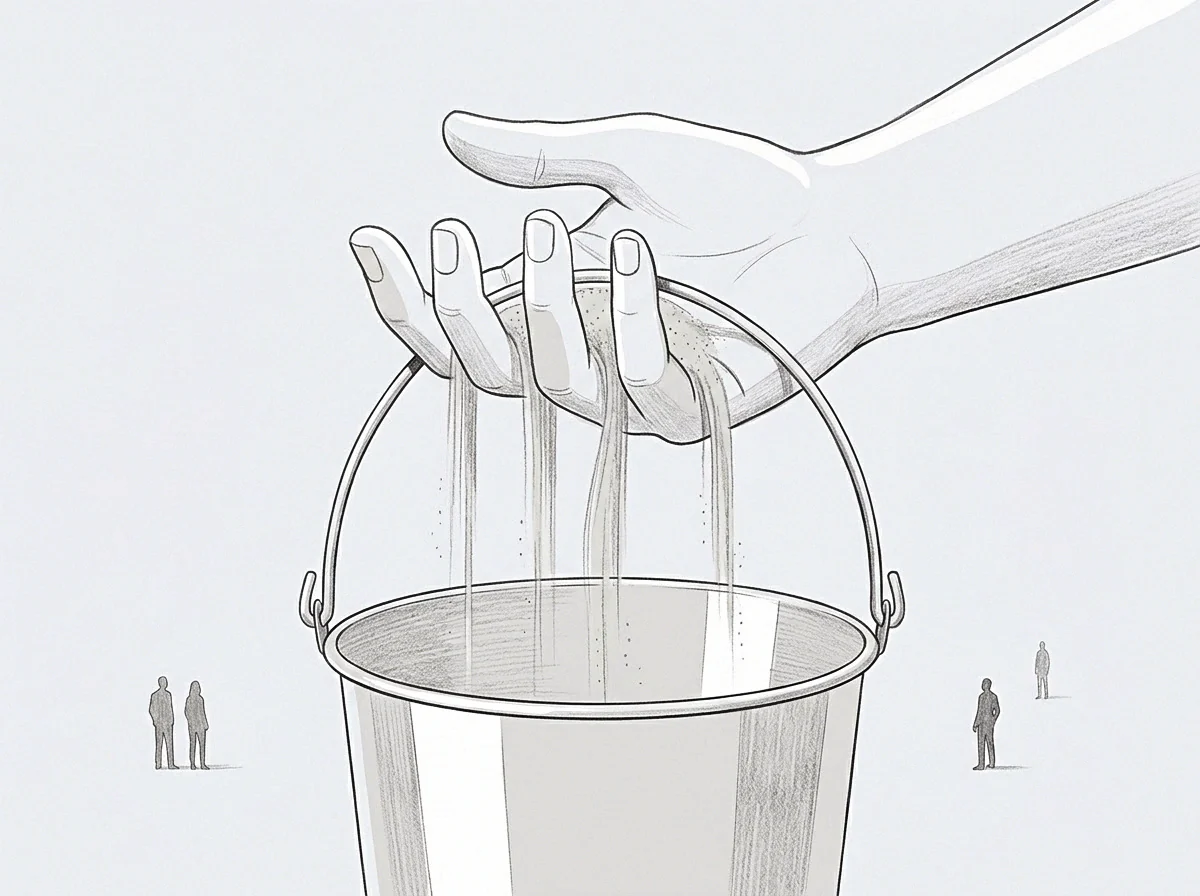
Drain
The move from active social engagement to metabolic preservation follows a clear biological progression. As cognitive and physiological strain persists over months, the nervous system resets its threat thresholds, prioritizing immediate physiological conservation over group integration.
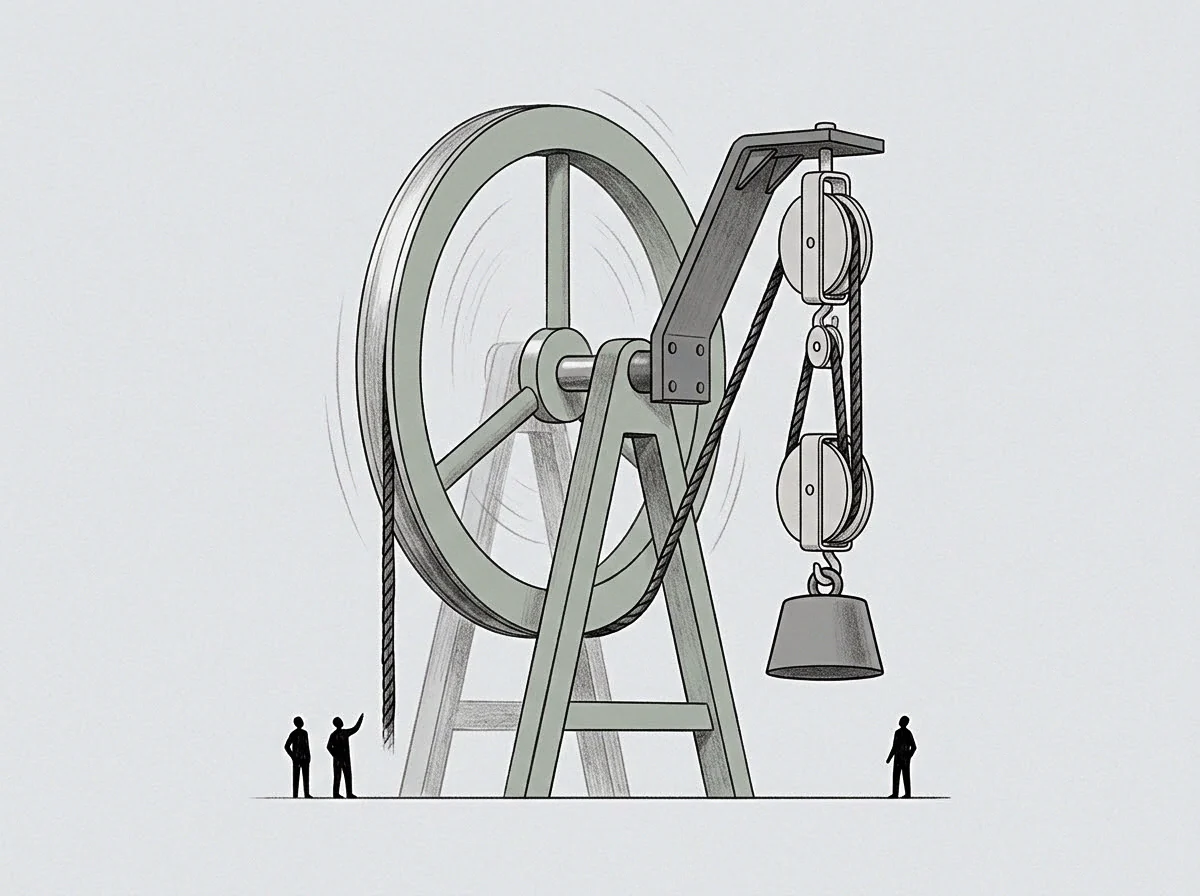
Why Does Presence Feel Like Threat Under Load?
When the ventral vagal complex runs out of resources, sympathetic tone sets the resting posture. In this state, another person entering physical or digital workspace triggers defensive orientation reflexes. Facial expressions demand decoding, vocal tones require interpretation, and subtle cues pull on processing reserves the prefrontal cortex no longer has.
Proximity feels like a threat because processing presence requires energy the body cannot spare.
- The operator enters sustained allostatic overload from constant cognitive output without complete recovery cycles.
- The brain reassesses social contact, reclassifying proximity from a supportive buffer into an active drain on energy.
- The individual flattens their external emotional expression to conserve glucose, sending an ambiguous signal to colleagues.
- The surrounding team reacts to the flattened signal with increased concern, generating more requests for clarity and alignment.
- The operator reads these additional requests as friction, prompting complete withdrawal or sharp interpersonal conflict.
Maintaining an unyielding exterior while operating on depleted reserves carries an unavoidable biological cost. The internal system runs hot while external flexibility locks up. When deliberate adjustments are deferred, the body eventually forces rest through inflammation, cognitive fatigue, and autonomic withdrawal.
An organization can rely on the borrowed calm of an overloaded regulator for only so long before the underlying structure fails.
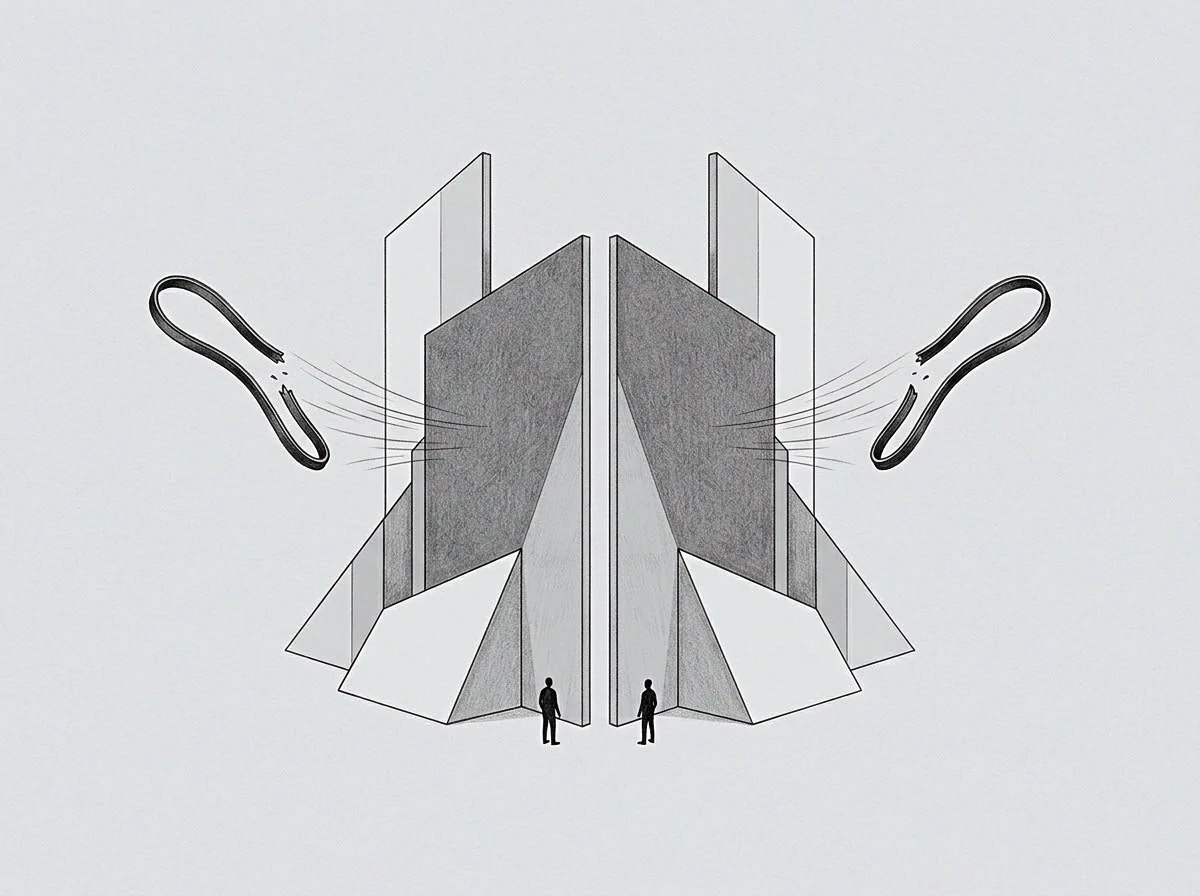
Recoil
Rebuilding a compromised social baseline requires physical adjustment rather than conceptual analysis. Understanding relational patterns or cognitive load models does not alter autonomic tone on its own. The nervous system resets its predictive models through repeated, direct evidence of safety and low-cost co-regulation.
Developing earned security requires restructuring how regulation is managed across working relationships. The primary regulator needs exposure to presence that carries no operational demands, working alongside another steady presence without needing to process emotion, make decisions, or perform.
Building a functional receptor slot takes consistent time. The operator gradually allows another person’s stable physiological state to lower their own metabolic output. The baseline returns when the nervous system confirms through direct experience that proximity reduces energetic cost instead of increasing it.
A durable system operates on clear capacity limits rather than endless personal endurance.