Meaning
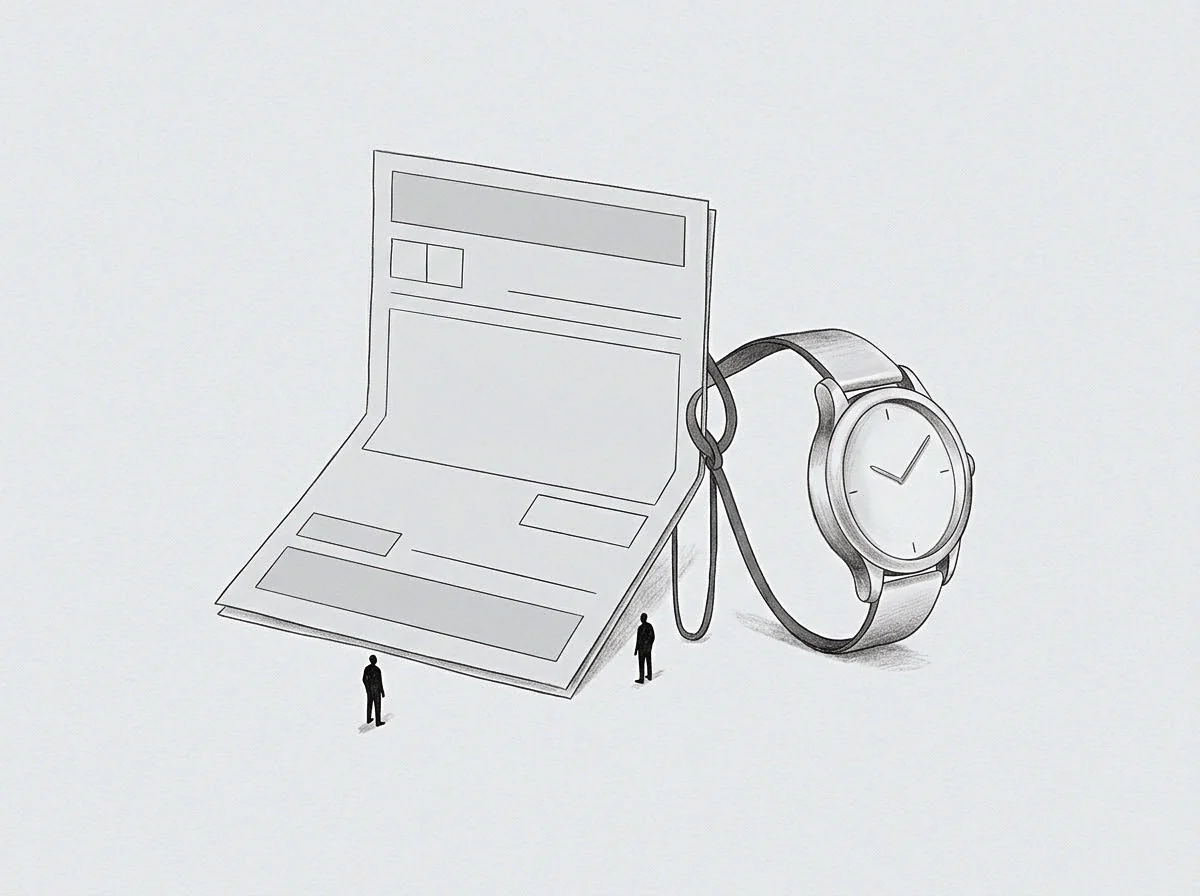
Interference that occurs when previously learned information hinders the acquisition or recall of new material is a recognized cognitive phenomenon. In the life of a person after founding, proactive interference often involves the persistence of old habits and mental models that no longer apply to the new situation. It represents a friction in the learning process where the past obstructs the present.
This limit on cognitive flexibility can lead to repetitive errors and a failure to adapt to changing market conditions.
Habitual Friction
Routine behaviors established during the early stages of a venture can become a liability as the organization scales. When proactive interference is high, the person may find themselves defaulting to manual processes even when automated systems are available. This reliance on the familiar consumes more time and attention than is necessary.
The neurological basis for this interference lies in the strength of the existing synaptic connections, which are easier for the brain to activate than new pathways. Consequently, the individual must exert more executive control to bypass these established routes. This extra effort results in a higher metabolic cost for even simple tasks.
Decision Bias
External influence of past successes can distort the evaluation of current risks. If a particular strategy worked in the beginning, proactive interference might cause the individual to apply it again in a context where it is inappropriate. This bias makes it difficult to see the unique features of a new challenge.
The capacity cost is a loss of accuracy in judgment and an increased likelihood of making the same mistakes repeatedly.
Managing Load
Managing the impact of old information requires constant monitoring of one’s own thought processes. A person must actively identify when a thought or action is a relic of the past rather than a response to the current environment. This self regulation is taxing and contributes to the overall cognitive load.
Over time, the accumulation of these interferences can clearly slow down the speed of decision making.