Meaning
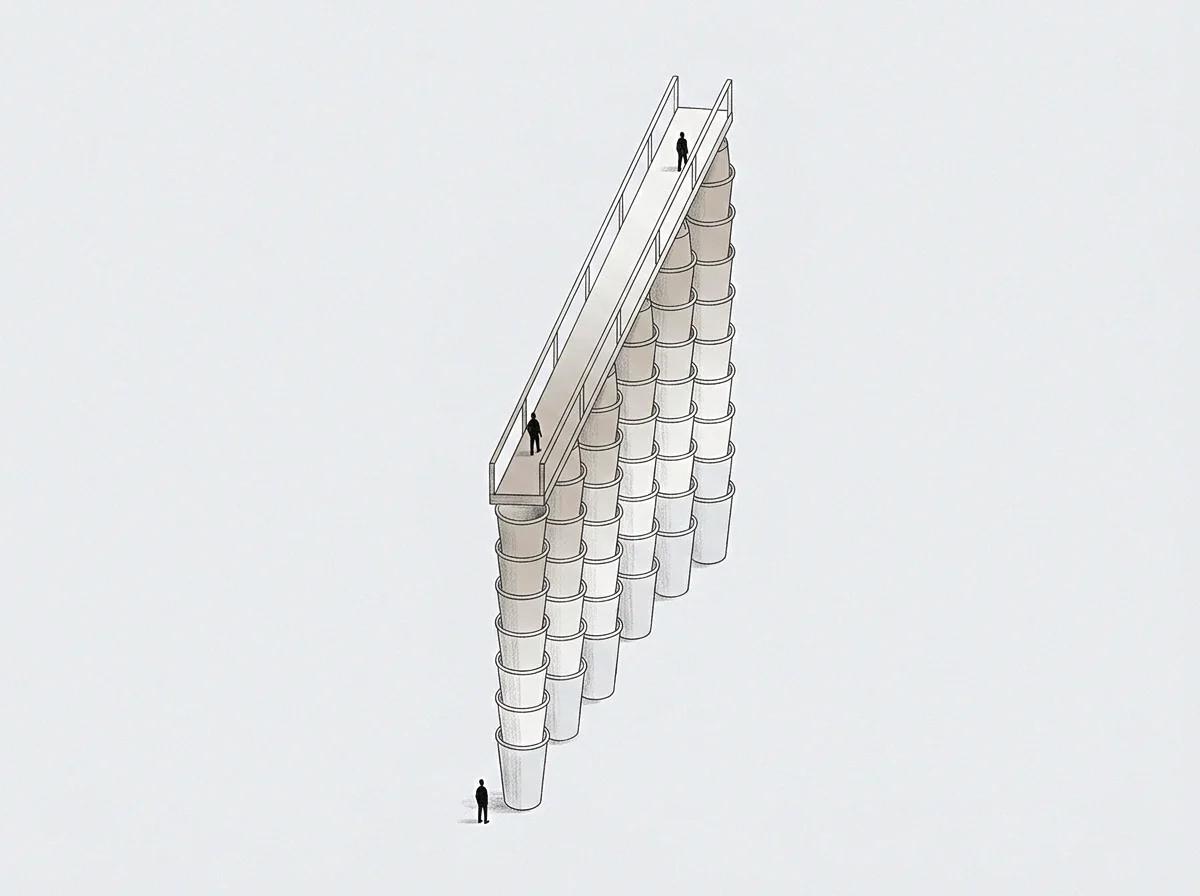
Neurochemical receptor downregulation represents the structural reduction of cellular binding sites in response to chronic over-saturation by stress hormones. Following years of intense operational pressure, receptor slot atrophy reduces nervous system sensitivity to circulating signals of reward and social safety. Such biological adaptation protects cells from toxic overstimulation while raising the threshold required to feel satisfaction or calm.
Receptor desensitization remains active until circulating hormone concentrations drop for an extended period.
Desensitization Process
Continuous flooding of synaptic clefts with cortisol or dopamine forces target neurons to internalize or degrade surface receptors. As receptor slot atrophy advances, routine business milestones no longer trigger feelings of achievement or relief. Higher doses of external validation or intense crisis management become necessary to produce baseline neural feedback.
Neural circuits adjust to chronic high stress by permanently dampening baseline responsiveness. Reduced cellular sensitivity narrows emotional range and locks the individual into a state of persistent numbness.
Operational Impact
Diminished receptor availability alters executive decision-making and risk assessment. With receptor slot atrophy present, standard motivators lose effectiveness, driving leaders toward increasingly risky ventures to achieve physiological activation. Normal social feedback from board members or team leads fails to register as reassuring.
Emotional flattening weakens interpersonal connection across executive teams.
Reversal Requirement
Rebuilding receptor density requires prolonged periods of low hormonal stimulation. Restoring normal sensitivity demands total removal from chronic stress environments. Structural recovery proceeds slowly over months of quiet routine.
Biological repair requires absolute rest.