Meaning
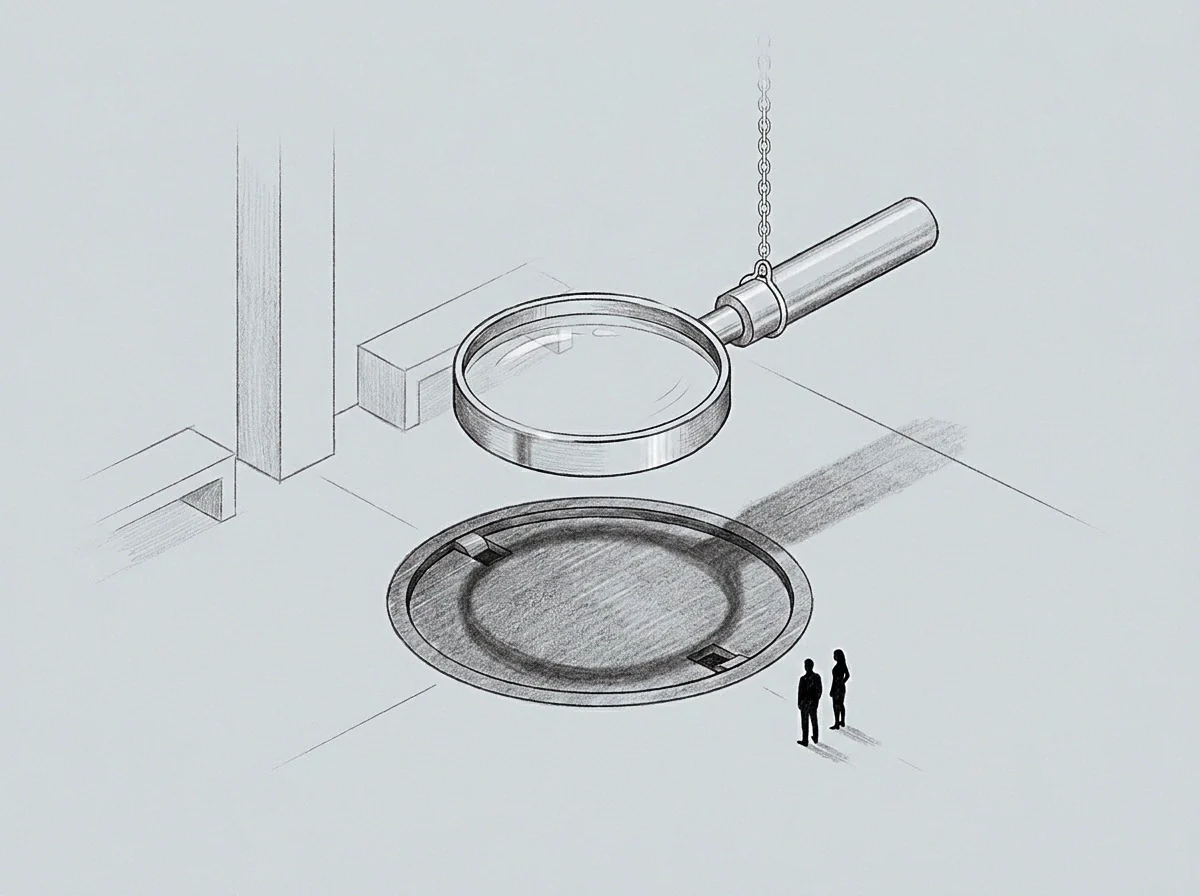
Minimum thresholds for operational output define the lower boundary of acceptable performance before corrective action is triggered. Establishing a setpoint floor ensures that even during periods of heavy allostatic load, the organization does not drop below a critical level of service or safety. It measures the baseline capacity that must be maintained at all times to ensure the survival of the firm.
The concept stops being relevant when the organization is operating well above its minimum requirements.
Minimum Threshold
Defining the absolute lowest level of performance that is tolerable prevents the gradual erosion of standards. A setpoint floor acts as a guardrail, signaling when the organization is in danger of failing its core mission. Maintaining this floor requires constant monitoring and a willingness to divert resources from growth to stability when necessary.
Regulatory Guardrail
Compliance with legal and industry standards is often tied to maintaining a certain level of performance. The setpoint floor ensures that the company remains within these boundaries, avoiding penalties and reputational damage. Monitoring the floor is a key part of the risk management strategy for any founder.
Capacity Reservation
Ensuring that there is always enough energy and attention available to meet the minimum requirements is essential for long-term stability. A setpoint floor requires the deliberate reservation of resources, even when they could be used for expansion. This focus on stability provides the foundation for sustainable growth.