Meaning
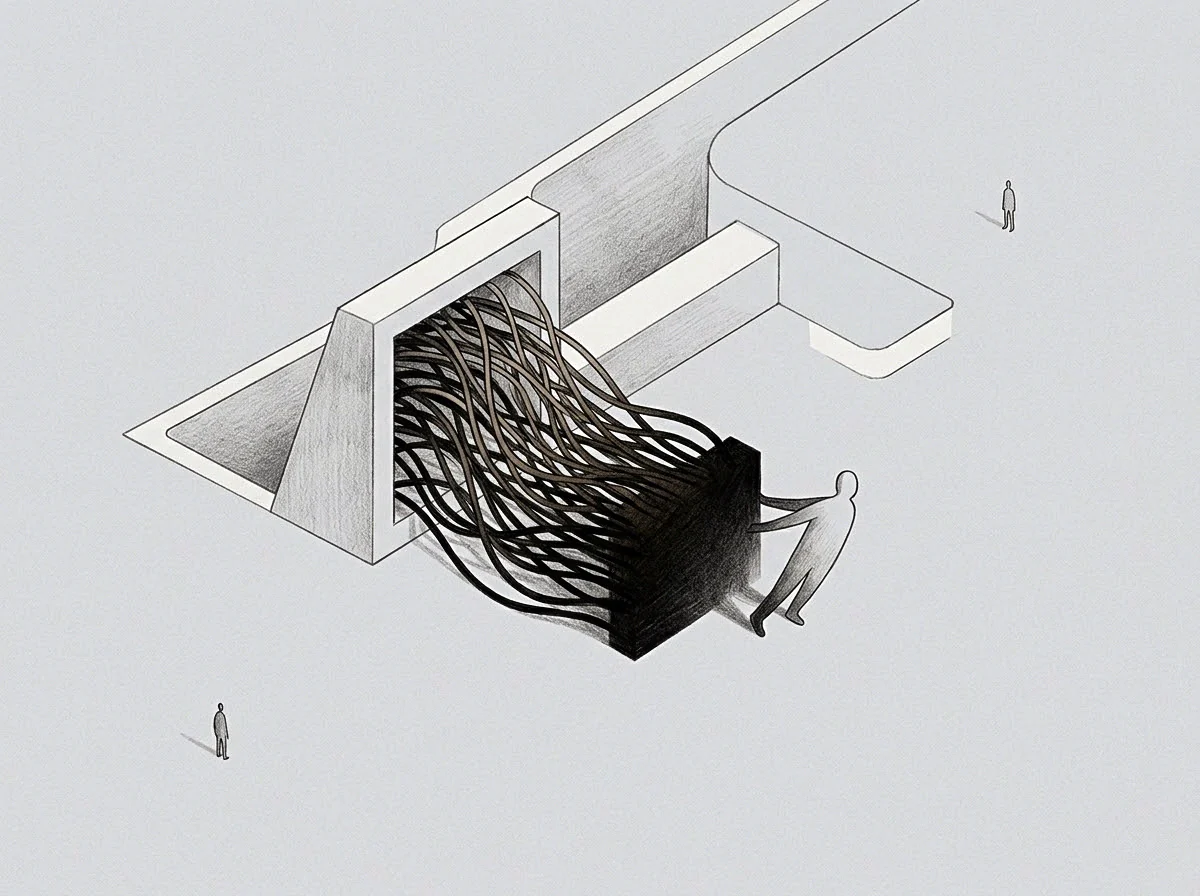
Formalized transfers of responsibility move the weight of a task from one person to another through a documented process. These structural handovers ensure that no information or accountability is lost during the transition between founders and their successors. The procedure defines the exact state of the project, the remaining risks and the required next steps.
It applies whenever a role is vacated or a major function is outsourced to a new department.
Knowledge Transfer
Documentation serves as the bridge between the outgoing leader and the incoming team. A successful set of structural handovers includes a list of all dependencies and active commitments. This prevents the new operator from having to rediscover the logic behind previous decisions.
It costs the organization hours of administrative effort to prepare but prevents months of confusion later.
Risk Management
Liability is clearly demarcated at the moment the sign off occurs. Structural handovers protect both parties by stating exactly what was delivered and in what condition. This clarity reduces the cognitive load on the founder who can finally release the task from their mental inventory.
The transition becomes a clean break rather than a lingering burden.
Continuity Protocol
Stability depends on the ability of the organization to survive the departure of its key architects. Through structural handovers, the institutional memory is preserved in the systems rather than just in the people. This ensures that the mission continues even as the individuals involved change.
The process anchors the work in a shared standard of performance.