
Structural Limit Mechanics In Scaled Founding Teams
Operational load in scaling teams flows toward unstated limits until explicit terms convert personal capacity into bounded structural architecture.
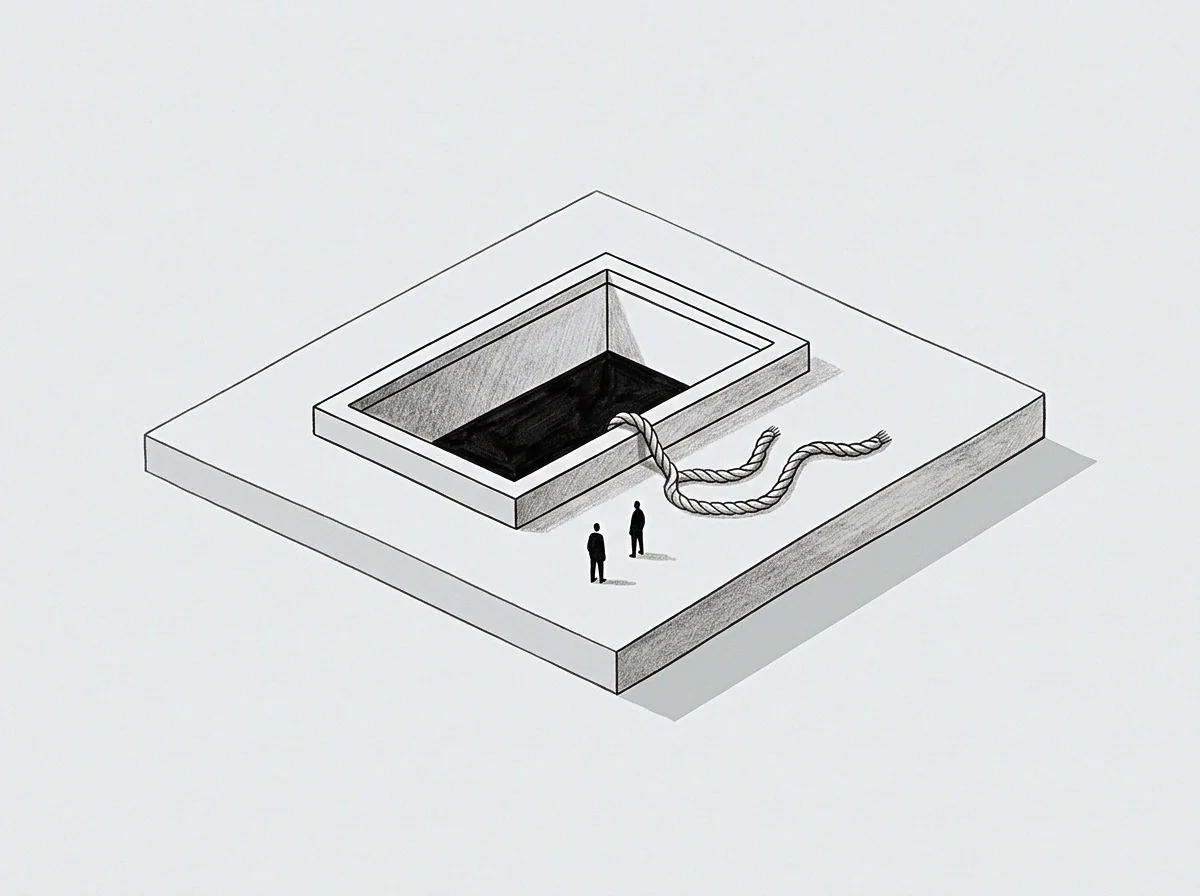
Frame
Four escalation channels light up at midnight while founder energy is already spent. Engineering needs an immediate technical call, two commercial partners want executive arbitration on stalled contract terms, and an internal lead is asking about an unbudgeted strategic pivot. Early on, personal responsiveness absorbs friction across the company.
As the organization grows, that habit turns the founder into a default destination for every unresolved decision, drawing issues upward until executive capacity breaks down.
A growing company transfers load along lines of least resistance. Without explicit limits, operational weight flows directly to whoever historically took the strain. That person’s endurance creates an artificial capacity benchmark for the entire group, masking broken delegation paths and ambiguous decision rights.
The structural problem stays hidden until physiological or cognitive limits are hit.
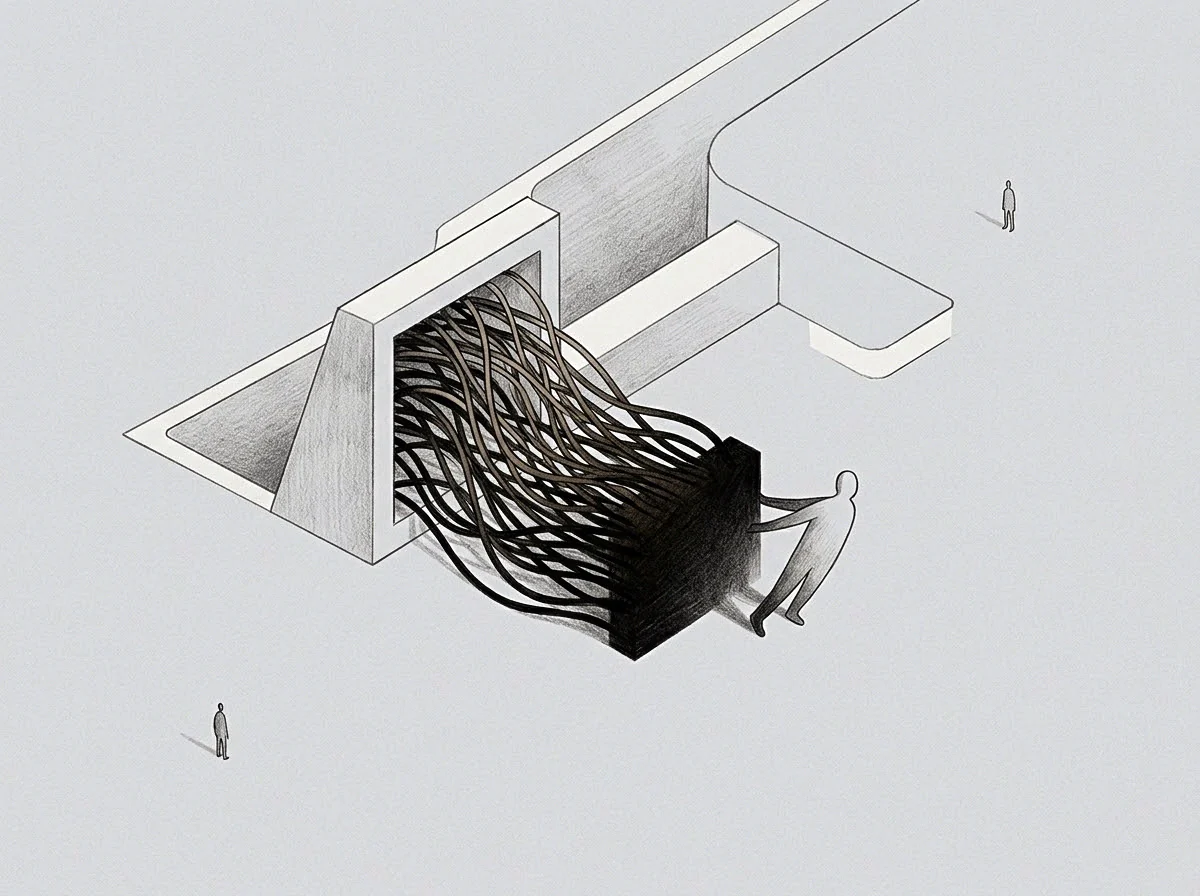
The Shift from Co-Regulation to Systemic Load
Founding teams depend on direct interpersonal calibration. Sitting in the same room lets founders align priorities through brief check-ins, visible work habits, and shared context. The operational cost of staying aligned stays manageable because proximity handles the tension directly.
Growth dismantles that arrangement. As headcounts rise and departments form, informal co-regulation stops distributing the workload. The organization needs concrete containment mechanisms, yet founders often keep operating as shock absorbers.
The system responds by routing an increasing share of operational friction straight to the founding layer.
The structural friction of an unthrottled organization always migrates to the softest personal boundary available.

Cascading Load Sequences
The drift from operational agility into systemic saturation follows a consistent pattern when limits are left unstated. The breakdown moves through five sequential phases:
- The founding layer absorbs operational ambiguities directly to maintain velocity across expanding teams.
- Unclear decision rights cause middle managers to route complex operational trade-offs back to the original founders.
- The volume of real-time incoming priority pings exhausts executive cognitive headroom, reducing strategic focus.
- Personal capacity constraints force informal throttling, resulting in erratic response times and operational bottlenecks.
- The enterprise encounters structural failure when the unbuffered load exceeds total founder processing capacity.
When an operation relies on individual stamina instead of explicit terms, efficiency degrades as the organization expands. Failing to define operational boundaries leaves the founder as a single point of failure, stalling downstream work whenever executive attention runs out.

Joint
The handoff between founder capacity and team execution determines how load moves through an expanding company. Without clear operational boundaries, friction collects at this seam, creating ongoing divergence between executive intent and actual output.
Unspoken boundaries produce contradictory expectations across the hierarchy. Leadership expects functional teams to act independently, while functional leads expect executives to remain on call for ad hoc arbitration. This mismatch leads to delayed decisions and operational drag across departments.
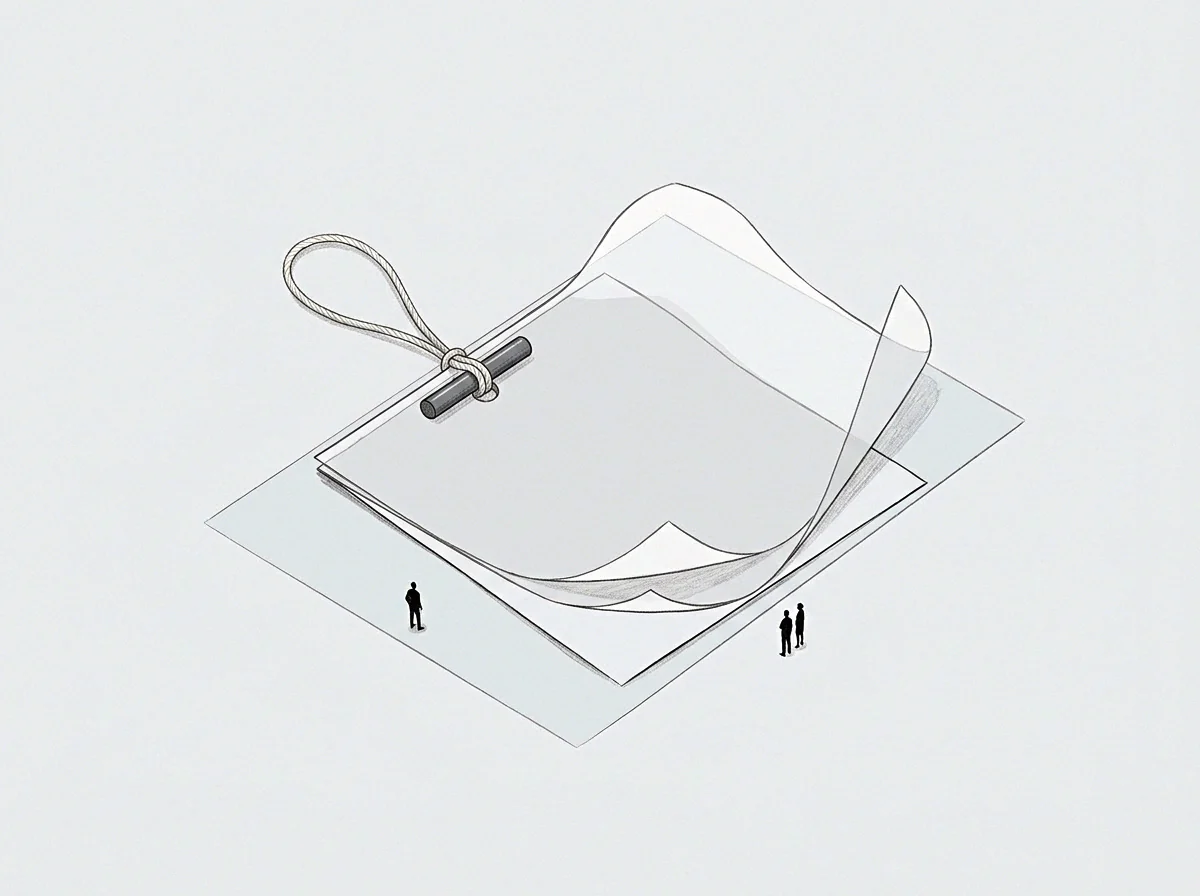
Structural Mechanics at the Execution Interface
Interface design determines whether an organization scales through explicit authority or relies on constant executive rescue. When decision thresholds remain unwritten, managers default to upward risk transfer. This pattern shields mid-level operators from operational responsibility while consuming executive capacity with routine choices.
Moving past individual buffering requires defining concrete operational handovers. These handovers outline exact thresholds for decision authority, financial expenditures, and formal escalations. Establishing these parameters turns executive time into a structured operational asset rather than an open resource.

Comparative Capacity Load Models
Organizations either absorb operational flow through direct human buffering or manage it through defined structural limits. The operational properties of the two models differ across key functional metrics.
| Evaluation Metric | Direct Human Buffering Model | Stated Structural Limits Model |
|---|---|---|
| Load Allocation Strategy | Absorbed continuously by founding layer capacity | Distributed across formal operational boundaries |
| Ping Frequency & Volume | Unthrottled real-time messaging across all channels | Filtered through explicit escalation protocols |
| State Visibility | Inferred subjectively through founder mood and responsiveness | Measured objectively through defined operational metrics |
| Downstream Failure Mode | Abrupt executive exhaustion and systemic paralysis | Localized functional friction requiring term adjustments |
| Data represents observational patterns across scaled venture-backed executive management structures. | ||
Setting explicit boundaries moves an organization from constant firefighting to systematic execution. Functional teams run within defined remits, while executive leadership retains the cognitive bandwidth needed for resource allocation.
When operational boundaries are explicitly defined, systemic availability is calculated directly from established terms rather than inferred from response speed.
Executive availability was rarely guaranteed in writing, yet putting structural limits in place often registers with functional teams as an unexpected withdrawal of support.

Ping
Priority setting across modern teams often defaults to continuous message streams. The frequency, speed, and volume of inbound pings turn into an informal proxy for organizational urgency. In environments without message thresholds, high-volume channels override deliberate planning, forcing executives into constant reaction.
Notification volume drains cognitive capacity. Continuous alerts maintain nervous system arousal, sustaining cortisol release and accelerating mental fatigue. An inability to filter real-time messages fragments deep analytical work.

What Signal Arrives When Channels Fall Silent?
Silence inside an operational channel points to different underlying conditions depending on how the system is built. In an unthrottled organization, silence usually means processing delays, confusion, or founder exhaustion. Teams read quiet channels as a bottleneck, which creates hesitation and slows execution.
In an organization operating under defined limits, silence reflects autonomous execution within agreed parameters. When clear boundaries exist, fewer pings mean functional leads have the authority, budget, and clarity to operate without checking in. Silence shifts from a warning sign into an indicator of operational health.

Asynchronous Priority Derivation
Effective communication architectures separate urgency from immediacy. Asynchronous channels allow uninterrupted focus while setting standard response windows for routine inquiries. Teams learn to derive daily priorities from roadmaps rather than waiting for real-time executive direction.
Independent prioritization depends on clear escalation criteria. When team members know the specific triggers that warrant direct executive contact, message volume drops. That filter protects leadership attention and speeds up operational decisions downstream.
Continuous channel activity reflects unclear decision boundaries rather than high organizational productivity.
Whether quiet communication channels indicate smooth operational autonomy or unaddressed execution issues remains a primary diagnostic question for management teams.

Bound
A stated boundary serves as an objective structural rule rather than a personal preference. When a limit is communicated as an operational constraint, it creates a fixed parameter that organizational workflows must adapt around. Systems probe boundaries continuously until those limits hold firm.
Unstated limits invite persistent pressure. When leadership enforces boundaries irregularly based on current energy or mood, teams keep asking for exceptions. Consistent application turns a boundary from an ongoing negotiation into an accepted operating constraint.

The Stated Wall as an Operational Object
Operational constraints protect core executive capacity from routine demands. Setting these constraints requires clear lines around calendar allocation, core focus areas, and direct involvement in daily execution. The constraint acts as a filter, requiring functional teams to address operational friction before escalating upward.
Stress physiology shows that ongoing exposure to unpredictable, unbuffered demands produces chronic allostatic overload. Allostatic load reflects the cumulative physical strain caused by sustained neuroendocrine responses to stress. In founders, elevated allostatic load reduces decision quality, impairs executive function, and accelerates fatigue.
Establishing structural walls moderates this physiological accumulation, preserving cognitive capacity over time.
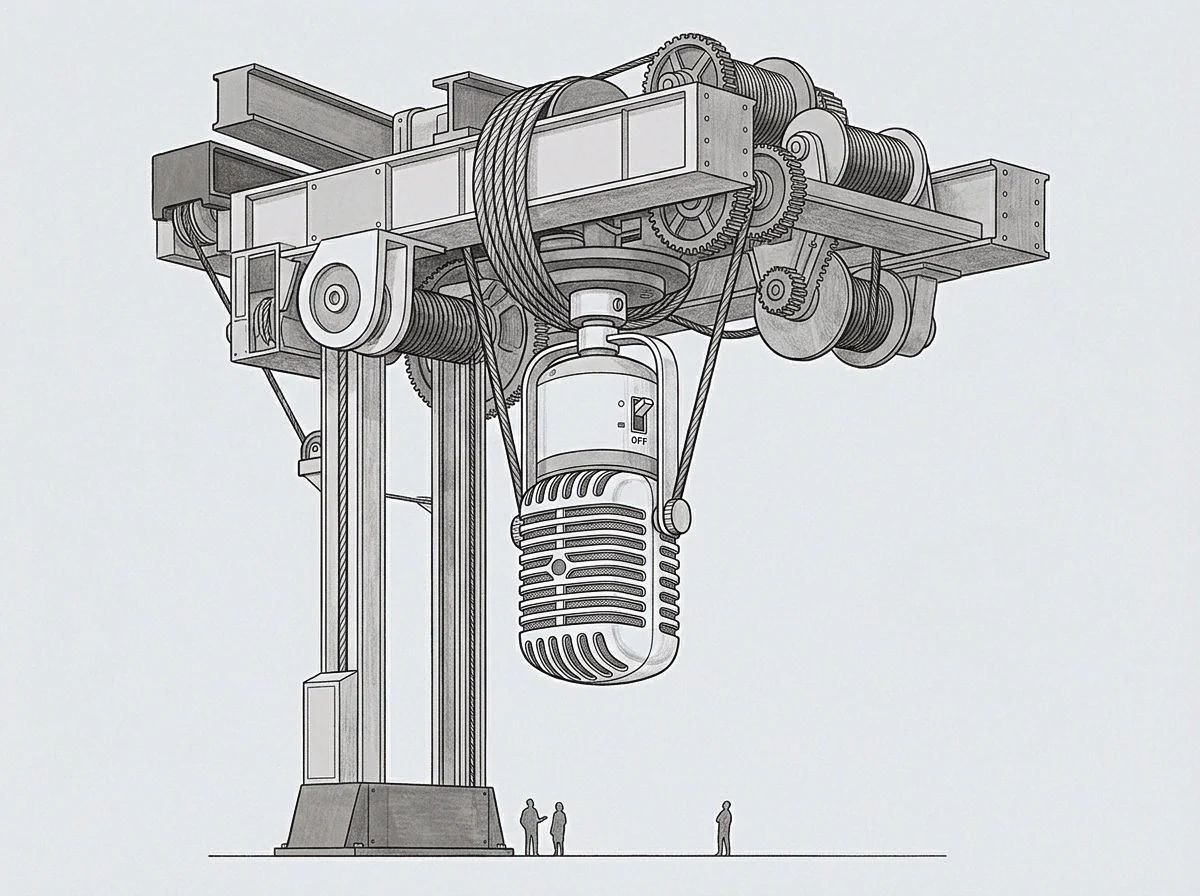
State-Gated Operational Constraints
Execution capacity shifts with physical, cognitive, and organizational conditions. Accounting for state-gated limits prevents executive exhaustion and operational errors. These parameters establish capacity limits across core domains:
- Cognitive Processing Headroom defines the total complex decision volume an executive can process daily before strategic choices suffer measurable degradation.
- Temporal Allocation Limits establish non-negotiable temporal boundaries reserved exclusively for deep strategic planning and operational reflection.
- Escalation Threshold Terms specify the financial, reputational, or strategic criteria required before an issue enters executive communication channels.
- State-Gated Approval Rights restrict major capital allocations or strategic pivots during periods of severe cognitive saturation or physical depletion.
Separating state-gated limits from deliberate policy choices is necessary for sustainable operations. State-gated capacity depends on biological and cognitive headroom, where additional effort cannot overcome physical fatigue. Policy-based rules stem from planned operational decisions and operate independently of immediate physical state.
When escalation protocols require a mandatory seventy-two hour cool-down period before addressing non-critical strategic pivots, volatility decreases across all operating departments.

Yield
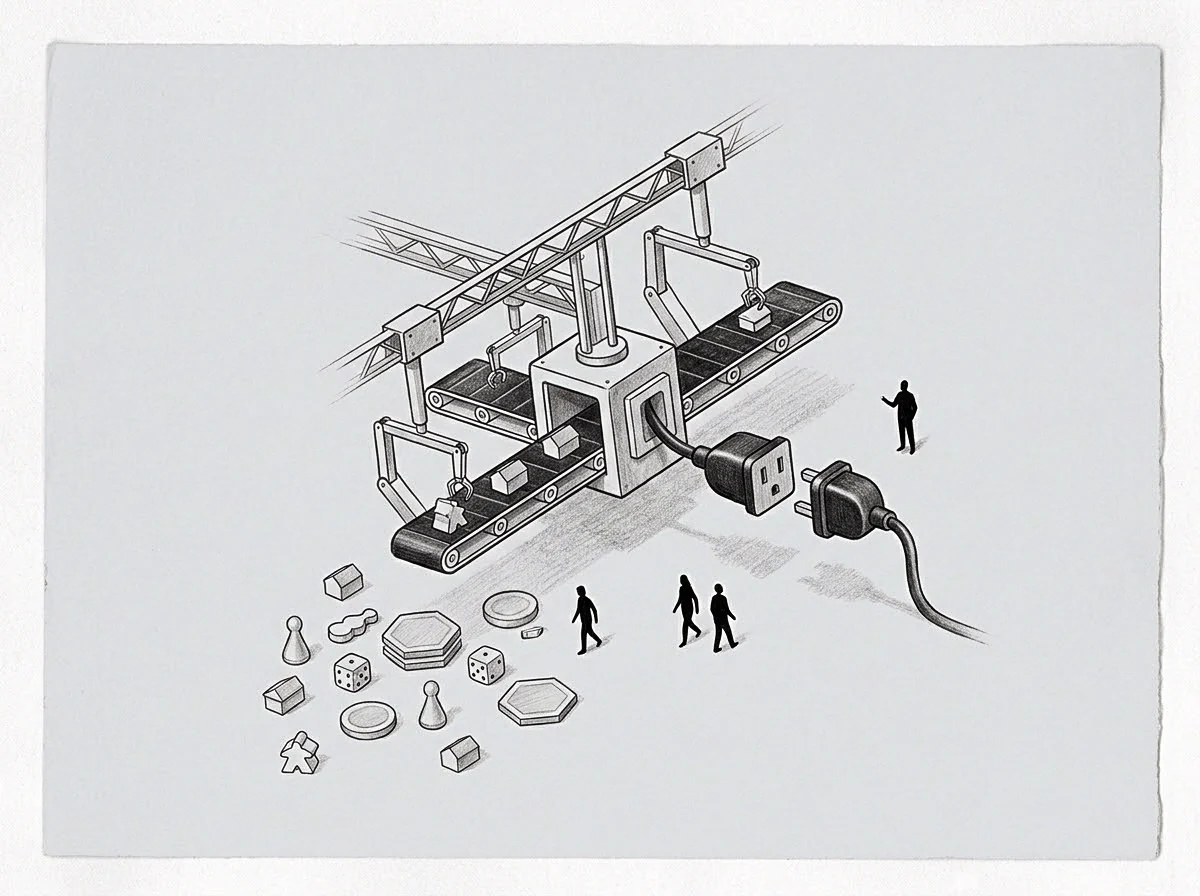
Available executive capacity reflects the ratio between incoming operational demands and established structural boundaries. As an organization matures, availability stops functioning as an open-ended resource. It becomes a controlled output produced by clear system design, defined delegation, and maintained limits.
In mechanical engineering, the yield point marks the precise stress level where a material moves from elastic deformation into permanent structural damage. Up to that yield threshold, steel absorbs dynamic loads and returns to form when the force subsides. Past that point, the internal structure shifts permanently, weakening the material even after the load is removed.
Founding teams face the same physical constraint, needing clear operational boundaries before sustained pressure causes lasting capacity loss.
Derived Availability in System Architecture
Derived availability represents real operational capacity rather than forced responsiveness. When leaders protect their time through structural rules, their input during critical situations is far more effective. The organization operates with greater certainty knowing executive interventions carry undivided focus and clear authority.
Maintaining derived availability requires ongoing operational maintenance. Communication parameters must be revisited regularly as the company grows. As functional leads build capability, delegation thresholds widen, freeing additional leadership capacity for organizational development.

Sustainable Capacity Distribution
Distributing workload across a growing company means moving away from individual shock absorbers toward systematic operational structures. This change requires direct communication, consistent boundaries, and reliable delegation paths. The company gains stability when operational continuity depends on system design rather than personal stamina.
Maintaining defined positions allows downstream leads to calculate executive availability accurately. When functional teams understand exact leadership boundaries, they develop internal problem-solving routines instead of relying on upward escalation. This shift improves operational competence and supports scalable growth.
True operational resilience emerges when systemic capacity is governed by clear structural bounds rather than continuous personal sacrifice.
Personal capacity boundaries stated clearly once without defensive framing take far less energy to maintain than ambiguous limits defended repeatedly against everyday organizational pressure.