Meaning
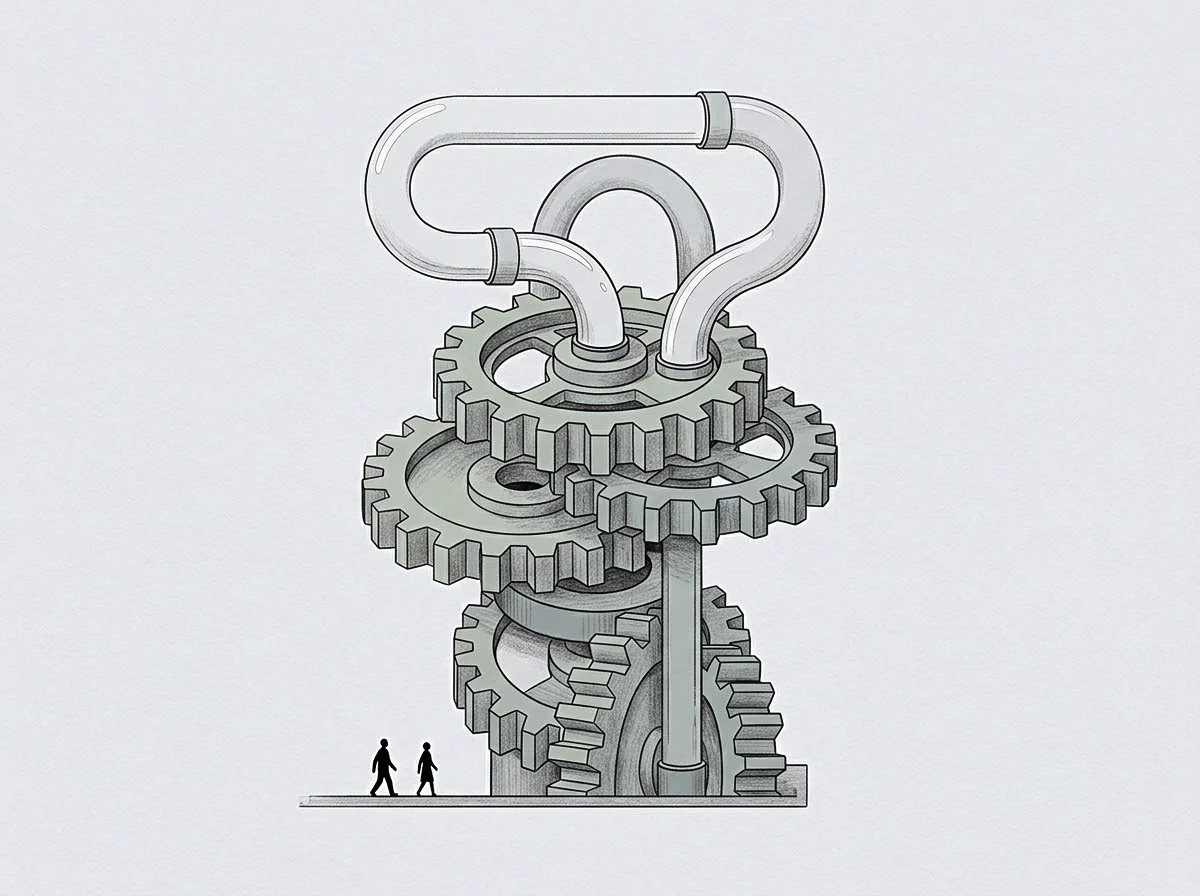
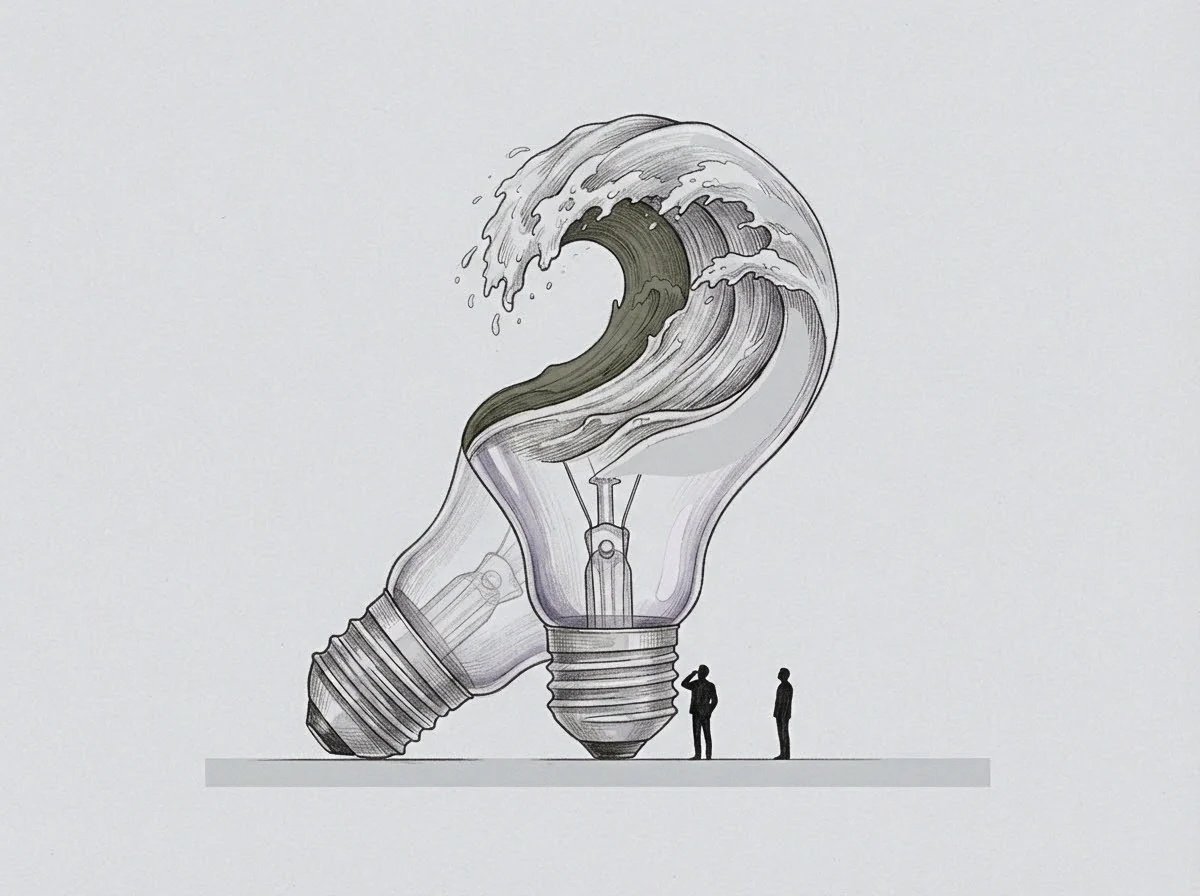
An organizational inertia represents the collective tendency of a business system to maintain its current processes despite leadership’s efforts to change them. This phenomenon, known as structural resistance, arises from established routines, employee habits, and misaligned incentives. It limits the speed at which a company can adapt to market shifts or strategic pivots.
Overcoming this barrier requires a deliberate reallocation of resources and attention.
Incentive Alignment
Employees prioritize tasks that are tied to their performance evaluations and bonuses. When structural resistance prevents the adoption of new methods, it is often because the legacy incentives still reward the old behavior. To break this resistance, leadership must change the reward systems to match the new goals.
This alignment reduces the effort required to drive operational adoption.
Cultural Baseline
Established habits form a strong psychological anchor for team members. This inertia is the natural consequence of human learning patterns that favor predictability. Founders must understand this baseline before attempting major operational changes.
System Overhaul
Dispersing deep seated habits requires a systematic redesign of workflows across the entire company. This process is costly in terms of management attention and hours, as leaders must supervise the transition closely until the new routines are fully established. Transitioning to a new state involves removing the old tools and infrastructure to prevent any return to legacy habits by team members.
Once this new baseline is established, the organization operates with renewed focus and efficiency.