Meaning
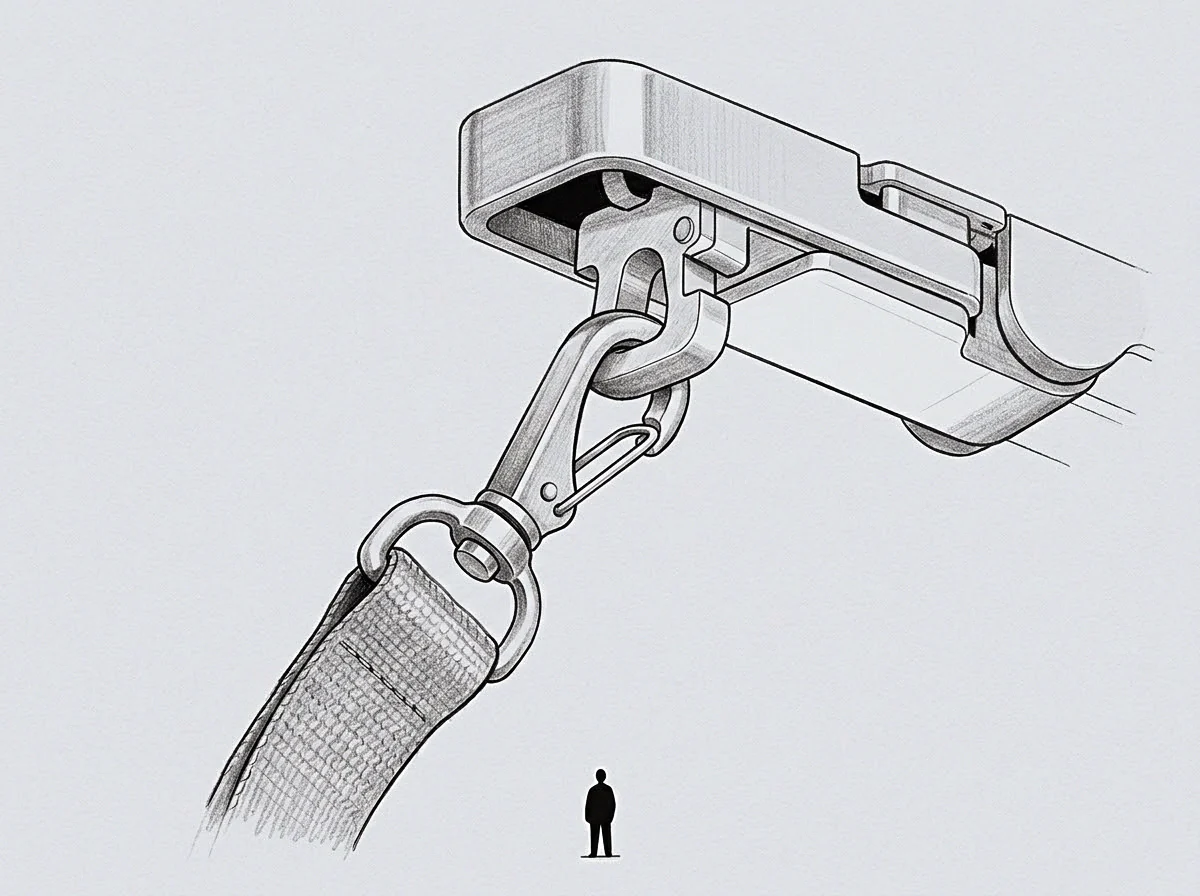
Slower operational pace within a growing company occurs when the founder remains too involved in daily decision making rather than delegating authority to the team. This supervisory drag represents the hidden cost of a leader’s reluctance to trust their staff, where every decision requires executive sign-off. As the number of employees grows, the founder’s attention is spread thinner and thinner, creating a bottleneck that delays projects and frustrates the team.
It is a common problem in companies that scale rapidly without establishing a formal management layer.
Management Friction
The presence of this bottleneck leads to a decline in the team’s motivation and a slower rate of execution. Under the weight of supervisory drag, talented employees find themselves unable to act without approval, which destroys their initiative and sense of ownership. The founder, in turn, is overwhelmed by the constant stream of minor requests, leaving no time for strategic planning.
This feedback loop of frustration and delay reduces the overall efficiency of the company and limits its ability to respond to new market opportunities.
Founder Impairment
Administrative fatigue and the loss of creative energy are the direct personal costs of this constant oversight. As supervisory drag consumes more hours and mental capacity, the founder is forced to spend their days in endless status updates and micro-management. This routine work drains the creative drive that was the original source of the company’s competitive advantage.
The executive becomes trapped in a reactive mode of leadership, unable to step back and look at the big picture.
Organizational Bottleneck
Breaking this cycle requires the leader to deliberately delegate decision-making power to other members of the executive team. When the organization moves away from this dependency, the founder can reclaim their role as a strategic visionary and focus on long-term growth. This transition requires a commitment to trust and a willingness to accept that others may do things differently.
The establishment of clear guidelines for which decisions require approval allows the team to move faster and reduces the burden on the founder. It enables the company to operate at a scale that is no longer limited by the waking hours of its creator. This shift is essential for any business that aims to transition from a startup to an established enterprise.