
Establishing Dynamic Allostatic Load Constraints Across Multi-Tier Supervisory Architectures Under High Expansion Volume
Dynamic allostatic load constraints protect multi-tier supervisory architectures through automated throttling and hard concurrency limits during volume spikes.
Duct
Inside an operational tier holding four escalation channels open simultaneously during a volume spike, processing capacity breaks before message queues clear. The capacity breaks first. Supervisors absorb excess variance when incoming operational demands accelerate faster than frontline teams can resolve them.
Without explicit throttling boundaries, dynamic escalation paths transform human managers into structural sinks for operational tension.
Supervisory Escalation Under Volume Spikes
Multi-tier supervisory architectures distribute governance tasks across distinct operational layers. Under nominal conditions, frontline staff handle routine execution while higher tiers manage exception handling, resource allocation, and strategic direction. Expansion volume alters this division of labor.
Rapid increases in transactions or customer interactions generate proportional increases in operational edge cases. These edge cases flow upward through established supervisory channels.
When exception volume surges, higher-tier supervisors become saturated with tactical decision requests. The cognitive load required to evaluate each non-standard event consumes the time allocated for strategic oversight. Supervisors spend their operational shifts resolving immediate friction points.
This functional compression degrades decision quality across all tiers. The system relies on human flexibility to absorb operational friction, converting structural architecture problems into individual physiological strain.
The Failure of Manual Capacity Balancing
Organizations routinely attempt to mitigate supervisory overload through informal rebalancing. Managers encourage staff to exercise discretion, prioritize urgent items, or communicate directly across organizational siloes. These manual adaptations depend on discretionary effort rather than defined operational limits.
Supervisors attempt to manage excess load through extended working hours, accelerated context switching, and continuous availability.
When four operational channels ping a single supervisor simultaneously, throughput falls to zero while stress markers peak.
Manual balancing fails under sustained volume spikes because human cognitive capacity operates within fixed neuroendocrine constraints. Sustained high-demand environments trigger chronic activation of biological stress responses, shifting the physiological baseline from acute adaptation to cumulative strain. Noise masks the priority signal.
As supervisors approach maximum allostatic capacity, executive functioning, working memory, and emotional regulation decline predictable amounts. Informal load management strategies standardise high-stress behaviors as operational norms, obscuring structural capacity deficits until severe operational failures occur.
Operational supervisory systems exhibit specific failure modes when operational volume exceeds supervisory bandwidth:
- Supervisory saturation occurs when incoming exception streams outpace cognitive processing speed, causing exponential delays in queue clearance.
- Cooperative coregulation collapse develops when elevated stress levels prevent managers from offering baseline regulatory support to subordinate teams.
- Covert deferral manifests when supervisors quietly delay complex decisions, accumulating unmonitored liabilities while maintaining the appearance of full availability.
Ignoring structural channels leads directly to cumulative supervisory fatigue, operational drift, and systemic dropouts across expansion cycles.
Threshold
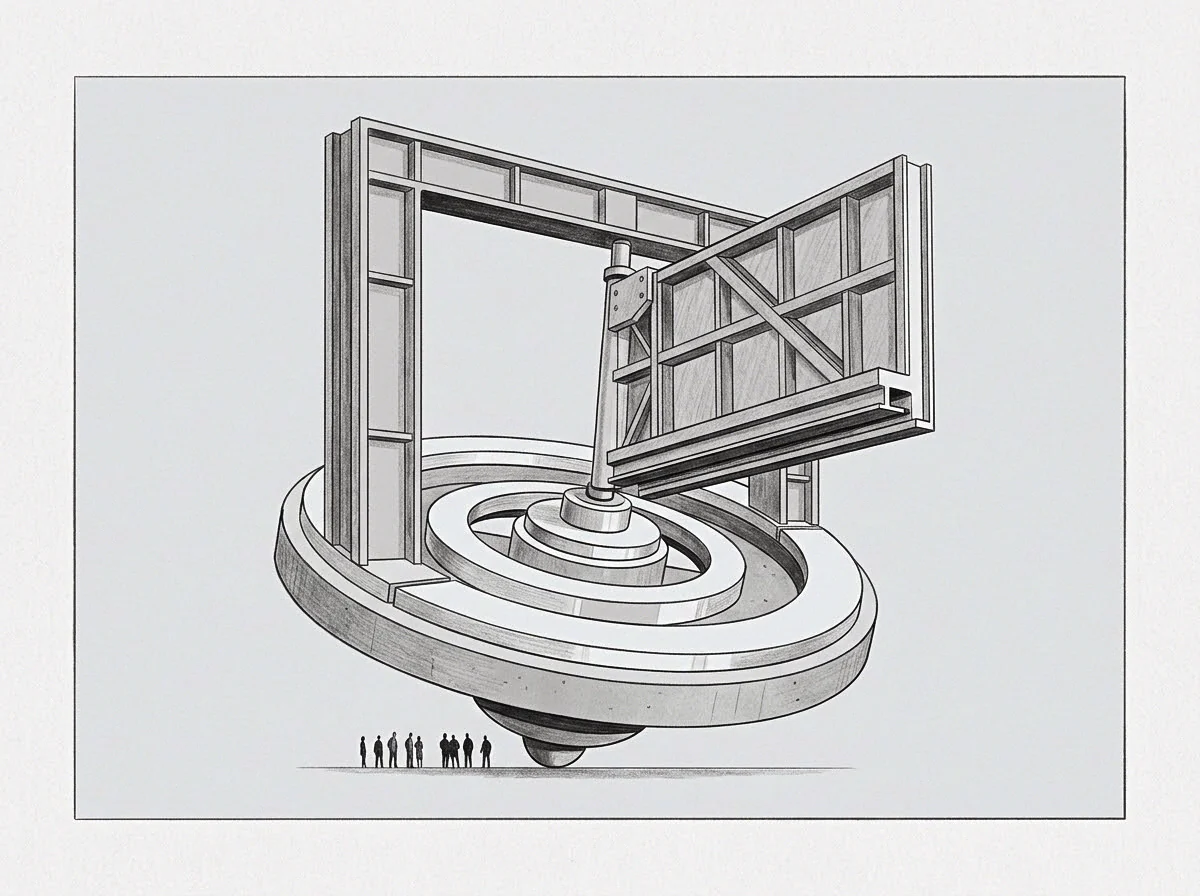
Allostatic load describes the physiological cost of continuous adaptation to chronic operational demands. When supervisory nodes experience uninterrupted escalation requests, biological systems maintain elevated cortisol and catecholamine levels to sustain high performance. Elevated setpoints alter decision criteria.
Over time, this sustained mobilization resets the body baseline physiological parameters, creating a state of hyper-vigilance termed allostatic load. Mood carries no structural information. State dictates actual transfer capacity.
Allostatic Capacity Limits Across Operational Nodes
In multi-tier supervisory architectures, allostatic load accumulates unevenly across structural layers. Tier-one supervisors experience high-frequency, low-severity stress triggers through continuous frontline interruptions. Higher-tier managers experience lower-frequency, high-severity stress triggers through complex escalations and multi-million-dollar tradeoff decisions.
Both patterns induce significant physiological strain when operational expansion eliminates recovery periods.
Supervisory capacity decays nonlinearly whenever input volume remains above baseline for longer than ninety minutes.
The cumulative biological cost alters supervisory decision-making dynamics. Supervisors operating under elevated allostatic load demonstrate a measured shift toward risk aversion, short-term outcome bias, and cognitive rigidity. They favor immediate risk mitigation over long-term optimization.
The human supervisor functions as a variable transfer function whose processing rules change based on physiological state. Operational throughput calculations that assume constant supervisory capacity fail to account for this biological degradation cycle.
System recovery speed always scales with the promptness of load shedding rather than the duration of subsequent rest.
Bypass
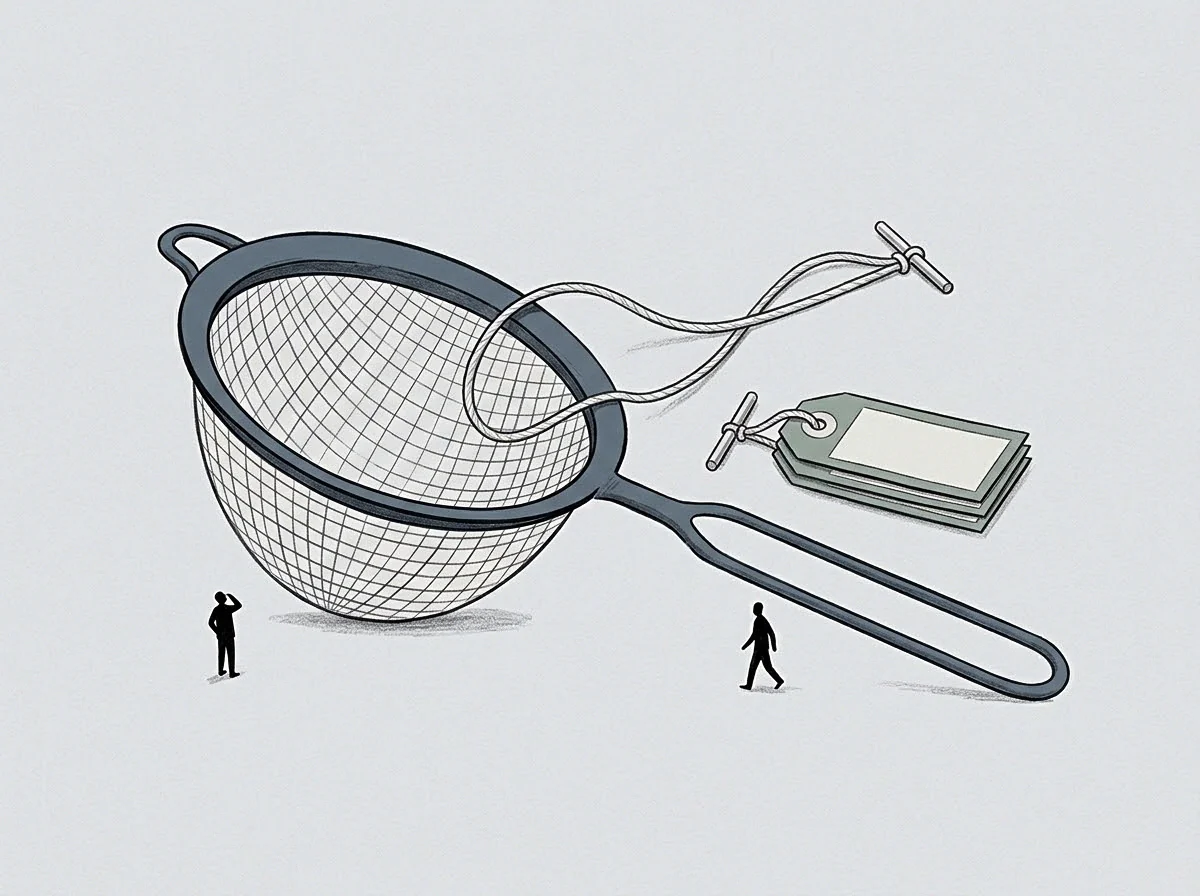
Dynamic dynamic load shedding requires automated throttling mechanisms that intercept escalation traffic before human supervisory thresholds break. Throttling prevents architecture collapse. When exception volume reaches predefined critical limits, the supervisory architecture must redirect, batch, or automatically resolve incoming requests.
Concurrency limits establish hard numerical boundaries on the number of active escalations a single supervisory node can handle concurrently.

Structural Throttling and Concurrency Limits
Implementing concurrency limits forces operational teams to establish explicit priority criteria for human escalation. When a supervisory queue reaches capacity, additional escalation attempts trigger automated fallback protocols. These protocols route non-critical exceptions to automated rules engines, return low-risk decisions to frontline staff with expanded authority windows, or enforce temporary processing holds at operational intake points.
State gates restrict available choices.
Operational architectures that enforce strict concurrency limits prevent supervisory nodes from entering burnout cycles. By capping the incoming load, the system guarantees that human supervisors retain the cognitive capacity necessary for complex, high-stakes decisions. Throttling acts as a protective governor, maintaining supervisory output quality at the expense of temporary delays in lower-priority operational streams.
Which Tier Holds Escalation Velocity under Volume Spikes?
Escalation velocity varies significantly depending on structural tier positioning, governance parameters, and available automated interventions. The table below illustrates structural parameters across supervisory tiers during sustained operational expansion.
| Tier Level | Concurrency Cap | Latency Impact | Load Transfer Function | Primary Failure Mode |
|---|---|---|---|---|
| Tier-1 Frontline Direct | 8 Active Exceptions | Low (Under 15 Mins) | Automated Rule Bypass | Decision Fatigue Dropping Quality |
| Tier-2 Operational Supervisory | 4 Active Escalations | Moderate (1 to 4 Hours) | Horizontal Load Distribution | Queue Saturation and Delay Drift |
| Tier-3 Executive Governance | 2 Active Strategic Reviews | High (24 to 48 Hours) | Hard Operational Halt | Allostatic Burnout and Isolation |
System stability depends on enforcing tier-specific capacity limits before operational volume drives supervisory nodes into exhaustion. Inserting a hard concurrency cap of four active escalations per supervisory node alters the load-transfer dynamics across the entire expansion pipeline.
Brake
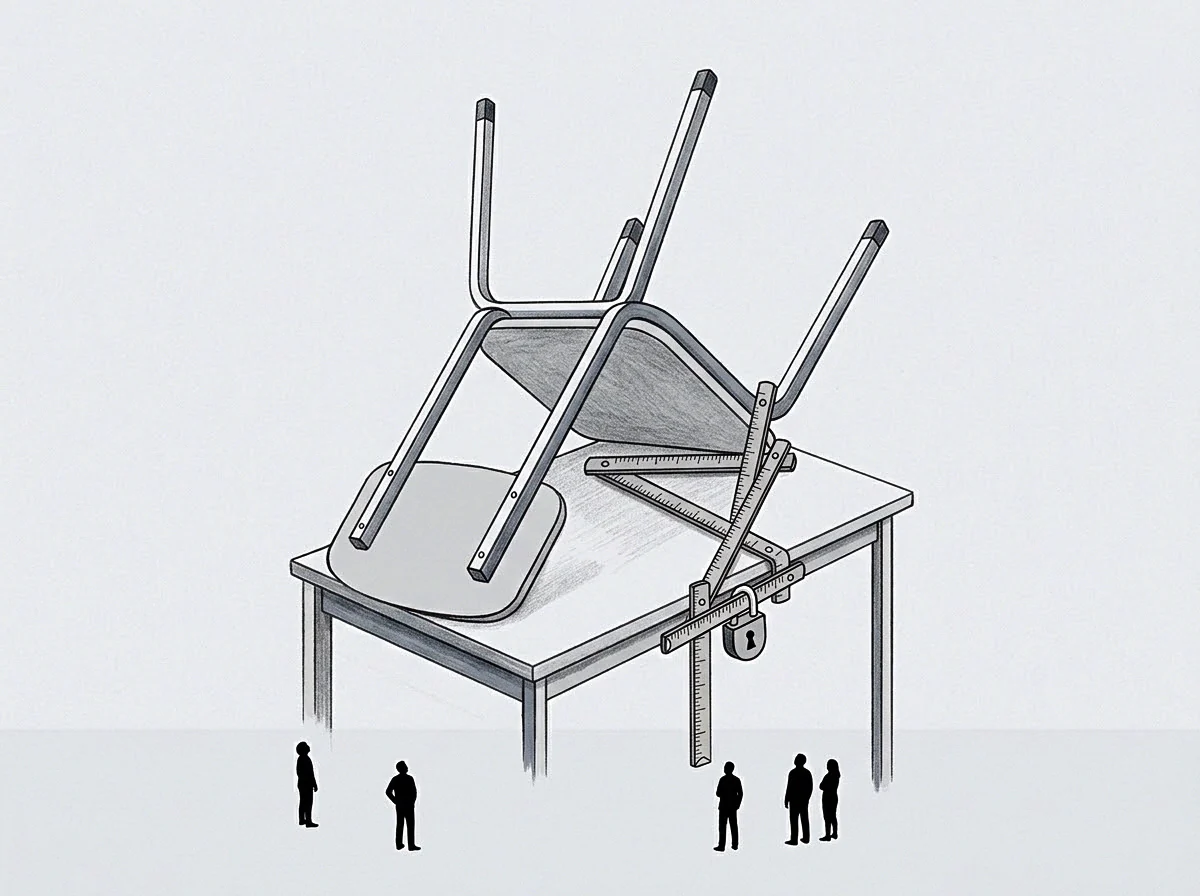
State-gated acts depend entirely on current physiological and cognitive capacity rather than conscious operational intent. Decisions cannot overrule physical depletion. A supervisor can decide to review fifty pending operational requests, but if their cognitive state is compromised by severe allostatic load, the biological machinery required for complex decision-making remains unavailable.
Decision-gated acts respond to conscious choice; state-gated acts remain inaccessible until physiological baseline capacity restores.
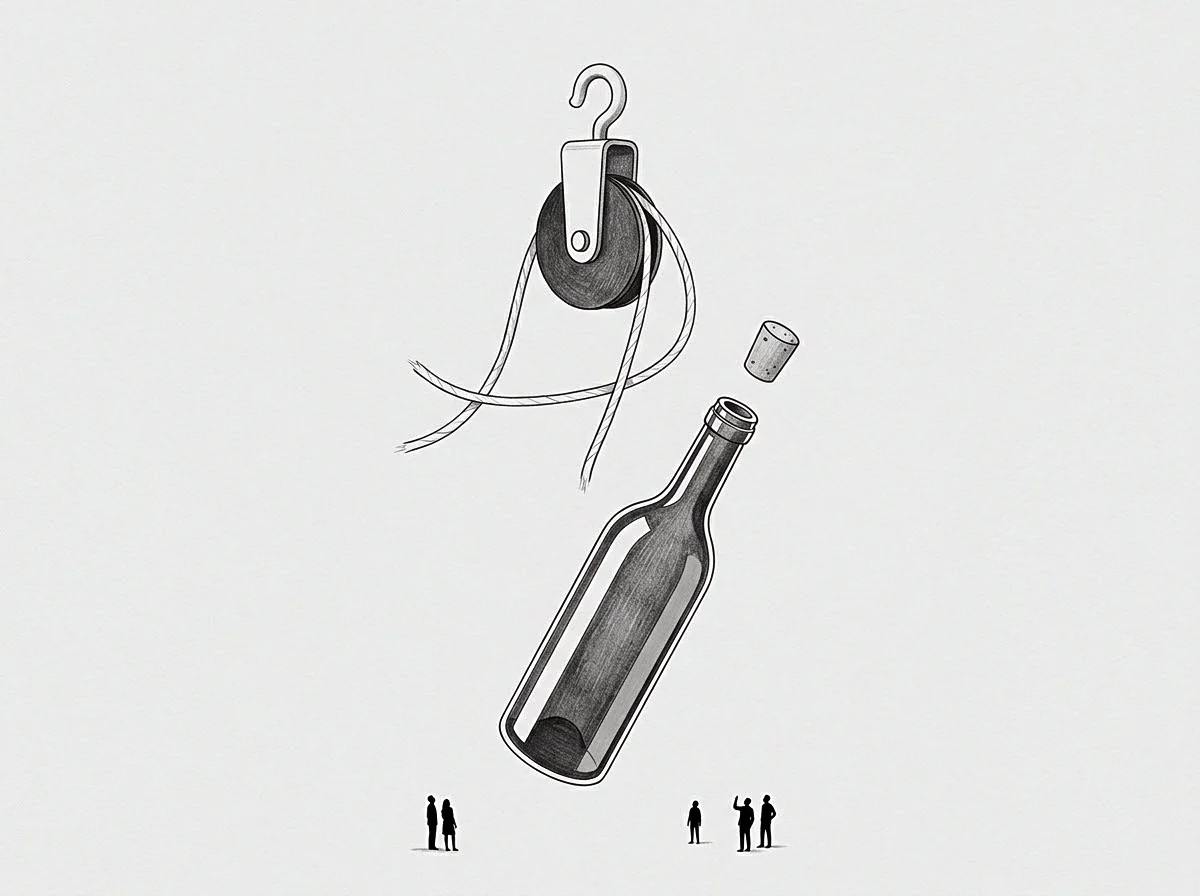
State Gated Acts Versus Decision Gated Actions
Supervisory architectures often mistake state-gated failures for motivational or discipline deficits. Organizations attempt to solve throughput bottlenecks by issuing mandates, setting aggressive response targets, or increasing performance monitoring. These interventions increase the external pressure on already saturated supervisory nodes.
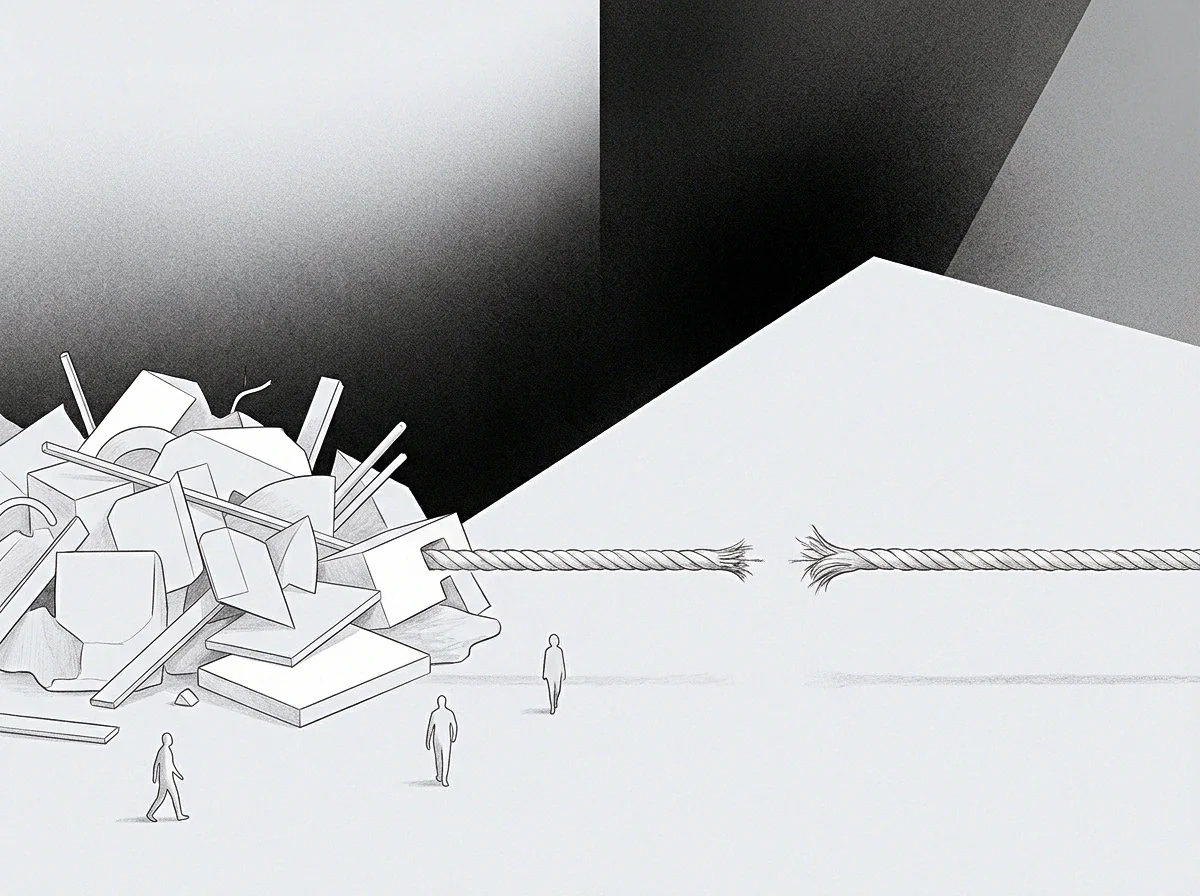
The brake acts automatically.
A decision attempted against an active state gate burns supervisory reserve without moving the operational object.
To establish dynamic allostatic load constraints, supervisory architectures must incorporate automated structural brakes that enforce recovery intervals and capacity restrictions.
- The operational load exceeds the stated concurrency limit across two consecutive shift periods.
- The supervisory node triggers automatic load sheds by routing non-critical approvals back to unit originators.
- Operational parameters enforce a twenty-minute recovery period before accepting new exception requests.
Automated brakes preserve supervisory capacity by converting implicit human exhaustion limits into explicit operational system rules. Whether multi-tier architectures can dynamically detect hidden state depletion before supervisory error rates spike remains an open problem in operational control theory.
Plate
Stating operational limits as explicit physical walls removes the personal friction associated with supervisory refusal. The wall holds the position. When a manager says they are personally overloaded, the system interprets the statement as an individual boundary negotiation.
The organization responds by offering assistance, demanding resilience, or reallocating tasks informally. Silence communicates available bandwidth.
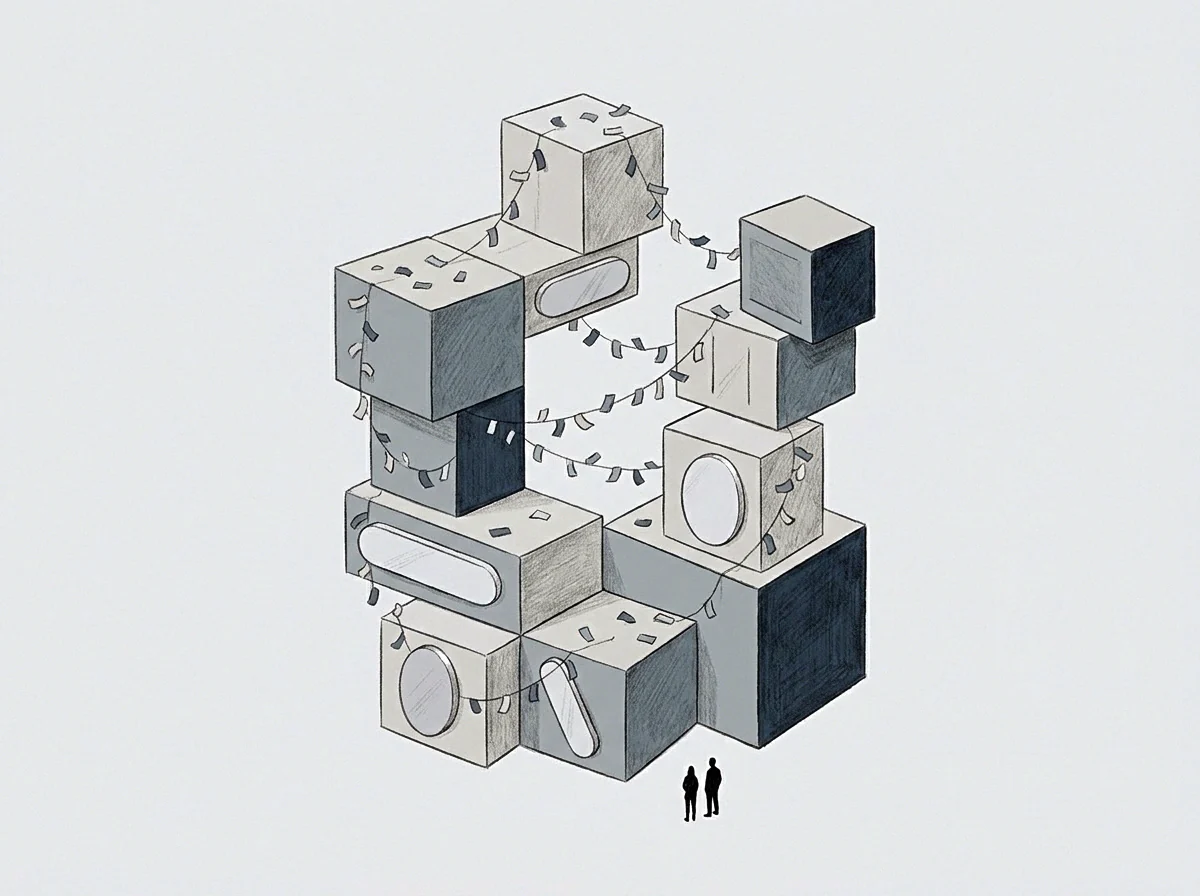
Stated Limits as Operational Walls
When an operational limit is stated as a structural property of the architecture, it behaves like an immovable wall. Position precedes operational availability. A rule specifying that Tier-2 supervisors accept no more than four concurrent escalations is an architecture specification.
The system must adapt to the rule, redirecting excess volume or adjusting intake speeds automatically.
A stated limit converts a personal struggle into an operational wall that external systems must navigate around.
Borrowed Regulation and the Ping Signal
Supervisory nodes in multi-tier systems provide coregulation to subordinate teams. A calm, decisive supervisor stabilizes frontline staff, lowering their operational anxiety and improving autonomous decision quality. This borrowed regulation reduces overall operational friction.
When a supervisor operates under severe allostatic strain, coregulation fails, spreading physiological stress downward through the organization.
The ping signal serves as the primary metric of channel priority. High-frequency digital messaging creates continuous micro-interruptions that prevent supervisory nodes from entering focused cognitive states. Systems that allow unthrottled pinging force supervisors into perpetual reactive modes.
Establishing communication protocols where non-urgent updates route through asynchronous, batched channels preserves supervisory bandwidth for strategic management.
The supervisory node is offline until tomorrow morning, so the exception queue will be cleared by the secondary automated handler.