Meaning
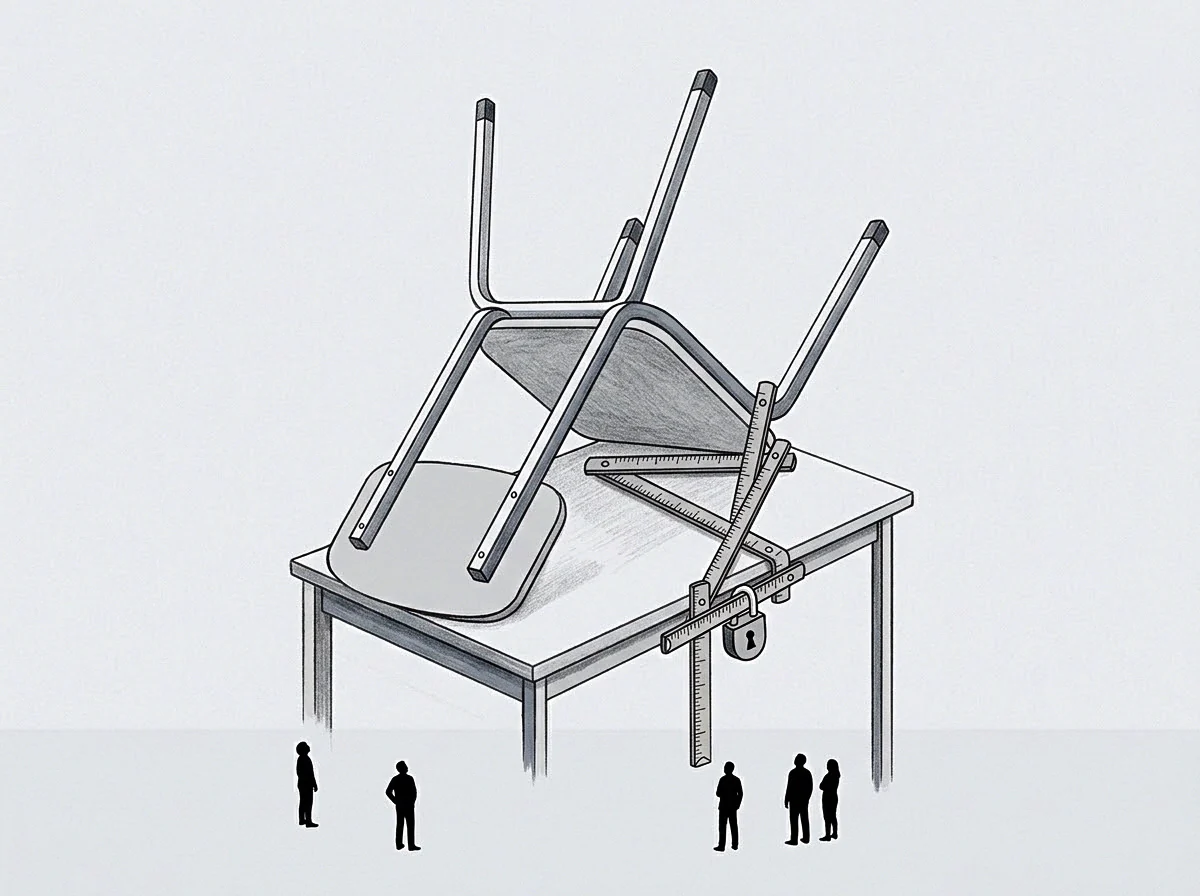
Organizational throughput metrics define the total operational load an enterprise or human network can sustain without structural performance degradation. In post-founding environments, system capacity represents the maximum processing bandwidth of both the individual leader and the surrounding governance framework. This parameter governs how much concurrent organizational stress and strategic expansion can be handled before operational quality declines.
The boundary where this capacity breaks down is marked by systemic failure, decision bottlenecks and widespread executive fatigue.
Throughput Limit
Every leadership structure operates within strict physical and cognitive boundaries. Exceeding nominal system capacity introduces decision delays and increases operational error rates across all departments. Maintaining load below peak thresholds ensures operational stability.
Structural Saturation
Operating at maximum capacity without recovery windows causes progressive erosion of governance quality. When an enterprise pushes beyond its system capacity, communication channels break down, critical oversight is missed and decision velocity slows dramatically. The resulting operational debt creates severe vulnerabilities across legal and financial domains.
To restore health, leadership must reduce operational scope or expand executive infrastructure to match the elevated operational load.
Resource Constraint
Resource limits define the boundary of sustainable operational throughput. Monitoring system capacity prevents structural collapse by highlighting early indicators of cognitive and organizational burnout. Timely adjustments preserve long-term organizational value.