
Managing Sympathetic Nervous System Contagion at Shared Office Workbenches
Autonomic contagion across shared workbenches occurs when micro-movements, acoustic transients, and mechanical vibrations transmit one occupant sympathetic hyperarousal directly to an adjacent worker threat detection system.
Desk
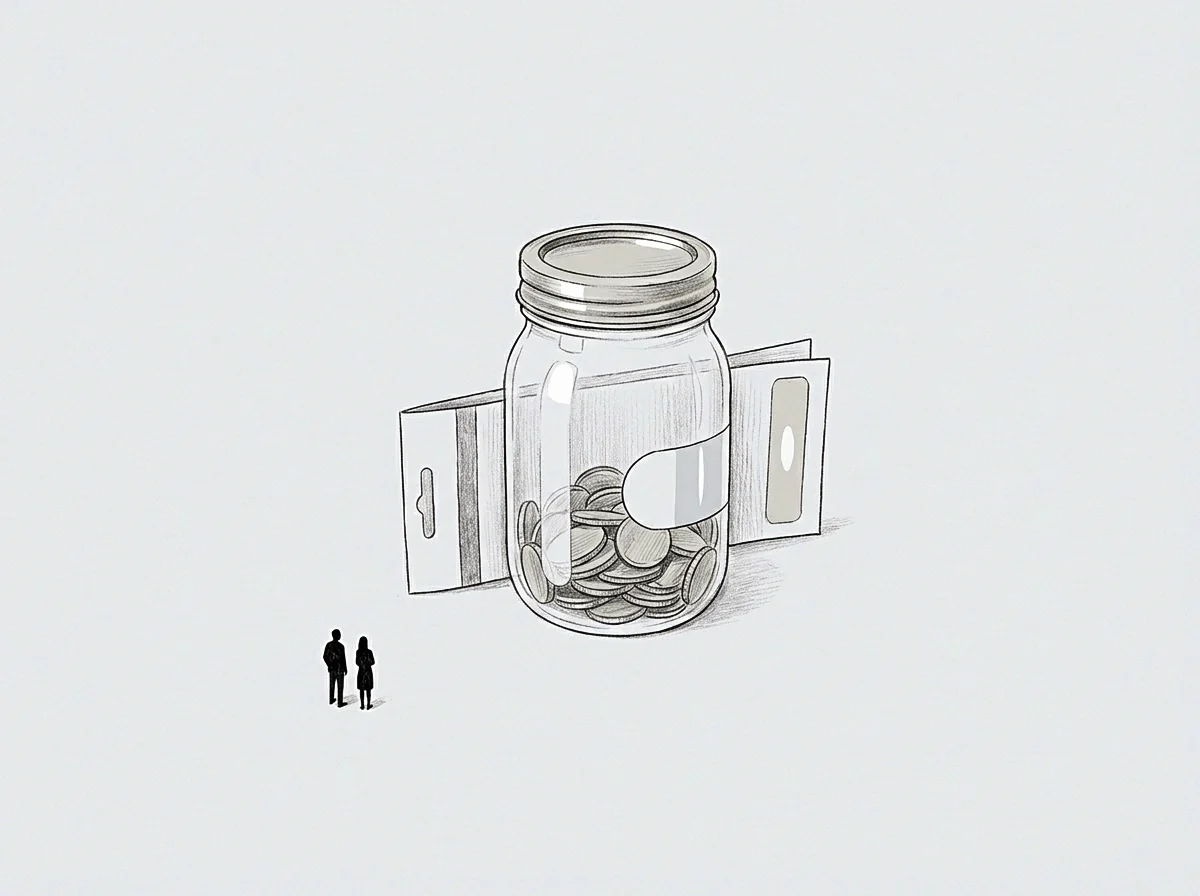
Two occupants sit eighteen inches apart along a continuous oak surface, separated by no physical partition. The operator on the left carries an elevated sympathetic state from a failing project milestone. Their respiration is shallow and rapid, their key strikes carry extra physical force, and their micro-movements show motor restlessness.
The operator on the right arrived at the workstation with high cardiac vagal tone and a balanced autonomic baseline. Within forty-five minutes of continuous co-presence, the second operator experiences an involuntary drop in heart rate variability, elevated electrodermal activity, and unexplained muscle tension across the shoulders. No word has been spoken between them.
The transfer of physiological state occurred entirely through non-verbal, involuntary sensory channels.
Human nervous systems budget energy under social baseline theory. The brain predicts regulation costs based on the immediate availability of reliable conspecifics. Physical proximity to a stable, calm peer lowers the metabolic expense of maintaining executive control, as the brain borrows physiological stability from the surrounding environment.
Autonomic contagion inverts this biological subsidy. When an adjacent peer exhibits un-regulated sympathetic hyperarousal, physical proximity transforms from a metabolic asset into a continuous drain. The threat detection architecture of the brain reads adjacent sympathetic arousal as an indicator of localized environmental danger, automatically elevating the passive observer’s arousal to match the active neighbor.
At shared office benches, this transmission operates through continuous micro-inputs. Respiration cadences entrain across short distances. Visual peripheral fields register erratic motor patterns, triggering constant orienting reflexes.
Vibrations from heavy key strikes and sudden posture shifts travel through shared furniture, keeping adjacent neuromuscular systems in a state of low-grade motor readiness.
A person sitting beside an agitated peer consumes measurable glycogen simply maintaining quiet baseline posture.
The metabolic cost of remaining calm next to a dysregulated colleague is hidden because it produces no outward behavioral artifacts. The quiet occupant appears to be working normally while their autonomic nervous system continuously suppresses borrowed sympathetic arousal. This internal suppression draws down cognitive control reserves, reducing working memory capacity and emotional tolerance.
Ignoring autonomic contagion in shared seating forces the quiet occupant to deplete executive function on physiological suppression before their own work begins.
Resonance
Physiological state transmission between adjacent bodies operates through subconscious perception of micro-behaviors. Human survival historical architecture prioritizes rapid, non-cognitive threat distribution across groups. When one individual detects threat, surrounding individuals absorb that state through somatic mimicry prior to conscious analysis.
Shared physical surfaces eliminate spatial buffers, amplifying these subcortical signals.
Acoustic and Visual Transients
Autonomic signals propagate through specific sensory modalities during quiet co-working. High-frequency acoustic inputs act as immediate triggers for sympathetic activation.
- Respiratory acceleration shifts the local acoustic environment through subtle cadence shifts that surrounding nervous systems decode as acute environmental threat.
- Saccadic motor restlessness creates high-frequency peripheral visual movement, triggering continuous orienting reflexes in nearby workers.
- Postural bracing elevates isometric muscular tension, communicating motor readiness through structural vibration transmitted directly across shared timber surfaces.
Micro-expressions and transient vocalizations, such as muted sighs or sharp inhalations, register in the superior temporal sulcus of nearby colleagues. This perceptual input bypasses cortical evaluation, feeding directly into the amygdala. The recipient’s autonomic nervous system shifts toward sympathetic dominance, raising blood pressure and suppressing digestive and immune processes.
Vibrational transmission through contiguous furniture provides a second direct pathway. Modern open office furniture frequently features unified frame construction. A heavy heel tap, abrupt leg shaking, or repeated desk slamming transmits mechanical force through the table frame.
Proximity reduces regulation cost. The recipient’s somatic receptors process these repetitive mechanical impacts as continuous physical instability, elevating baseline neuromuscular tone.
Structural vibration transmitted through shared furniture converts one occupant’s anxiety into physical motor tension across the table.
Autonomic contagion operates through predictable physiological feedback loops. The receiving individual experiences internal arousal without an obvious personal stressor. Lacking an immediate cognitive explanation for their physiological distress, the mind often assigns the uncomfortable internal state to their current work tasks.
This misattribution converts bodily contagion into artificial workplace frustration or fatigue.
It remains uncertain whether physical baffles alter autonomic state transmission or merely delay the psychological recognition of neighbor disturbance.
Spill
When a dysregulated individual sits next to a regulated peer, autonomic equilibration flows toward the lower-resistance path. The calm individual acts as an autonomic heat sink, absorbing the physiological energy of the hyperaroused neighbor. This process occurs because the hyperaroused individual subconscious threat detection system registers the calm peer as a stabilizing anchor, attempting to co-regulate against their baseline.
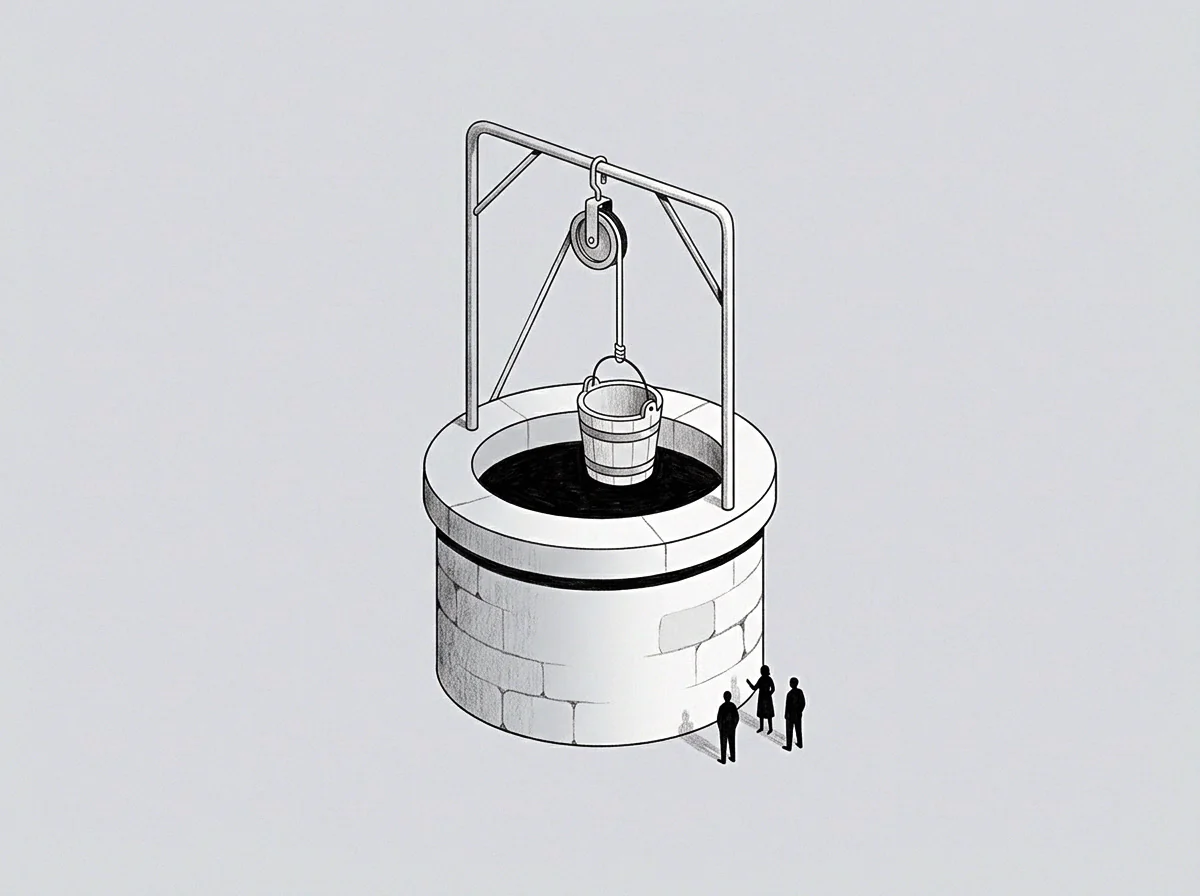
Why Does Calm Attract Autonomic Spill?
Individuals experiencing high sympathetic activation unconsciously seek out stable environments and calm peers to reduce their own internal distress. Autonomic contagion spreads rapidly. However, when the stable peer lacks spatial separation or intentional regulation boundaries, the transfer functions as a one-way drain rather than a mutual balancing act.
The steady operator spends internal regulatory capacity to maintain composure while receiving continuous threat signals from the neighbor.
Consider two operators sharing a bench for twelve weeks. Assume Operator A arrives with elevated autonomic tone from external demands, while Operator B maintains high heart rate variability and low baseline muscular tone. Operator A subconsciously utilizes the calm presence of Operator B to anchor their own physiological state, slightly reducing Operator A overall distress.
Operator B pays for this stabilization through sustained sympathetic elevation and accelerated fatigue. After three hours of continuous proximity, Operator B heart rate variability matches the low baseline of Operator A, while Operator A shows minor recovery.
When an autonomic heat sink continuously absorbs external threat signals, physiological baseline drift occurs within three work cycles.
The asymmetric budget of shared seating creates predictable team dynamics. The most physiologically resilient operators are frequently placed next to highly volatile or overwhelmed team members under the assumption that stability will rub off on the distressed worker. This placement treats human physiological stability as an inexhaustible resource.
Over time, the resilient operator experiences autonomic exhaustion, leading to sudden withdrawal, unexplained irritability, or physical illness.
The presence of a steady companion simply makes the room feel tolerable enough to keep working through the afternoon.
Baffle
Physical interventions at shared work surfaces aim to intercept visual, acoustic, and vibrational channels of autonomic transmission. Architectural design directly shapes the physiological energy required to sustain focus in shared space. Spatial buffers lower threat perception.
| Configuration Topology | Vibrational Isolation | Visual Occlusion | Acoustic Reduction | Metabolic Tax Index |
|---|---|---|---|---|
| Continuous Timber Bench | Low | None | Low | High |
| Segmented Desk Frame | High | None | Low | Moderate |
| Desk with Acoustic Baffle | Moderate | High | Moderate | Low |
| Isolated Pod Station | High | High | High | Minimal |
Structural separation breaks mechanical vibration transmission. Independent desk legs prevent heel taps and motor restlessness from shaking neighboring equipment. Visual barriers, such as felt dividers reaching minimum eye height when seated, block peripheral motion perception.
Eliminating peripheral visual inputs halts the constant triggering of subcortical orienting reflexes, allowing the autonomic nervous system to exit continuous vigilance mode.
Visual occlusion prevents the orienting reflex from constantly resetting attentional focus.
Acoustic baffles absorb near-field vocal transients and respiratory noises. While fabric dividers do not eliminate ambient room noise, they dull the sharp acoustic spikes that signify acute stress in human speech and breathing. Reducing the sharpness of these inputs prevents the immediate amygdalar stimulation that drives involuntary sympathetic contagion.
Enforcing a mandatory six-foot spatial buffer between active seats converts shared working areas from an autonomic threat hazard into a metabolically neutral environment.
Limit
Verbalizing explicit operational parameters replaces the implicit absorption of adjacent stress. Heat sink physiology requires recovery. Relying on physical barriers alone is insufficient when work patterns require proximity.
Operators must establish clear protocols regarding focus windows and physical availability to protect regulatory capacity.
- An operator identifies physical manifestations of sympathetic contagion during shared surface work.
- The operator states an immediate operational change regarding seating location or interaction availability without diagnosing the colleague.
- The operator relocates to an isolated work surface or installs visual barriers for a designated focus window.
- The team establishes clear protocols regarding uninterrupted quiet focus hours across shared tables.
Establishing explicit verbal limits disrupts the covert contract of emotional absorption. When an operator clearly communicates their current focus requirements, they convert covert physiological boundary management into open organizational alignment. Dynamic posture changes signal threat.
This shift removes the necessity for the individual nervous system to remain on high alert for social cues.
A stated boundary around physical proximity halts covert autonomic debt before metabolic exhaustion forces complete withdrawal.
Stated terms restore autonomic balance. Explicit boundaries signal safety to the brain, reducing the need for constant vigilance. When workers know they can change locations or deploy visual shields without social penalty, their baseline sympathetic activation drops immediately.
Clear verbal boundaries protect physiological capacity more reliably than physical partitions.
Margin
Updating internal templates regarding autonomic independence requires repeated physical experience of regulation without absorption. Earned security updates baseline templates. A person who spent years acting as a physiological anchor often possesses an internal working model that equates co-presence with emotional responsibility.
Overcoming this pattern demands deliberate practice in remaining physically distinct while remaining geographically co-present.
Re-patterning Sympathetic Responsiveness
Long-term resilience at shared workbenches relies on developing regulatory autonomy. The brain must learn that adjacent sympathetic arousal does not require internal adaptation or intervention. Quiet seats restore respiratory baseline.
This learning occurs through repeated exposure to adjacent stress while maintaining intentional physical isolation tools, such as noise-canceling headphones, visual blockers, and planned physical breaks.
Over a six-month period, an operator who systematically enforces spatial and boundary limits retrains their subconscious threat response. The neural pathways linking adjacent motor restlessness to personal motor tension weaken. The autonomic nervous system begins to treat neighboring arousal as neutral background data rather than an imperative for biological synchronization.
This physiological autonomy preserves energy for intentional work and meaningful collaboration. When individuals control their exposure to sympathetic contagion, shared work surfaces return to their intended function as sites of intellectual interchange rather than arenas of mutual autonomic exhaustion. Over months of deliberate physical boundary management, the physiological reaction to adjacent arousal softens, leaving the operator calm within their own skin regardless of surrounding noise.