Meaning
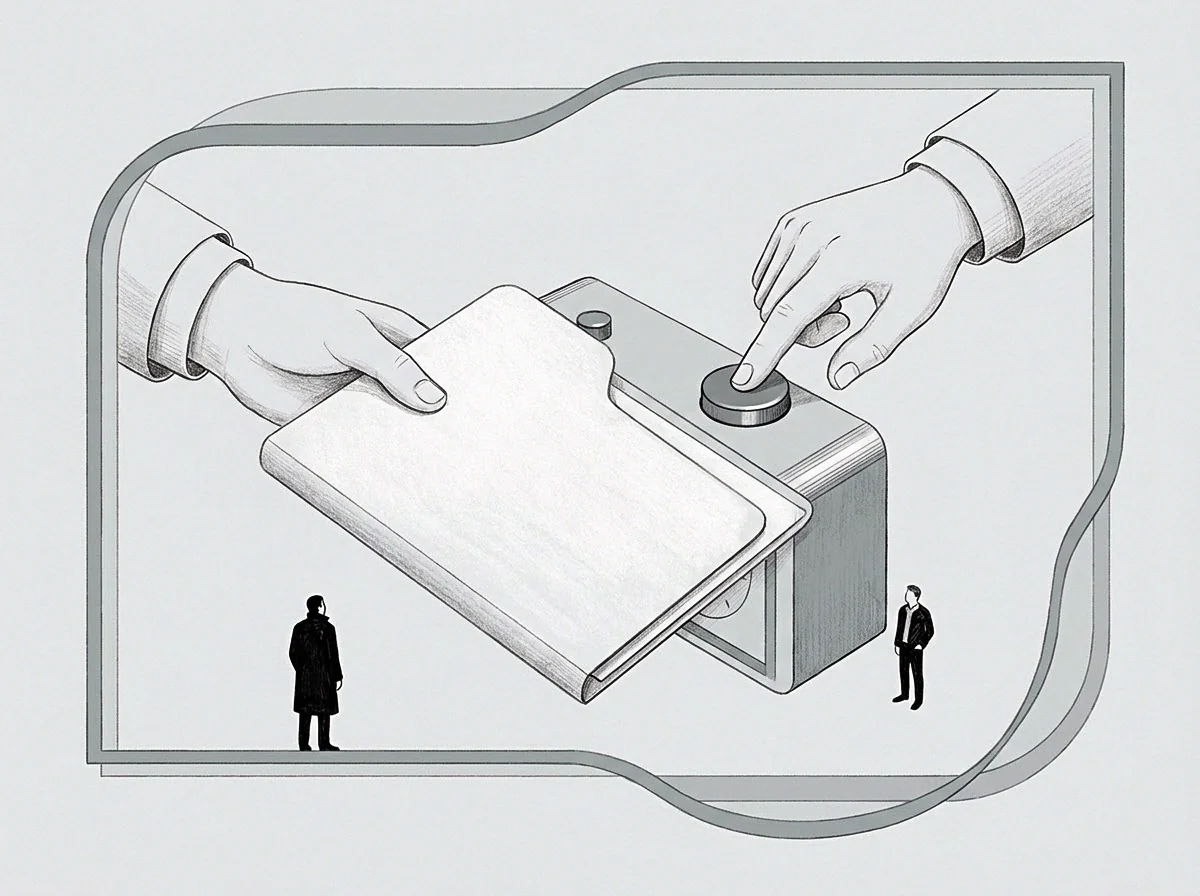
Biological degradation arising from persistent administrative pressure occurs when an individual maintains high operational intensity without sufficient recovery periods. System wear designates the accumulation of physiological deficits that result from sustained decision making and persistent regulatory vigilance. This condition describes the erosion of latent capacity rather than a temporary state of fatigue.
Performance Degradation
Capacity limits contract as the nervous system prioritizes immediate executive response over long term maintenance functions. Reduced cognitive flexibility restricts the speed of adaptation when unforeseen variables interrupt established routines. Ongoing activation of stress response pathways narrows the range of potential reactions to complex problems.
Recovery Constraint
Homeostatic restoration requires active periods of withdrawal from environmental stimuli to allow autonomic recalibration. Prolonged immersion in institutional demands prevents the activation of parasympathetic processes essential for structural repair. Missing the window for metabolic stabilization leaves the underlying tissues in a perpetual state of readiness.
Operational Penalty
Diminished precision in risk assessment leads to a gradual misalignment between projected outcomes and actual events. Decision quality remains stable until the deficit exceeds a critical threshold, at which point the system undergoes a sudden reduction in throughput. Chronic exposure to high demand cycles permanently alters the baseline of executive endurance.