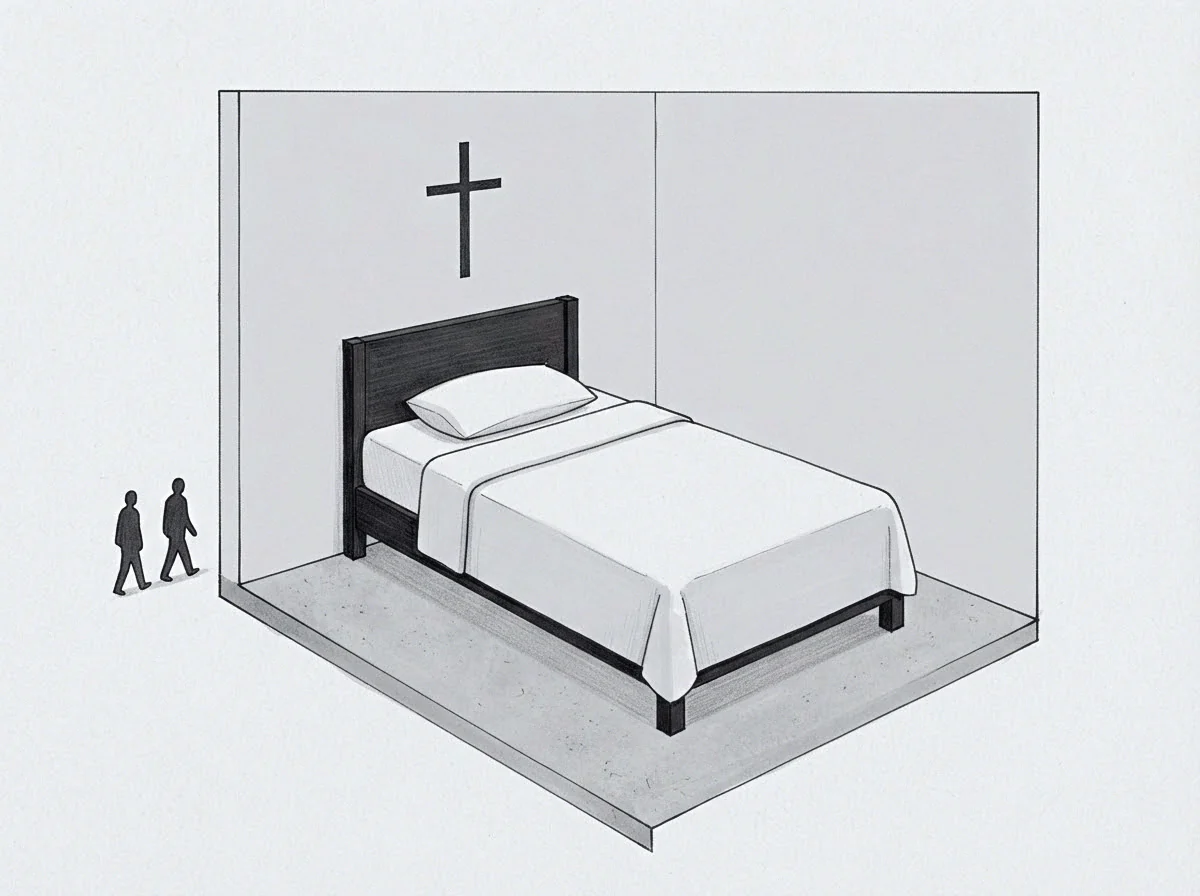
Meaning
Coordinated collapse dynamics describe the failure state where unmitigated operational friction exhausts the regulatory reserves of an entire operating network. Known in organizational physiology as systemic burnout, this condition occurs when structural demands permanently outstrip restorative capacity across both individual leaders and their teams. The construct measures widespread loss of adaptive capacity and operational velocity throughout an institution.
It stops applying when referring to isolated individual exhaustion within an otherwise healthy and supportive operational structure.
Institutional Depletion
Widespread allostatic overload disintegrates the informal co-regulatory systems that keep organizations functional. As systemic burnout takes hold, the collective capacity for mutual assistance and empathetic communication erodes across departments. Depleted employees and exhausted founders stop borrowing regulatory baseline stability from one another because nobody possesses surplus emotional reserves.
Cynicism emerges as a defensive behavioral strategy to conserve remaining energy. Communication channels freeze into rigid, transactional exchanges that reject novel problems or complex coordination. The organization loses its behavioral elasticity, transforming minor operational surprises into cascading crises that paralyze operational throughput.
Chronic fatigue becomes the standard operating baseline across the entire company.
Operational Paralysis
Decision velocity plummets across the entire corporate hierarchy when collective exhaustion reaches critical thresholds. Under systemic burnout, simple administrative approvals take weeks as individuals evade accountability to avoid incremental cognitive load. Strategic initiatives languish because nobody possesses the working memory or motivational reserves required to drive execution forward.
Absenteeism and unforced errors multiply exponentially, consuming whatever minimal attention remains in fire fighting.
Restorative Boundary
Superficial wellness interventions cannot resolve deep architectural imbalances between workload and capacity. When an organization suffers from systemic burnout, brief retreats or motivational seminars fail to alter underlying physiological reality. Recovery requires radical workload curtailment and extended operational pauses.
Exhaustion rooted in institutional architecture yields only to structural redesign.