Meaning
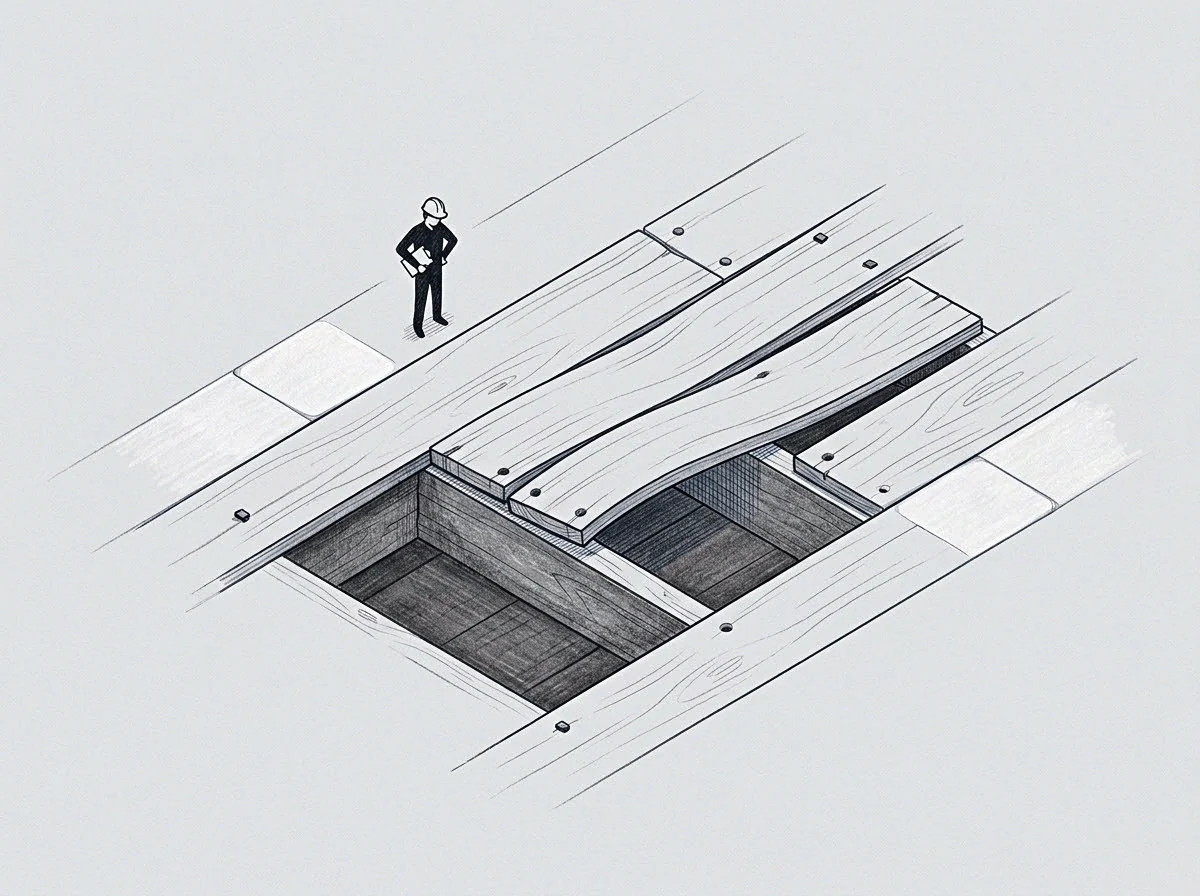
A psychological condition involves a persistent, low-grade sense of anxiety and impending failure within an individual or an organization. This systemic dread arises from prolonged exposure to unresolved existential risks and continuous operational instability. It differs from acute fear by being diffuse, ongoing, and decoupled from any single, immediate threat.
Organizational Contagion
Anxiety at the executive level quickly spreads through the hierarchy, altering the communication patterns and culture of the company. When systemic dread dominates the leadership team, it leads to defensive silence and the hoarding of information among middle managers. This protective behavior prevents the flow of critical feedback and slows the response to genuine market threats.
Physiological Cost
Sustained anxiety places a heavy burden on the allostatic systems of the individual. Prolonged systemic dread maintains high levels of stress hormones, which disrupts sleep and degrades immune function. The constant state of alertness drains cognitive capacity, leaving the leader with fewer resources to manage daily operational challenges or think strategically.
Strategic Recovery
Overcoming chronic anxiety requires a clear assessment of underlying risks and the establishment of realistic operational baselines. Leaders can neutralize systemic dread by naming the specific scenarios they fear and putting concrete mitigation plans in place. This deliberate approach replaces vague, paralyzing anxiety with structured, actionable tasks, restoring a sense of agency to the entire team.
By confronting the worst-case outcomes openly, the organization de-escalates the emotional charge of the threat and can focus on execution.