
Calibrating Organizational Delegation Thresholds to Protect Systemic Parasympathetic Recovery Capacity
Delegating routine decisions through explicit authority thresholds halts continuous sympathetic monitoring and restores restorative parasympathetic tone.
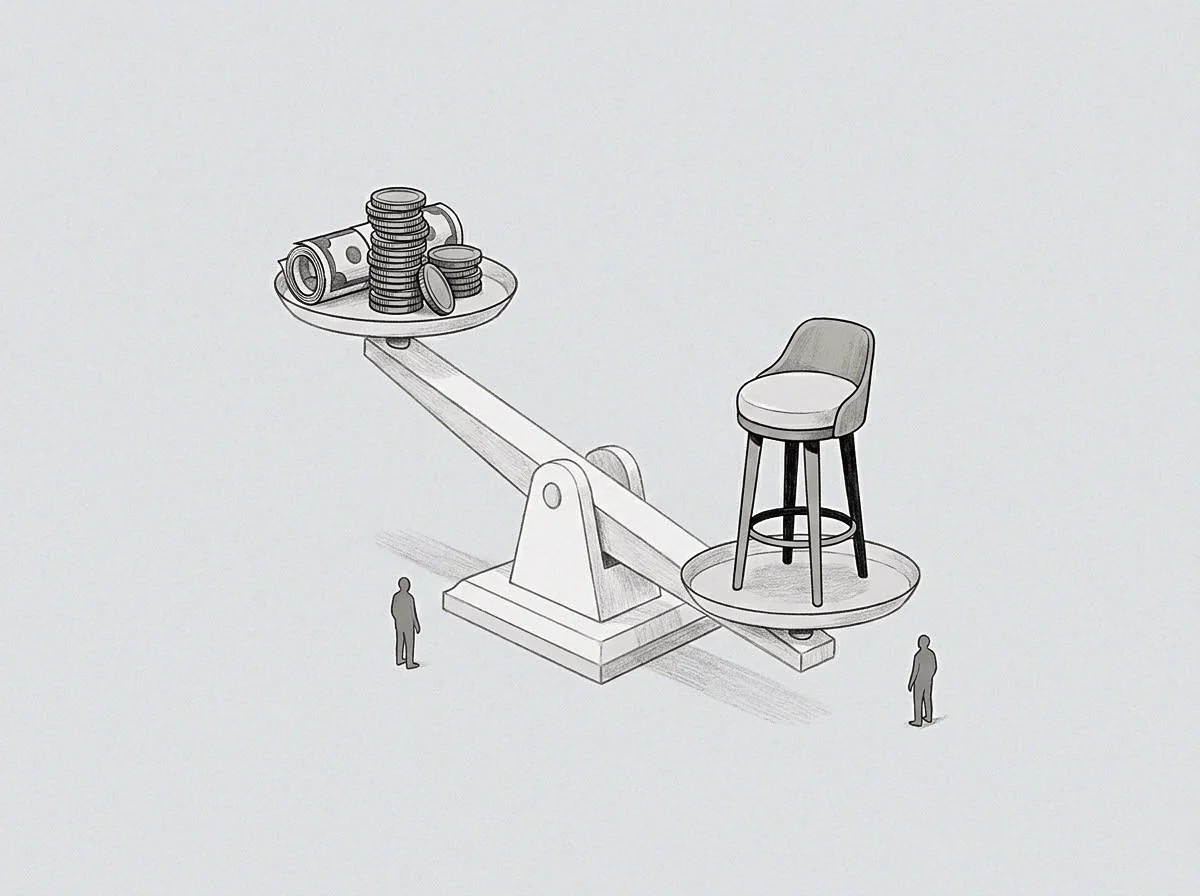
Pulse
An operator sits in front of a screen at midnight with four operational approvals waiting in the inbox. Each pending sign-off keeps the central nervous system on alert. In organizations where authority is poorly defined, the body treats every message like an emergency, mobilizing metabolic reserves.
Real recovery requires long intervals where anticipatory scanning actually shuts off. When delegation boundaries are missing, sympathetic tone carries over into evenings, weekends, and scheduled time off.
The autonomic nervous system alternates between sympathetic exertion and parasympathetic repair. Sympathetic drive mobilizes glucose and raises cardiac output to meet an immediate demand. Parasympathetic activity, run largely through the vagus nerve, slows the heart, handles cellular maintenance, and restores cognitive function.
Carrying constant decision-making responsibility blocks that shift. Even hours after closing the laptop, tracking operational risk keeps the vagal brake released, pinning heart rate variability to low levels.
A person holding unassigned operational risk remains in continuous sympathetic tone regardless of physical location.
Sustained stress response produces allostatic load, the cumulative physical wear caused by constant regulatory demand. In an operating role, that wear looks less like panic and more like steady cognitive fatigue. Sleep loses its restorative architecture when elevated nighttime norepinephrine disrupts deep slow-wave stages.
The body consumes metabolic reserves to stay ready for routine decisions that subordinates could easily resolve.
When delegation thresholds are left undefined, exhaustion spreads through the organization, degrading physical health, strategic focus, and baseline stability across leadership roles.

Desk
A physical desk reflects an organization’s decision architecture. When a workspace is piled with expenditure slips, hiring sign-offs, and exception requests, operating limits have not been set. Requiring founder approval for minor deviations turns the room into a constant prompt for vigilance.
A clear desk, by contrast, relies on explicit policies that handle routine exceptions before they ever reach an executive.
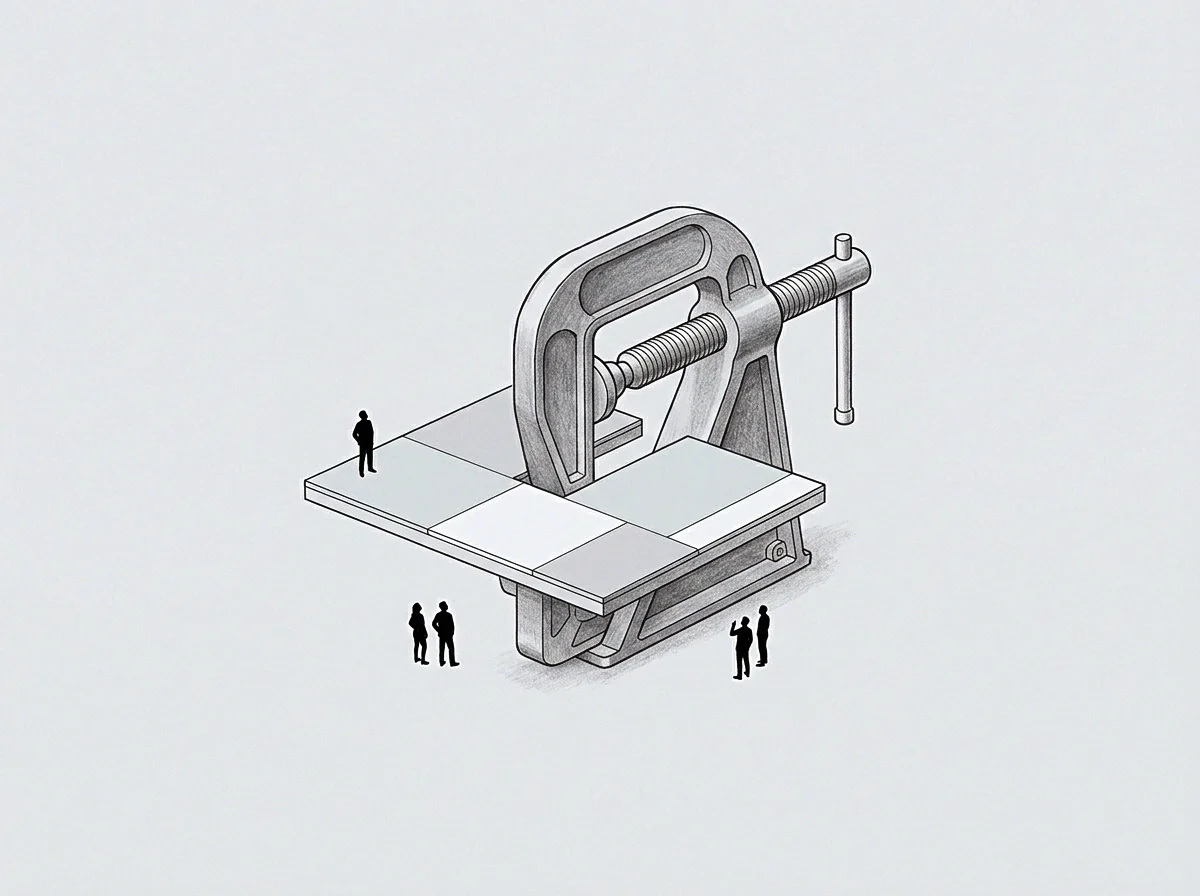
Establishing Discretionary Authority Bands
Setting delegation boundaries requires clear financial and procedural margins where teams work autonomously. Instead of signing off on individual line items, operators establish authority bands tied to risk tiers:
- Tier One Expenditure permits autonomous financial commitment up to established departmental limits without prior managerial review.
- Tier Two Process Exceptions allows staff to resolve operational deviations locally provided baseline quality metrics remain intact.
- Tier Three Strategic Commitments directs non-routine contracts and structural choices directly to executive review via scheduled briefings.
Defined limits change how information reaches an executive. Instead of checking single invoices, the founder reviews aggregated variance reports in scheduled operational meetings. That filter cuts hundreds of micro-decisions out of the week, saving physical energy and attention for high-consequence strategic work.
Stated dollar thresholds convert unpredictable operational interruptions into scheduled monthly variance reviews.
Teams cannot execute these agreements because leadership has not stated who owns the spending limit.

Limit
Physiological recovery depends on reliably stepping down threat surveillance. The brain continually runs simulations of operational failure whenever responsibilities are left vague. The concurrency limit marks the number of open loops an operator can track at once before cognitive performance begins to slip.

Does Latent Escalation Suppress Vagal Tone?
Latent escalation occurs when staff have informal permission to settle issues but remain exposed to second-guessing after the fact. That ambiguity generates ongoing autonomic strain. Subordinates hesitate and ask for spoken confirmation, while the executive keeps watching in the background to catch mistakes.
Both stay in sustained sympathetic arousal because authority has not actually moved.
Vagal tone measures parasympathetic activity through high-frequency heart rate variability. When executives maintain an unstated veto over delegated tasks, vagal tone drops sharply during off-hours. The mind monitors unresolved exposure across teams, treating minor operational hiccups as physical threats.
Mental detachment cannot happen without firm delegation thresholds that insulate leaders from everyday friction.
Full recovery only takes place when authority shifts completely, without background monitoring or second-guessing.
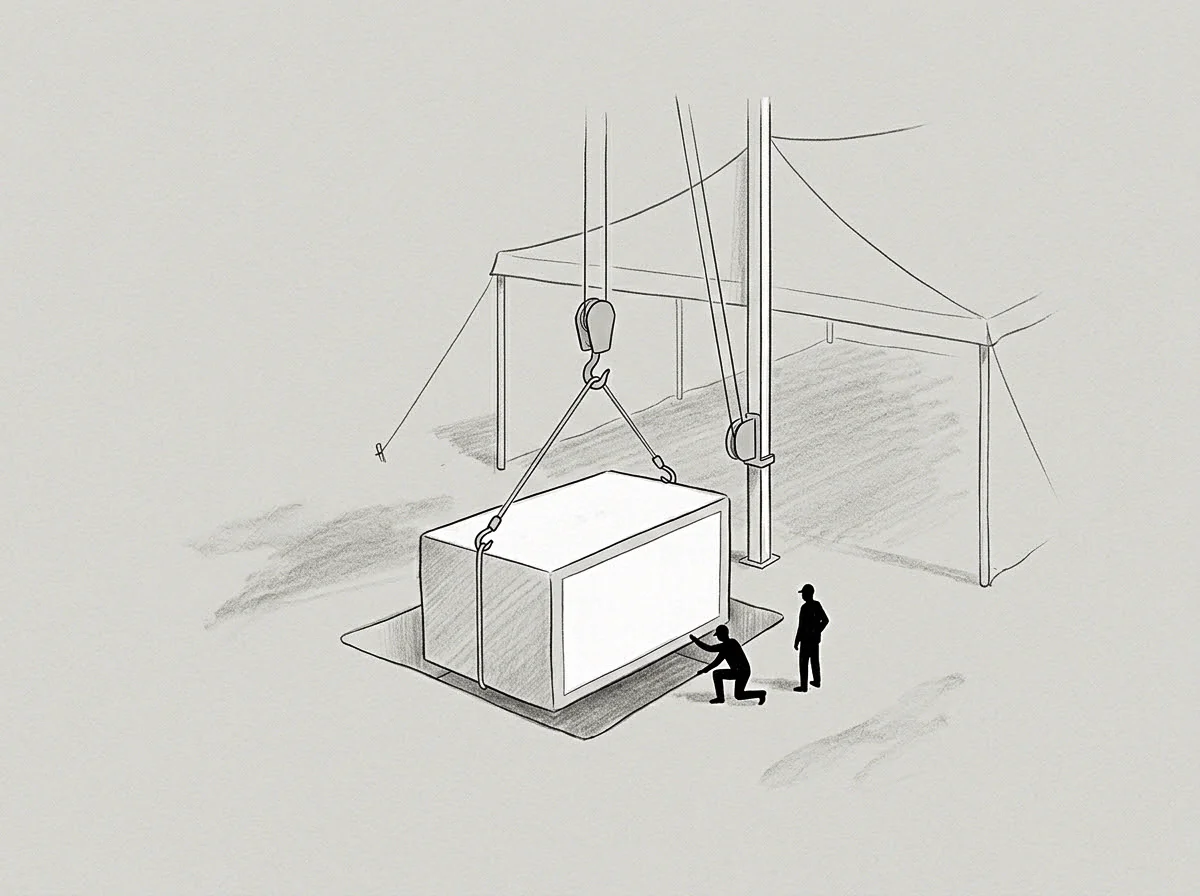
Filter
Clear delegation protocols safeguard parasympathetic recovery by separating operational channels. Organizations relying on ad-hoc handoffs run into steady friction, whereas teams with calibrated boundaries protect executive capacity and attention.
| Operational Dimension | Ad-Hoc Escalation Model | Calibrated Threshold Model |
|---|---|---|
| Decision Latency | High delay waiting for senior availability | Immediate resolution at origin point |
| Cognitive Load Distribution | Concentrated entirely at executive level | Distributed across departmental nodes |
| Nocturnal Neuroendocrine Tone | Elevated cortisol and low vagal index | Suppressed sympathetic activation during sleep |
| Exception Handling Path | Real-time interruption of executive attention | Batch-processed during scheduled weekly reviews |
Setting explicit boundaries requires consistent adherence from both operators and staff. Under standard conditions, any issue falling below established financial, operational, or legal thresholds cannot be escalated to leadership.

Structural Mechanics of Gated Escalation
Operational issues filter through basic criteria before reaching executive attention. If an expenditure sits inside agreed limits and involves routine risk, teams resolve it directly. Leadership reviews the outcomes later through routine audits rather than real-time sign-offs.
A leader who audits past decisions preserves physiological recovery while an executive approving real-time actions remains perpetually mobilized.
Any operational exception involving less than five thousand dollars resolves at the frontline without managerial notification, shifting the monitoring burden away from executive recovery windows.

Toll
Chronic operational surveillance exacts an ongoing metabolic cost in energy. When organizations do not set delegation limits, leaders carry sustained allostatic load that degrades executive function and cardiovascular resilience over time. Energy spent on redundant oversight draws down reserves required for physical health and long-range planning.
Protecting parasympathetic recovery functions as an operational requirement for institutional stability. Organizations rely on the physical stamina and capacity of their leadership. When those reserves are consumed by constant low-level decisions, operational stability breaks down.
Operational resilience depends on systematic thresholds. Clear authority bands, defined escalation triggers, and an end to real-time oversight create functional buffers. These boundaries protect the physical stamina of leadership, permitting parasympathetic recovery and steady organizational performance.
It remains an open question whether organizations facing fast technological shifts can maintain strict delegation limits without executive monitoring returning during acute crises.