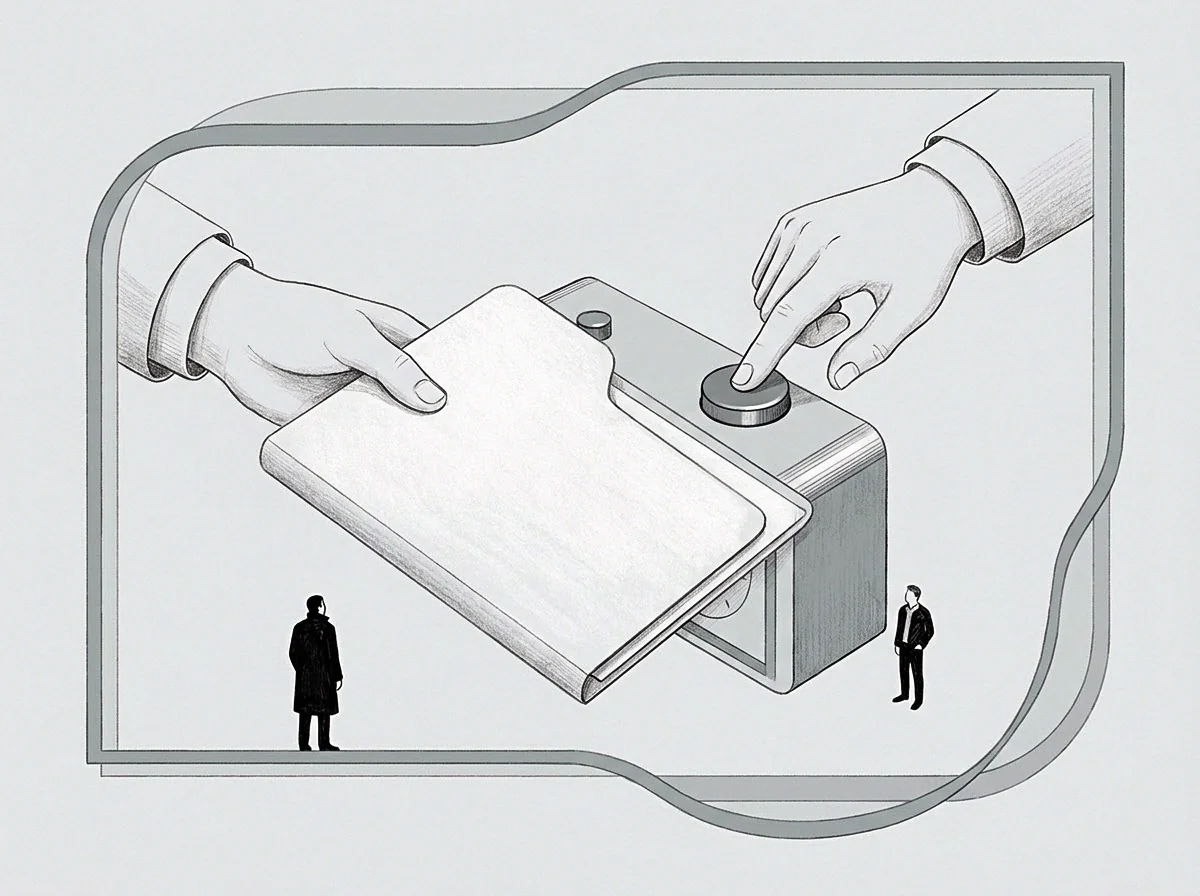
Meaning
A temporal delay in cognitive re-engagement that occurs when shifting attention from one complex domain to another. High operational fragmentation increases task switching latency as executives move rapidly between disparate management disciplines. The brain retains residual mental models from the previous task, obstructing clear focus on the new topic.
Processing efficiency falls during each transition phase.
Cognitive Delay
Working memory requires time to unload previous context and activate new cognitive frameworks. Experiencing high task switching latency prolongs this adjustment period, causing temporary disorientation and reduced analytical speed. Short-term memory buffers remain cluttered with lingering parameters from prior decisions, generating friction during unexpected operational pivots.
Productivity Toll
Rapid context switching drains cognitive energy faster than sustained work on a single objective. High task switching latency costs several cumulative hours of high-value work each week across founder schedules. Decision quality declines when attention remains fragmented across financial and operational discussions within short time frames.
The resulting mental fatigue lowers overall throughput and increases susceptibility to simple execution errors.
Operational Ceiling
Throughput drops sharply when switch frequency exceeds mental re-orientation speed. Task switching latency sets a hard boundary on the number of distinct operational domain shifts an executive can execute per day.