
Autonomic Recovery Latency In Continuous High Operational Stress
Autonomic recovery latency expands when continuous operational demands prevent neuroendocrine clearance and parasympathetic restoration via vagal inhibition.

Lag
Four conversations sit open on a screen at midnight while a spreadsheet recalculates payroll projections across three quarters. The person at the desk answers a developer about an unmerged pull request, reads an investor update drafted by a co-founder, and confirms an eight o’clock morning call with bank counsel. Heart rate sits at eighty-four beats per minute in a desk chair.
That rate matches moderate physical effort, though the body is completely still. In an unencumbered animal, shifting from active threat arbitration back to baseline parasympathetic tone takes a few minutes. Under prolonged operational demands, that transition stretches out across hours or days.
The term autonomic recovery latency names this gap between the moment acute operational stressors stop and the physiological restoration of baseline parasympathetic dominance.
Recovery requires active signaling; the body does not simply wind down on its own. The autonomic nervous system alternates focus through reciprocal innervation between sympathetic and parasympathetic divisions. Sympathetic discharge mobilizes glucose, elevates vascular resistance, suppresses splanchnic circulation, and increases cardiac output via beta-adrenergic stimulation.
Closing an urgent browser tab ends the immediate task, but circulating catecholamines remain in peripheral tissues. Norepinephrine clearance has a measurable systemic half-life, and cortisol takes an even longer route through hepatic pathways. If stressors arrive without a break, the termination signal never clears peripheral receptors before the next cycle starts.
Baseline parasympathetic activation halts whenever open operational obligations keep central threat arbitration active.
Prolonged operational pressure compromises the vagal brake. In polyvagal architecture, the myelinated vagus nerve acts as an active inhibitory control on the sinoatrial node. Restoring baseline homeostasis quickly requires robust vagal tone, tracked clinically through heart rate variability metrics such as the root mean square of successive differences between normal heartbeats.
Under continuous strain, central autonomic networks stay locked in defensive vigilance. Prefrontal executive circuitry keeps working through unresolved dependencies, parasympathetic reactivation stalls, and the body remains in sympathetic overdrive long after outward demands pause.
This delay in recovery is an early physical indicator of systemic allostatic load, often showing up several months before any conscious sense of exhaustion. A founder or operator often takes the ability to answer midnight messages without distress as proof of resilience. The underlying physiology runs in the opposite direction.
Sustained hydrostatic pressure strains the vascular bed, peripheral immune cells upregulate inflammatory signaling through nuclear factor kappa B transcription pathways, and nighttime restorative processes break down. As latency widens, brief periods of quiet turn into hollow pauses that never trigger true cellular repair.
A persistent delay in autonomic recovery turns intermittent transactional stress into systemic tissue strain across the vascular system.

Tether
Vagal Modulation and the Prefrontal Brake
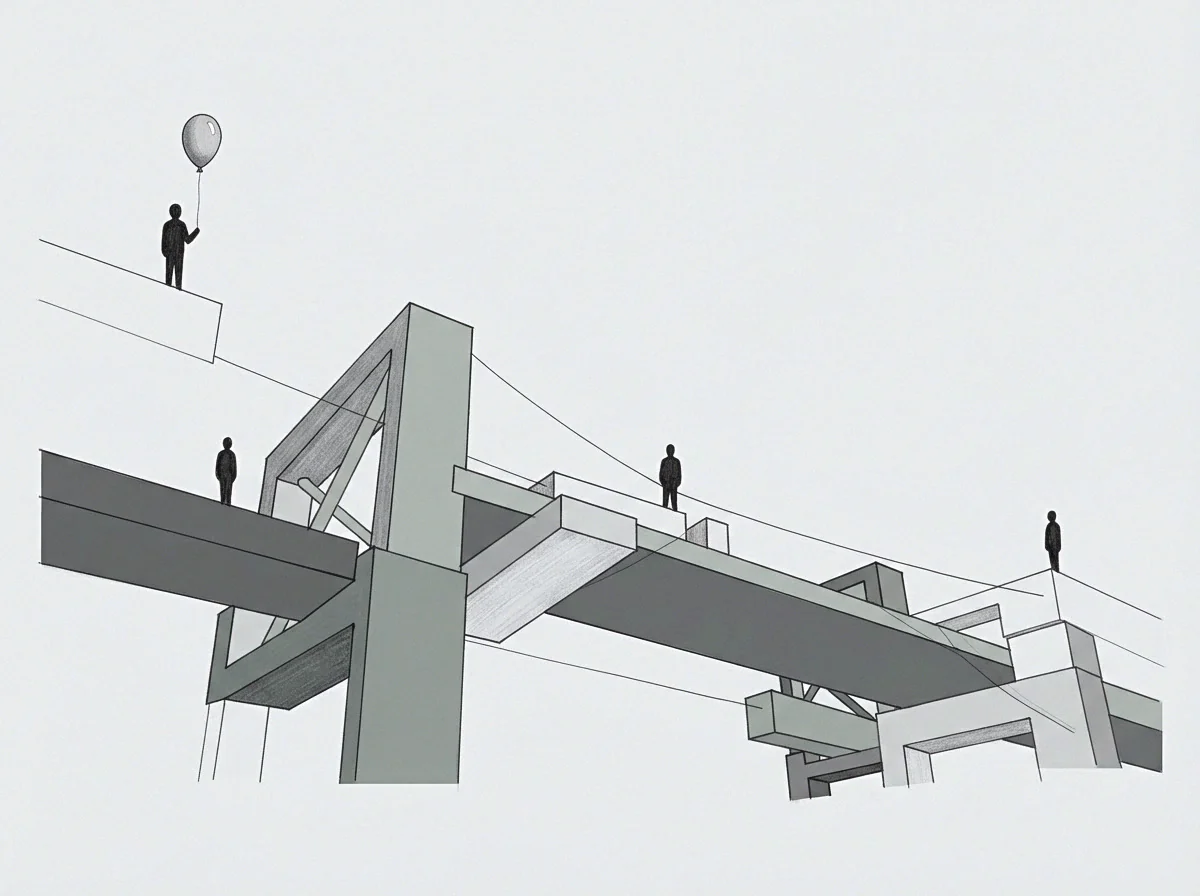
Cardiac vagal control is linked directly to the prefrontal cortex through neurovisceral integration networks. The central autonomic network connects the anterior cingulate cortex, the insula, the central nucleus of the amygdala, and the paraventricular nucleus of the hypothalamus. From the prefrontal cortex, inhibitory projections descend to brainstem down-regulators, specifically the nucleus ambiguus and the solitary tract nucleus, which govern parasympathetic outflow through the vagus nerve.
When an operator deals with ambiguous hazards for too long, prefrontal reserves run thin. The brake slips, letting subcortical threat circuits fire uninhibited.
The prolonged suppression of vagal outflow alters cardiac timing variables. Clinicians measure this shift via specific time-domain and frequency-domain indices:
- Root mean square of successive differences quantifies parasympathetic modulation on cardiac pacing, dropping sharply when recovery latency expands across prolonged operational stretches.
- High frequency power band captures vagal efferent activity between zero point fifteen and zero point four Hertz, reflecting rapid cardiorespiratory gating that vanishes during persistent cognitive hypervigilance.
- Pre-ejection period measures sympathetic beta-adrenergic inotropic influence on ventricular contraction time, shortening progressively as adrenergic signaling remains active through quiet nocturnal periods.
- Low frequency to high frequency ratio charts the shifting balance between sympathetic outflow and parasympathetic modulation, skewing heavily upward as recovery intervals fail to close before daily obligations resume.

Neuroendocrine Clearance Timelines
The neuroendocrine cascade operates on a much slower timeline than neural firing. The hypothalamic-pituitary-adrenal axis begins with corticotropin-releasing hormone release from the hypothalamus, which triggers adrenocorticotropic hormone into circulation. The adrenal cortex responds by synthesizing cortisol, which binds both high-affinity mineralocorticoid receptors and lower-affinity glucocorticoid receptors throughout the central nervous system and peripheral tissues.
Shutting down this mobilization depends on functional glucocorticoid receptor negative feedback loops in the hippocampus and pituitary gland.
Chronic operational overload leads to glucocorticoid receptor down-regulation across target tissues. With sensitivity blunted, circulating cortisol cannot shut off its own production in good time. Metabolic resources stay mobilized: hepatic gluconeogenesis continues, free fatty acids remain in peripheral blood, and microvascular endothelial beds stay exposed to inflammatory signaling.
Recovery latency widens simply because the cellular pathways responsible for clearing stress hormones are worn down by repetitive demand.
An operator sits on a sofa after finishing a twelve-hour review of organizational cash runway. Outwardly the task is done, but systemic cortisol remains high, hepatic glucose production continues, and mesenteric microvessels stay constricted. The physiological recovery clock cannot start until circulating endocrine compounds fall below basal signaling thresholds.
As long as an unaddressed dispute or an upcoming financing round sits on the calendar, central command structures stay active. Recovery latency stretches out until it fills the entire night.
One unclosed legal liability occupied the fifth cognitive processing slot throughout that entire evening.

Split

Throttling Versus Affective Collapse
Diagnostic frameworks frequently confuse two distinct physiological states. When an operator shows slower response times, delays replies, initiates fewer tasks, and displays flat affect, observers often diagnose a major depressive episode or clinical burnout. That assessment misses the functional mechanics.
A system running near capacity enters throttling: an active regulatory stance that protects essential core functions by deliberately dropping peripheral demands. Affective collapse is something else entirely, marked by a total breakdown of regulatory architecture.
A throttled operator holds firm priorities, defends boundaries, and keeps critical operations running while dropping voluntary chatter and social maintenance. Executive goal representations remain intact, but they are running up against hard autonomic limits. In affective collapse, those goal structures disintegrate, anhedonia spreads across professional and personal life, and energy conservation produces no protective result.
Prescribing standard depression treatments or mandatory time off to a throttled system often worsens the problem, because open operational liabilities continue piling up while the operator tries to step away.
Preserving system stability through selective thread shedding prevents structural failure while appearing externally identical to operational withdrawal.
Observable Distinctions Across Regulatory Profiles
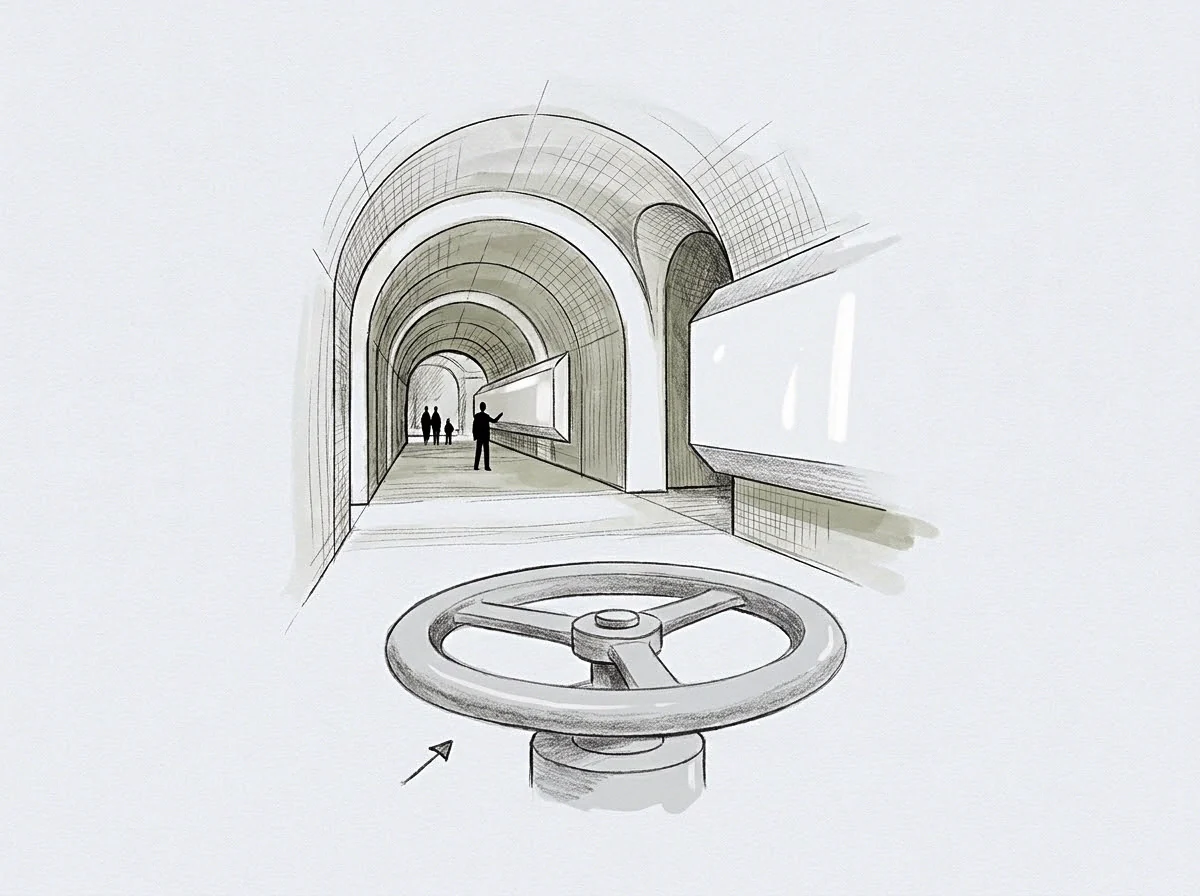
Separating systemic throttling from affective collapse requires looking at concrete physiological and behavioral markers rather than self-reported distress. The two conditions diverge across operational execution, autonomic reactivity, cognitive loop processing, and sleep architecture.
| Operational Parameter | Systemic Throttling | Affective Collapse |
|---|---|---|
| Critical Task Execution | Core dependencies execute on schedule while non-essential interactions halt | Execution fails indiscriminately across both survival-critical and peripheral responsibilities |
| Autonomic Recovery Latency | Extended duration; rapid parasympathetic reactivation occurs if open loops clear fully | Persistently flattened autonomic indices regardless of operational demand reduction |
| Headroom Availability | Near zero during operations; expands immediately upon formal liability transfer | Remains absent even following total structural removal from operating obligations |
| Sleep Microarchitecture | Preserved slow-wave sleep stages with elevated nocturnal sympathetic cardiac tone | Severe fragmentation of slow-wave sleep coupled with premature REM sleep onset |
| Response to Unscheduled Input | Immediate defensive refusal or functional redirection based on bandwidth conservation | Catatonic paralysis, unstructured avoidance, or generalized emotional resignation |
When an enterprise software company encounters unexpected contract cancellations, the chief executive stops attending industry dinners, ignores secondary chat channels for two weeks, and restricts communication to short notes with legal and finance leads. A board member interprets the silence as depressive withdrawal and suggests a leave of absence. That advice misreads the state of the system.
The executive has dialed back peripheral bandwidth to route every remaining autonomic watt into debt restructuring and cash management. Forcing a leave strips the organization of its central decision engine while leaving open the exact liabilities keeping recovery latency elevated.
The board member assumes the individual requires emotional repair rather than structural loop termination.

Threads
The Mechanical Cost of Ungated Loops
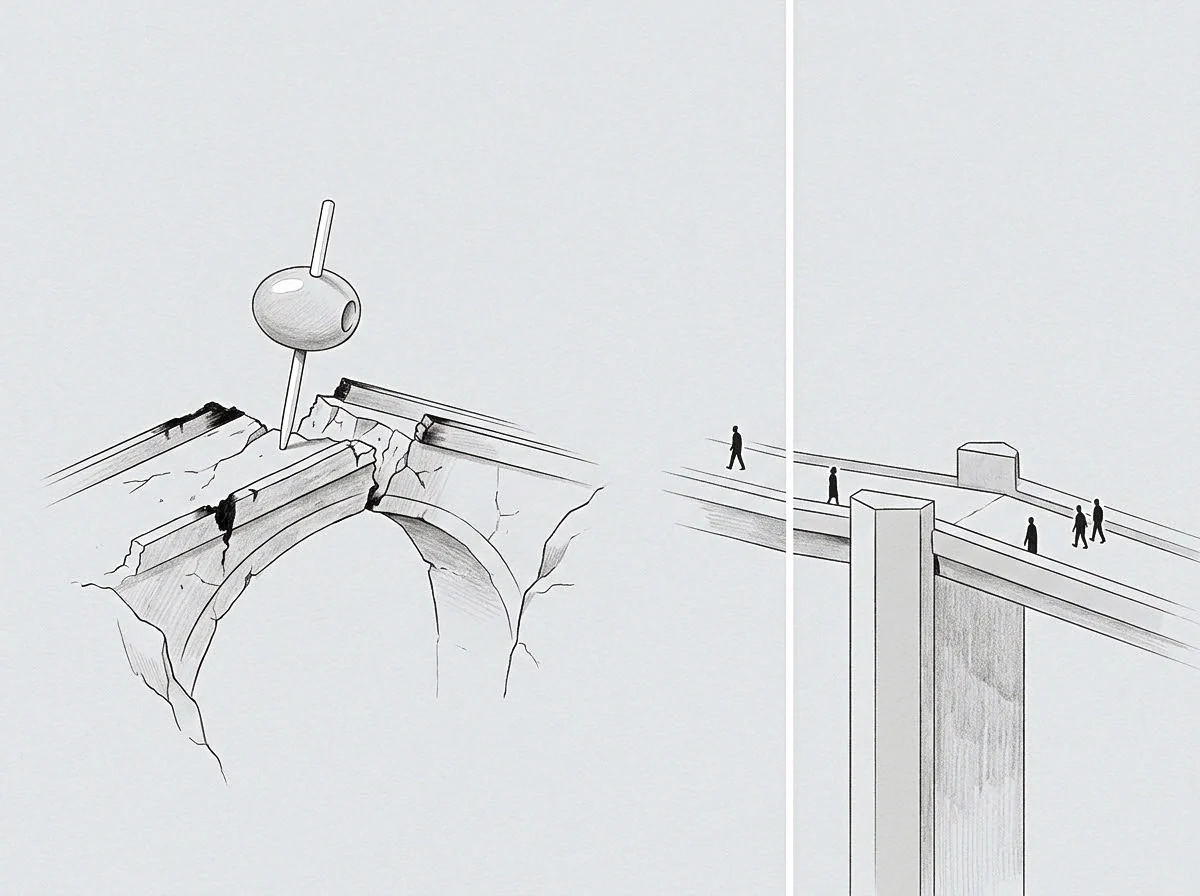
Every unresolved dependency costs biological energy. An ungated loop is an active commitment that lacks defined scope, a firm check date, and terminal conditions. A project with clear boundaries, fixed dates, and explicit end states requires very little autonomic tracking; the nervous system registers it as secured by external procedures.
An ungated thread, by contrast, forces the prefrontal cortex into continuous surveillance. The brain reads unresolved operational liabilities as active environmental risks threatening financial, structural, or relational standing.
The central nervous system runs against a strict concurrency limit. Working memory holds roughly four distinct items at once, and autonomic regulation faces a similar ceiling on active threat processing. When an operator carries seven open disputes without firm resolution terms, all seven compete for those monitoring slots.
Biological headroom, the reserve of parasympathetic capacity that absorbs day-to-day friction, falls to zero. In that position, any fresh problem, a billing snag, a vendor delay, or an internal disagreement, provokes an immediate sympathetic spike.
A founder works through an unexecuted partnership agreement across three months of loose negotiations. The other side shifts timelines unpredictably while sending intermittent urgent notes. Each open question claims a processing slot.
In the evening, parasympathetic restoration fails to take hold because brainstem defense networks still flag the unfinalized contract as an exposure. Autonomic recovery latency extends across weeks, leaving sleep shallow, punctuated by an elevated heart rate and sudden awakenings tied to cortisol surges.
Closing an ungated loop requires structural design rather than willpower. Resolving an open dependency takes three elements:
- Bounded scope definition defines the exact perimeter of action and deliverables expected, cutting off spontaneous expansions.
- Explicit schedule boundary sets a fixed evaluation point, turning ongoing monitoring into a calendar checkpoint that requires no attention until that date arrives.
- Exhaustive settlement condition details the measurable terms that conclude the project, eliminating lingering downstream liabilities for all parties.
The unclosed lease negotiation consumed the final operational slot for seventy-two consecutive days.

Drain
Borrowed Regulation and the Cost of Transfer
Nervous systems do not operate in isolation. Under social baseline theory, organisms regulate autonomic expenditure through proximity to reliable partners. Working alongside an aligned, competent peer reduces the metabolic baseline needed for vigilance.
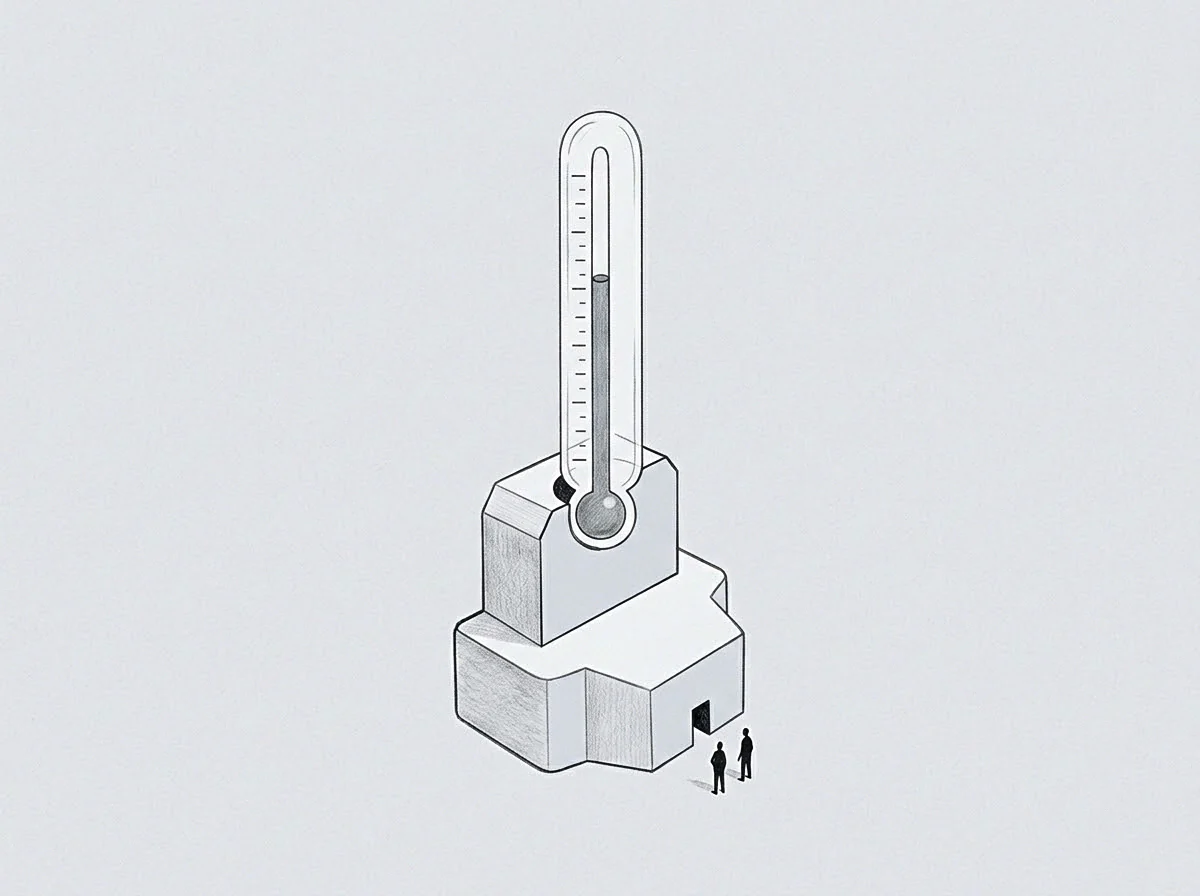
Acting as the sole structural anchor of an organization, however, forces an operator to supply borrowed regulation to everyone around them. When colleagues hit volatility, they lean on the operator’s outward composure to steady their own physiology.
Holding that steady posture when internal headroom is already exhausted carries a heavy physical toll. Projecting calm under load requires significant metabolic effort through prefrontal vagal suppression. Subcortical threat circuits continue firing, but executive control masks the physiological response.
Observers and junior staff see someone composed and unshakeable, which inadvertently draws in more volume: colleagues route their unmanaged anxieties toward the stable center, speeding up the operator’s internal depletion.
A regulator proven resilient under severe operational load inevitably attracts more uncontained load from surrounding systems.
This transfer dynamic explains why seasoned operators frequently crash right after resolving an acute organizational crisis. While the emergency is live, recovery latency stretches indefinitely. The operator provides continuous regulatory stability to the hierarchy, draining systemic reserves to zero.
Once the milestone is cleared and demands ease, the sympathetic bracing drops away. The nervous system does not simply snap back to a flexible baseline; the regulatory machinery is depleted, resulting in severe fatigue, suppressed immune function, and physical inertia.
A co-founder leaves an executive meeting having spent two hours absorbing cross-departmental panic over supply chain failures without showing strain. Back at their desk, writing a routine three-line vendor confirmation feels impossible. The block is not cognitive failure.
The metabolic capacity required for task initiation was spent keeping seven anxious colleagues stable. The vendor email sits in drafts for six days, not due to its complexity, but because the operator has zero physiological headroom left to handle another transaction.
The partner walked out of the room feeling calmer while the founder’s nocturnal resting heart rate climbed eight beats higher for the third consecutive week.

Gate

The Structural Move
Shortening autonomic recovery latency takes structural changes rather than wellness practices. Breathwork, cold plunges, and mindfulness offer brief parasympathetic stimulation, but they do nothing to reduce the incoming volume that keeps central threat networks running. An operator cannot meditate out of a concurrency deficit.
The only durable fix is an explicit stated limit on active dependencies. When operational demand outstrips biological capacity, open threads have to be converted into gated, parked, or terminated lines.
Parking an open loop is not the same as avoidance. Avoidance leaves the loop running in background neural circuitry, where it drains processing slots and keeps nocturnal recovery latency high. Parking sets a definite scope, a firm follow-up date, and clear resolution terms, followed by an absolute pause on tracking until that date arrives.
Once a liability is held by an external structure, central autonomic circuits treat it as temporarily closed. Inhibitory prefrontal projections re-engage, the vagal brake acts on the sinoatrial node, and the recovery window drops from days to hours.
There is ongoing debate over whether recovery latency is an immutable biological baseline or a capacity that can be conditioned through repeated operational stress. Aviation and emergency medicine data show that physiological adaptation happens only when high-stress periods are broken by full autonomic recovery. Exposing an operator to unbroken demand without parasympathetic intervals generates wear rather than resilience.
The recovery clock cannot be forced; it begins only when threat tracking actually stops.
A founder juggling ten parallel due-diligence streams hits a point where sleep latency passes two hours and resting heart rate stays elevated. Rather than attempting relaxation exercises while monitoring incoming messages, the founder introduces a hard gate. They notify seven investors in writing that the data room will update strictly on alternate Fridays, and that no ad-hoc questions will be processed between releases.
Three investors push back, but all seven follow the rule. Turning seven erratic, open loops into scheduled bi-weekly checkpoints frees up four processing slots immediately. Autonomic recovery latency drops from thirty-six hours to ninety minutes within two days.
Enforcing the gate allows the peripheral nervous system to reclaim its parasympathetic baseline within forty-eight hours.