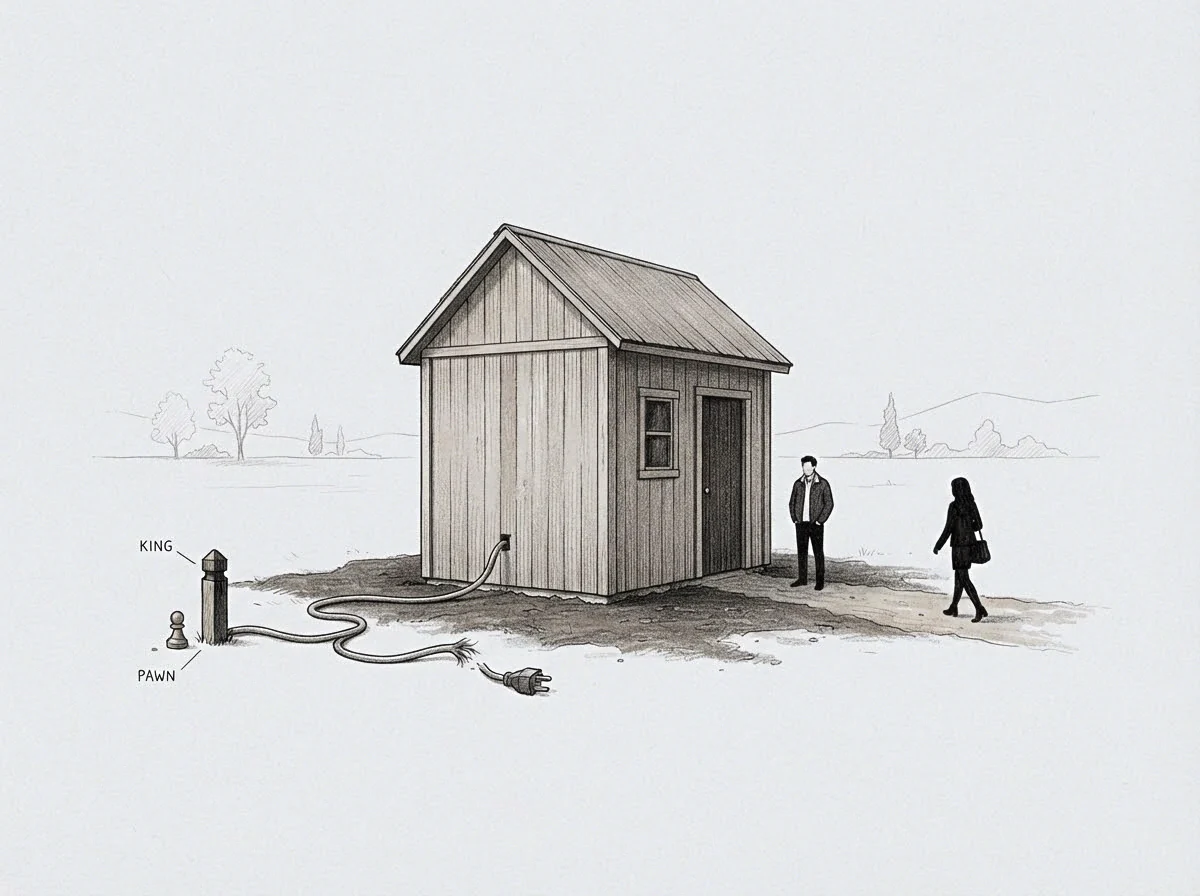
Meaning
A cognitive strategy used to defer active projects and open mental loops to free up executive processing power is an essential technique for managing complex workloads. For founders with numerous unresolved initiatives, thread parking involves systematically documenting and pausing active tasks so they do not consume working memory. It governs the distribution of attention and helps maintain focus on the task at hand.
This strategy is bounded by the quality of the tracking system, as poorly parked tasks will continue to generate mental noise.
Cognitive Relief
Externalizing open loops reduces the burden on the brain’s executive networks. By recording the precise state of a paused task, the mind is reassured that the project will not be lost. This release allows the prefrontal cortex to allocate full capacity to the immediate priority.
The continuous distraction of unfinished business is thereby minimized.
Maintenance Cost
Keeping track of multiple suspended tasks still demands some cognitive and administrative effort. The individual must periodically review the parked items to ensure they remain relevant and do not expire. This ongoing maintenance requires a small but steady allocation of attention and scheduling.
If too many tasks are parked, the tracking system itself can become a source of stress.
Retrieval Trigger
Reinitiating a parked task requires clear, predefined criteria and context restoration. Without these triggers, projects remain dormant indefinitely, leading to wasted effort and lost momentum.