Meaning
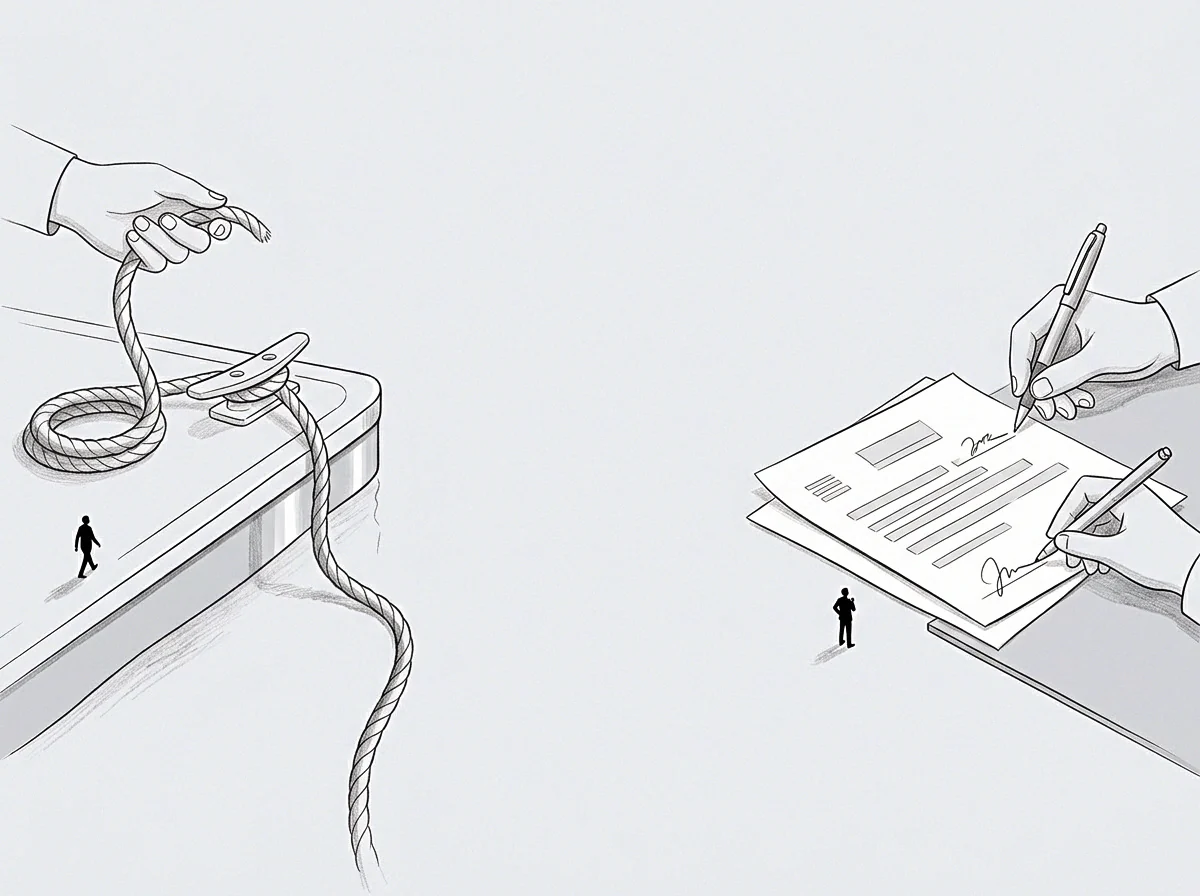
The deliberate reduction of threat monitoring allows a person to focus on a single task or to enter a state of deep rest. Vigilance suppression is the process of convincing the nervous system that the environment is safe enough to stop scanning for risks. This is often achieved through physical safety, predictable routines or the presence of a trusted guard.
Signal Filter
The brain actively blocks incoming signals that would normally trigger a stress response. Vigilance suppression allows a founder to ignore the constant noise of the market or the office and focus on deep work. This mechanism is essential for high level creativity and strategic planning.
It requires an environment where the person knows they will not be interrupted.
Cognitive Cost
The cost of suppressing the natural urge to stay alert is a specific type of mental effort. A person must work to ignore their own instincts and trust the safety of the environment. This can be particularly difficult for founders who have spent years in a state of high vigilance.
The cost is the energy spent in creating and maintaining a safe space where the suppression can occur.
Safety Boundary
This process fails immediately if a real threat or an unexpected interruption occurs. Vigilance suppression is a fragile state that requires total environmental control. If the safety of the space is compromised, the brain will instantly return to a state of high alert.
This boundary highlights the necessity of having dedicated spaces and times for rest and focused work. Interruption breaks the seal.