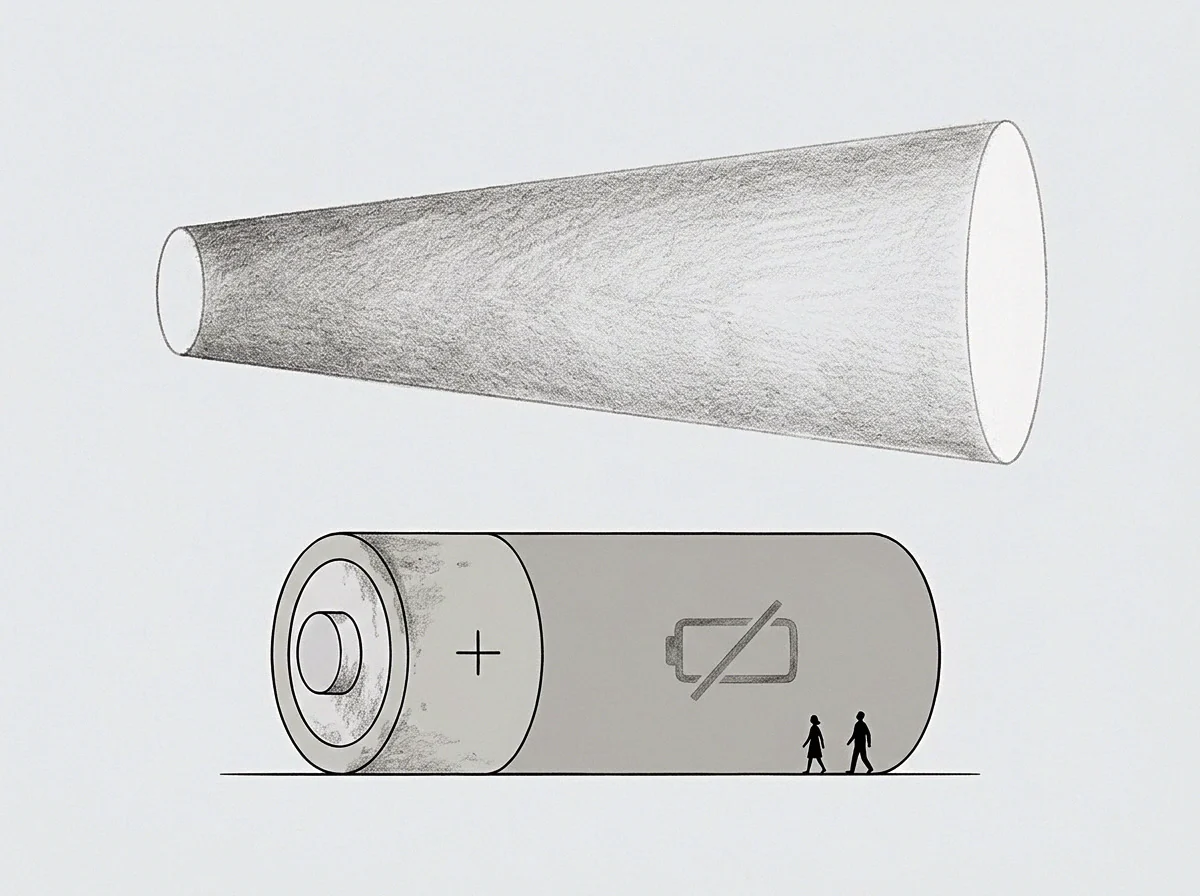
Meaning
The intentional reallocation of incoming requests and responsibilities away from a bottlenecked leader protects system performance. This workload diversion acts as a cognitive filter, ensuring that only the most critical issues reach the executive’s desk. It preserves the limited neural resources of the founder for high value strategic decisions.
The boundary of this practice is reached when the diverted tasks begin to overwhelm the capacity of the supporting team, leading to broader organizational strain.
Physiological Load
Creating an effective filtering system requires constant discipline and trust in subordinates. To benefit from workload diversion, the leader must actively resist the temptation to micromanage or monitor every diverted task. This resistance requires a conscious inhibition of anxiety, which is hard to maintain under pressure.
However, it eventually lowers baseline heart rate and improves sleep quality by reducing daily interruptions.
Systemic Cost
Reorganizing communication channels to protect the executive can create delays and frustration among external partners. The implementation of workload diversion means that clients and investors may have to wait longer or speak with deputies. This change can sometimes be perceived as a decline in service or responsiveness.
It is a necessary sacrifice to avoid complete executive burnout.
Operational Constraint
The successful redirecting of tasks requires robust training and clear protocols for the administrative staff. When workload diversion is active, the assistants must possess a deep understanding of what issues are truly urgent. This reliance on staff judgment increases the risk of misclassification and missed opportunities.