
The Long Term Autonomic Impact Of Sustained Asymmetric Risk Allocation Among Founders
Solitary venture liability forces persistent sympathetic activation and vagal brake failure, transferring metabolic stability to unexposed partners at heavy autonomic cost.

Exposure
Two partners sit in a room during a cash shortfall. On paper their equity split is equal, yet one signed the personal guarantee backing the bank credit facility while the other draws a market salary with no collateral at risk. The brain budgets metabolic expenditure against perceived survival probability.
When insolvency threatens personal bankruptcy for one person while leaving the other a clean exit, the nervous system registers isolation, and the autonomic response ceases to treat the company as a shared effort.
Social baseline theory shows that the nervous system budgets vigilance as an energy expenditure. Proximity to reliable partners lowers prefrontal cortex exertion, blood pressure spikes, and peripheral vascular resistance; shared burden signals safety to the dorsal vagal complex, quieting threat circuits. An uneven split in survival risk breaks this conservation model.
The signatory works without an external baseline, burning metabolic reserves to maintain operational steadiness.
When existential downside rests on one balance sheet, autonomic recovery drops to zero during joint work sessions.
The signatory absorbs unshared existential jeopardy while projecting the stability needed to keep the team working. Staff and collaborators read that composure as evidence of deep reserves, leaning on the steady presence and regulating their own micro-panics against someone facing personal bankruptcy. This metabolic transfer runs in one direction.
The unexposed partner experiences the business as a collaborative effort, recovering over weekends and evenings away from work. The signatory carries those same hours as sustained physical load. Cortisol follows a dysregulated curve, with elevated evening nadirs and a flattened morning awakening response, while peripheral sympathetic tone stays high.
Over several years, this divergence produces persistent neuroendocrine drift.
Desk
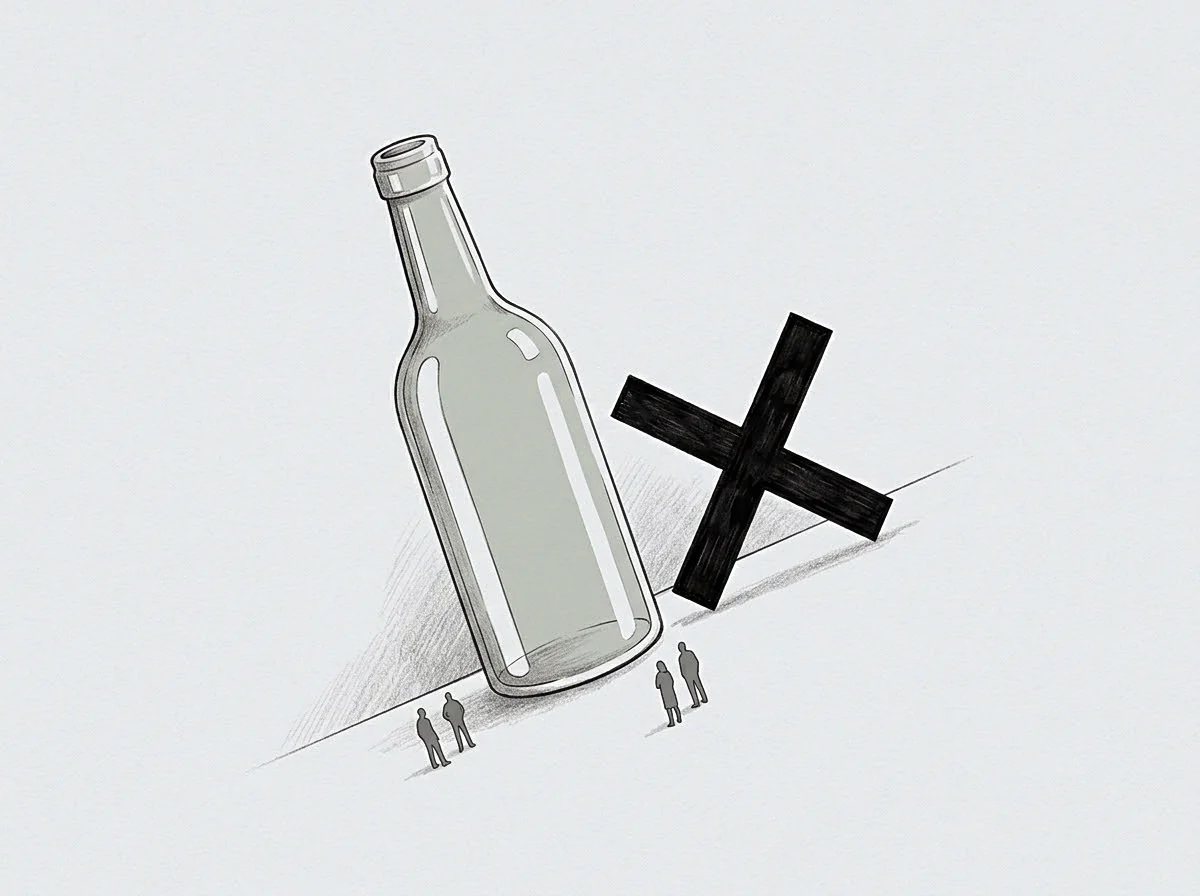
Shared furniture and identical workstations conceal the distribution of survival threat across an office. Two people sitting before dual monitors reviewing run-rate calculations experience divergent consequences depending on who guarantees the debt. Physical proximity creates an illusion of shared reality, but biological monitoring shows two nervous systems running under completely different threat thresholds.
In a typical arrangement where two partners spend forty-eight months building enterprise software, each might hold forty percent of common stock. One pledges residential property to secure a million-dollar facility covering hardware leases and payroll; the second contributes technical execution without personal collateral. When customer acquisition targets miss projections, the biological impact divides immediately.
- Guaranteed lease liability leaves personal family assets vulnerable to third-party seizure while operating colleagues hold unencumbered balance sheets.
- Fiduciary exposure concentrates statutory obligations onto the sole registered director when payroll deadlines approach without liquidity.
- Reputational fallout attaches permanently to the public face of the enterprise while technical contributors return to employment markets unblemished.
The signatory maintains composure through board meetings and reviews, which the unexposed partner mistakes for institutional resilience. Junior staff bring administrative friction and emotional fatigue to the sole guarantor for grounding. The guarantor absorbs the load, while the partner sleeps through the night.
The calm partner borrows regulation from the signatory without detecting the metabolic transfer.
Providing regulation to colleagues while carrying isolated bankruptcy risk drains neuroendocrine reserves. The brain learns that the presence of peers signals extraction rather than support. Over three years, the guarantor develops a defensive response to requests for reassurance, and routine team check-ins trigger sympathetic activation rather than collaborative relief.
The venture appears to operate on mutual trust, balancing an assumption of equal entrepreneurial risk against a legal reality where only one founder carries personal liability.
Tone
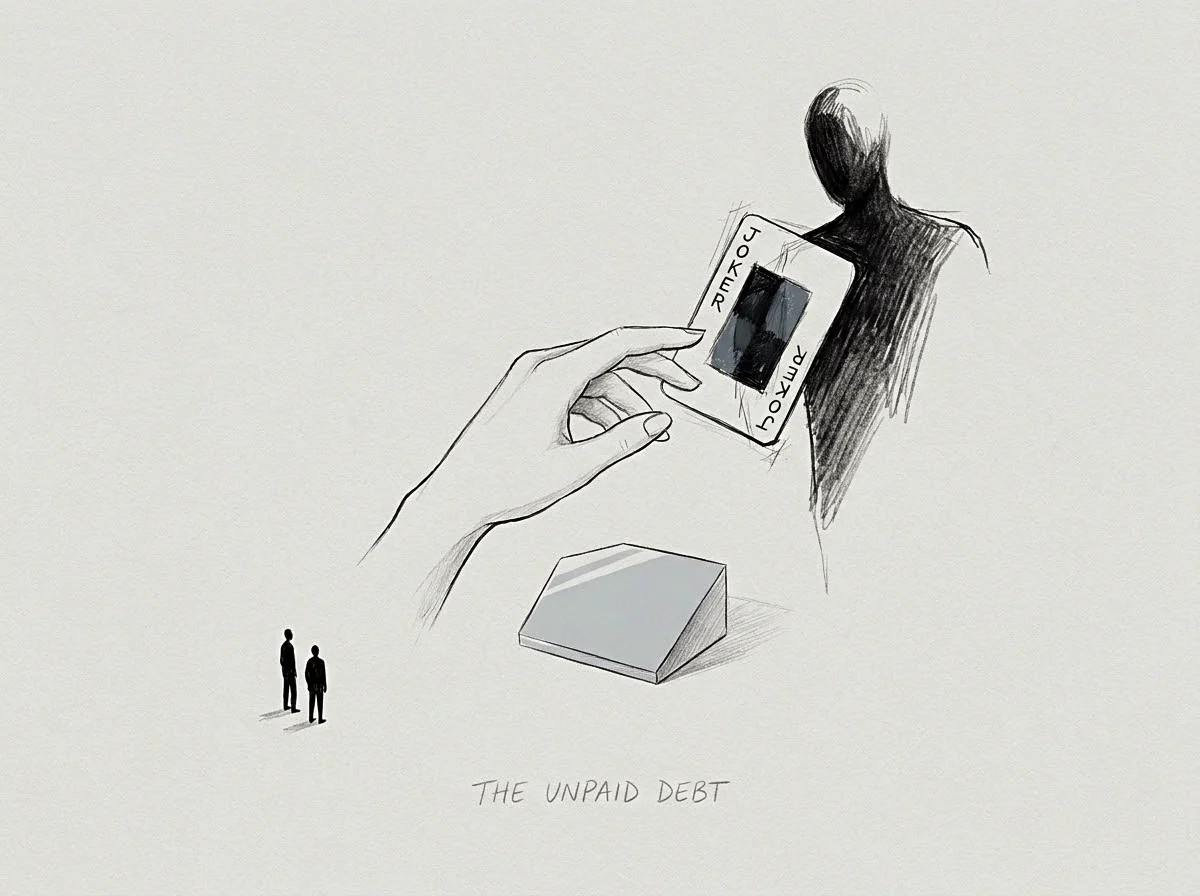
Prolonged sympathetic activation suppresses the high-frequency power band of heart rate variability, weakening vagal influence over cardiac pacing. Cardiovascular equilibrium depends on the vagal brake, a parasympathetic mechanism that slows the sinoatrial node during non-threatening periods. Sustained solitary accountability forces continuous sympathetic drive, letting that brake atrophy until resting pulse rates creep upward by ten to fifteen beats per minute.
What Happens When The Vagal Brake Fails?
Cardiovascular regulation degrades when survival threats persist without co-regulation. As the nucleus ambiguus reduces inhibitory signals to the heart, the body locks into metabolic mobilization, felt subjectively as an inability to downshift during vacations or family dinners. Sleep studies on isolated risk bearers document a steady drop in stage three slow-wave sleep and rapid eye movement phases.
- Suppressed vagal tone manifests as elevated baseline heart rate during non-working weekends and quiet evenings.
- Nocturnal cortisol elevation destroys cellular repair cycles despite profound subjective exhaustion.
- Blunted sympathetic deceleration prolongs hypervigilance for hours after operational crises resolve.
A personal guarantee signed without cross indemnification fixes sympathetic activation above the nocturnal resting threshold.
Clinical measurements distinguish this pattern from affective depression. Where depressive pathology shows blunted sympathetic reactivity and psychomotor slowing, solitary risk bearers show hyper-reactive sympathetic pathways paired with depleted adrenocortical reserves, a state defined as allostatic overload type two. The body stays primed for immediate defense even as cellular glycogen reserves run dry.
Interpersonal communication shifts under chronic vagal withdrawal. Facial muscles tied to the social engagement system lose micro-expressive variability, and the voice flattens into a transactional cadence that colleagues mistake for coldness. Over time, these regulatory adjustments turn into structural cardiovascular strain, accelerated arterial stiffening, and persistent metabolic wear.
Coil
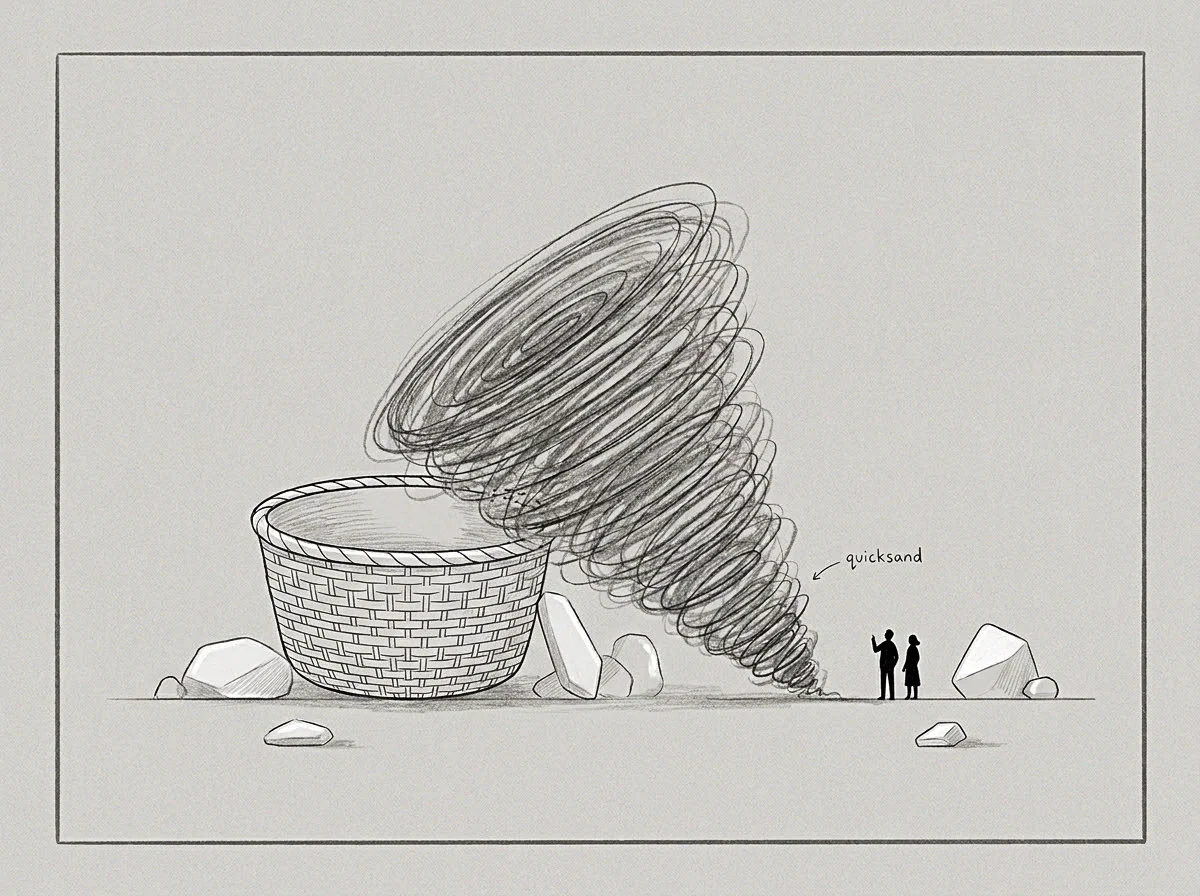
Asymmetric venture agreements generate structural friction over time, grinding down interpersonal goodwill into physical exhaustion. When agreements omit reciprocal indemnification, the exposed founder compensates with hyper-vigilance. The nervous system assesses threat from legal instruments rather than verbal assurances; a partner promising dedication offers no autonomic relief if corporate dissolution leaves a single name on creditor filings.
| Structural Variable | Symmetric Allocation | Asymmetric Allocation |
|---|---|---|
| Nocturnal Heart Rate Variability | Preserved high-frequency vagal power during rest | Compressed root mean square differences across sleep cycles |
| Social Interaction Response | Vagal brake engages during peer communication | Sympathetic fight-or-flight triggers upon partner arrival |
| Cortisol Awakening Curve | Steep morning spike with progressive evening decline | Flattened diurnal slope with sustained midnight elevation |
| Interpersonal Reserve Depletion | Shared co-regulation offsets operational friction | Unilateral regulation transfers to calm unexposed peers |
Asymmetric liability creates a regulatory siphon. The unexposed partner approaches corporate hurdles with cognitive playfulness, treating obstacles as strategic puzzles, while the exposed partner faces identical problems through survival circuits, knowing insolvency directly threatens personal shelter. That divergence fractures communication, as the exposed person comes to view the peer’s ease as reckless indifference.
The nervous system internalizes this pattern as a fixed condition of working with others. An operator who spends five years shielding unencumbered colleagues develops a standard reflex: to be in an organization means carrying others while receiving no support in return. Offers of assistance from incoming executives or board members trigger suspicion, read by the nervous system as administrative preamble to further abandonment of responsibility.
Shared upside creates cooperation while unshared downside creates permanent autonomic isolation.
An unshared financial instrument creates a physiological divide that no retreat or executive coach can bridge. A corporate indemnity clause with mandatory cross-guarantees functions as the genuine somatic intervention, because the nervous system only settles when bankruptcy risk is distributed equally across every decision-maker.
Relief
Recovery from years of solitary liability requires structural change rather than cognitive reframing. Conceptual insight into the nervous system does not restore vagal brake control. The body updates its threat budget only through tangible evidence of security, found in unencumbered assets and reciprocal legal commitments, and receptive capacity returns only after weathering operational crises where downside consequences fall equally across everyone involved.
Stepping out of an asymmetric corporate role begins an extended period of recalibration. The sympathetic loop continues firing even without active commercial threats, finding hazards in ordinary operational decisions. Family members and new associates encounter that residual armor, as the person manages routine commitments with the intensity once needed to avert personal foreclosure, leaving heart rate variability flat.
Earned security forms through structural boundary enforcement. The operator declines commercial agreements where personal guarantees lack joint execution. When collaborators ask for steady leadership under pressure, the operator establishes explicit contractual limits before personal capacity absorbs the shock; a stated limit redirects incoming force.
Repeated exposure under fair terms builds a different template. Over twenty-four months of balanced risk, peripheral vascular resistance drops toward baseline and sleep architecture recovers its slow-wave share. The vagal brake regains elasticity, allowing cardiac pacing to decelerate during non-threatening contact.
Structural symmetry on the outside precedes biological restoration within.