
Autonomic Regulation Budgets and Social Baseline Mechanics in Operators
The brain budgets baseline regulation assuming social proximity, making isolated self-regulation a costly metabolic mode for operators under stress.
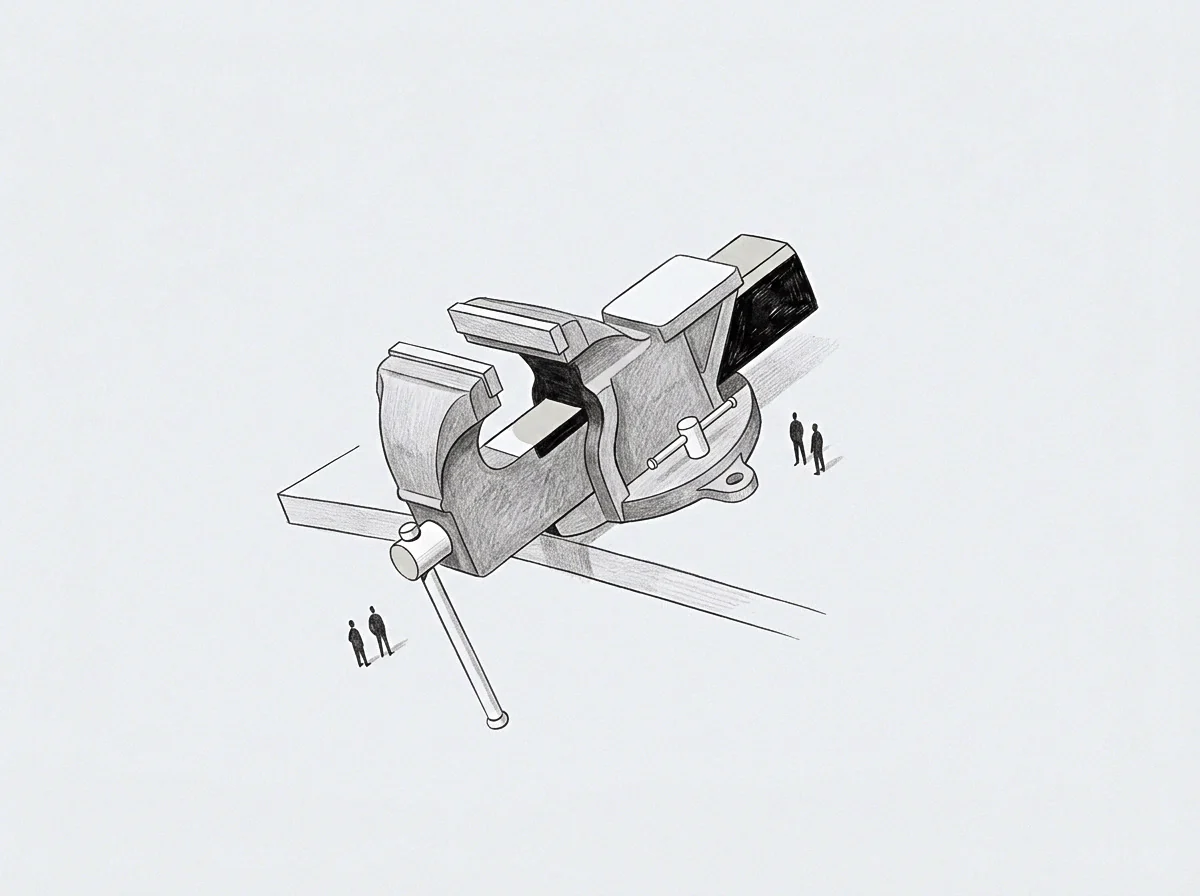
Presence
Four concurrent system alerts arrive during an active capital deployment while two senior staff request urgent intervention on conflicting operational priorities. The desk holds four open communication channels, a deteriorating timeline, and zero room for cognitive slippage. In the center of this field, one individual maintains steady vocal tone, stable heart rate, and concise direction.
The surrounding team visibly slows its breathing, steadies its output, and settles into execution. The room stays quiet.
What appears as personal composure functions physiologically as an export of autonomic stability. Social baseline theory establishes that the human brain constructs its primary neural architecture around the expectation of social proximity and shared effort. When reliable others are present, the central nervous system conserves metabolic resources by distributing risk monitoring, baseline thermoregulation, and emotional settling across the available group.
Physical proximity changes the baseline. In isolation, or when sitting as the sole structural anchor for a group, the brain reallocates glucose and executive bandwidth toward continuous vigilance, treating self-regulation as an expensive exceptional state.
Operators functioning as baseline anchors frequently misunderstand why routine interactions exhaust their daily reserve. Every interaction with a dysregulated counterparty involves an invisible physiological transaction. The unstable system attaches to the stable system, drawing down the anchor’s metabolic bandwidth to achieve its own homeostasis.
Borrowed calm carries a price. The recipient experiences the dynamic as simple clarity or focus, while the anchor pays for that clarity through heightened sympathetic expenditure and delayed recovery.

Operational Calm as an Absorbed Load
In high-stakes environments, team members gravitate toward individuals who exhibit low autonomic variance under threat. This movement is not an intentional strategic decision; it is a neurological reflex seeking metabolic relief. When the surrounding group senses elevated operational risk, its collective prefrontal exertion rises.
By anchoring against a stable colleague, individual team members down-regulate their own hypothalamic-pituitary-adrenal activation, effectively transferring their physiological processing burden onto the anchor.
To function as the sole calm state in a high-stress room is to expend metabolic reserve on behalf of every person present.
This dynamic creates an asymmetrical operational budget. While the team feels supported and steady, the anchor absorbs the unmitigated physiological cost of holding the group’s baseline. Over weeks or months, this unreciprocated exertion accumulates.
The anchor begins the day with diminished physiological headroom, mistaking the early onset of exhaustion for routine work fatigue.
The physiological cost manifests across predictable structural signals:
- Autonomic baseline shift where resting heart rate variability remains suppressed despite nominal off-shift recovery windows.
- Attentional narrowing that limits executive capacity for long-horizon strategic synthesis during routine operations.
- Elevated sensory reactivity in quiet environments as the neural architecture struggles to drop out of elevated risk monitoring modes.
- Vigilance retention where the physiological system refuses to enter deep parasympathetic rest while near team members.

Why Proximity Alters Metabolic Allocation
The human brain treats relational isolation as an emergency signal. Neural threat-processing circuits expend significantly fewer glucose resources when calculating risk in the presence of a trusted partner. When an operator occupies a role that lacks reliable, equal-status relational anchors, the brain reinterprets every operational challenge as a solo survival event.
The body tracks cost.
Under solo baseline conditions, executive functioning demands continuous active override of lower-brain alarm signals. This continuous override throttles long-range planning, increases error rates in lateral decision-making, and narrows contextual awareness. The individual continues to perform through sheer prefrontal effort, yet the metabolic rate required to sustain that performance rises exponentially with time.
Whether an operator can sustain this elevated baseline cost without experiencing structural physiological collapse over an extended deployment period remains an open empirical question.

Ceiling
Metabolic expenditure during solo self-regulation follows a steep non-linear slope. When an individual operates without physiological co-regulation, every incoming operational threat hits the central nervous system without an external dampening filter. Executive control structures in the prefrontal cortex must actively suppress amygdalar activation, maintain working memory, and coordinate motor outputs simultaneously.
Threat registers as work.
Allostatic load represents the cumulative wear and tear on physiological systems subjected to chronic, unmitigated stress exertion. In operators who serve as permanent anchors for their teams, allostatic load accumulates faster than standard recovery protocols can clear. The physiological ceiling is reached not when the individual runs out of motivation, but when cellular energy allocation forces a systemic throttling of non-essential functions.
Autonomic regulation budgets are finite. When the baseline expenditure exceeds daily intake over consecutive quarters, the system institutes involuntary conservation measures. These measures are frequently misdiagnosed as executive burnout or loss of ambition, whereas they represent protective biological throttles designed to prevent catastrophic organ-system failure.

The Metabolic Burden of Unshared Load
Consider a worked situation involving two founders who built an enterprise software firm over three years without defining clear terms for mutual physiological support. Assume the chief operator holds sixty percent of organizational decision density and handles all high-friction client escalations. The secondary partner manages internal product build cycles in comparative isolation.
Over twenty-four months, the chief operator acts as the absolute regulatory filter for forty employees, three investors, and key commercial clients.
The chief operator’s baseline autonomic state shifts into continuous sympathetic activation. Because no peer provides a reliable co-regulatory presence during high-stress board cycles, the operator relies entirely on solo self-regulation. The budget drains rapidly.
By month thirty, the chief operator experiences severe sleep fragmentation, executive processing delays, and emotional flattening. The operational system reaches its hard metabolic ceiling, forcing an unscheduled exit that destroys substantial equity value.
The progression of unmitigated allostatic degradation typically unfolds across distinct operational phases:
- Active compensation marked by elevated baseline cortisol and reliance on prefrontal drive to suppress fatigue signals.
- Functional erosion characterized by reduced processing speed, sleep architecture disruption, and reliance on chemical stimulants to initiate work blocks.
- Systemic throttling where the autonomic nervous system enforces parasympathetic withdrawal, producing acute apathy, severe executive dysfunction, and physical collapse.
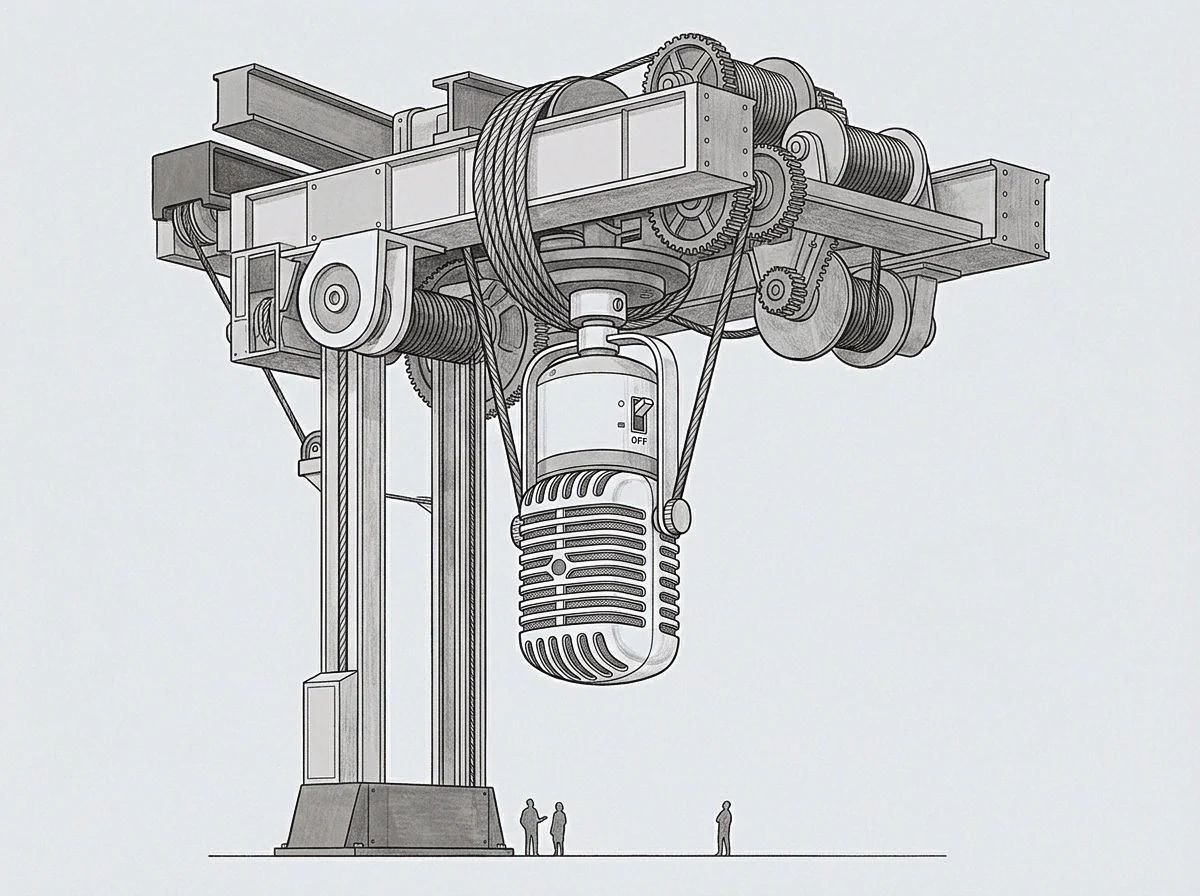
When Autonomic Reserves Reach Hard Thresholds
When metabolic reserves drop below critical thresholds, cognitive flexibility declines sharply. The operator loses the capacity to hold multiple competing hypotheses, defaulting to rigid, binary decision patterns. Small operational deviations trigger disproportionate autonomic spikes because the system lacks the buffer required to absorb novelty.
Unshared regulatory debt inevitably forces an involuntary biological shutdown once metabolic reserves fall below critical operation thresholds.
Sustaining operations beyond this biological boundary damages long-term capacity. The physiological machinery responsible for executive attention and autonomic recovery requires extended periods of low-demand stabilization to repair damaged neural pathways. Continuing to push through these hard biological limits permanently lowers the operator’s future baseline headroom, ensuring that subsequent stress cycles trigger functional breakdown significantly faster.
Ignoring hard metabolic ceilings converts a temporary operational deficit into a permanent structural collapse of the operator’s core execution capacity.

Template
Early developmental environments shape the internal working models that dictate how an individual manages threat and regulation. An internal model acts as a predictive template, mapping whether the external world contains responsive others who can share physiological load. When early developmental experiences demonstrate that external figures are unreliable, chaotic, or dangerous, the individual constructs a baseline strategy centered entirely on self-sufficiency.
Operators who ran this cycle backwards early in life internalize a specific structural distortion. They learn to regulate the adults around them to secure their own safety, effectively functioning as the emotional anchor before developing their own receptor capacity. For these individuals, regulating self and regulating others become a single fused operation performed on one inverted template.
They excel at providing calm under threat because their early survival depended on stabilizing their environment.
This inverted strategy creates a profound operational vulnerability. The operator possesses extensive machinery for exporting regulation but lacks the neurological receptor slot required to receive it. When a peer or partner offers genuine co-regulatory presence, the inverted template registers the input as an anomaly or a potential threat, actively shutting down the relational channel to preserve operational control.

Internal Models of the Responsive Other
The baseline template determines what feels natural during high-pressure events. An operator with a secure internal model automatically seeks relational proximity when threat levels spike, effectively sharing the physiological load with trusted peers. This capacity to use the social baseline lowers metabolic expenditure and preserves long-horizon decision clarity.
Conversely, an operator with an inverted template interprets any reliance on others as a dangerous point of failure. When pressure increases, this individual instinctively pushes peers away, absorbs the entire organizational load, and increases personal effort. Isolation doubles executive strain.
The behavior is driven not by logical operational assessment, but by an underlying neural template that equates external reliance with existential risk.

Why Operators Run Regulation Backwards
Inverted regulation functions as a highly effective coping mechanism in short deployments. An operator who can independently stabilize a room, suppress personal distress, and direct complex operations under fire provides immense immediate value to an organization. Load moves toward stability.
Consequently, high-risk organizations consistently select, promote, and rely upon individuals who run regulation backwards.
The institutional incentive structure reinforces the inverted template. The organization rewards the operator for being an unshakeable anchor while remaining completely blind to the metabolic debt accumulating underneath. The operator receives external validation for an unsustainable physiological pattern, further entrenching the belief that personal safety requires absolute self-reliance and continuous emotional containment.
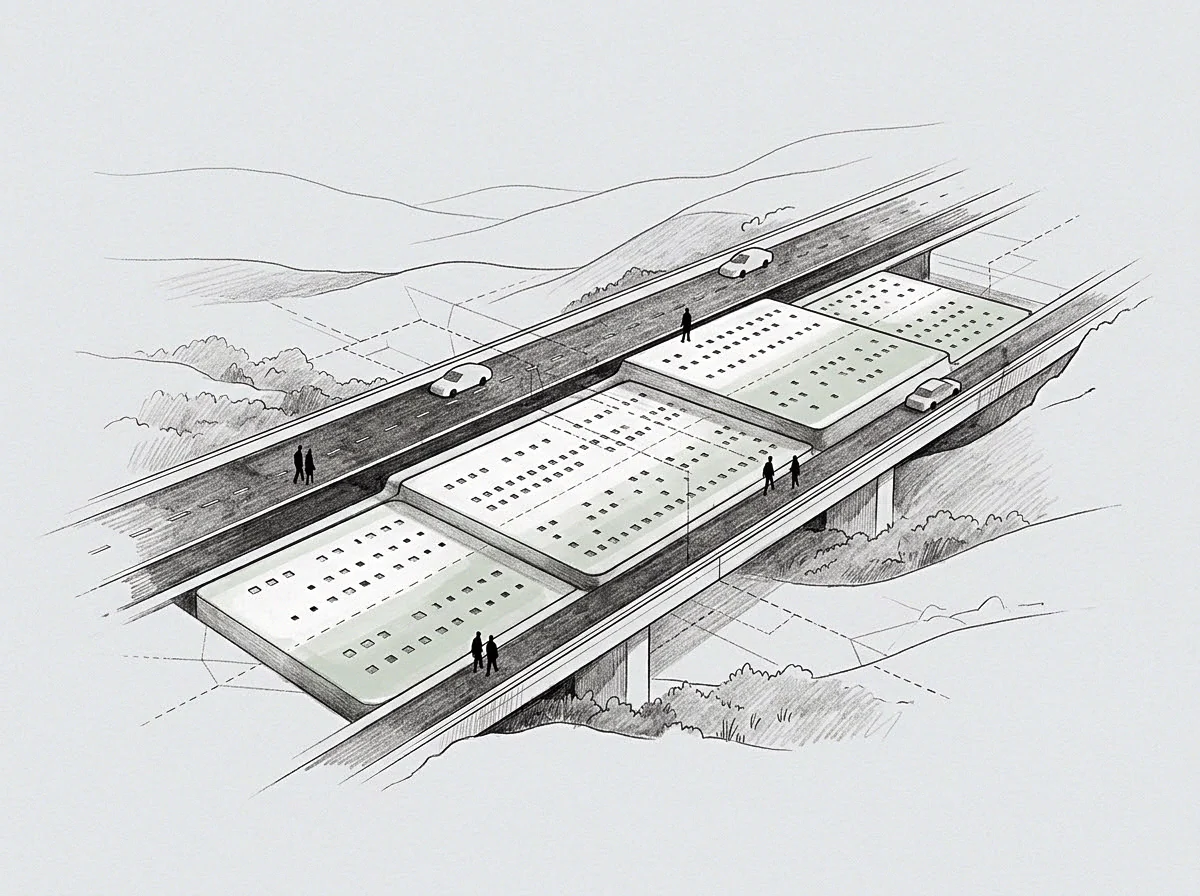
Where Does Borrowed Calm Originate?
The calm exported by an inverted operator is not generated from a boundless internal reservoir. It is borrowed from the operator’s own future physiological capacity. The system runs a continuous biological deficit, drawing down energy from endocrine, cardiovascular, and neurological reserves to construct the current illusion of stability.
An inverted template transforms every relational offer of support into a threat to the operator’s carefully maintained control loop.
Because the operator lacks a functional receptor slot, incoming support cannot land. Well-meaning partners, executive coaches, or team members attempt to provide relief, but their efforts bounce off the operator’s defensive containment perimeter. The operator remains trapped in a self-reinforcing loop: forced to export calm to maintain environmental stability, yet physiologically incapable of absorbing the co-regulation required to replenish their own baseline reserve.
If an anchor continues to treat every offer of support as an operational risk, the surrounding team eventually stops trying to provide it.

Weight
Organizational performance depends on how physiological weight is distributed across key operational roles. When an organization relies on a single inverted operator to absorb all systemic friction, it creates a single point of failure within its human architecture. The stability of the entire enterprise becomes contingent on one person’s cellular metabolic ceiling.
Different structural arrangements carry vastly different autonomic costs for their participants. Understanding these mechanics requires comparing how regulatory burden flows across different team configurations and operational designs.
| Operational Model | Primary Load Bearer | Metabolic Cost Profile | Systemic Vulnerability |
|---|---|---|---|
| Sole Baseline Anchor | Single Lead Operator | Extreme sympathetic drain on lead; low drain on team | Catastrophic single-point failure at metabolic ceiling |
| Asymmetrical Shielding | Executive Operations Pair | High localized drain on operational shield | Gradual operational drift as shield capacity degrades |
| Mutual Co-regulation | Distributed Peer Network | Balanced, low-level metabolic cost across all peers | Requires high baseline security across all participating actors |

Comparing Regulatory Structures Across Operating Environments
In a sole baseline anchor configuration, the entire organization leverages the lead operator’s physiological stability. The team functions smoothly because the lead absorbs all systemic shock, dampening volatility before it hits the operational floor. Nobody names the calm.
However, this structure produces high systemic fragility. When the lead operator reaches their allostatic ceiling, the dampening field collapses abruptly, exposing the entire team to unmitigated operational stress.
Asymmetrical shielding splits organizational duties, positioning one partner to handle external friction while another manages internal execution. While this protects internal build cycles, it places immense pressure on the external-facing partner. Unless the internal partner possesses the specific capacity to provide reciprocal co-regulation to the external partner during off-shift periods, the external partner experiences rapid autonomic depletion.
Mutual co-regulation represents the most resilient physiological design. In this structure, multiple operators share equivalent risk and possess mutual receptor capacity. When one operator faces an acute threat spike, peers actively step in to share the physiological load, dampening the autonomic response through structured relational presence.
Presence alters neural exertion. This distributed load-sharing prevents any single participant from approaching their metabolic limit.
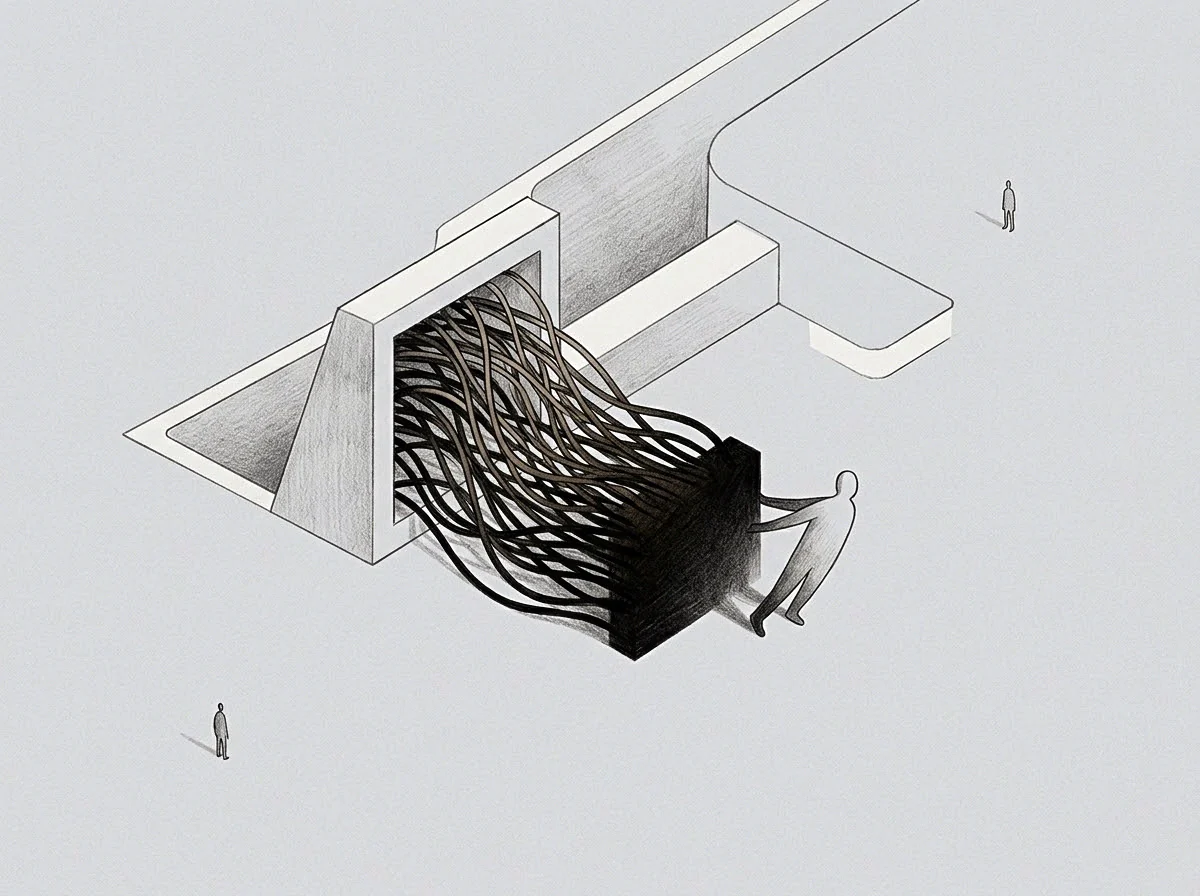
The Mechanics of Downstream Burden Transfer
When leadership operates in a state of continuous autonomic depletion, the resulting physiological instability leaks downstream. A depleted lead loses the executive headroom required to maintain consistent, predictable relational boundaries. Minor operational setbacks evoke rapid, unpredictable shifts in leadership tone, signaling threat to the broader organization.
Shared risk monitoring drops individual metabolic expenditure to its absolute physiological baseline.
The downstream team senses this underlying volatility and responds by increasing its own baseline risk monitoring. Team members expend cognitive resources attempting to read leadership mood and predict sudden shifts in strategy, diverting bandwidth away from core execution. Unaddressed leadership depletion systematically increases the autonomic budget required for the entire organization to function.
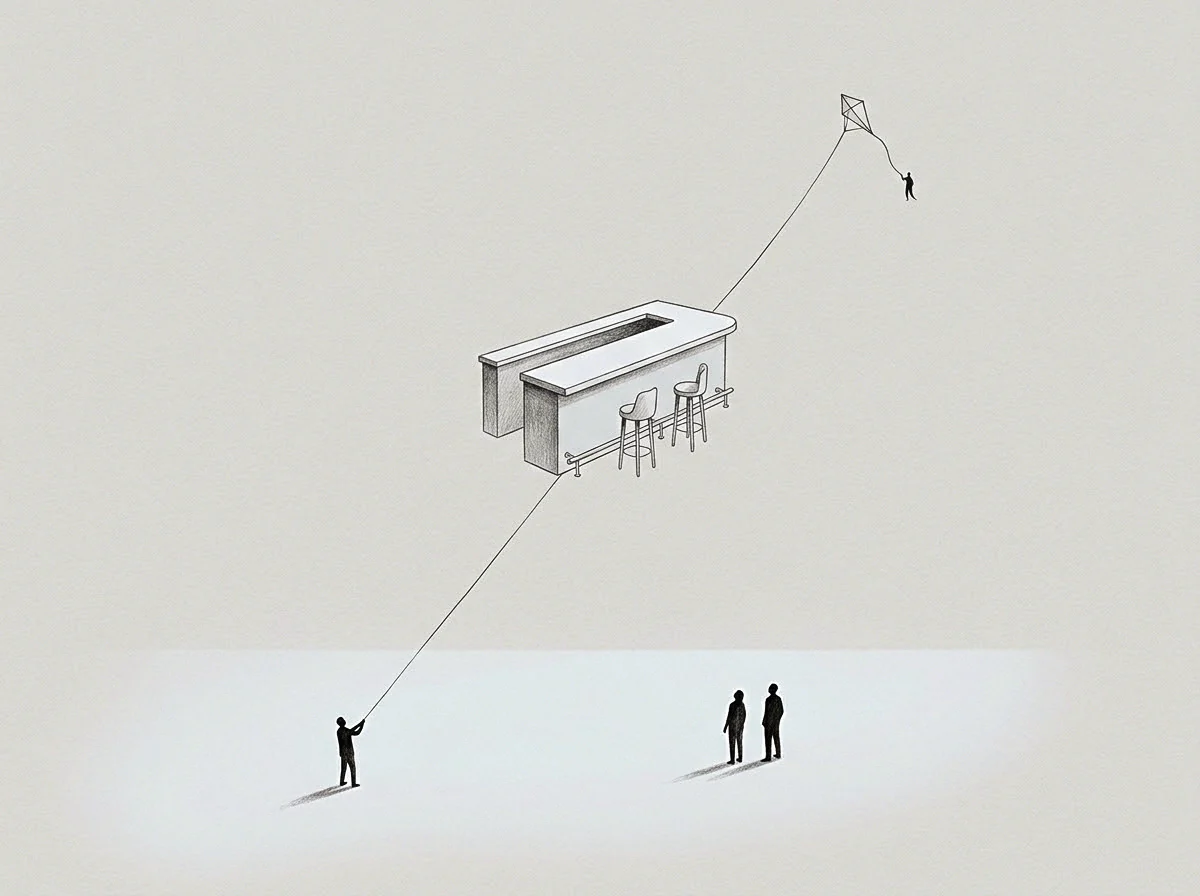
When the stated limit of an anchor is reached without a secondary system in place, the operational load transfers downstream instantaneously without reduction.
Slot
Updating an inverted regulation template cannot be achieved through intellectual understanding alone. Cognitive insight names the pattern but lacks the neurological authority to alter baseline autonomic responses. The brain alters its threat-processing calculations only in response to repeated, actual physical and relational experiences that contradict the established predictive model.
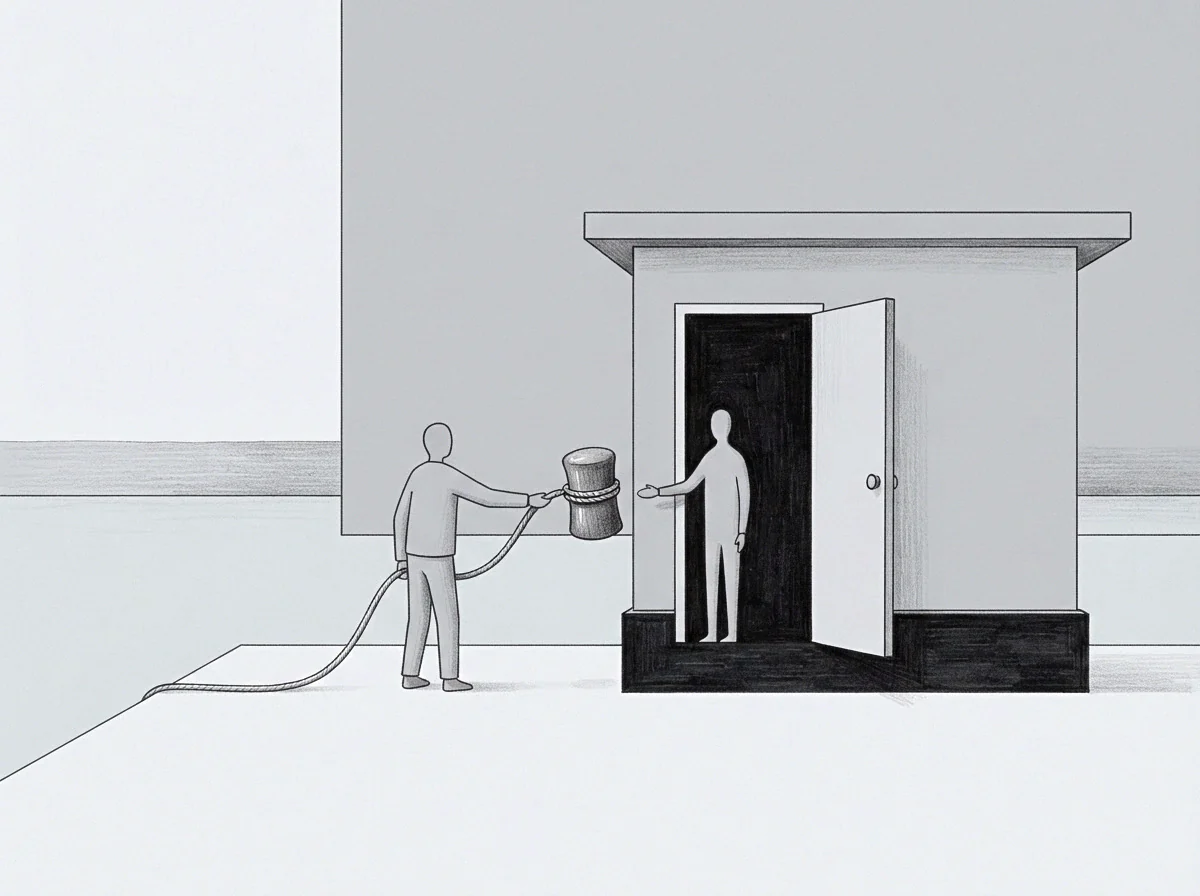
Earned security is the clinical and physiological process by which an individual constructs a new internal working model later in life. For an operator with an inverted template, earned security requires growing a functional receptor slot: the neurological and behavioral capacity to allow another person’s stable state to down-regulate one’s own autonomic nervous system under real operational pressure.
Constructing this capacity is a slow, iterative structural modification. The operator must deliberately expose themselves to controlled increments of relational vulnerability while under load, experiencing repeatedly that allowing another reliable individual to share the burden does not result in catastrophic loss of control or performance failure.

Constructing the Missing Capacity for Receptive Regulation
Building a receptor slot requires specific, repeatable operational parameters. The operator must partner with a peer who possesses high baseline autonomic stability and who cannot be intimidated or dysregulated by the operator’s defensive containment routines. This counterparty must remain steady when the operator experiences elevated stress, offering an unshakeable external anchor.
The operator begins by delegating small, bounded operational risks to the partner without maintaining secondary monitoring loops. When the partner successfully holds those risks, the operator’s nervous system receives a micro-update to its predictive model. The brain notes that external reliance did not produce system failure.
Over hundreds of repeated iterations, these micro-updates accumulate, laying down new neural pathways that permit true physiological co-regulation.
The transformation involves distinct structural phases over time:
- Relational risk testing where the operator consciously permits small operational gaps, observing whether the partner holds baseline stability without intervention.
- Somatic containment lowering marked by the deliberate release of physical muscular tension and autonomic guarding during joint high-stakes evaluations.
- Receptor slot consolidation where the nervous system automatically drops its metabolic risk expenditure in the physical presence of the trusted partner.
Delta Over Time in Operational Relationships
Measuring the shift from isolated self-regulation to mutual co-regulation requires tracking relational delta over extended multiyear horizons. The transformation does not manifest as a dramatic emotional breakthrough; it appears as a quiet change in daily metabolic efficiency. Time tests the shift.
The operator accomplishes the same high-stakes operational output while expending significantly lower metabolic reserve, ending execution blocks with intact cognitive and physiological headroom.
Over a two-year horizon, an operator who successfully constructs a receptor slot shows clear physiological markers. Resting heart rate variability during active sprint cycles stabilizes within normal bands. Executive attention remains flexible under acute volatility.
The necessity to drop into continuous solo vigilance vanishes, replaced by a flexible baseline architecture that scales risk monitoring dynamically based on actual, rather than perceived, environmental threat.
The ultimate test of earned security sits in the operator’s capacity to sit quietly in the presence of an equal peer during an ongoing operational crisis, drop executive override controls, and allow their own autonomic system to be held steady by the presence of another. The receptor slot forms, the regulatory budget balances, and the unshared load finally finds a place to rest.