
Neural Mechanics of Co-Regulatory Restoration for Technical Founders Experiencing Baseline Depletion
The brain defaults to shared regulatory budgeting, making isolated self-regulation metabolically expensive for depleted technical leaders.

Load
Four operational communication channels remain active at two in the morning while structural liabilities fall on one person. Technical leaders managing acute infrastructure incidents while maintaining organizational viability experience rapid exhaustion of autonomic reserves. The mammalian brain calculates survival requirements through real-time resource allocation.
When an individual operates without physiological buffers, the central nervous system interprets every incoming task as an immediate threat to systemic survival.
Isolation taxes the cortex.
Autonomic regulation relies heavily on continuous metabolic investments. The prefrontal cortex demands continuous glucose and oxygen to suppress amygdalar activation during prolonged high-stakes decision-making. Self-directed regulation under chronic stress forces the organism to operate on a high-cost metabolic setting.
Social baseline theory establishes that human physiology did not evolve to manage threat environments in isolation. When social proximity is absent, the brain defaults to maximum threat preparedness, elevating baseline arterial pressure and plasma cortisol levels.
Co-regulatory support reduces central metabolic expenditure during acute exposure to environmental stressors.

The Metabolic Price of Solo Threat Computation
A brain operating in isolation calculates risk as an unbuffered individual. Environmental demands translate into direct neural taxation. Without an attuning partner, the cingulo-operculum network maintains continuous hypervigilance to maintain system performance.
Vigilance requires glucose. The continuous turnover of norepinephrine depletes autonomic reserves, creating deep baseline depletion that sleep alone fails to reverse. The system pays.
When technical founders sustain high-concurrency demands over extended durations, individual nervous system capacity diminishes. The baseline drops.

Ventral Vagal Exhaustion in Concurrency
Continuous context switching across systems keeps the anterior insular cortex on high alert. The ventral vagal complex, responsible for social engagement and physiological calming, disengages when threat signals saturate neural processing capacity. Parasympathetic tone drops significantly.
The sympathetic nervous system assumes baseline operation, locking the individual into chronic fight-or-flight states that disrupt metabolic recovery.
Systemic fatigue accelerates when physiological recovery mechanisms fail to activate. The founder who relies exclusively on internal cognitive strategies to navigate baseline depletion forces their nervous system into sustained debt. Autonomic collapse follows when incoming operational demands outpace internal energetic production over extended timelines.
Proximity
Mammalian nervous systems calculate environmental risk through physical baseline sharing. Physical presence of a regulated co-specific signals to the central nervous system that energetic burdens can be distributed. Social baseline theory demonstrates that proximity to a calm companion alters the brain’s baseline risk assessment, down-regulating neural activity in regions associated with threat prediction and motor preparation.
Presence lowers threat.
Borrowed regulation operates below conscious awareness. Neural synchronization occurs when two physical bodies inhabit the same immediate space without active operational demands. Heart-rate variability syncs automatically when two people sit in quiet contact.
The depleted technical leader absorbs the calm state of the regulated partner, lowering systemic load without cognitive effort.
A stated limit on non-essential communications preserves autonomic capacity during acute physiological restoration.
Social Baseline Mechanics and Shared Energy Budgets
Neural baseline theory demonstrates that social organisms default to shared energy management. The brain considers social proximity the baseline condition for survival. Distance or emotional isolation from supportive peers forces the organism to assume full responsibility for threat mitigation, doubling metabolic costs.
Physical co-presence functions as an ambient buffer, reducing the firing rate of threat-detection circuits in the basolateral amygdala.
The body holds state.
Non-Verbal Attunement and Borrowed Calm
Heart rate variability syncs automatically when two people sit in quiet contact. Respiratory rates adjust to match the rhythm of a steady companion. This physiological entrainment shifts the autonomic balance from sympathetic dominance back toward ventral vagal engagement.
The transfer of physiological calm requires zero verbal processing, making it effective for individuals suffering from deep cognitive fatigue.
Dysregulated states occur predictably when environmental demands bypass autonomic buffers:
- Sympathetic hyperarousal manifests when chronic isolation elevates heart rate variability power spectrum ratios into sustained high-frequency distress bands.
- Parasympathetic shutdown occurs when autonomic reserves drop below minimum operational limits, producing emotional numbing and profound physical immobility.
- Attunement resistance develops when the neural system misinterprets incoming bids for relational connection as added cognitive demands.
Relational regulation succeeds only when incoming signals of safety match the organism’s baseline receptive capacity. The specific term of agreement alters autonomic resource allocation immediately.
Template
Early relational experiences form neurological internal working structures that direct how support registers. Technical leaders often spent early developmental periods operating as primary emotional regulators for their immediate environments. This early role assignment forces the developing nervous system to construct an inverted internal template: regulating others becomes the primary pathway to safety, while receiving regulation registers as dangerous or unavailable.
The slot remains empty.
Strength under load attracts more load. Organizations and team members instinctively lean on individuals who display high emotional containment under acute stress. The leader’s capacity to contain systemic anxiety encourages surrounding parties to dump unstructured emotional inputs onto them.
The internal template reinforces this dynamic, interpreting incoming demands as proof of competence while blocking reciprocal support.
The nervous system misreads incoming offers of care as operational liabilities when the internal template lacks a receptor slot.
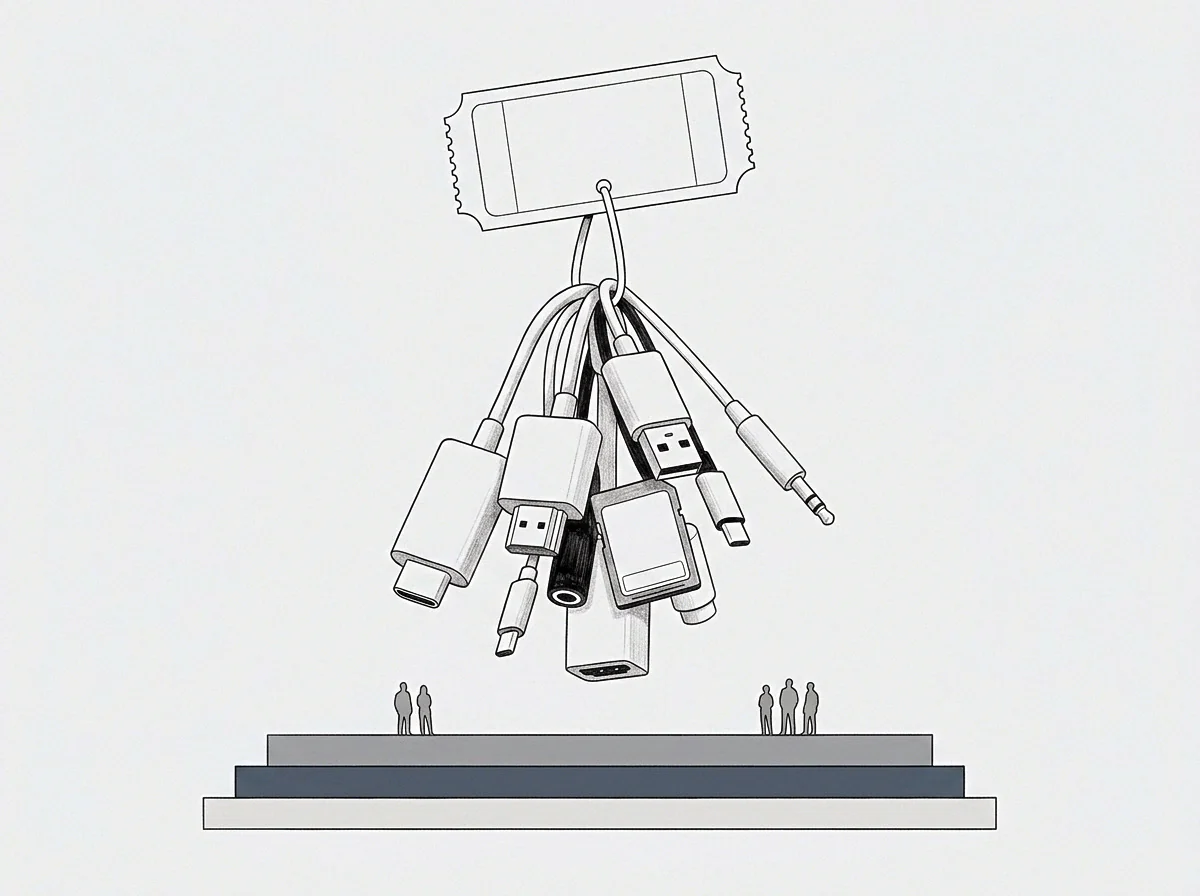
How Does an Internal Working Model Reject Proximity?
Incoming signals of care often register as additional incoming sensory traffic to analyze. When a partner offers physical presence or emotional attunement, the inverted template screens the gesture for potential demands. The brain calculates the energy required to process the partner’s state, concluding that holding space for oneself while accommodating another person requires excessive metabolic output.
Proximity reduces signal.
The template resists change.
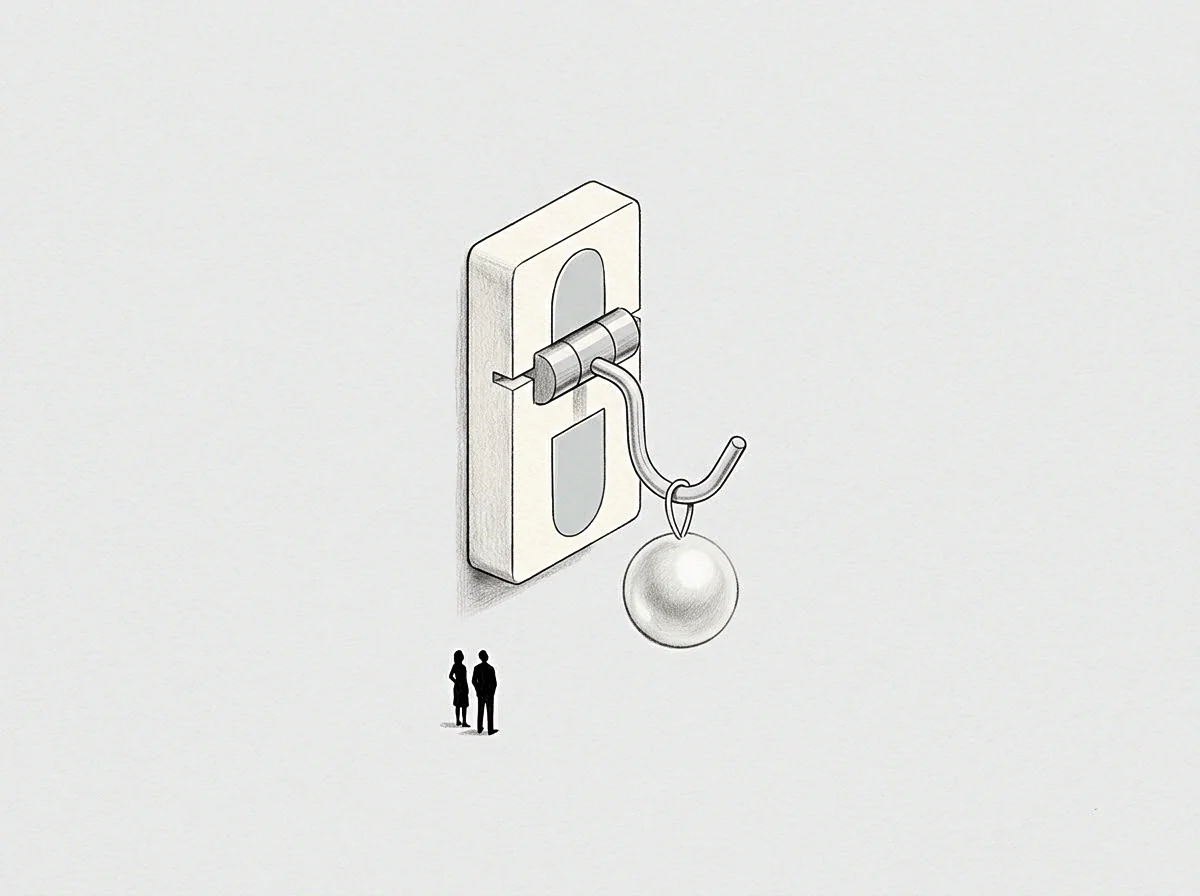
The Reversal of the Regulatory Loop
Early childhood environments often demand that a child stabilize an unstable parent. This structural inversion creates an adult who equates self-regulation with safety and external reliance with risk. The founder carries this inverted loop into corporate governance, building organizational structures that depend entirely on their personal capacity to absorb systemic shock.
- Primary caregiver instability forces early reliance on internal containment strategies.
- Childhood hyper-independence solidifies into an adult default operational style.
- Professional achievement validates solo regulatory competence under high complexity.
- Relational offers of support trigger autonomic threat responses instead of relief.
The partner looks across the table and notices that every gesture of care gets treated as an incoming bug ticket that requires immediate triaging.
Room
Architectural and relational surroundings dictate whether the nervous system can drop its protective shield. True restorative environments require absolute freedom from active operational tasks, non-negotiable temporal boundaries, and the presence of a companion who expects zero performance output. The physical space must signal complete safety to the primitive sensory organs.
Silence alters nervous state.
Comparing interpersonal regulatory setups highlights the metabolic advantages of non-verbal physical co-presence over isolated coping or verbal processing. The comparative grid demonstrates distinct autonomic costs across standard interaction styles.
| Regulatory State | Autonomic Load | Neural Processing Path | Receptor Requirement | Restorative Yield |
|---|---|---|---|---|
| Isolated Self-Regulation | Maximum metabolic consumption | Prefrontal cortex down-regulation of amygdala | None required | Low autonomic recovery |
| Verbal Tactical Support | Moderate cognitive demand | Language centers coupled with social evaluation | Active cognitive processing | Moderate emotional clearing |
| Non-Verbal Co-Regulation | Minimal metabolic cost | Ventral vagal autonomic resonance | Receptive somatic slot | High nervous system restoration |
| Data derived from physiological measurements of autonomic tone during social baseline testing. | ||||
Structural Architecture for Non-Demanding Presence
A dedicated physical setting without expectations lets autonomic arousal drop naturally. Spatial proximity without conversational requirements allows the cognitive apparatus to disengage fully. When two people inhabit a quiet room reading or resting independently, autonomic attunement occurs without executive intervention.
Capacity limits apply.
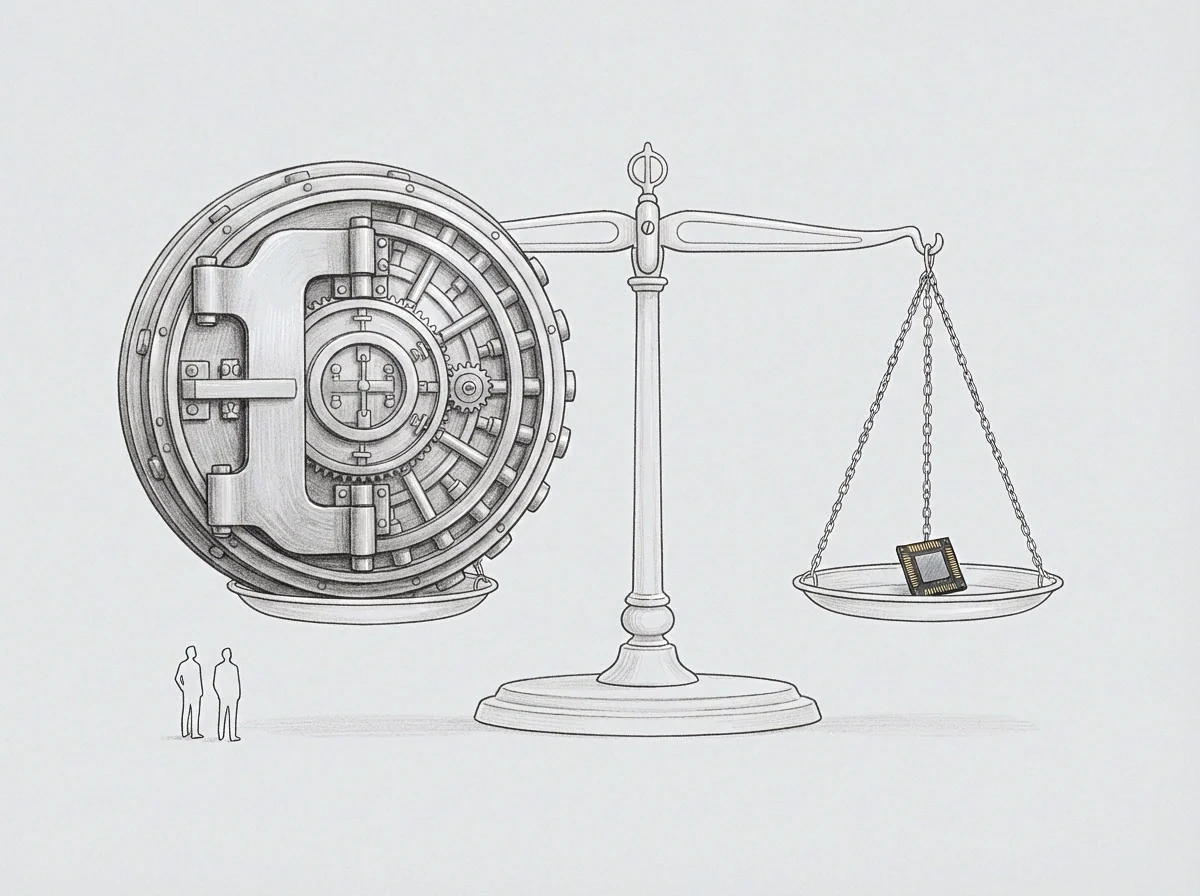
Comparative Mechanics of Regulatory Environments
Different interpersonal settings impose distinct energetic demands on an exhausted physiological system. Verbal debriefs force the prefrontal cortex to translate somatic distress into structured language, maintaining elevated baseline arousal. Direct physical presence without conversational goals bypasses higher cognitive centers completely, providing rapid restoration to depleted subcortical structures.
The budget shifts instantly.
A steady presence in the room lowers the metabolic threshold for physiological recovery regardless of active cognitive focus.
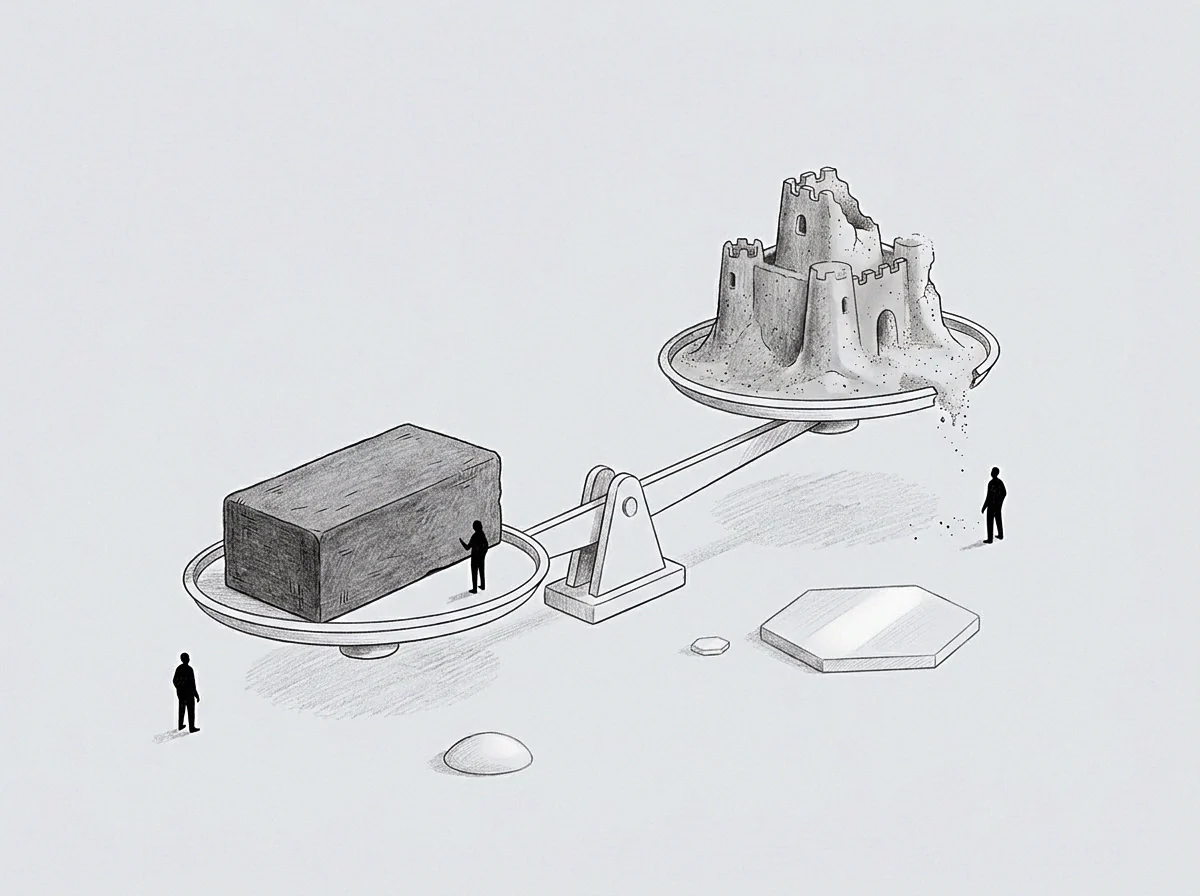
Restoration
Updating an entrenched neurological model requires direct somatic experience rather than cognitive insight. Understanding the mechanics of baseline depletion changes nothing about autonomic reactivity. Earned security develops through repeated exposure to situations where physical proximity remains safe, stable, and low-demand over long durations.
State precedes cognition.
Micro-experiences of physical presence slowly build new neural pathways. Sitting near a regulated partner for fifteen minutes without discussing work challenges the old internal template. Over time, the nervous system registers that relational connection does not inevitably lead to increased load or performance expectations.
Repeated somatic experiences of non-demanding presence gradually rewrite historical internal working models.
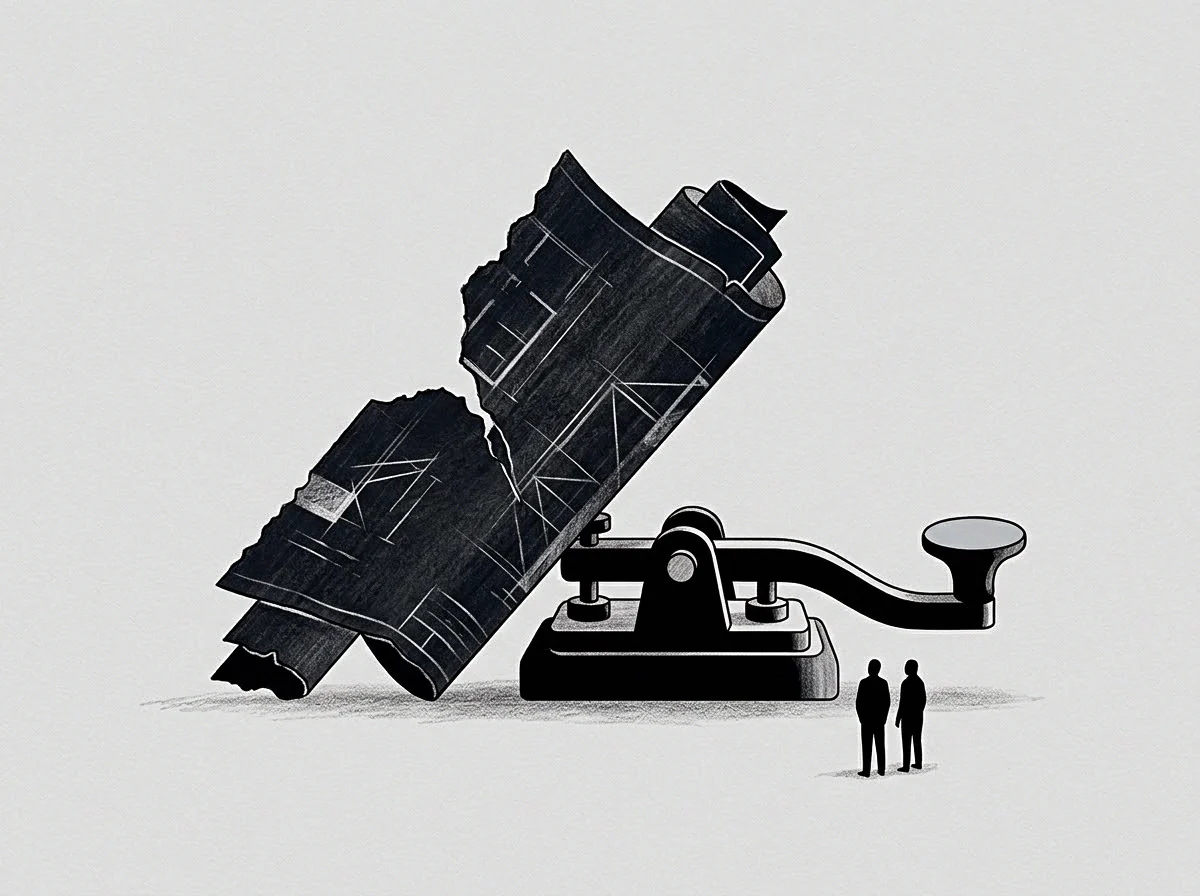
Somatic Micro-Experiences and Earned Security
Repeated physical experiences of unearned safety build new neural pathways slowly. Small, consistent moments of non-verbal connection allow the brain to construct a second working template alongside the historical inverted model. The receptor slot forms through somatic repetition rather than intellectual decision-making.
Safety alters neural threat.

The Somatic Shift Across Repeated Exposure
Long-term changes in autonomic tone reflect cumulative hours spent in regulated physical contact. As the second template matures, the technical founder begins to experience genuine metabolic restoration in the presence of an attuned partner. The physiological system shifts from chronic self-reliance to flexible, shared regulation.
The update path requires persistent somatic exposure to low-demand co-regulatory environments over twelve to eighteen months. Initial resistance yields to gradual nervous system softening as the organism learns that shared baseline regulation saves metabolic resources. The receptor slot opens slowly, allowing borrowed calm to register as personal restoration.