
How Executive Isolation Accelerates Executive Nervous System Collapse Under Pressure
Executive isolation forces the brain to budget environmental threat without social baseline regulation, accelerating autonomic exhaustion and decision failure.
Signal
Four unanswered operational decisions sit on a desk at midnight while heart rate remains elevated above resting baseline. The room is dark except for the screen, and each incoming notification brings a tight contraction across the back of the neck. Decisions that usually take five minutes stall in draft form for hours.
Physiological arousal stays elevated long after acute demands have stopped. The nervous system registers operational isolation as an environmental threat.
When an executive works without proximate, trusted colleagues, the brain adjusts its metabolic baseline. In social species, proximity to familiar peers lowers the neural investment needed for surveillance. Without those cues, the central nervous system handles environmental scanning alone, raising baseline sympathetic tone.
Every unread message, pending capital call, or structural dispute then carries the weight of an isolated individual monitoring an unstable perimeter.
Under sustained isolation, the perception of threat changes at a physiological level.
In the early stages of autonomic strain, an operator typically tries to absorb the friction by extending hours and suppressing emotional responses. The nervous system, however, treats chronic solitary decision-making as high exposure. Without social co-regulation, the prefrontal cortex draws heavily on glucose and oxygen to preserve cognitive control.
Over weeks of isolated operation, this metabolic draw impairs sensory gating. Ordinary operational shifts start registering as existential threats, locking the operator into persistent vigilance.
Co-regulation presence lowers prefrontal glucose expenditure during high-stakes decision cycles.
Carrying sustained self-regulation without relational buffers leads to an unsustainable physiological state. Neural architecture depends on outside regulatory inputs to buffer amygdala reactivity and sustain vagal tone. When governance structures cut senior leaders off from horizontal peers, those dampening mechanisms disappear.
Executive exhaustion under these conditions reflects poor distribution of neural load rather than limited personal capacity.
Physiological Cost of Solitary Operational Scanning
Continuous environmental monitoring without social baseline buffers burns metabolic reserves quickly. In normal environments, people distribute neural effort through proximity, vocal inflection, and visual cues from reliable partners. When operational boundaries cut off these loops, internal threat detection sharpens to maximum sensitivity.
The brain sustains elevated corticotropin-releasing factor, holding the cardiovascular and metabolic systems on constant alert.
The resting autonomic floor moves permanently higher.
Prolonged elevation of this autonomic floor erodes sleep architecture, particularly the slow-wave sleep needed for metabolic clearance and memory consolidation. Under these conditions, an executive experiences progressive cognitive narrowing. Risk assessment moves from long-range positioning to short-term threat avoidance, shrinking strategic perspective as internal energy reserves drop.
The practical question is whether the nervous system recovers once immediate operational pressure ends, or whether structural isolation permanently resets the baseline threat threshold.
Floor
The human nervous system budgets energy on the assumption that social support is close at hand. Social baseline theory shows that the brain relies on proximate, dependable partners as its primary energy-conservation strategy. When an operator works in complete isolation, that shared metabolic budget is lost.
Solitary self-regulation becomes costly, forcing the central nervous system to exhaust internal stores of glucose and oxygen to maintain composure and cognitive focus.
Autonomic strain compounds rapidly as solitary operating hours accumulate.
In isolated settings, the parasympathetic nervous system struggles to engage the vagal brake. Without routine, low-stakes interactions with peers, ventral vagal activity drops away. The sympathetic branch takes over, holding cardiac output and blood pressure at levels geared for physical confrontation.
Over months, this creates wear across vascular, endocrine, and neural tissues, accumulating as allostatic load.
A stated limit without structural proximity fails to reduce autonomic threat monitoring.
Without borrowed calm, an operator must draw continuously on internal glycogen and hormonal reserves. Apparent emotional detachment or flat affect is often simply the motor system conserving metabolic assets. The nervous system scales back social engagement to safeguard core executive functions, dampening circuits dedicated to empathy, non-verbal reading, and long-range planning.
Failure Modes of Unassisted Autonomic Regulation
When solitary processing capacity is exceeded, autonomic regulation breaks down in predictable sequences across several operational areas:
- Sympathetic Exhaustion occurs when continuous epinephrine and cortisol production depletes adrenal responsiveness, leaving the leader exhausted while unable to reach deep, restorative sleep.
- Vagal Brake Failure emerges when the nucleus ambiguus loses the ability to slow heart rate quickly, so that minor operational hitches set off prolonged tachycardia and physical distress.
- Sensory Gating Deficits arise as the thalamus stops filtering low-priority environmental inputs, turning ambient noise, software pings, and scheduling requests into overwhelming sensory disruption.
- Interoceptive Desynchronization manifests when the brain reads internal metabolic depletion as evidence of organizational crisis, prompting erratic strategic reversals.
Available energetic reserves diminish quickly under this sustained load.
Left unmanaged, this continuous drain pushes the nervous system past active coping into passive defense. The brain moves from sympathetic mobilization to dorsal vagal shutdown, bringing sudden apathy, cognitive slowing, and decision paralysis.
When governance structures force leaders to regulate their autonomic state in isolation, the ultimate cost in capacity is sudden functional failure across core decision-making channels.
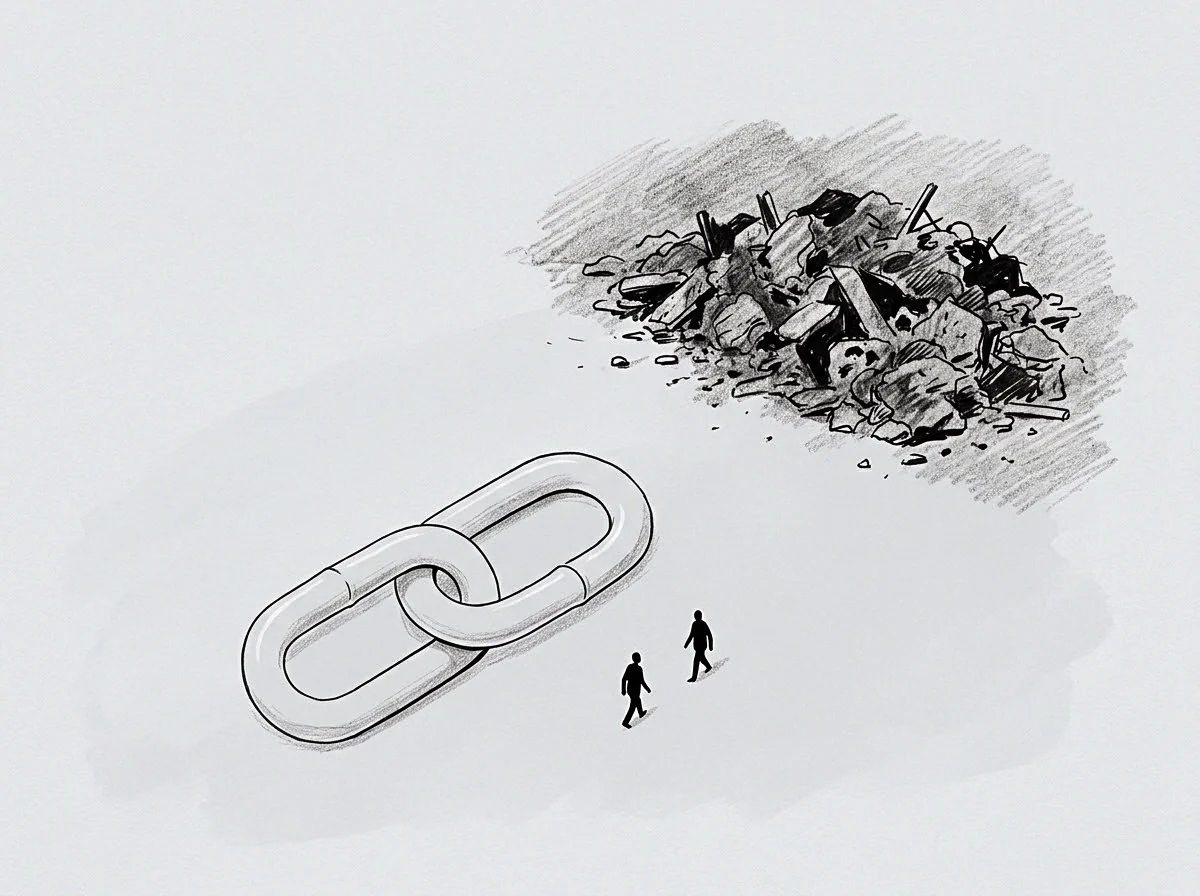
Circuit
Early relational development shapes the working model that governs how a person responds to threat and accepts support. Someone who internalized a responsive figure can seek outside regulation as pressure mounts. Those who developed in reverse internalized an expectation that they must regulate everyone around them.
They lack a functional habit of accepting support, treating offers of help as operational anomalies or additional monitoring tasks.
Unbuffered processing requires disproportionate energy from the individual.
This inverted model creates severe vulnerabilities in isolated executive roles. The leader absorbs board friction, founder disputes, and staff anxiety while trying to maintain composure. Equating security with control, they avoid delegating strategic or operational weight.
They function as a single node carrying the traffic of an entire network, quickly saturating internal capacity.
An internalized template built on total self-reliance converts every offer of support into an added monitoring task.
Without external calibration, ambiguous signals are increasingly interpreted as threats.
Under sustained load, this single-node structure fails to dissipate heat. The brain conflates operational pressure with social isolation, interpreting the lack of support as proof of a hostile environment. The executive becomes hyper-attuned to small shifts in investor tone or team sentiment, expending attention analyzing potential breaches of trust or systemic collapses that are largely projections of an exhausted nervous system.
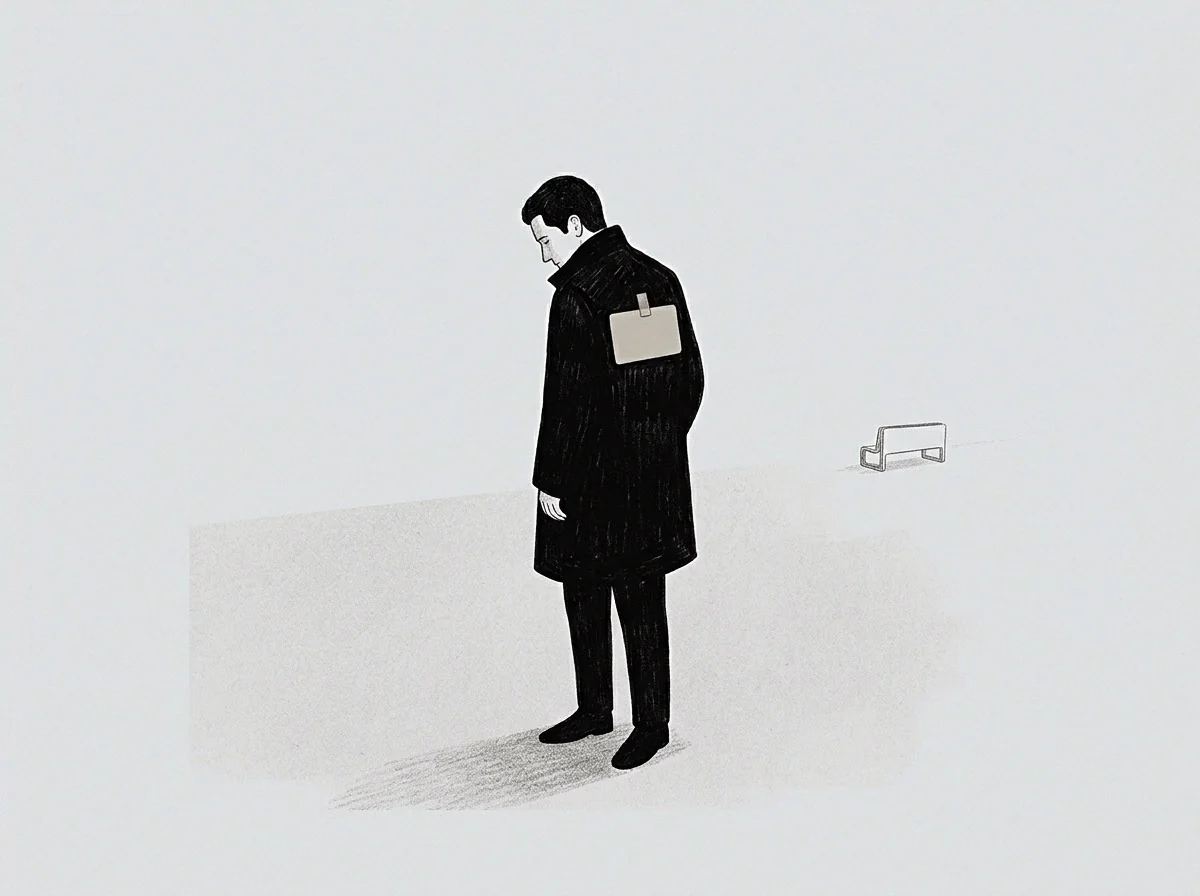
Why Does Borrowed Calm Fail Under Isolation?
Borrowed calm depends on sensory channels that require physical proximity, vocal cadence, and reciprocal physical feedback. When communication shrinks to asynchronous messaging, spreadsheets, and formal slide decks, those channels shut down. An executive cannot borrow nervous system stability from an email or a financial model.
The brain stays locked in expensive solitary regulation, consuming internal reserves while waiting for safety cues that digital channels cannot transmit.
- Digital channels strip away non-verbal safety cues, forcing the nervous system to expend extra effort deciphering intent.
- Asynchronous messaging delays resolution, keeping autonomic stress responses active over long stretches of time.
- Formal corporate boundaries prevent direct disclosure of operational strain, trapping the executive in constant performance signaling.
- The absence of horizontal peers removes real-time physiological attunement, leaving internal arousal unbuffered.
Physical presence fundamentally alters how metabolic energy is spent.
Trying to resolve this deficit through intellectual framing or solitary reflection provides little physiological relief. The central nervous system updates its threat baseline through sensory input, not cognitive rationalization. Without proximate, shared regulation, the underlying neural circuits continue running vigilance routines, moving the operator toward systemic exhaustion.
A partner reads the executive’s steady composure as evidence of unlimited capacity and assigns three more operational crises to be resolved alone.
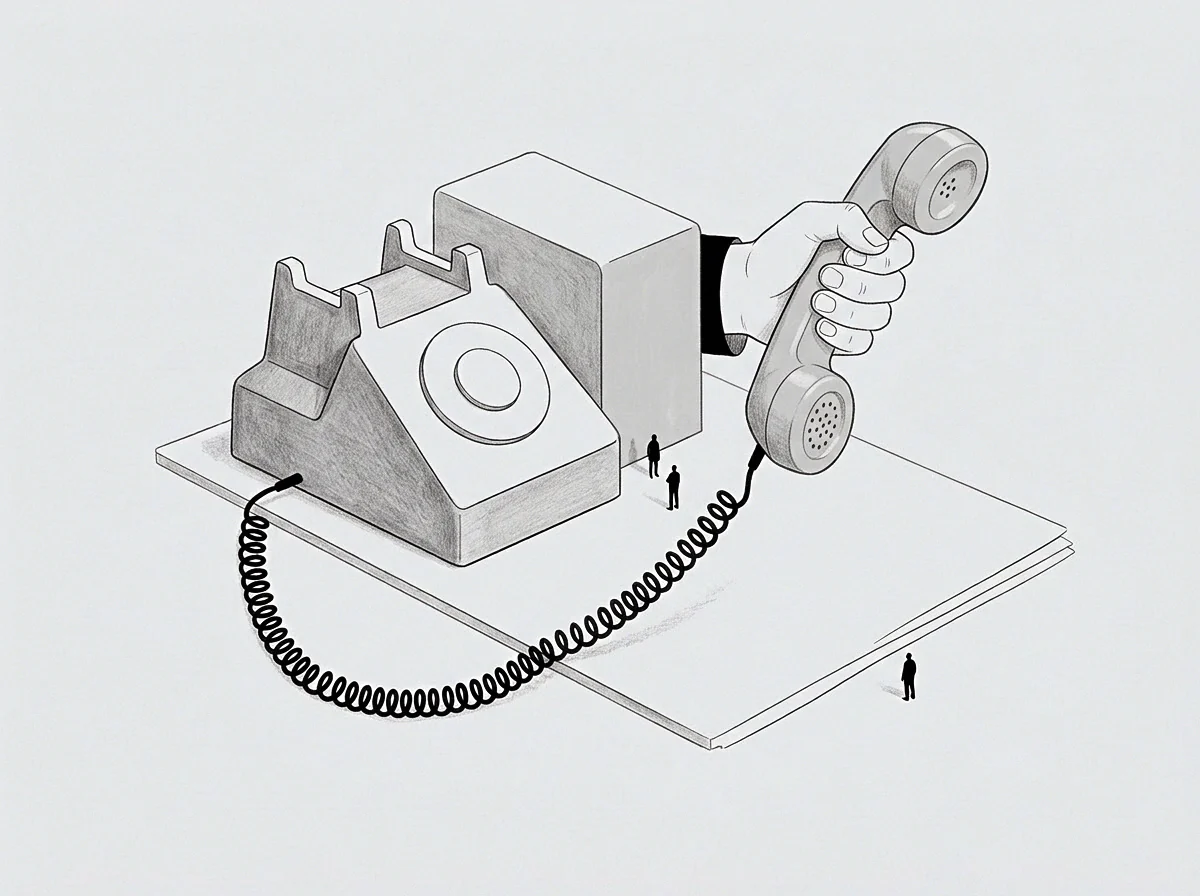
Shed
Consider two executive arrangements evaluated over a twelve-month horizon. In the first, a single executive holds final authority, dealing with the board and staff through scheduled meetings and digital channels. In the second, two aligned executive partners share horizontal authority and work in physical proximity during critical operational periods.
Assume identical market pressures, capital constraints, and operational complexity in both cases.
Working alongside an aligned peer alters how the brain allocates energy during crises. In the solo setup, every pivot forces the leader to manage personal apprehension, analyze complex data streams, and maintain an outward appearance of certainty all at once. This burns glucose rapidly.
In the paired setup, eye contact, vocal tone, and shared tactical responsibility automatically moderate amygdala activity, preserving prefrontal capacity for complex work.
Structural isolation shortens the working runway before fatigue sets in.
The table below outlines the physiological and operational divergence between isolated and proximate leadership structures during prolonged organizational stress.
| Evaluation Parameter | Isolated Solo Executive | Buffer-Layered Executive | Proximate Co-Regulated Structure |
|---|---|---|---|
| Ambient Sympathetic Tone | Severely Elevated (Continuous) | Moderate to High (Flctuating) | Baseline Rested (Dynamic) |
| Allostatic Load Index | Critical Accumulation | Sub-Critical Accumulation | Low to Moderate Accumulation |
| Post-Crisis Recovery Latency | 72 to 120 Hours | 24 to 48 Hours | 4 to 12 Hours |
| Threat Perception Bias | Extreme Systemic Sensitivity | Moderate Selective Sensitivity | Calibrated Tactical Sensitivity |
| Vagal Brake Responsiveness | Depleted / Severe Latency | Partial / Intermittent | Fully Operational / Dynamic |
The divergence in recovery latency demonstrates the hidden cost in energy and attention of solitary execution. The isolated leader needs five days to return to baseline following a crisis, during which new operational demands arrive while reserves remain spent. The co-regulated leader resets within hours, avoiding compounded allostatic wear and keeping decision quality steady through subsequent shocks.
Cognitive capacity narrows as unresolved stress accumulates.
When an isolated operator reaches critical allostatic load, fatigue skews risk appetite. Behavior swings between severe risk aversion, prompted by fear of further disruption, and impulsive decisions aimed simply at resolving the tension immediately. Structural isolation turns ordinary operational problems into triggers for physiological breakdown.
Executive capacity is a direct function of structural proximity to co-regulating peers.
When autonomic strain passes the threshold of solitary regulation, adding administrative layers or software tools does not reduce the underlying neural expenditure.
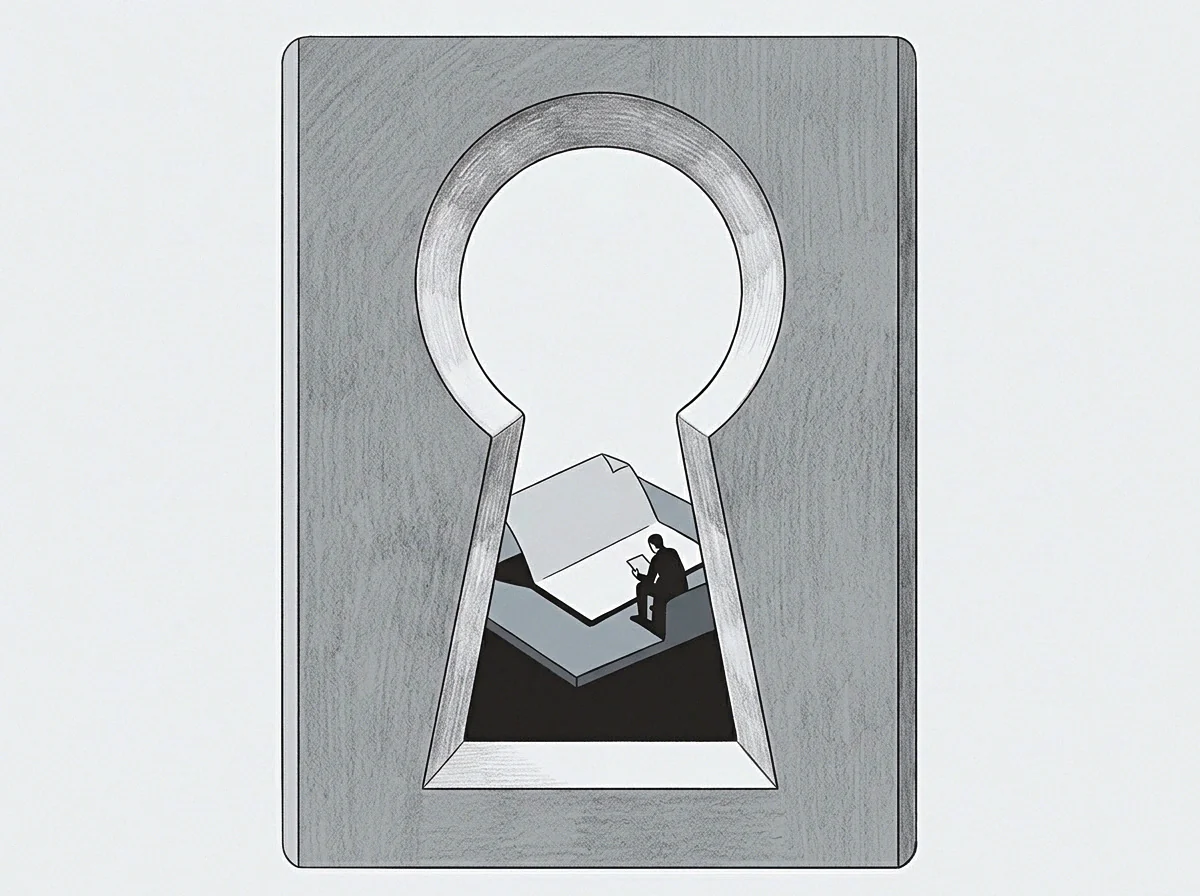
Update
Modifying a working model based on complete self-reliance takes deliberate, repeated experiences of shared regulation in real time. Grasping social baseline theory conceptually changes nothing in autonomic function. The central nervous system requires direct sensory confirmation that physical proximity and divided responsibility lower metabolic draw without introducing new risks.
A solitary neural budget eventually breaks down under sustained operational demands.
Relational stability develops as an isolated leader establishes secondary regulatory pathways with trusted peers. This begins in low-stakes settings where rank and status signaling are absent. Working in the same room with a partner who maintains a settled parasympathetic baseline allows the leader’s nervous system to entrain to that calmer state through normal mirror systems.
Over time, these repeated exposures build an openness to receiving support. The brain learns that sharing strain does not lead to operational failure or professional abandonment. Vagal brake function strengthens, sleep architecture normalizes, and prefrontal sensory filtering improves.
Strategic decision-making moves from defensive threat management back to long-range evaluation.

Rebuilding Regulatory Receptivity
Moving an executive nervous system from persistent hypervigilance to shared stability requires specific structural adjustments. The leader adjusts schedules to ensure physical proximity with reliable peers during high-pressure stretches. They phase out asynchronous digital threads for complex negotiations, using real-time voice and in-person discussions that preserve non-verbal cues.
The nervous system registers the absence of relational input as continuous background friction.
They set operational boundaries that prevent unbuffered exposure to external stakeholder pressure. These limits serve as protective buffers, enabling the autonomic system to leave sympathetic overdrive and recover in parasympathetic rest each day. The operator ceases relying on willpower alone to maintain performance, setting up working conditions aligned with physiological limits.
Moving from solitary self-reliance to shared executive execution changes how a leader manages organizational stress. Capacity returns to cognitive channels previously tied up in background surveillance. The executive retains access to problem-solving, empathy, and strategic perspective during periods of market volatility.
Autonomic stability provides the baseline for sustained organizational performance, keeping both the operator and the enterprise intact under pressure.