
Biological Cost of Unilateral Emotional Regulation in Broken Executive Teams
Unilateral emotional regulation in broken executive teams forces one nervous system to absorb collective friction, driving severe neuroendocrine and vascular breakdown.
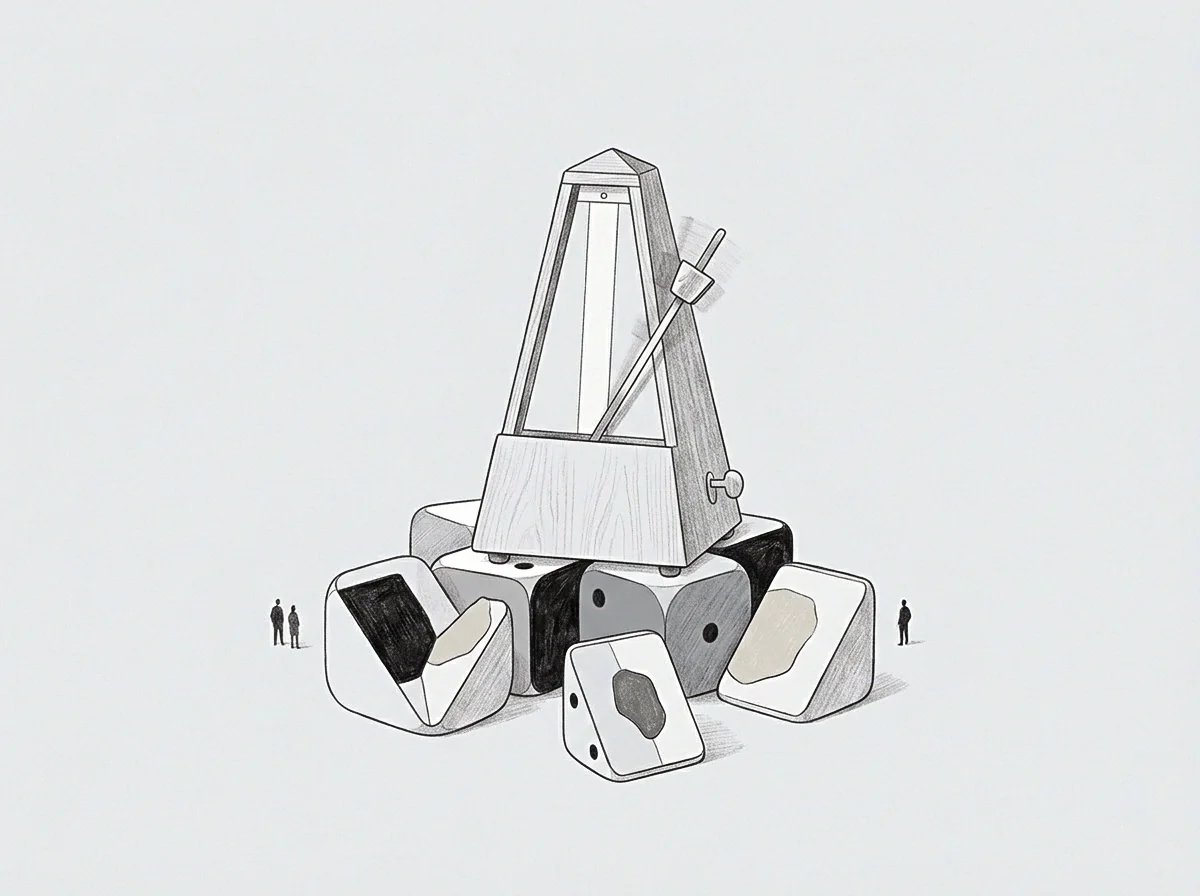
Asymmetry
Four open operational channels remain illuminated across two monitors at midnight while three executive peers remain disconnected following a hostile board meeting. The founder sits alone reviewing product launch dependencies and financial variances that went unaddressed during four hours of defensive infighting. Each peer retreated into self-protection, refusing to answer incoming queries from senior engineers and nervous enterprise customers.
The founder absorbs every unresolved issue, crafting steady updates to maintain investor confidence and soothe employee panic. The room stays quiet. Nothing in the room indicates the hidden biological expense mounting inside the central nervous system of the single remaining officer.
Under social baseline theory, the human brain treats relational presence as the default conservation economy for managing danger and metabolic allocation. Proximity to reliable partners signals that environmental hazards can be divided across multiple bodies, lowering individual baseline vigilance. When social resources fracture inside an executive team, the brain alters this baseline assumption.
The central nervous system shifts into an isolated survival posture, registering every unresolved conflict as an unshared threat. The founder musters conscious cognitive reappraisal to mask internal alarm, compensating for the emotional paralysis of the leadership group. The body settles the difference.
When collective threat produces retreat across an executive group, unilateral physiological buffering accelerates cellular wear in direct proportion to the duration of the operational stall.
Metabolic Shifts in Solo Executive Buffering
Deliberate suppression of visible agitation exacts a measurable bioenergetic price through autonomic and neuroendocrine activation. The brain consumes approximately twenty percent of total resting bodily energy despite accounting for two percent of total mass. Frontoparietal cognitive control circuits demand glucose at accelerated rates when performing unilateral emotional regulation during institutional conflict.
An executive who projects composure while absorbing interpersonal hostility exhausts cellular fuel stores faster than an executive operating inside a cohesive group. The solo regulator paid.
Vagal nerve regulation of cardiac rhythms reflects this metabolic tax. Under functional collaboration, social safety supports high vagal tone, allowing the parasympathetic brake to slow heart rate during discussions. When an executive team breaks down into factional silence, the isolated buffer experiences sustained vagal withdrawal.
Sympathetic dominance takes over, elevating resting pulse and increasing peripheral vascular resistance even while the executive sits motionless. This unshared load exacts payment.
Solitary Containment of Collective Panic
The habit of single-handed containment develops into an entrenched systemic liability within dysfunctional corporate hierarchies. Other officers notice that one individual reliably holds composure under fire, and they instinctively unload unresolved distress into that person’s inbox. The founder accepts this transfer under the assumption that organizational survival requires temporary stoicism.
Weeks turn into quarters while the underlying operational deadlock remains unaddressed. Prolonged solitary containment turns reversible autonomic reactivity into systemic vascular stiffening, chronic sleep fragmentation, and neuroendocrine exhaustion across the executive tenure.
Wall
Structural boundaries between executive responsibility and peer abdication dissolve when interpersonal accountability fails inside the governing suite. The solitary buffer transforms into an operational barrier, catching every incoming shock wave before it damages organizational performance. This posture prevents catastrophic operational failure across customer and investor touchpoints in the near term.
It simultaneously establishes an unviable biological extraction mechanism that treats one nervous system as unlimited shock absorption infrastructure.
Colleagues interpret continued silence and analytical lucidity as evidence of effortless resilience. Because the founder produces structured status decks and steady investor communications, the leadership team assumes the prevailing environment carries minimal strain. The external appearance of composure conceals severe internal allostatic loading.
The single buffer paid.
The executive who absorbs incoming panic without passing distress downstream receives incoming escalation as if the capacity to hold it had no ceiling.
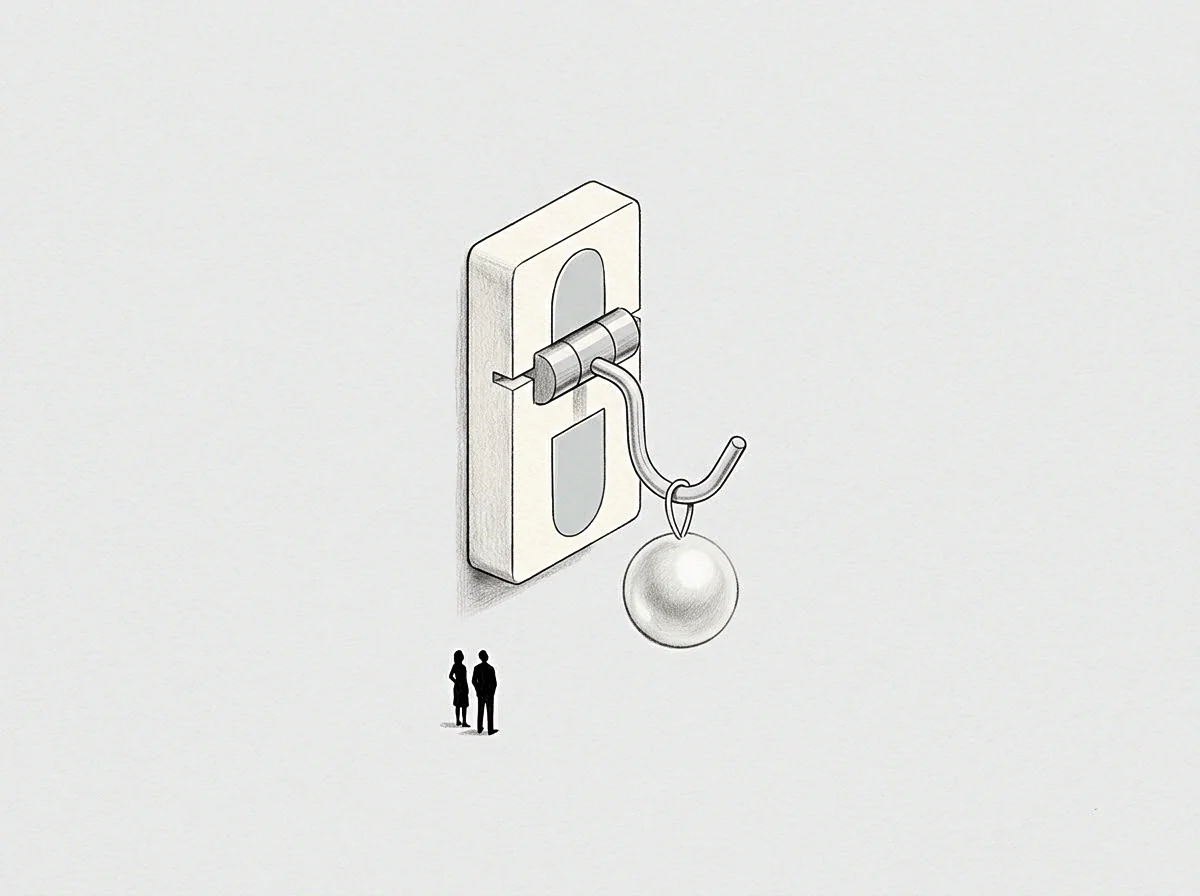
Incoming Shock Absorption at the Threshold
Every operational disruption presents a distinct energetic hurdle that demands biological containment when shared problem-solving fails. These friction points compound continuously across broken executive layers:
- Interpersonal hostility deflection consumes prefrontal glycogen reserves as the leader reframes abusive peer outbursts into neutral technical points for operating teams.
- Emergency liquidity narrative production forces prolonged sympathetic arousal while translating conflicting board directives into coherent quarterly runway forecasts.
- Customer attrition quarantine prevents frontline panic through synthetic managerial confidence that conceals catastrophic service level breaches from commercial accounts.
- Departmental gridlock arbitration ties up working memory capacity across twelve-hour negotiation sessions between intransigent department heads who refuse lateral dialogue.
Does Unilateral Buffering Alter Cardiac Autonomic Tone?
Direct laboratory observation of autonomic function confirms that unilateral containment under relational threat suppresses heart rate variability. When an individual manages relational tension alone, respiratory sinus arrhythmia drops markedly, indicating a withdrawal of cardiac vagal control. The myelinated vagus nerve normally coordinates social engagement behaviors while keeping metabolic burn low.
Relational isolation during severe organizational risk triggers functional uncoupling of this brake.
The founder experiences continuous pre-ejection period shortening, signaling pronounced beta-adrenergic myocardial stimulation even during sedentary desk work. Electrocardiographic studies demonstrate that prolonged autonomic skew of this kind precedes clinical hypertension and vascular endothelial remodeling. The executive bears the strain.
The other directors review the clean output at the monthly meeting and observe that the operating plan appears under complete control.
Exposure
Sustained activation of the hypothalamic-pituitary-adrenal axis constitutes the central endocrine injury of solitary regulation. Corticotropin-releasing hormone from the paraventricular nucleus triggers systemic release of adrenocorticotropic hormone, prompting continuous glucocorticoid secretion from the adrenal cortex. Basal cortisol levels lose their natural circadian decline, staying high throughout the evening and early morning.
The body keeps the deficit.
Glucocorticoid receptor resistance develops when circulating cortisol remains elevated over uninterrupted operating quarters. Immune cells downregulate functional receptor sensitivity to protect themselves from hormone toxicity. Systemic inflammation rises unchecked as a result, measured by circulating C-reactive protein, interleukin-six, and tumor necrosis factor-alpha.
The physical machinery of tissue maintenance deteriorates while the executive continues to broker peaceful outcomes between warring vice presidents.
A sustained elevation in basal cortisol combined with parasympathetic withdrawal degrades prefrontal executive control during complex negotiations.
Consider an electrical substation running a single primary transformer beyond its thermal rating during an extended municipal blackout. Coolant oil breaks down as internal coil heat accumulates, accelerating metal fatigue across the windings until the entire assembly fails catastrophically. The human autonomic system follows an identical thermodynamic trajectory when forced to process uninterrupted interpersonal friction without peer load-sharing.
Endocrine Wear and Neuroendocrine Strain
Neuroimaging literature demonstrates structural alterations in neural substrates subjected to persistent isolated containment. Prolonged glucocorticoid exposure leads to dendritic retraction within the medial prefrontal cortex and CA3 region of the hippocampus. Synaptic density declines in networks dedicated to prospective memory and cognitive flexibility.
The basolateral amygdala hypertrophies, increasing hypervigilant threat detection during ordinary operational transactions.
These architectural shifts explain why founders who run broken executive teams experience profound cognitive exhaustion. The capacity for top-down inhibitory control deteriorates precisely when intricate commercial judgment is most urgently needed. The executive feels subjective paralysis while attempting routine decision tasks.
The person in the seat paid.
Phased Trajectory of Chronic Solo Holding
The degeneration of bodily resilience under solitary containment follows an invariant physiological sequence:
- The phase of acute autonomic compensation produces elevated resting heart rates alongside sustained subjective clarity, masking underlying biological expenditure.
- The phase of neuroendocrine dysregulation exhibits flattened diurnal cortisol curves accompanied by mid-sleep awakenings and early peripheral insulin resistance.
- The phase of immune escape manifests as persistent systemic inflammation, joint aching, recurring viral reactivation, and microvascular reactivity collapse.
- The phase of cognitive fragmentation introduces noticeable executive dysfunction, affective blunting, working memory lapses, and profound emotional detachment from organizational milestones.
Laboratory findings supporting this neuroendocrine progression derive primarily from standardized laboratory stressors like the Trier Social Stress Test applied to healthy young adults in short intervals. Translating these findings to twenty-four-month corporate governance crises involves longitudinal extrapolation that field research has not fully corroborated across diverse age demographics. A careful practitioner accounts for this evidentiary limitation by measuring personal biomarker shifts directly rather than relying solely on generalized physiological curves.
What remains unresolved in clinical neuroendocrinology is why two executives with comparable systemic allostatic loads display vastly divergent rates of microvascular breakdown under sustained governance warfare.
Audit
Comparing functional co-regulation with solitary buffering clarifies the stark biological economics separating healthy executive leadership from broken operational dynamics. In a collaborative team, relational proximity acts as an energetic dividend, dividing environmental challenges into shared cognitive components. In a fractured team, the single buffer subsidizes peer avoidance through personal cellular expenditure.
The biological bill comes due.
| Operational Criterion | Bilateral Executive Co-Regulation | Unilateral Physiological Buffering |
|---|---|---|
| Cardiac Autonomic Profile | High respiratory sinus arrhythmia with rapid parasympathetic reactivation following board conflict. | Sustained vagal withdrawal and continuous beta-adrenergic dominance across resting work hours. |
| Neuroendocrine Trajectory | Normal circadian cortisol variation with rapid post-crisis glucocorticoid clearance. | Flattened diurnal cortisol curve with persistent evening hypercortisolemia and glucocorticoid resistance. |
| Allostatic Metabolic Burn | Metabolic threat cost distributed across multiple prefrontal networks through mutual appraisal. | Frontoparietal glucose depletion concentrated within one central nervous system. |
| Relational Information Flow | Transparent lateral error reporting with shared ownership of operational corrections. | Asymmetrical data hoarding where peers transfer unmitigated alarm to the single regulator. |
| Long-Term Structural Capacity | High team endurance across prolonged multi-year market downturns and governance transitions. | Imminent functional breakdown of the solo buffer resulting in abrupt operational decapitation. |
Measured Contrast Across Operational Regimes
The data confirms that the presence of an active, dependable executive partner fundamentally alters how the human brain processes operational crisis. During bilateral co-regulation, emotional equilibrium returns within minutes of a confrontation because the physiological burden is divided laterally. The prefrontal cortex offloads computational checking to the partner, dampening limbic reactivity through authentic relational safety.
The template remains unchanged.
Unilateral containment completely eliminates this metabolic subsidy. The single buffer holds full responsibility for the entire relational field while receiving zero regulatory input in return. The operational output may temporarily resemble that of a high-performing group, but the underlying biological infrastructure degrades steadily.
An explicit clause in the executive governance charter specifying mandatory collective decision protocols alters this metabolic dynamic by forcing peer engagement under operational duress.
Dispersal
Halting this metabolic depletion requires structural redistribution of administrative and interpersonal friction. Solitary buffers frequently fall into the trap of attempting cognitive reappraisal or physical recovery routines while remaining embedded within broken interpersonal arrangements. Modifying personal mindset cannot offset the unrelenting autonomic toll of absorbing peer panic in real time.
The founder must alter the operational architecture that concentrates collective strain into a single seat.
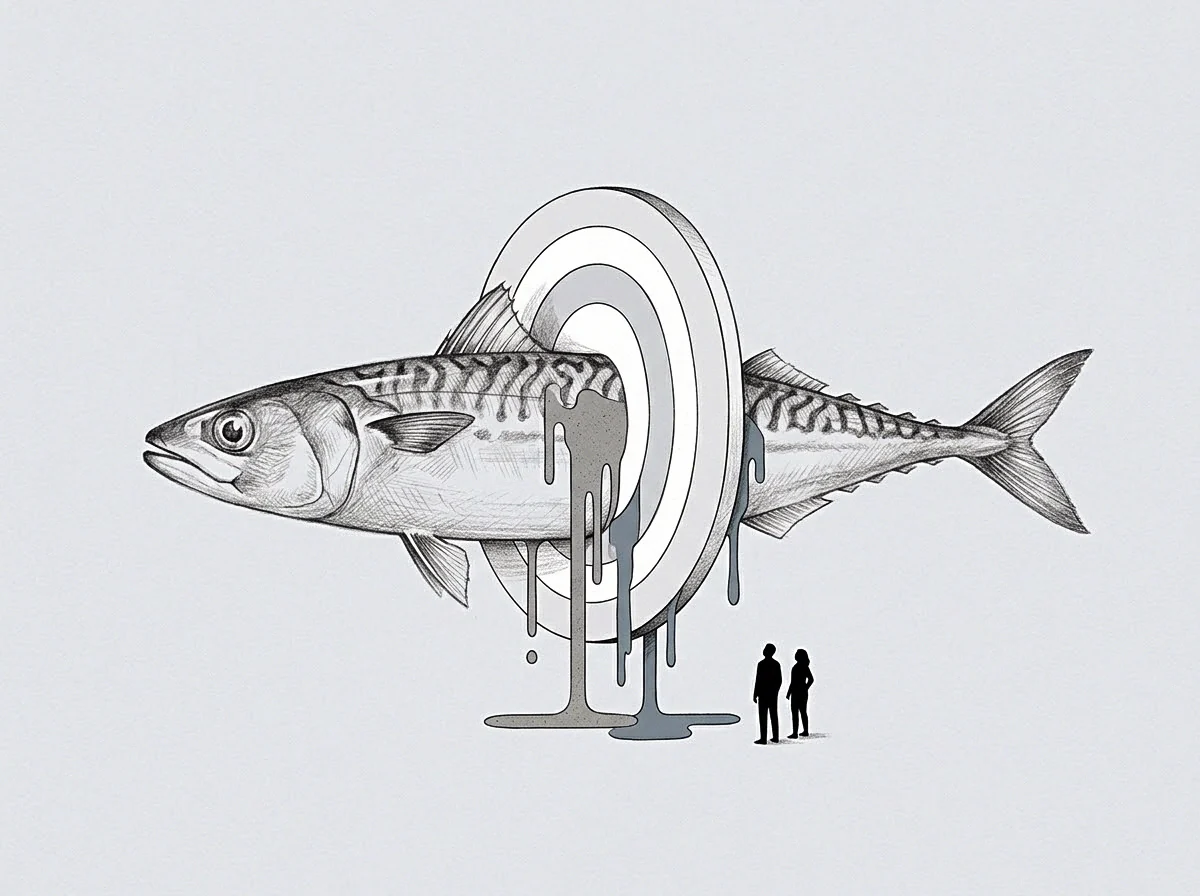
The first structural intervention involves the rigorous cessation of unilateral buffering. When an executive peer refuses to handle functional dependencies or escalates panic downstream, the founder ceases to intervene silently. Operational friction must be permitted to surface at its genuine structural origin.
If marketing and engineering leadership decline to coordinate release schedules, the resulting product delay must sit visibly in the executive boardroom rather than being resolved through midnight founder triage. The partner offered no relief.
An executive team either distributes the metabolic weight of systemic friction across all seats or bankrupts the single member willing to hold the line.
Structural Termination of Isolated Holding
Terminating solitary holding shifts organizational pressure back onto the entire executive council. When the buffer stops absorbing interpersonal hostility, the true operational deficit becomes obvious to investors, board members, and department heads. The founder establishes strict operational limits, refusing to arbitrate peer gridlock that belongs within bilateral department ownership.
The heart rate remains elevated initially, but the source of stimulation changes from indefinite containment to bounded systemic correction.
This operational move carries immediate governance risk. Fragile peers often escalate conflict or threaten resignation when denied access to their customary regulatory sponge. Investors accustomed to polished, founder-curated tranquility may express alarm when lateral friction breaks into public view.
This exposure is the necessary biological and organizational price of re-establishing distributed equilibrium. The silent partner paid.
Reconstructed Limits for Future Governance
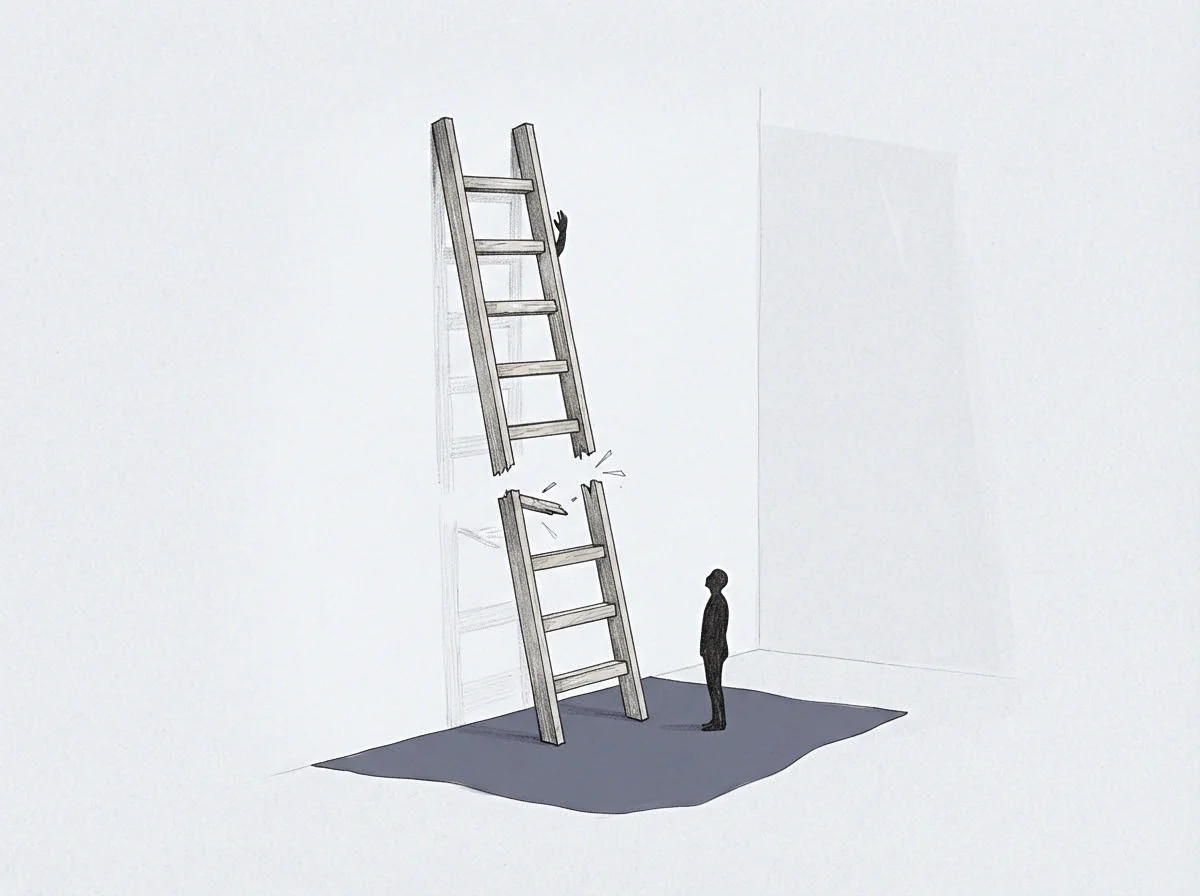
Permanent biological recovery demands establishing formal governance systems that prevent the re-emergence of unilateral emotional dumping. Clear functional accountabilities, documented dispute escalation ladders, and mandatory board involvement during lateral deadlocks protect individual nervous systems from processing organizational dysfunction alone. The founder reallocates relational capacity toward authentic commercial expansion rather than internal systemic buffering.
Sleep architecture breaks down when systemic limits remain loose, but firm operational limits restore physical equilibrium over time.
The single buffer can successfully break the extraction cycle by adhering to an unbending operational guideline: whenever lateral communication breaks down into emotional avoidance, stop absorbing the silence and let the unresolved friction sit with the people paid to own it.