
The Neurobiology of Co-Regulation and Unilateral Burden in Dyads
Unilateral co-regulation forces one partner to absorb the full neural cost of dyadic stabilization, generating chronic allostatic load and systemic depletion.

Budget
The nervous system treats physical proximity to a predictable partner as its default baseline. Under social baseline theory, the brain budgets metabolic energy on the assumption that relational resources are on hand, distributing the neural work of environmental vigilance, autonomic regulation, and threat appraisal across the pair. When someone operates without that support, the neural architecture shifts into an expensive solo state, driving up hypothalamic-pituitary-adrenal axis activity and requiring sustained prefrontal effort to maintain stability.
Baseline physiological load drops when risk appraisal is offloaded to a present partner whose autonomic responses remain stable under strain.
Interpersonal arrangements function as biological systems where metabolic energy is shared, transferred, or concentrated. In balanced dyads, this happens through reciprocal physiological synchrony: heart rate variability, vagal tone, and galvanic skin responses settle into alignment during joint attention and shared tasks. The metabolic benefit runs both ways, with each person conserving glucose and prefrontal capacity because the regulatory burden is split across two central nervous systems.

Metabolic Distribution in Dyadic Neural Systems
Dyadic regulation fractures when one person becomes the sole stabilizing anchor for both nervous systems. That asymmetry produces unilateral load bearing, where the stabilizing partner suppresses their own autonomic distress signals to keep the shared environment coherent. This person absorbs operational shocks, damps down interpersonal friction, and signals continuous safety without receiving autonomic stabilization in return.
The physical result is chronic allostatic accumulation. While the dependent partner conserves prefrontal energy by tethering to the anchor, the anchor absorbs an ongoing biological toll through elevated baseline cortisol and restricted heart rate variability.
Prolonged asymmetric distribution leads to measurable neuroendocrine exhaustion in the carrier while sustaining an artificial sense of calm in the dependent.
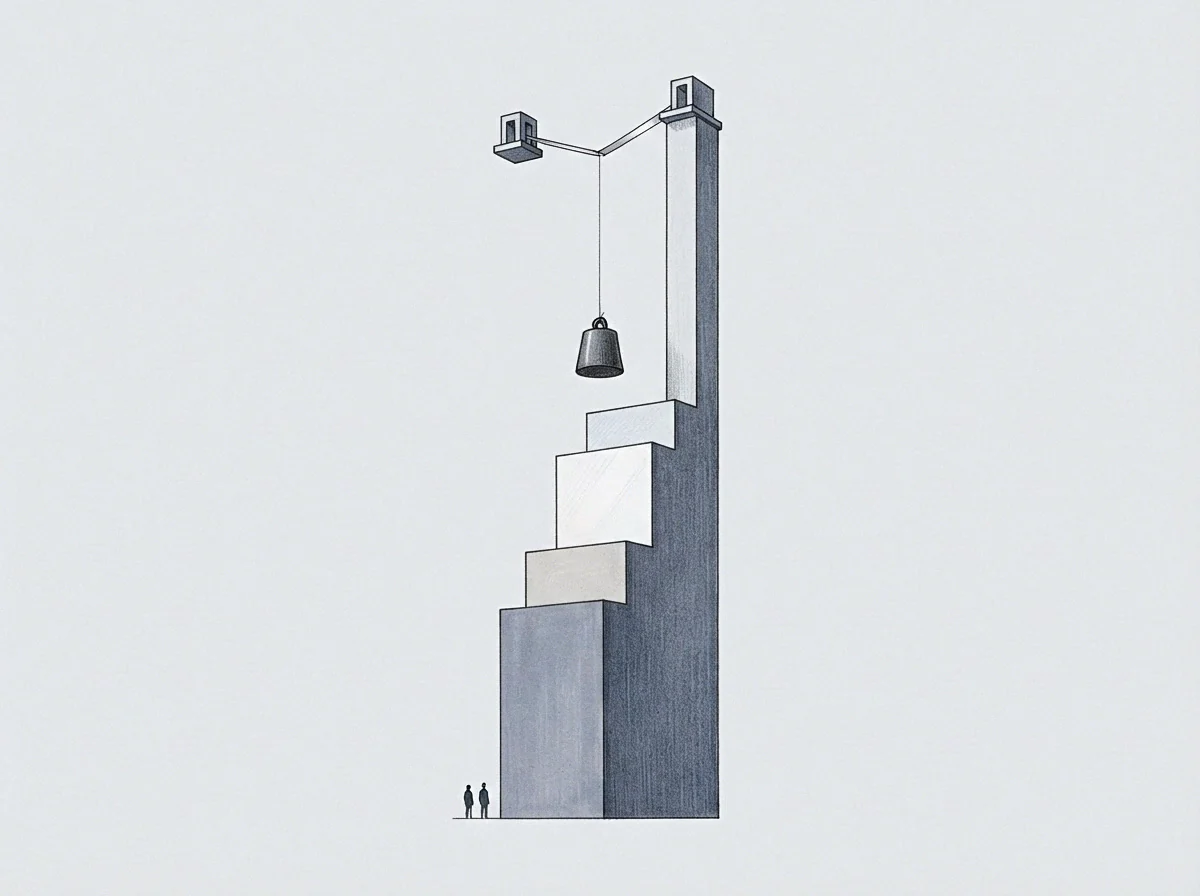
Anchor
The person acting as biological anchor faces an inverted feedback loop. When environmental pressure rises, the dependent partner becomes autonomically reactive, demanding immediate contact, validation, and emotional containment. The anchor counters by stepping up inhibitory control across the amygdalar-cortical pathway, projecting a stillness designed to calm the other system.
Because the dependent partner attaches to this visible composure rather than to shared operational agreements, outward stability invites more strain rather than less. The anchor’s low reactivity is taken as a sign of spare capacity rather than deliberate neural suppression.
A partner borrowing regulation reads physical composure as unspent capacity and routes additional operational strain toward it.

Asymmetry in Structural Regulation Roles
Dyads under prolonged strain split along distinct neurobiological lines depending on how they process threat. The division of autonomic labor produces contrasting physiological states in each person.
| Dimension | The Primary Anchor | The Dependent Partner |
|---|---|---|
| Vagal Regulation | Continuous vagal braking suppression to maintain outward homeostasis | Downregulated vagal tone requiring external co-regulatory pacing |
| Threat Appraisal | Hyper-vigilant prefrontal filtering of systemic environmental risks | Interpersonal hyper-focus centered on partner availability |
| Metabolic Burn | High glucose consumption driven by sustained emotional inhibition | Low individual regulatory expenditure via offloaded allostasis |
| Operational State | Accumulated somatic depletion with preserved executive execution | Episodic affective volatility stabilized only through proximity |
This physiological divergence drives practical friction. The anchor sets hard behavioral limits to protect remaining operational capacity, but the partner experiences those boundaries as abandonment, prompting sharper efforts to force contact and regain access to the anchor’s baseline.
The dynamic turns into a self-reinforcing loop where every boundary triggers an immediate spike in partner distress.
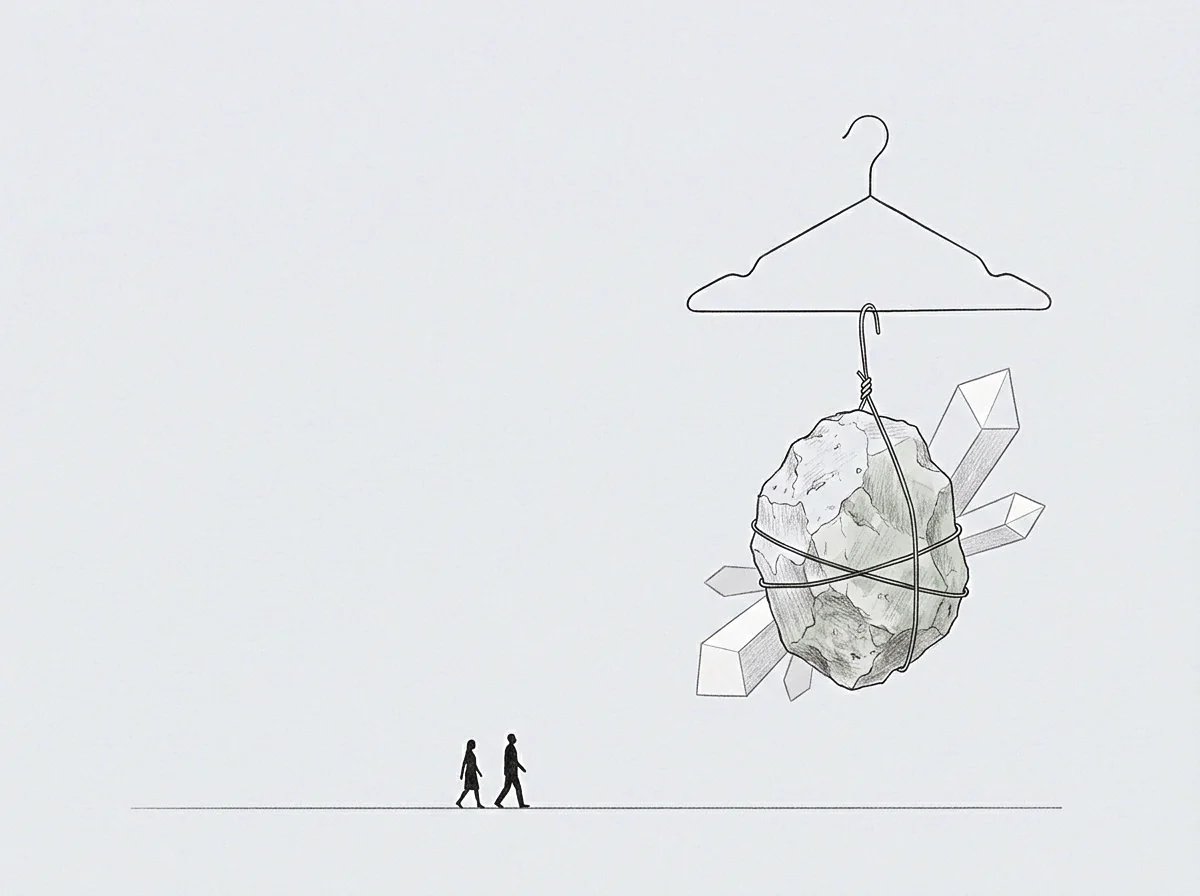
Divergence
Unilateral burden often traces back to how an individual’s internal working model formed during early relational exposure. In standard development, an infant encounters distress, receives consistent soothing from a caregiver, and builds an internal model of the responsive other. That schema includes an expectation that safety can be received from an outside source.
When an early environment requires a child to stabilize a disorganized caregiver, the sequence reverses. The child internalizes a rule that safety only exists when they maintain control of the environment themselves. Under this template, the individual develops no expectation of external containment, treating vulnerability as an immediate risk to systemic stability.
An inverted developmental template binds safety to systemic containment and leaves no functional slot for external support.

The Pathology of Inverted Relational Schemas
Adult partnerships built on inverted templates follow a consistent operational course under sustained pressure.
- Relational over-containment develops as the anchor monitors the partner’s micro-expressions to preempt affective escalation before it compromises shared focus.
- Affective misattribution occurs when the dependent partner mistakes borrowed emotional stability for their own internal self-regulation capacity.
- Boundary compression manifests through unannounced intrusions on the anchor’s attention, driven by the dependent’s fear of autonomic dysregulation.
- Somatic collapse arrives when the anchor’s suppressive neuroendocrine reserves deplete, triggering abrupt executive failure rather than gradual boundary negotiation.
Recognizing the origins of an inverted template does not rewrite the underlying circuitry. An anchor cannot think their way into accepting support; the nervous system needs sustained somatic proof of safety before prefrontal inhibitory defenses begin to stand down.
Without deliberate intervention, an inverted template reliably pulls an unstructured partnership into a one-way caretaking dynamic.

Reserve
Rebalancing dyadic regulation requires establishing concrete operational limits and developing earned security. Earned security reflects a structural revision of the internal working model, built through repeated exposure to a partner whose physiological responses stay autonomous and stable under stress.
The anchor begins this shift by setting explicit boundaries around availability, response times, and emotional containment. These limits stop the automatic offloading of stress, requiring the dependent partner to use their own prefrontal circuitry for self-regulation and situational appraisal.
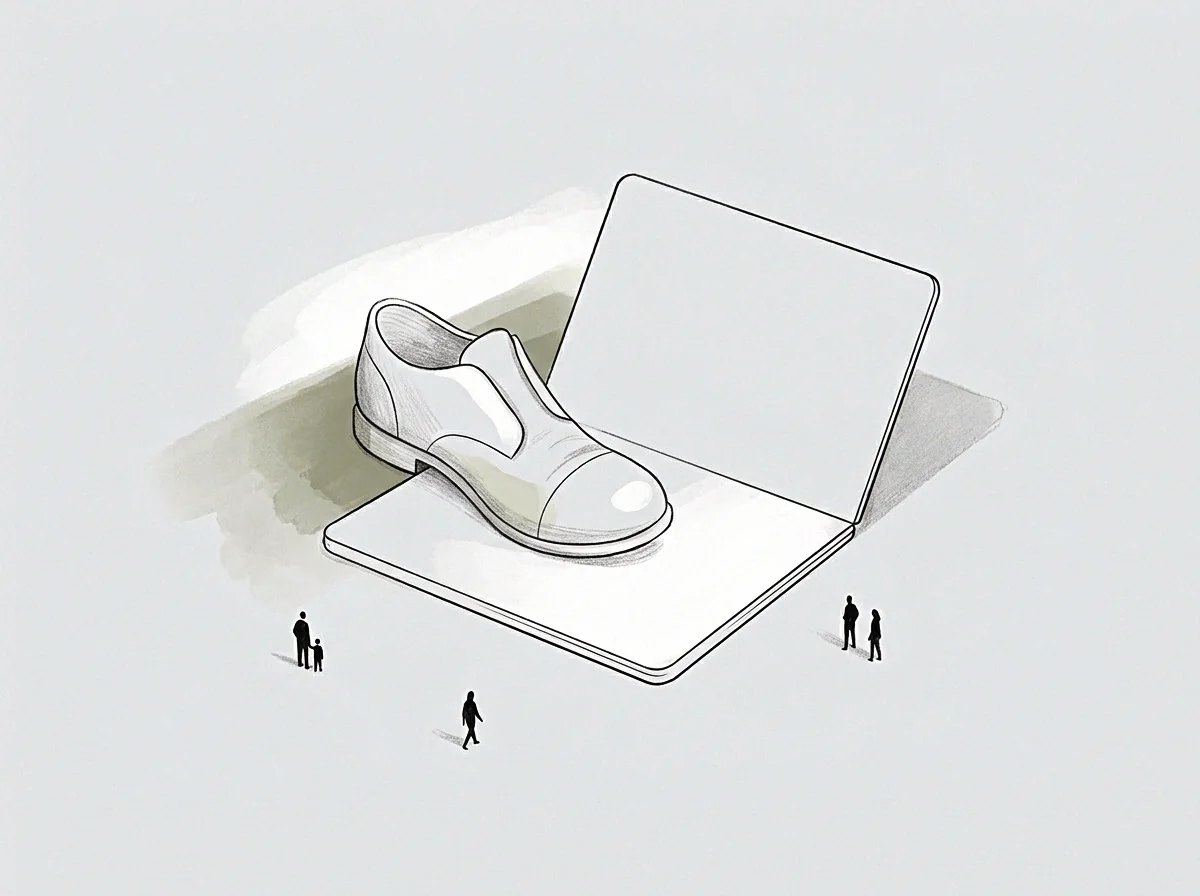
Architectural Rules for Dyadic Redistribution
Interrupting unilateral regulatory drain requires three structural changes to the working arrangement:
- Latency windows enforce mandatory pauses between an operational trigger and dyadic processing, breaking automatic real-time soothing loops.
- Load partitioning divides systemic problems into discrete independent domains, preventing generalized emotional contagion across shared projects.
- Explicit containment specifies defined temporal slots for mutual synchronization, leaving all other hours completely clear of regulatory demands.
When the anchor stops providing borrowed stabilization, the dependent partner typically experiences an immediate rise in autonomic distress. If the anchor holds the boundary without reacting or conceding, both nervous systems begin to adjust: the dependent builds internal vagal control, while the anchor registers that the system can hold without constant intervention, gradually opening the capacity to accept external support.
The dynamic resets into a functional peer arrangement where neither person absorbs the other’s basic physiological baseline.