
Calibrating Biological Recovery Windows for Autonomic Nervous Systems Following Asymmetric Enterprise Leadership Strain
Autonomic recovery requires uninterrupted sensory isolation windows to clear sympathetic hormones and restore vagal modulation of heart rate variability.
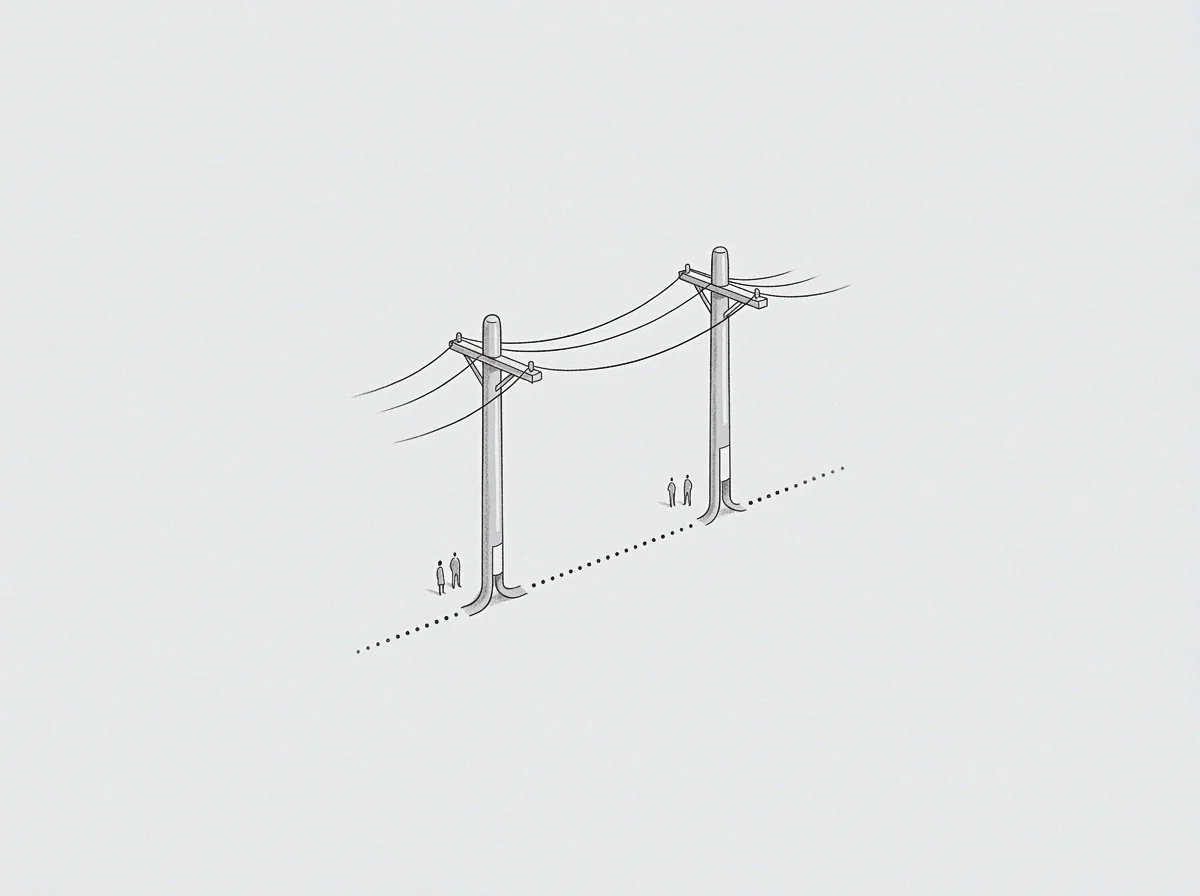
Bed
Four glowing displays remain illuminated across the pine surface at two in the morning. Incoming messages arrive in uninterrupted succession: an enterprise customer queries service availability, an engineering lead flags architecture instability, and an investor notes revised covenants. The person occupying the central seat observes the glass screen without blinking.
Pulse rate sits fixed at eighty-four beats per minute despite complete physical immobility. The body remains prepared for physical impact while seated in absolute stillness.
Enterprise leadership imposes an asymmetric distribution of exposure. Operational participants experience localized failure bounded by functional scope, whereas the executive anchor absorbs aggregate institutional volatility without an operational backstop. Under persistent threat appraisal, the sympathetic branch of the autonomic nervous system commands systemic physiology.
Epinephrine and norepinephrine sustain vascular tone, while cortisol inhibits cellular reconstruction, glycogen replenishment, and immune vigilance. Autonomic calibration degrades when threats remain continuous, converting acute mobilizations into fixed baselines.
Baseline physiological recovery commences only when perceived threat falls below the activation threshold of the sympathetic branch.
Biological recovery windows require an explicit decoupling of somatic alertness from environmental vigilance. During prolonged enterprise crises, the autonomic nervous system forfeits its rhythmic osculation between mobilization and repose. Somatosensory feedback loops misinterpret persistent environmental demands as existential threats, locking the cardiac pacemaker into low vagal tone.
Sleep under these conditions yields minimal slow-wave staging, leaving neuromuscular tension elevated throughout the night. The nervous system preserves metabolic defense posture even during unconsciousness.

Somatic Anchors and Nighttime Mobilization
The mammalian nervous system processes enterprise liability through visceral channels. When organizational continuity hinges upon solitary operational interventions, the prefrontal cortex maintains continuous anticipatory simulation. This cognitive vigilance drives continuous peripheral vasoconstriction.
Muscular bracing across the cervical spine and diaphragm restricts tidal volume, signaling continued hazard to the brainstem. The physical bed ceases to register as a zone of biological safety.
Sustained sympathetic activation produces systemic metabolic friction. Peripheral glucose clearance slows. Vagal motor nuclei reduce output to the sinoatrial node, depressing high-frequency heart rate variability.
Somatic recovery requires parasympathetic re-engagement, mediated primarily through unmyelinated and myelinated tracks of the vagus nerve. When enterprise emergencies eliminate downtime, the organism treats recovery intervals as liabilities, maintaining defensive mobilization until endocrine reserves face complete exhaustion.
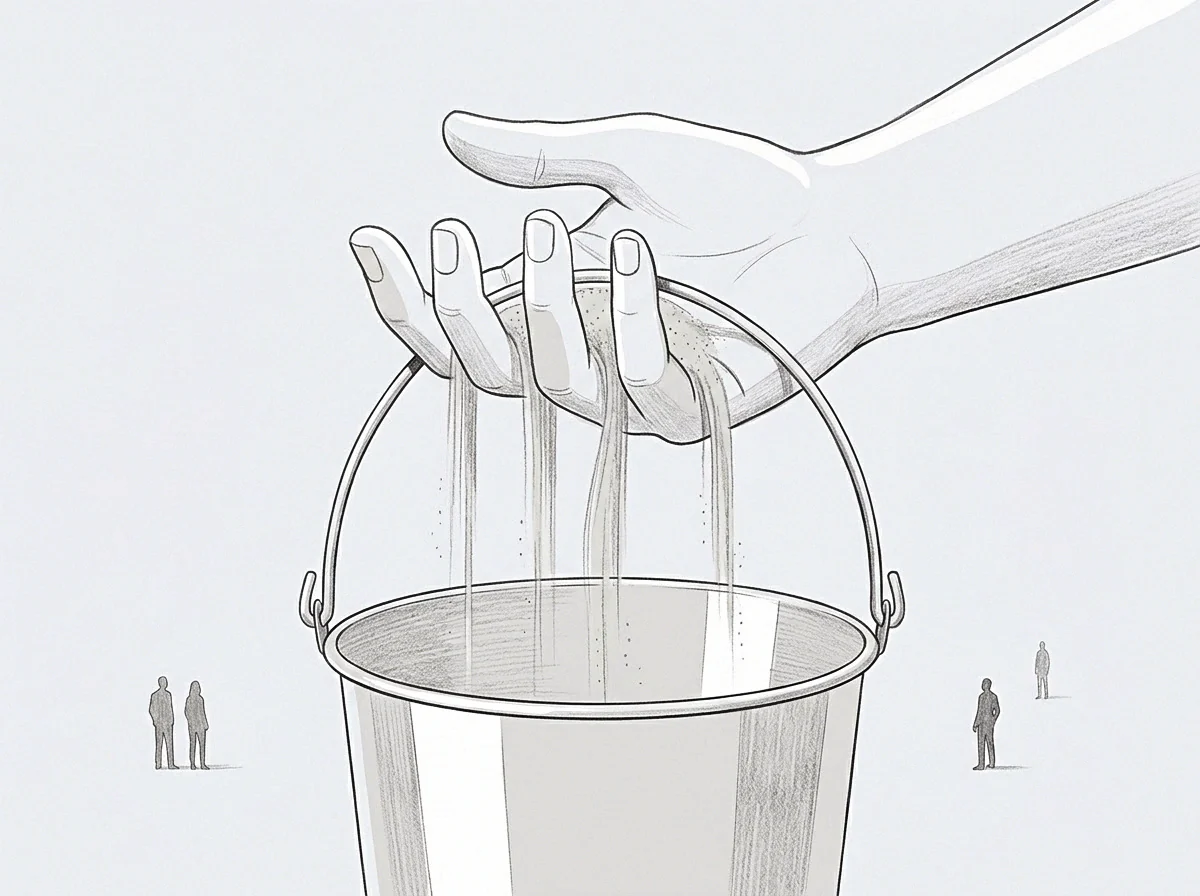
Cadence
Biological recovery operates according to temporal rhythms rooted in autonomic physiology rather than calendar conveniences. The restoration of homeostatic equilibrium following severe organizational turbulence proceeds along distinct chronobiological layers. Sympathetic clearance occurs over hours once threat inputs terminate.
Endocrine recalibration occupies days. Deep remodeling of central autonomic pathways demands extended spans characterized by predictable safety cues.
Brief pauses during an operational week fail to trigger genuine parasympathetic dominance. A thirty-minute cessation of digital interaction merely suspends immediate sensory bombardment. The subcortical defense circuits continue calculating unmitigated organizational risks, sustaining low-level beta-adrenergic stimulation.
The organism remains metabolically primed for emergency response despite superficial stillness.
Parasympathetic engagement occurs in direct proportion to the sustained absence of ambiguous environmental pings.

Is Parasympathetic Reactivation Attainable Without Operational Silence?
Autonomic calibration requires rhythmic, unfragmented duration. High-frequency heart rate variability, which reflects vagal modulation of cardiac tissue, rises exclusively during periods marked by reliable sensory containment. When asynchronous enterprise notifications interrupt biological rest periods, the amygdala reactivates hypothalamic cascades within milliseconds.
Each alert restarts the metabolic clock of hormonal clearance.
- Immediate autonomic decoupling demands four uninterrupted hours without organizational inquiry to permit epinephrine clearance from synaptic junctions.
- Endocrine clearance phases span forty-eight continuous hours of stable predictability, allowing systemic circulating cortisol levels to approach true biological baselines.
- Neurovisceral recalibration windows involve fourteen consecutive days wherein environmental predictability enables ventral vagal networks to supplant chronic sympathetic arousal.
Calibrating these temporal spans necessitates strict boundaries around biological reserves. An operator cannot negotiate cellular recovery kinetics with corporate governance schedules. The biological substrate honors biochemical decay curves, regardless of executive urgency or institutional importance.
Whether autonomic circuits can re-establish baseline vagal tone while enterprise existential risk remains unhedged stands as an unresolved physiological question.

Margin
The biological cost of operational stewardship diverges according to structural responsibility. A functional contributor handles localized project risk, delegating systemic failure to leadership layers. Conversely, enterprise leaders shoulder unbounded liability, creating asymmetric autonomic load.
This asymmetry dictates distinct recovery kinetics across different enterprise positions.
When leadership shields an organization from financial volatility, the executive nervous system functions as an uncompensated biological dampener. Staff members perform tasks within bounded roles, maintaining access to predictable parasympathetic restoration. The executive absorbs the unhedged remainder, sacrificing autonomic elasticity to sustain collective operational coherence.
| Evaluation Dimension | Bounded Functional Contributor | Asymmetric Enterprise Steward |
|---|---|---|
| Threat Boundary | Circumscribed operational tasks | Unbounded enterprise continuity |
| Neuroendocrine Exposure | Phasic, stimulus-bound cortisol elevations | Tonic adrenocortical activation without diurnal dip |
| Vagal Regulation Origin | Shared social baseline and team containment | Unassisted self-regulation across prolonged crises |
| Recovery Window Unit | Evenings and standard weekend intervals | Multi-week structural isolation intervals |
| Allostatic Wear Vector | Focal musculoskeletal fatigue | Systemic cardiorespiratory and metabolic depletion |

Asymmetric Depletion Dynamics
Shielding downstream personnel requires significant physiological expenditure. The executive nervous system projects an external display of composure, providing a stabilizing social baseline for the enterprise. Team members synchronize their regulatory states against this anchor, borrowing autonomic stability from the executive.
This borrowed calm lowers team allostatic load while transferring metabolic strain directly to the leadership node.
The enterprise assumes the executive possesses infinite internal capacity. Operational counterparts misinterpret steady executive demeanor as evidence of unburdened stamina, directing subsequent crises toward that proven node. This feedback loop intensifies autonomic exhaustion while masking the impending failure of homeostatic regulation.
The firm appears entirely solvent until personal endurance runs dry.
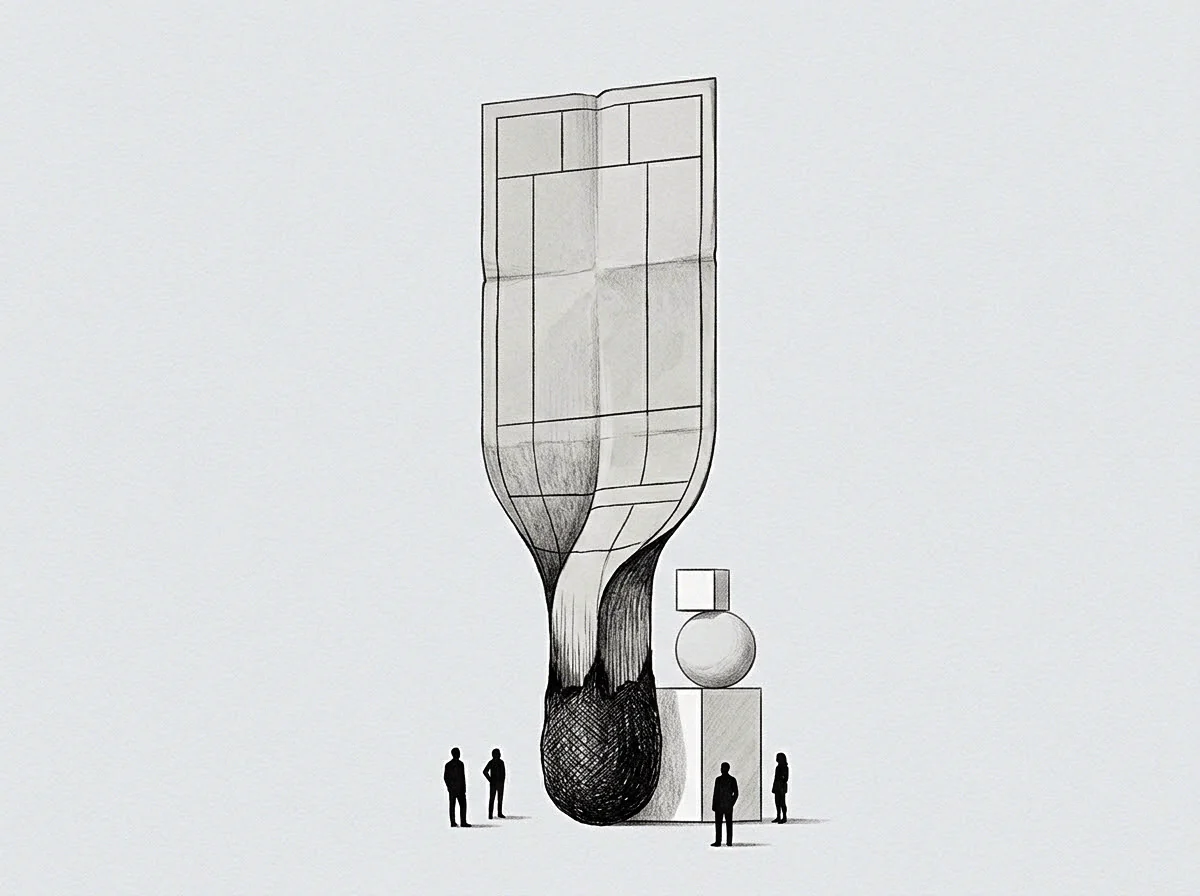
Buffer
Social baseline theory demonstrates that human neural architecture presumes proximate, reliable counterparts to distribute regulatory expenditure. Co-regulation represents the default biological conservation strategy. When an enterprise executive operates in complete psychological isolation, the brain budgets environmental demands as though survival resources are depleted.
Solitary self-regulation functions as a metabolically expensive operational state.
Under persistent asymmetric strain, the internal regulatory template warps. The individual internalizes responsibility for stabilizing all relational participants, eliminating any behavioral slot for receiving external reassurance. Offers of assistance register as logistical overhead rather than somatic relief.
The nervous system treats relational proximity with skepticism, perceiving another person’s presence as an additional operational dependency.
A reliable regulatory anchor absorbs situational volatility without demanding reciprocal somatic maintenance.
Reconstructing the Receptor Slot
Re-establishing autonomic recovery requires an earned updating of internal working models. An operator who managed organizational survival through solitary effort cannot simply resolve to trust others. The visceral networks demand repeated empirical encounters with counterparts whose composure remains unshaken by operational turmoil.
Somatic release occurs only when interpersonal safety is experienced physically rather than analyzed cognitively.
- Relational load sharing operates through physical co-presence with stable counterparts who require no emotional steering.
- Structural perimeter enforcement establishes impermeable temporal compartments that exclude organizational dependencies from domestic environments.
- Somatic down-regulation protocols utilize prolonged exhalations and dorsal vagal containment to physically override cortical panic loops.
True recovery windows function through relational containment. Experiencing another individual maintain their own equilibrium under stress allows an over-taxed nervous system to surrender vigilance. The biological cost of sustaining the baseline drops only when the load is visibly shared.
Physical proximity to quiet steadiness settles the heart faster than intellectual insight.
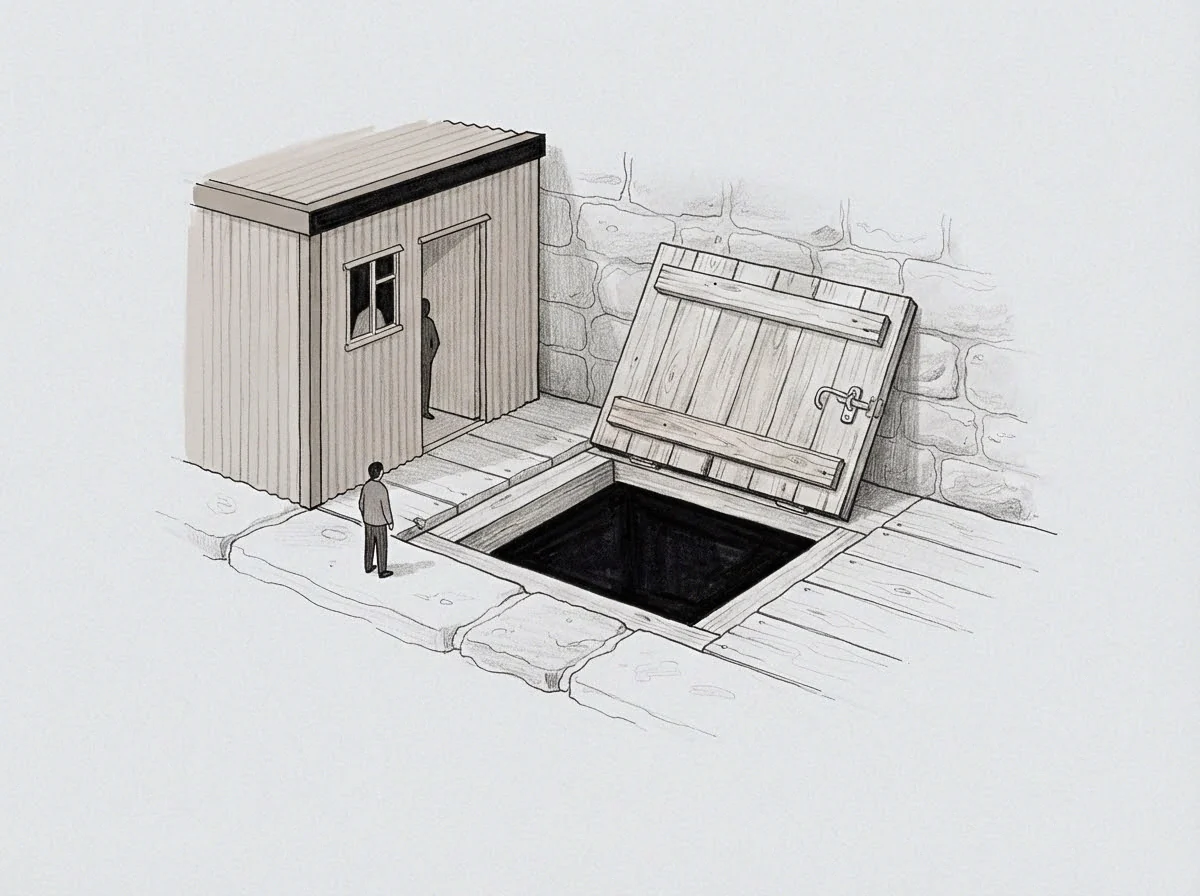
Vault
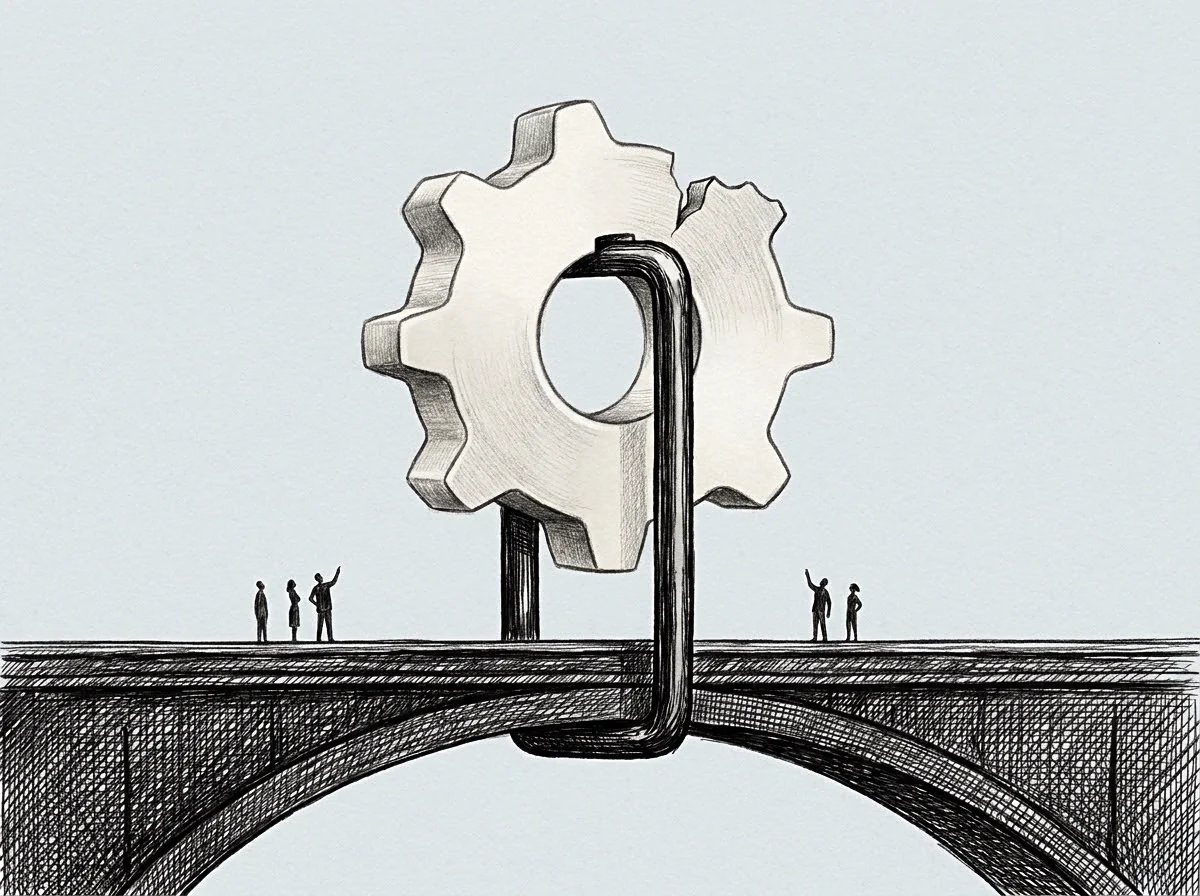
Preserving biological recovery windows under extreme leadership strain necessitates structural insulation around autonomic time. Relying on sheer willpower to resist corporate alerts inevitably fails when adrenocortical exhaustion impairs executive control. The environment itself must enforce biological boundaries through structural mechanisms.
Protective protocols serve as external scaffolding for an overwhelmed nervous system.
Operational containment requires the deliberate creation of offline sanctuaries. These windows represent non-negotiable operational pauses during which enterprise continuity runs on autonomous systems or interim delegates. Shielding the biological substrate from continuous demands transforms abstract self-preservation into operational protocol.
Without programmatic insulation, corporate obligations consume all remaining metabolic headroom.
Recovery becomes biologically active when sensory inputs from the enterprise boundary cease entirely.
Calibrating Operational Seclusion
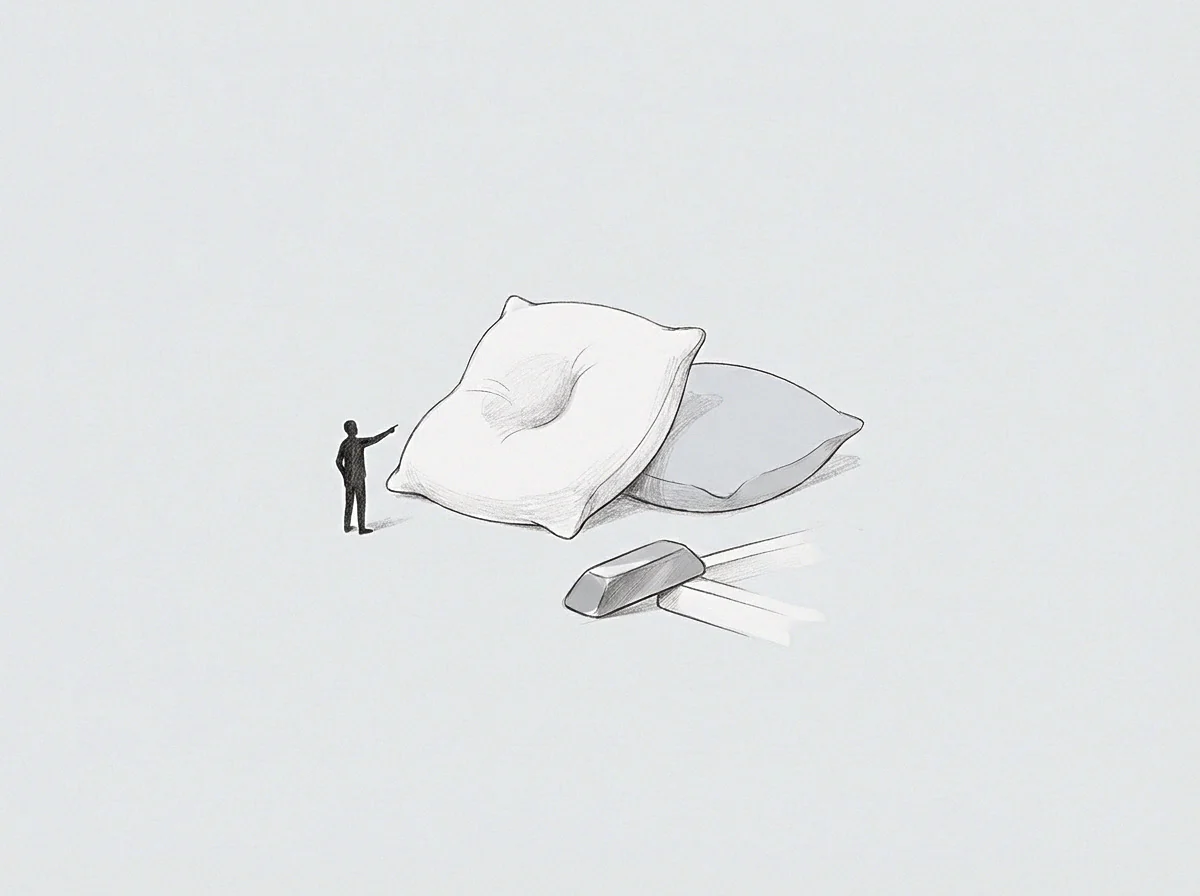
Engineered recovery requires absolute sensory isolation from organizational metrics. An executive stepping into an autonomic recovery window delegates operational authority with clear, explicit parameters. Intermediary protocols filter emergency developments, admitting only threats that challenge enterprise survival.
Minor operational perturbations remain buffered outside the vault until parasympathetic re-engagement concludes.
Autonomic calibration progresses through distinct physiological markers. Resting morning pulse decelerates into normal baseline zones. Pupillary reactivity normalizes, and resting respiratory rate drops toward six breaths per minute.
Sleep staging shifts to accommodate extended slow-wave and REM cycles, repairing microvascular tissues and restoring neurotransmitter pools. The organism moves out of defense posture into cellular renovation.
A formal delegation clause transferring operational authority during designated recovery intervals ensures autonomic recalibration occurs without organizational decapitation.