
Calibrating Executive Availability During Rapid Headcount Expansion Regimes
Executive availability during headcount expansion shifts from direct coregulation to structured latency and asynchronous operational protocols.

Surge
Thirty unread notifications accumulate across four chat platforms between midnight and sunrise during the third month of rapid headcount expansion. A scaling enterprise adds dozens of engineers, product leads, and operational managers within two fiscal quarters, fragmenting the chief executive’s calendar into fifteen-minute tactical segments. Every new managerial hire arrives with an internal working model forged in previous operational contexts, seeking immediate alignment on decision thresholds.
When direct access remains unrestricted, peripheral anxiety flows upward without structural filtering.
The executive brain budgets physiological stress and threat evaluation under the operational assumption that proximity offers the cheapest path to coregulation. Direct access feels efficient to the newly hired manager because attaching to an established leader’s physiological stability lowers their individual regulation expenditure. Energy drains fast.
The aggregate drain on executive baseline bandwidth accumulates silently across dozens of micro-interactions.
When headcount doubles within two quarters, incoming signal volume scales nonlinearly and drains executive baseline bandwidth before scheduled operational work begins.
Under social baseline theory, humans conserve individual regulatory energy by leaning on familiar coregulatory figures within their immediate environment. When headcount expands rapidly, the number of individuals relying on the executive for physiological coregulation multiplies faster than organizational reporting lines can stabilize. The chief executive becomes an uncalibrated shock absorber for enterprise uncertainty.
Every ping, unscheduled video call, and urgent document tag functions as a request for coregulation. Interruption degrades cognition. The executive attempts to compensate by extending working hours, converting personal rest windows into administrative triage time.
This pattern increases allostatic load, elevating baseline cortisol levels and impairing executive function over extended periods.
Noise distorts signal. The neural cost of constant task-switching creates continuous cognitive fragmentation. Research in occupational stress physiology demonstrates that maintaining high coregulatory availability across an expanding cohort depletes the metabolic resources required for long-range planning.
Left unmanaged, open-door availability regimes convert the executive role from strategic directional anchor into a reactive bottleneck. The organization mistakes executive exhaustion for structural commitment, accelerating baseline erosion across the executive layer. Failing to calibrate availability during headcount scaling shifts the nervous system cost of corporate ambiguity onto a single seat until strategic decision quality collapses.

Seat
The chief executive functions as the primary stability template for an expanding enterprise. Newly appointed department heads seek reassurance, validation, and clarity by observing executive demeanor during operational friction.

The Architecture of Borrowed Stability
When middle managers face mounting project ambiguity, they routinely seek face-to-face or real-time digital interactions with senior leadership to discharge stress. This transfer of emotional tension relies on borrowed regulation, wherein the subordinate absorbs the leader’s calm to stabilize their own operational stance. The leader’s internal working model absorbs peripheral pressure without returning immediate agitation.
When fifty new team members join the organization simultaneously, the aggregate coregulatory demand overwhelms executive capacity. Signal volume multiplies rapidly. The executive possesses finite receptor slots for deep coregulation each day.

Where Executive Headroom Dissolves Under Signal Volume?
Interruption patterns during growth bursts show a distinct structural evolution.
- Unbounded Interruption Cycles occur when newly onboarded leaders bypass standard reporting protocols to request immediate video synchronizations for minor operational blocks.
- Escalation Reliance Patterns develop as middle managers delegate baseline decision-making upward to reduce their personal exposure to ambiguity.
- Lateral Baseline Atrophy takes hold when peer-to-peer coregulation mechanics fail to form among new department leads who look exclusively upward for reassurance.
- Executive Bandwidth Exhaustion manifests as chronic cognitive fatigue, reducing the executive’s capacity to process complex strategic trade-offs during critical growth phases.
The seat carries threat. When executive headroom is completely consumed by real-time coregulation, operational decisions slow down across all departments. Department leads become accustomed to external regulatory support, failing to build horizontal coregulation networks with their peers.
This upward reliance creates a fragile organizational architecture where team stability remains dependent on continuous access to a single human baseline. Department leads report that without immediate access to executive reassurance, operational decisions feel dangerously exposed to market risk.

Channel
Operational communications in a scaling firm require strict segregation between synchronous coregulation paths and asynchronous informational workflows. High-growth environments naturally default to real-time messaging tools, creating an illusion of alignment while generating high cognitive overhead.

Asynchronous Protocol Design and Operational Buffers
Replacing open synchronous access with structured latency protects executive focus while encouraging distributed problem-solving. Latency grows. When team members know an immediate response from senior leadership is unavailable, they are forced to synthesize problems and propose autonomous solutions before initiating an escalation.
| Availability Regime | Signal Latency | Regulatory Load Source | Expansion Scalability |
|---|---|---|---|
| Direct Synchronous Ping | Under 15 Minutes | Executive bears individual coregulation cost for all team friction | Non-viable above 30 total headcount |
| Scheduled Office Hours | 24 to 48 Hours | Shared group coregulation with batch decision processing | Moderate scalability up to 100 headcount |
| Asynchronous Escalation Thread | 12 to 24 Hours | Subordinate self-regulates through written problem synthesis | Highly scalable across expanding tiers |
| Distributed Operational Protocol | Decoupled | Peer-to-peer horizontal coregulation and local authority structures | Maximum scalability for rapid expansion |
Restricting immediate availability without establishing clear asynchronous escalation paths shifts organizational anxiety into covert side channels.
Response times stretch. Teams absorb tension. The transition from synchronous availability to structured asynchronous escalation alters the internal working model of the management team.
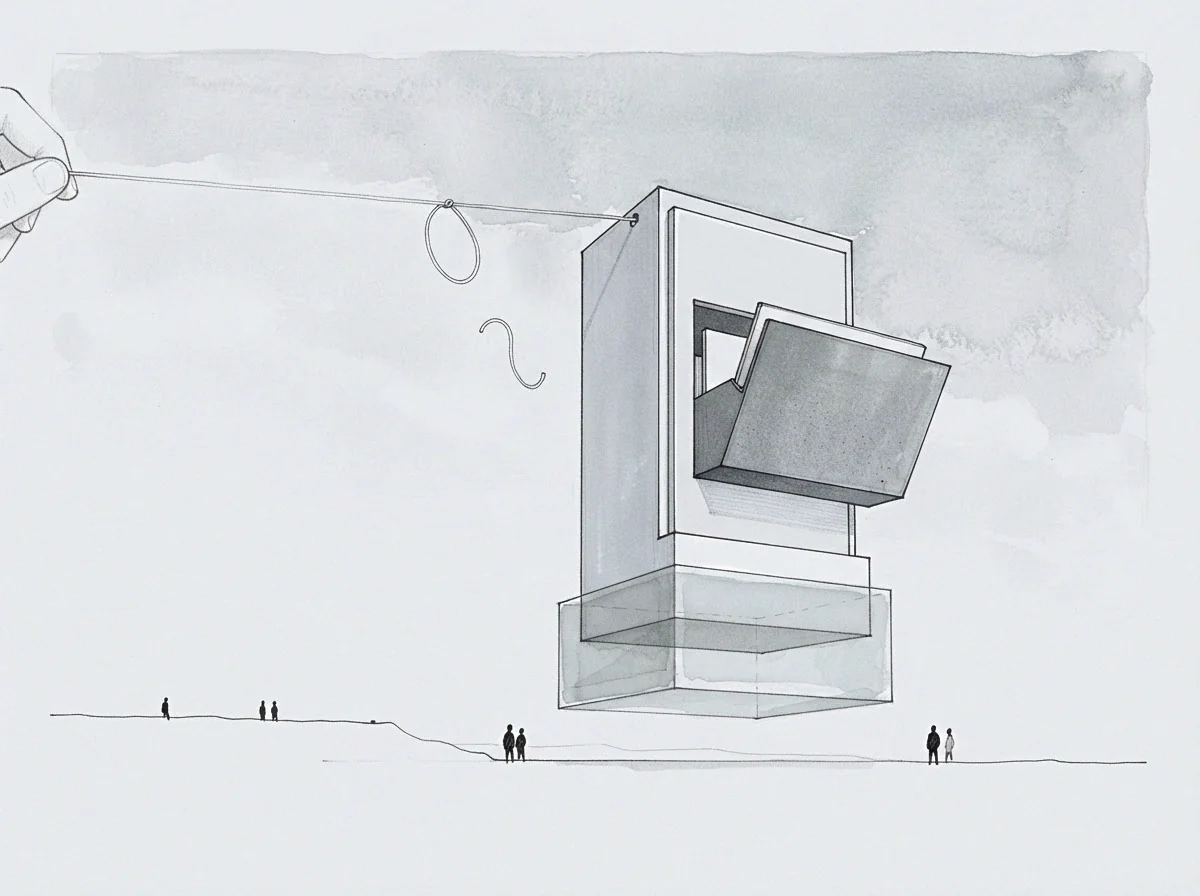
Instead of treating senior leadership as a constant physiological buffer, managers learn to utilize local governance mechanisms. This structural boundary reduces allostatic load for senior leadership while fostering earned security across middle management tiers. Implementing a mandatory twenty-four-hour asynchronous escalation latency window transforms reactive executive interruption into structured peer-led problem resolution.
Limit
Establishing explicit boundaries around executive access demands clear operational parameters rather than informal individual agreements. Informal promises of availability inevitably collapse as headcount expands across multiple time zones and business units.

Formalizing Availability Budgets Across Escalation Tiers
An executive availability budget defines the exact weekly hours allocated to direct internal coregulation, strategic deep work, and external stakeholders. Static limits protect bandwidth. Without explicit boundaries, internal operational pings consume all unscheduled calendar headroom.
- Explicit Latency Windows define maximum response timeframes for non-emergency internal communications, setting realistic operational expectations across expanding tiers.
- Horizontal Resolution Norms mandate that cross-functional disputes must be reviewed by peer department heads prior to executive escalation.
- Dedicated Headroom Allocation reserves unbroken three-hour calendar blocks daily for executive strategic work, completely isolated from real-time communication tools.
An executive availability window functions only when peripheral teams build horizontal resolution mechanics rather than waiting for top-level sign-off.
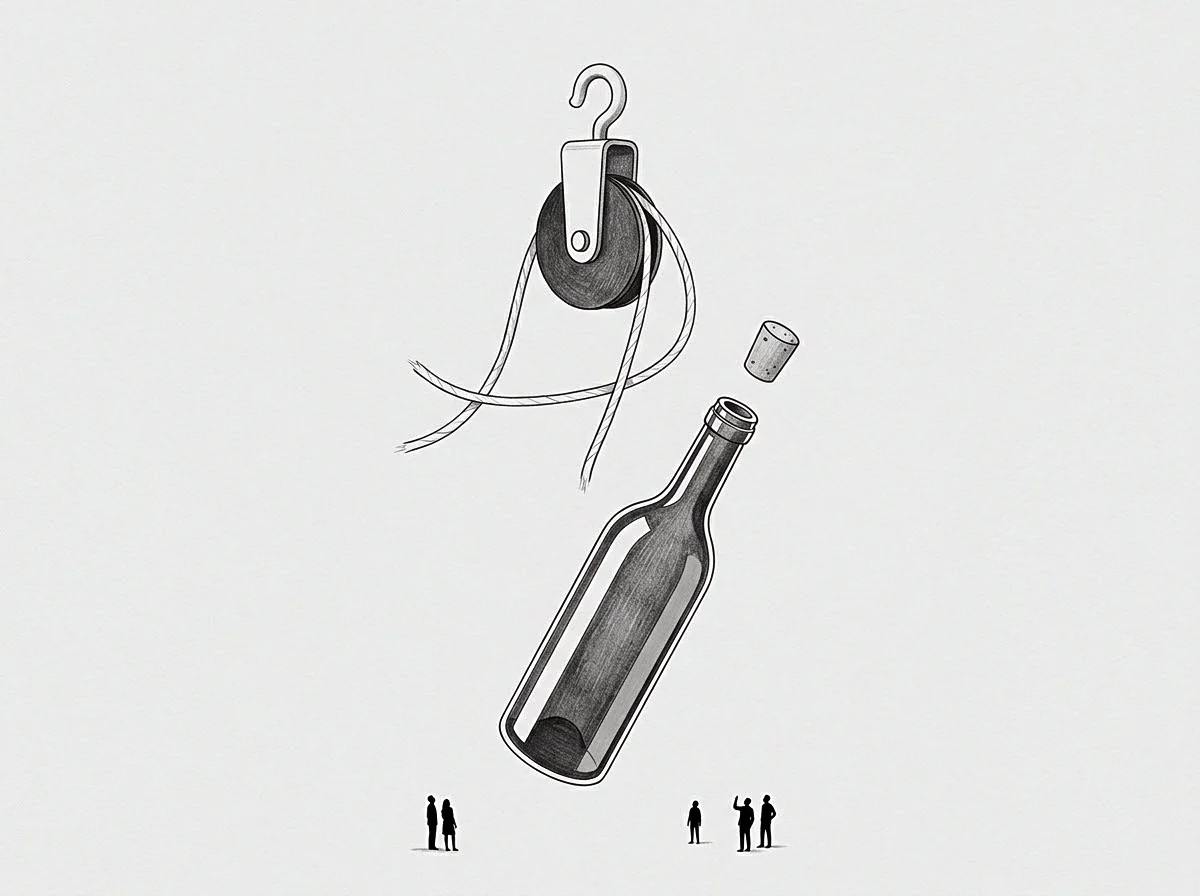
Capacity has boundaries. Setting explicit boundaries shifts the coregulation baseline from the chief executive to department-level structures. When middle management understands that executive access is bounded by explicit protocols, they invest energy in refining local decision-making frameworks.
Executive availability functions as an organizational reserve that produces stability only when held in reserve rather than spent on daily operational noise.
Cadence
Sustaining organizational performance through rapid headcount growth requires aligning routine operational meetings with team coregulation requirements. Random, ad-hoc availability creates chronic unpredictability, keeping peripheral teams in a state of hyper-vigilance.

Establishing Horizontal Baseline Autonomy Over Time
Predictable operational rhythms allow expanding teams to anticipate access, reducing the physiological urge to interrupt executives with urgent pings. When team members know that structured coregulation occurs at fixed weekly intervals, their internal working models adjust, delaying gratification and self-regulating through minor operational friction. Autonomy replaces dependence.
Networks stabilize slowly. Over time, the management cohort develops horizontal coregulation mechanics, leaning on peer leads for stress regulation rather than escalating every issue upward. Calibration takes time.
Predictable availability schedules lower organizational cortisol levels by replacing real-time reactivity with scheduled structural engagement.
The long-term health of a rapidly expanding enterprise relies on moving from executive-centric coregulation to distributed baseline stability. When middle managers develop earned security through autonomous problem resolution, executive availability can be recalibrated toward long-range strategic growth without destabilizing the broader workforce. Whether an enterprise can maintain horizontal coregulation during its next order-of-magnitude scaling burst without re-introducing executive availability bottlenecks remains an open operational query.