Meaning
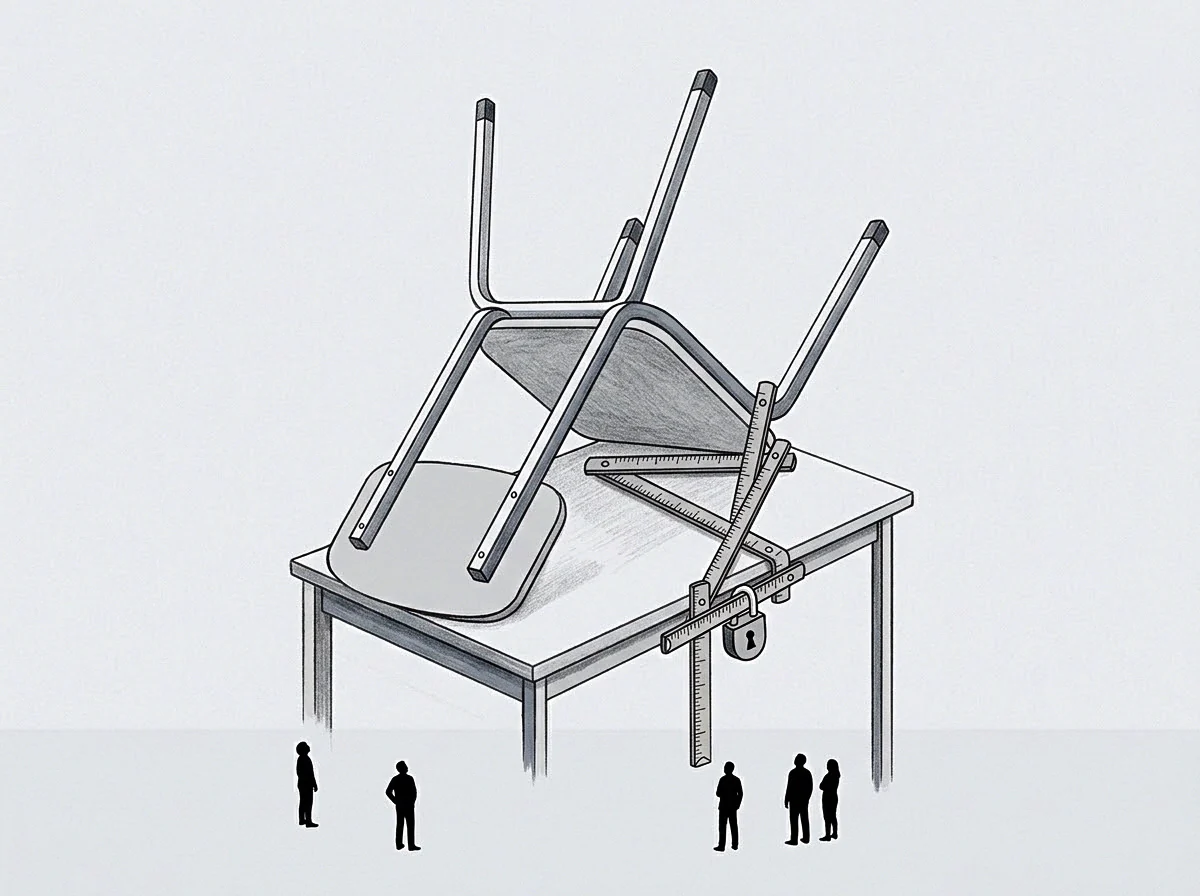
An operational buffer is the reserve capacity held within a regulatory system to absorb load spikes without triggering systemic failure. This structural safety margin sits between peak daily demand and total available output, functioning as a physiological and operational constraint on human energy. Founders maintain this reserve through self-regulation and strict workload rationing, paying for the stability in personal attention and discretionary hours.
Without this margin, ordinary administrative friction causes immediate throughput drops, shifting the system from stable regulation into chronic throttling.
Capacity Allocation
Systemic endurance depends entirely on how rigidly the available hours are partitioned between direct operational delivery and administrative recovery. Daily demands consume baseline energy, leaving small windows for unplanned friction, regulatory compliance, and interpersonal friction within the team. When these unallocated minutes disappear entirely, the founder operates at maximum capacity with zero margin for error, turning minor scheduling delays into severe cognitive fatigue.
This state of constant depletion eliminates the physiological recovery period required to maintain baseline decision-making accuracy over extended operational cycles.
Regulatory Mechanics
Co-regulation with external entities places specific demands on internal reserves by imposing fixed reporting schedules that bypass internal pacing rhythms. Regulatory compliance requires dedicated blocks of attention, forcing the founder to divert hours away from core operational delivery toward verification tasks. These mandatory interventions reduce the available operational buffer, shrinking the margin left for unexpected market volatility or internal team friction.
Managing this dynamic requires deliberate separation between borrowed regulation from external monitors and self-regulated pacing maintained by the individual.
Systemic Cost
Maintaining an adequate reserve demands continuous management attention and strict refusal of incoming operational commitments that exceed current capacity limits. The metabolic cost of this constant vigilance manifests as diminished cognitive flexibility and compressed personal time outside the regulatory boundary. Operating near the absolute limit of available capacity degrades long-term decision quality, increasing the frequency of administrative errors that require subsequent corrective effort.
Structural resilience is ultimately a function of preserved downtime rather than increased personal output.