
Downward Support Capacity After Corporate Failure and Restructuring
Corporate failure exhausts leader allostatic reserves, terminating downward physiological co-regulation and forcing subordinates to self-regulate at elevated energy costs.
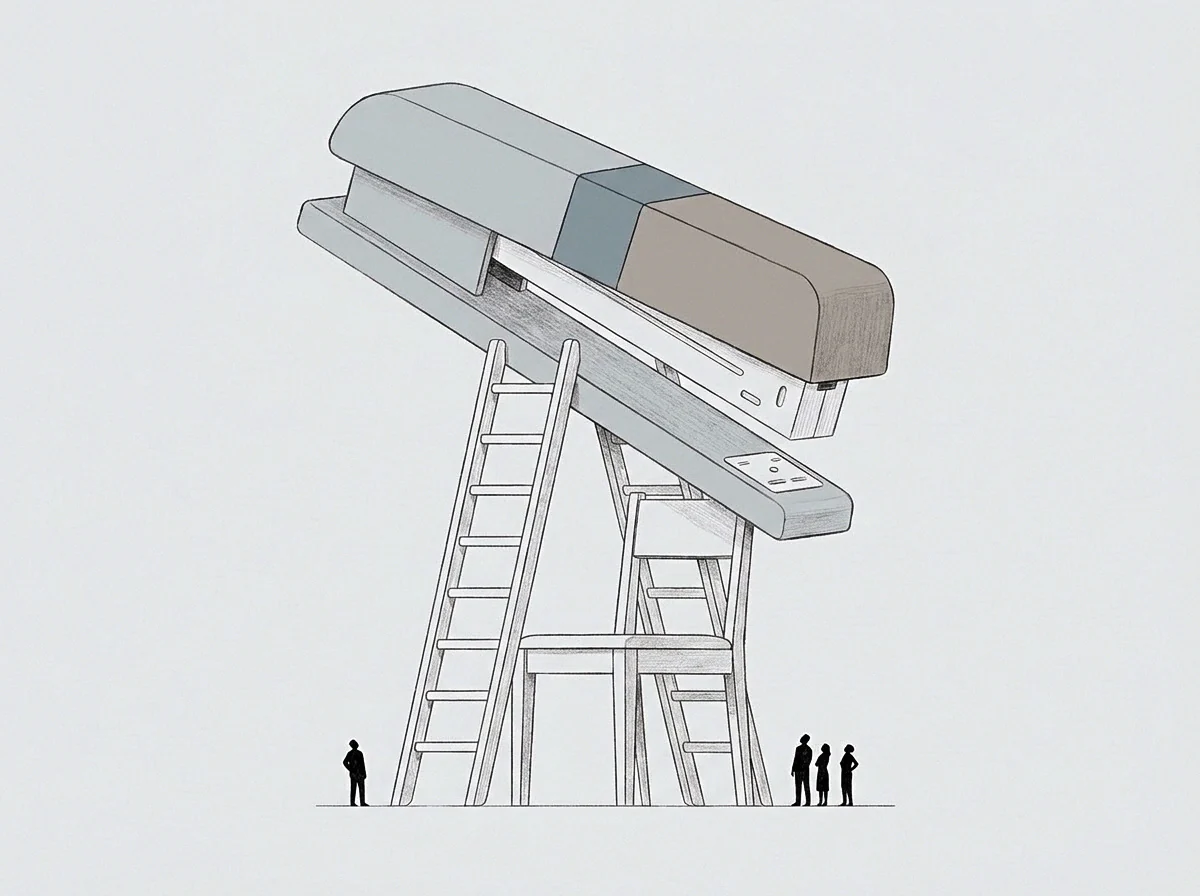
Floor
Four operational updates arrive in an inbox within ten minutes on the night following an emergency board vote. Each message asks for a decision on headcount retention, supplier payments, or lease commitments. The person in the executive seat holds an internal state at ceiling, where physiological threat response is active and cognitive bandwidth is fully allocated to immediate solvency.
The direct reports sending those messages are not merely requesting information. They are seeking a baseline signal from a stable reference point to reduce their own threat response.
Social baseline theory establishes that the human nervous system budgets metabolic resources under the assumption that a reliable second person is present. When proximity to a calm reference point is available, the brain delegates a portion of its threat monitoring to that external partner, reducing its own baseline expenditure. In an organization, downward support capacity is the physiological and relational headroom an operator holds to serve as that stabilizing reference point for direct reports.
When corporate restructuring or public business failure occurs, the operator’s internal working model shifts into solitary self-preservation. The metabolic cost of threat management moves entirely onto the individual. With personal reserves depleted, the operator can no longer absorb or damp the anxiety of subordinates.
The structural floor of shared calm drops away.
Downstream baseline regulation drops to zero the moment an operator’s internal metabolic budget reaches capacity under threat.
Subordinates continue to reach upward for reassurance because their threat perception has spiked. The operator experiences these incoming bids for stability as additional load rather than as simple operational queries. The immediate consequence of this exhaustion is a complete breakdown in team coregulation, leaving direct reports to manage high physiological load without an external anchor.
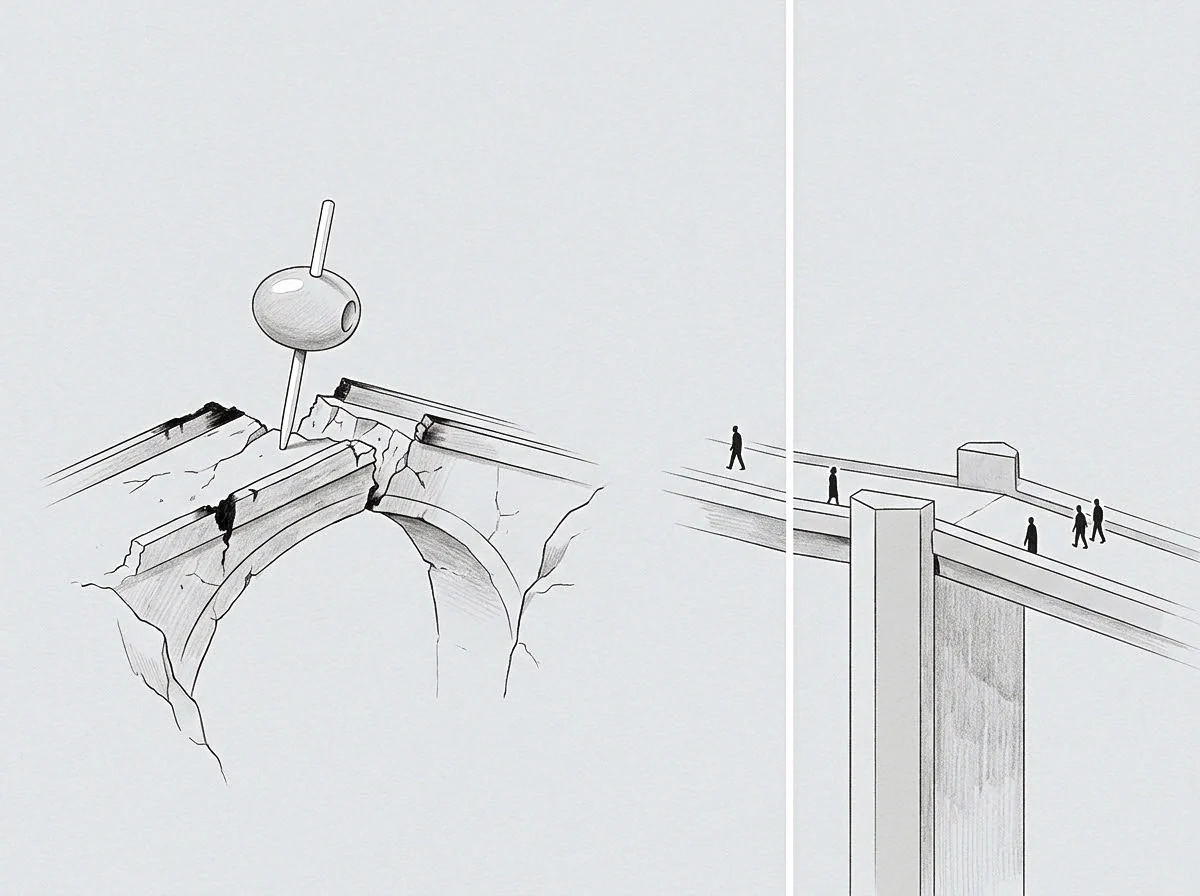
Throttling
The operational mechanism that protects an exhausted leader is signal suppression. When downward support capacity drops below the threshold required to stabilize others, the brain restricts outbound engagement. The operator delays text replies, shortens one-on-one meetings, and converts interactive strategic reviews into static written memos.
This protective response changes the physiological atmosphere of the firm. Direct reports depend on subtle presence cues, such as vocal pitch, eye contact, and response latency, to judge whether an organizational crisis is manageable. When those cues disappear, the team’s internal working models detect an anomaly.
The absence of a calming signal acts as an active threat marker.
The operational manifestations of this regulatory failure follow a distinct pattern across affected teams:
- Hypervigilant escalation occurs when direct reports interpret silence as impending termination and increase the frequency of urgent administrative pings.
- Cognitive fragmentation emerges as team members divert working memory from core tasks toward monitoring executive mood and body language.
- Lateral load dumping takes place when middle managers attempt to regulate one another, multiplying ambient anxiety across peer channels.
- Defensive disengagement develops when staff withdraw effort to preserve their own remaining physiological reserves.
Signal delay from an executive under load operates as a threat amplifier for dependent teams.
The operator often misinterprets the resulting team friction as structural incompetence or personal disloyalty. The team reads the executive’s distance as deliberate coldness or hidden failure.
The leader has stopped holding the room.
Tier
Regulatory dynamics vary significantly across organizational layers during corporate distress. Executive personnel and frontline operators occupy different positions relative to information access and baseline security. The table below outlines how allostatic load and regulatory capacity split across these positions following a major restructuring event.
| Tier Position | Primary Threat Driver | Regulatory Mechanism | Metabolic Energy Cost |
|---|---|---|---|
| Executive Tier | Fiduciary risk and capital depletion | Solitary self-preservation and throttling | High internal expenditure with zero external regulation received |
| Management Tier | Unclear authority and dual accountability | Lateral borrowing and upward checking | Extreme expenditure through double-ended coregulation demands |
| Operational Tier | Job security and structural ambiguity | Downward attachment to manager state | Moderate expenditure dependent on direct supervisor stability |
| Data reflects typical physiological allocation profiles observed during active restructuring phases. | |||
Why Does Downward Signal Transfer Fail After Capital Depletion?
Signal transfer breaks down because human beings attach to an external state rather than to written corporate policies. An operator can draft reassuring emails, present detailed recovery slides, and issue optimistic internal clearings. If the underlying nervous system of the speaker remains in a high threat state, the audience registers the discrepancy instantly.
Autonomic signals, such as facial tension and respiratory rate, override verbal assertions.
Verbal assurances cannot override the physical transmission of a dysregulated executive state.
Borrowed regulation operates on physical proximity and authentic neural calm. A leader whose reserves are empty cannot lend calm to others. The attempt to fake stability consumes additional energy, accelerating executive burnout while failing to quiet team anxiety.
The stated limit of executive availability becomes the only mechanism capable of halting this mutual depletion.
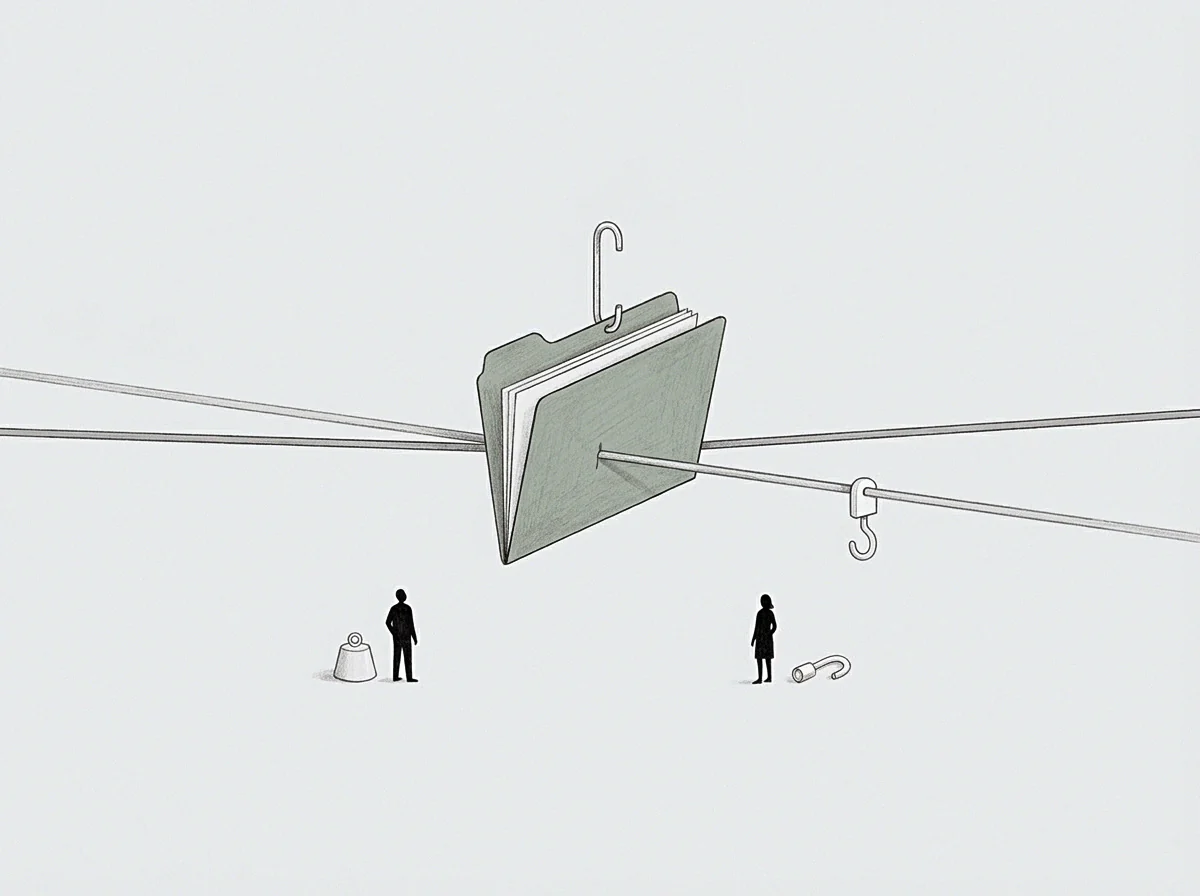
Exhaustion
The capacity to provide downward support rests upon how an operator’s internal working model was formed. Many founders and senior operators developed a backward template early in life. In this developmental configuration, the person learned to regulate parents, peers, or early mentors to maintain safety in their immediate environment.
They internalised a model of themselves as the sole provider of calm, with no corresponding receptor slot to receive regulation from others.
In routine operational conditions, this single-direction template looks like extraordinary leadership resilience. The operator works long hours, absorbs organizational shocks without complaining, and maintains an open-door policy for distressed personnel. The underlying arrangement is unsustainable.
The operator acts as the baseline for everyone else while operating on zero external support.
When corporate failure strikes, the backward template breaks down through a predictable sequence of operational stages:
- The operator absorbs initial financial and structural shocks without altering external availability.
- Internal allostatic load reaches maximum capacity, triggering involuntary physiological stress markers.
- The missing receptor slot prevents the operator from accepting legitimate upward or lateral support from partners or board members.
- The operator experiences all incoming human contact as an invasive extraction of energy.
- Complete shutdown occurs, terminating all downward support capacity and isolating the leader from the organization.
The seat demands presence. The budget collapses. Load remains high.
Capacity vanishes first. The baseline breaks.
An operator who cannot receive calm from their environment eventually reaches a state where they can no longer generate it for others. When the internal working model lacks a mechanism for receiving regulation, how does an operator rebuild the structural headroom required to lead an organization through recovery?
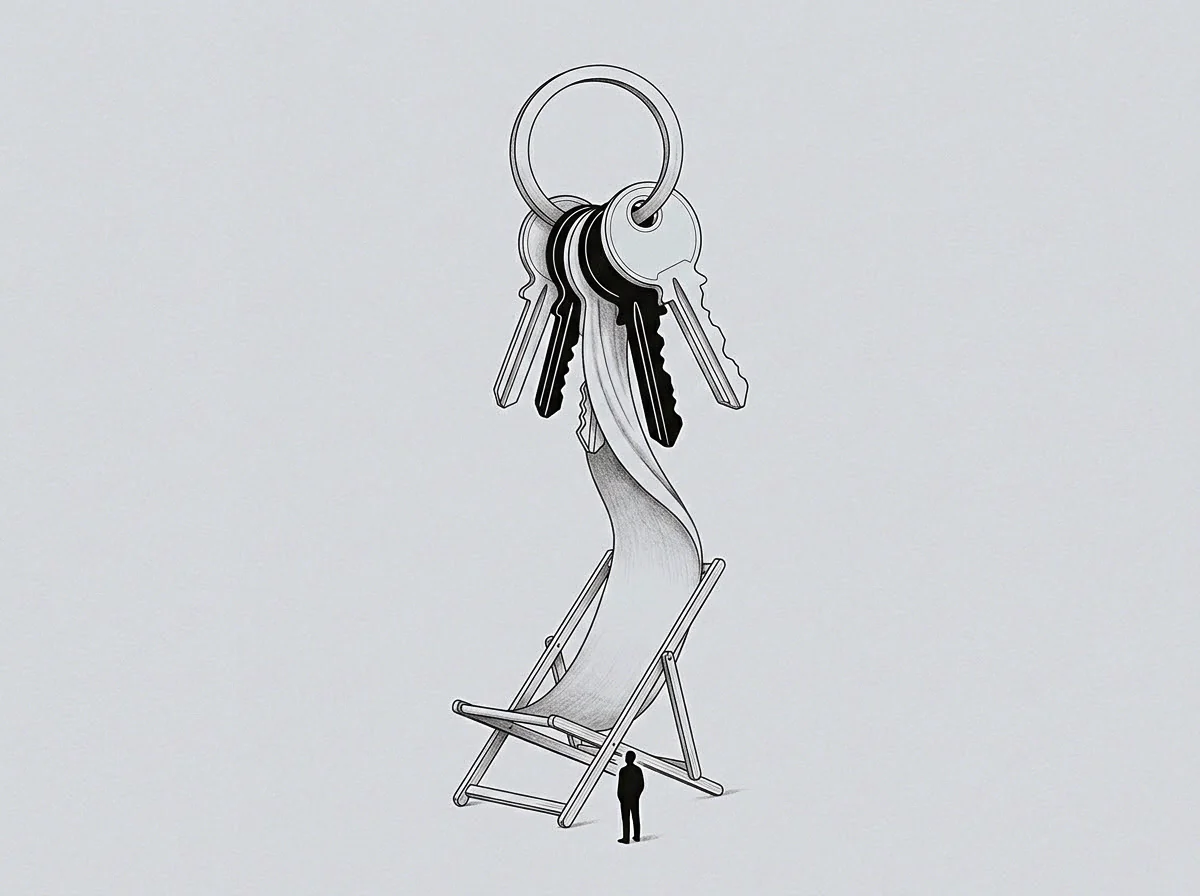
Repair
Restoring downward support capacity after corporate insolvency or severe restructuring is not an intellectual exercise. Understanding the physiological baseline through cognitive insight changes nothing about metabolic threat budgeting. The internal working model updates exclusively through earned security, built upon repeated physical experiences of real coregulation over time.
The operator must enter arrangements where self-regulation is not the only mode of survival. This requires establishing explicit boundaries around operational availability and allowing trusted external figures, such as an experienced board member, an outside operational partner, or a professional advisor, to hold a portion of the structural weight. Borrowed calm must flow toward the leader before the leader can pass it downward again.
Capacity returns only after repeated experiences of shared regulation lower the baseline cost of threat monitoring.
The delta over time between forced self-reliance and genuine coregulation determines when an operator is fit to lead a team through high-stress execution again. Preserving baseline headroom requires setting firm operational limits long before internal reserves hit zero.
Downward support capacity matches the stability of the leader’s own floor.