Meaning
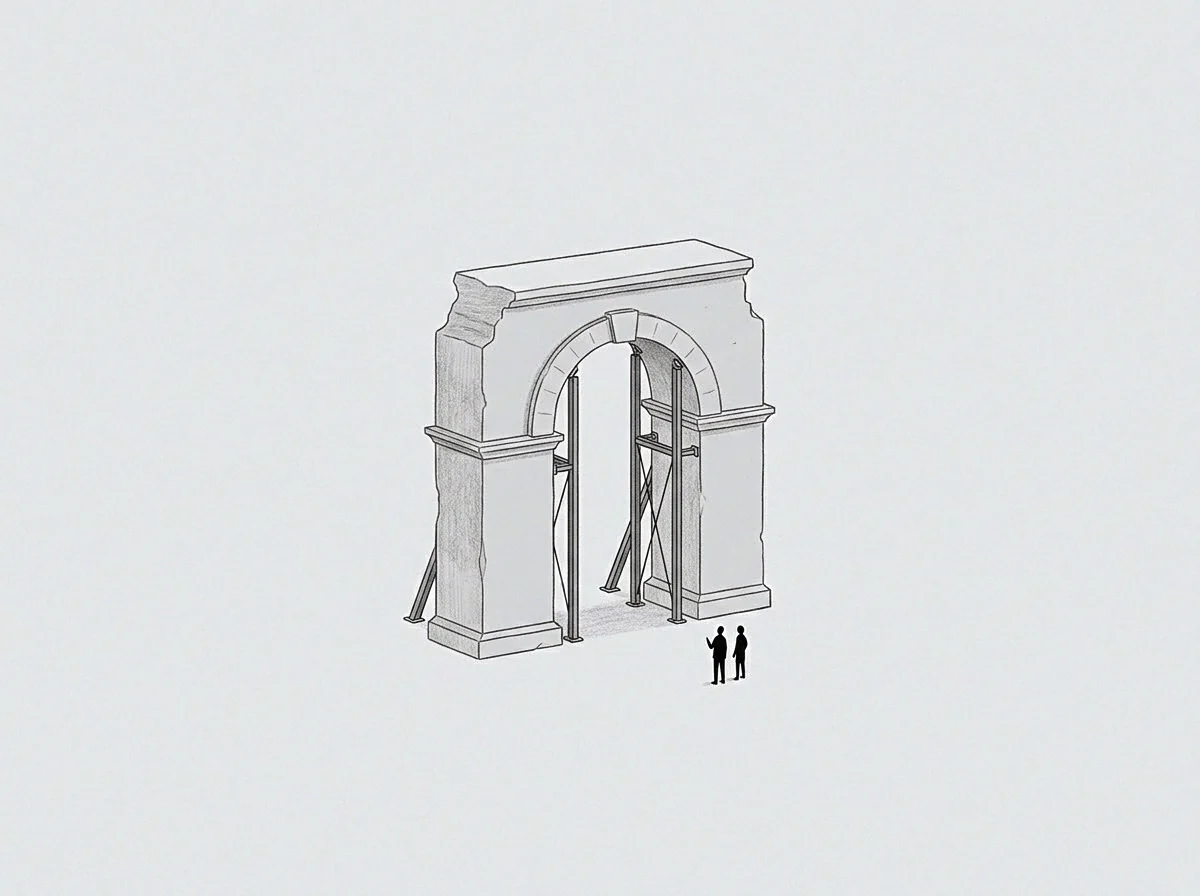
Organizational stability relies on a central figure’s capacity to absorb volatility before it impacts the rest of the operation. The execution of downward support occurs when a leader manages their own stress response to prevent panic from cascading to the workforce. This process represents a conscious dampening of tension, which protects the team’s operational focus from the chaos of market volatility.
It applies during periods of strategic transition, but ceases to work if the leader’s own capacity is exhausted.
Regulatory Function
Co-regulation acts as a silent stabilizer within high-performing teams. By modeling a controlled response, downward support provides a psychological baseline that team members unconsciously adopt. This stabilizing presence reduces collective anxiety, which maintains productivity during unexpected setbacks.
The physiological effort required to project this stability under pressure consumes significant nervous system energy.
Operational Strain
Constant stabilization of others imposes a quiet but severe tax on a founder. When downward support is sustained over months, the individual’s stress reserves run dry. This drain appears as a reduced ability to manage personal stress, leaving the leader vulnerable to sudden depletion.
Structural Boundary
Limits must be placed on how much volatility a single executive is expected to absorb. When downward support becomes the sole buffer against systemic stress, the organization risks single-point failure. Healthy operational design requires distributed responsibility, where multiple managers share the load of stabilizing their respective departments.