
Rebuilding Neural Receptor Slots For Downward Support After Surviving Corporate Insolvency Trauma
Insolvency shock alters executive baseline templates, requiring repeated co-regulation to rebuild neural receptor capacity for stable downward support.
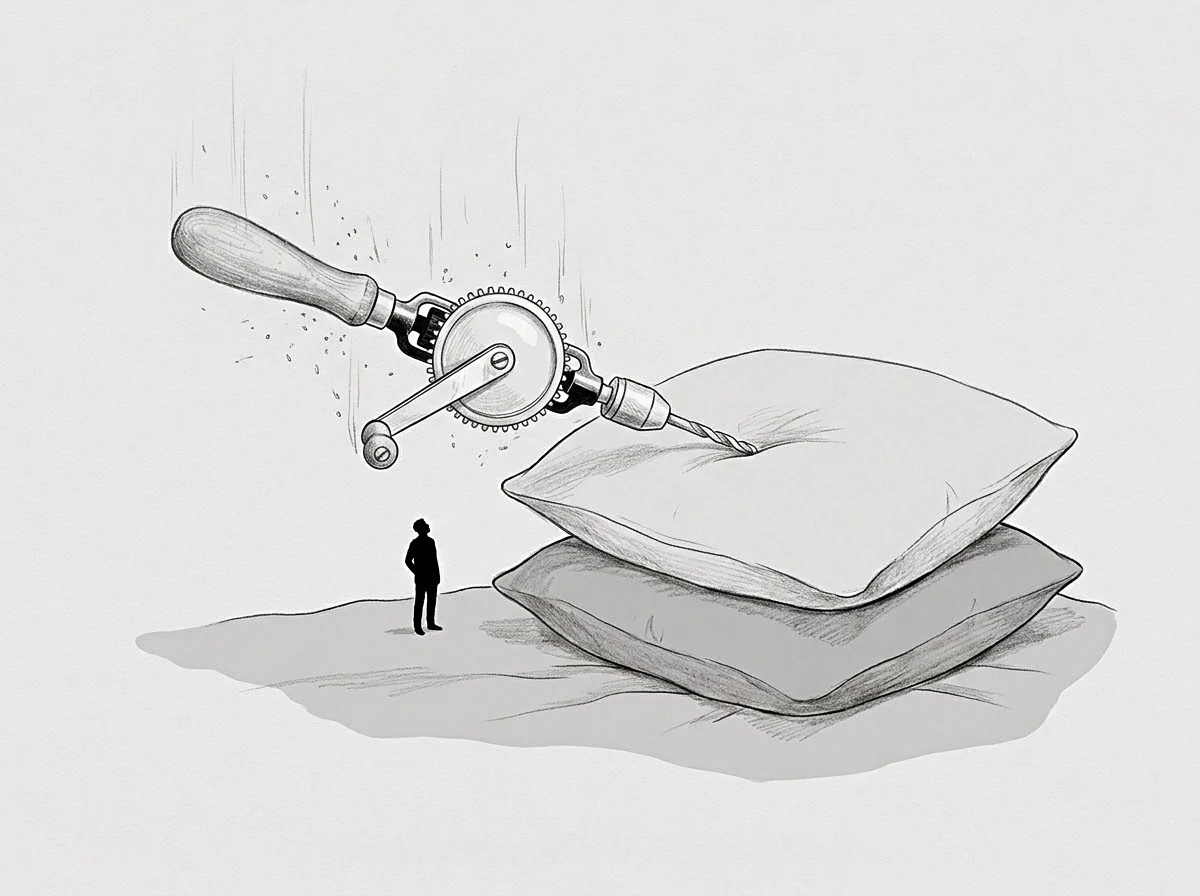
Seat
Four unanswered messages sit on the terminal screen at midnight, each from a department lead asking for budget guidance after an asset sale. The person in the executive office holds final authority over payroll, vendor terms, and team structure, but their physical baseline remains stuck in high autonomic arousal. Weeks after court filings, debt restructuring, and public disclosures, the formal corporate emergency has passed.
The operational machinery still demands a steady presence for remaining staff, yet the physiological capacity required to project calm is depleted. Downward support takes real room to absorb the anxiety of direct reports, take in operational ambiguity, and return a grounded signal of stability.
When an executive comes through the collapse of an entity, the physiological cost in energy and attention outlasts the legal proceedings. Acute distress during insolvency liquidations drives the autonomic nervous system into prolonged vigilance or metabolic conservation. Moving from defensive preservation back to supportive executive presence cannot happen by decision alone.
Neural pathways that evaluate incoming organizational strain and regulate downward communication become desensitized. Anchoring a room of anxious employees depends on functional neural receptor slots that absorb distress signals without triggering systemic panic in the leader.
Downstream confidence evaporates when executive presence returns an unbuffered signal of environmental threat.
Insolvency proceedings strip away organizational buffers, exposing leadership to hostile creditors, board conflict, and counterparty litigation. During this phase, executive self-regulation relies on adrenaline and immediate threat management. Metabolic reserves drop during rapid liquidation.
Once the immediate corporate crisis settles into a reorganized structure, the nervous system often stays locked in a high-threat calibration. The executive sits in a seat demanding continuous downward regulation for staff while carrying zero metabolic headroom to absorb external tension.
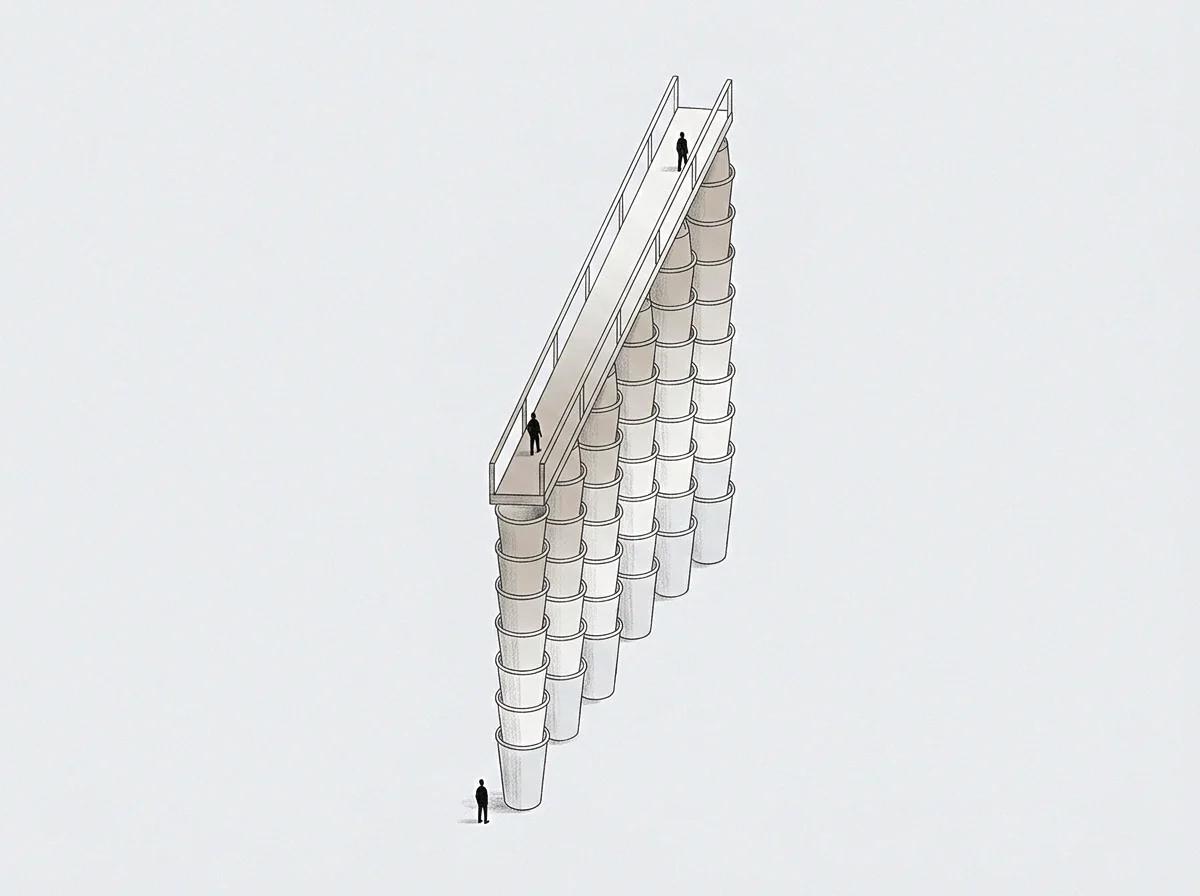
The Post-Collapse Downward Support Paradox
Direct reports look upward to regulate their own panic, treating the leader as an external nervous system to budget their operational safety. In an organization recovering from financial distress, employees track non-verbal cues, vocal tone, and decision velocity closely. When the leader’s internal receptor slots for downward support stop functioning, incoming distress signals from the team act as external stressors rather than routine operational inputs.
The executive experiences a direct report’s request for reassurance as a physical intrusion or a drain on remaining reserves.
Attempts to force supportive presence through sheer effort produce defensive posturing or outright withdrawal. The leader may maintain formal office hours, run structured syncs, and issue precise strategic directives, yet the underlying physiological signal still communicates exhaustion. Unbuffered stress damages neural receptor capacity.
Employees register the tension, reading executive distance as a sign of impending structural failure, which drives up staff turnover and friction across projects.

Autonomic Exhaustion in Executive Positions
Autonomic regulation under extreme institutional collapse shifts from sympathetic activation into parasympathetic shutdown. Prolonged exposure to existential financial risk saturates neural pathways with cortisol and catecholamines, reducing receptor sensitivity to routine relational cues. Silent load accumulation depletes executive presence.
The physical nervous system retains the impact of loss long after capitalization tables are adjusted.
Restoring executive function demands an explicit accounting of remaining physiological capacity before attempting downward stabilization. Expecting an exhausted leader to absorb organizational terror without active co-regulation causes repeated failure across administrative layers. Financial restructuring resolves legal claims, but it leaves the operational core without working downward regulation mechanisms.
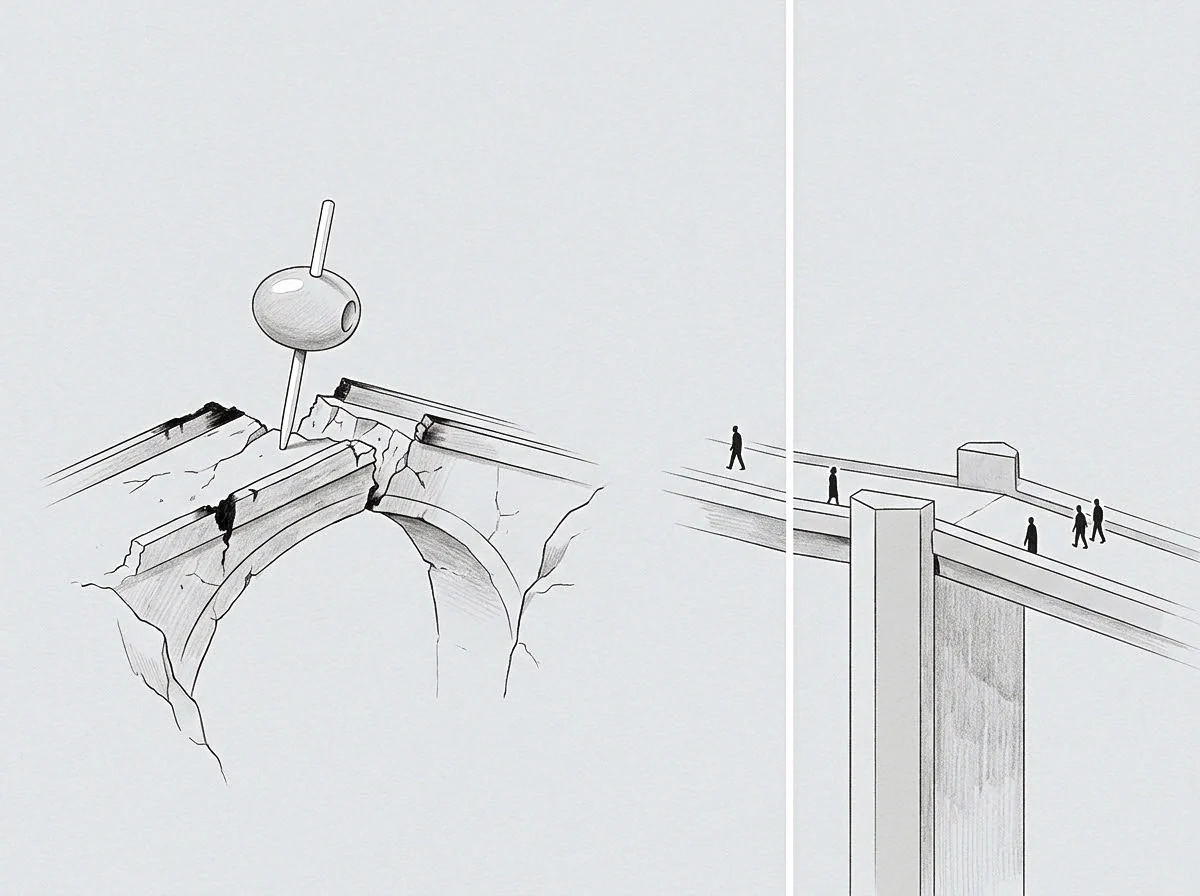
Template
Internal working models formed during severe organizational distress reshape how an executive approaches downward regulation. When an entity undergoes liquidation or heavy debt restructuring, the implicit contract between leadership and the institution breaks down. The leader learns through repeated threats that external structures, boards, and capital partners offer no regulatory buffer.
As a result, the executive internalizes a pattern where self-preservation and systemic protection must happen in complete isolation.
This isolated model creates a structural barrier when managing subsequent ventures or remaining teams. The executive assumes that every downward request for support pulls on dwindling personal energy. Rather than experiencing leadership as a shared baseline where regulatory duty distributes across an organization, the leader treats downward support as a one-way drain on scarce physiological capacity.
The neural architecture responsible for processing social baseline signals shifts its primary focus from mutual stabilization to immediate boundary defense.
Unbuffered self-regulation creates an unsustainable metabolic drain during prolonged organizational rebuilding.
Fusing personal self-regulation with team co-regulation turns ordinary management duties into heavy physical burdens. The leader attempts to maintain total operational control, treating any drop in oversight as an opening for failure. This defensive vigilance prevents the formation of open receptor slots capable of taking in external calm or offering steady downward presence to subordinate operational layers.
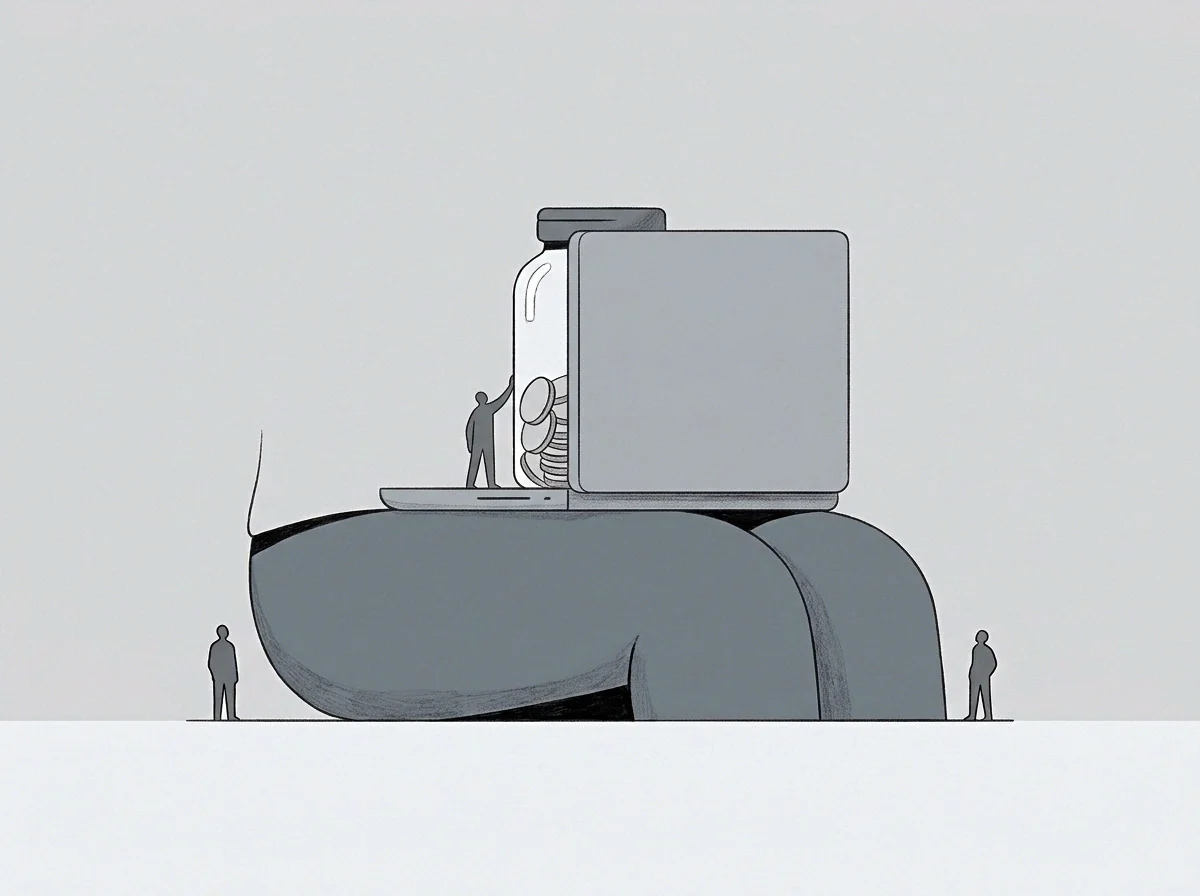
Internal Working Models Under Insolvency Strain
The transition from survival back to receptive leadership stalls when built on compromised internal working models. A leader who carried an organization through court-supervised restructuring often develops operational adaptations that impede long-term recovery:
- Hyper-Independent Threat Budgeting where the leader refuses to offload operational ambiguity onto peers, treating all external inputs as immediate personal obligations.
- Affective Flattening which serves as an involuntary physiological defense mechanism to limit energy expenditure during prolonged creditor negotiations.
- Receptor Slot Uncoupling where the neural pathways designed to absorb relational safety signals from supportive colleagues become entirely dormant.
- Predictive Panic Mapping causing routine operational delays to trigger physiological reactions identical to historical insolvency disclosures.
These defensive states protect an individual during acute organizational failure, but they prevent genuine downward support during ordinary operations. Rebuilding functional capacity means treating these patterns as physiological adaptations rather than character flaws.
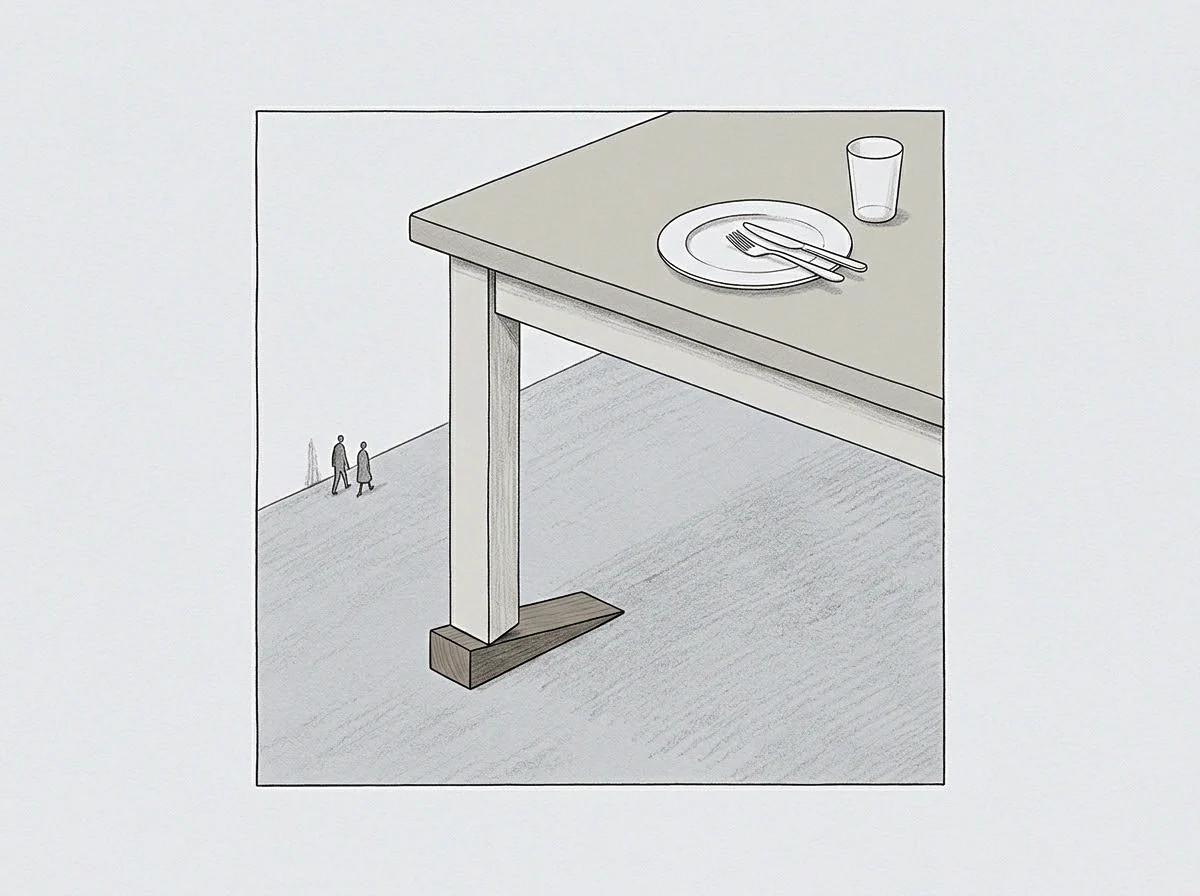
Fusion of Self-Regulation and Team Co-Regulation
When an executive fails to separate personal physiological stability from team stabilization, organizational capacity degrades quickly. Cortisol levels spike during structural breakdown. The executive treats every staff meeting as a space where personal composure must be forced into place, burning glycogen and speeding up metabolic fatigue.
Downward support relies on an underlying calm that operates beneath conscious effort. If an executive must construct a calm facade for every interaction, the neural slots needed to process downward inputs stay blocked by self-monitoring. The executive gets locked in an emotional expenditure loop without receiving physiological support in return, leading directly to detachment and decision paralysis.
Staff members eventually pick up on the gap between stated strategic goals and the autonomic exhaustion of leadership. The operational line senses that the leader cannot carry further volatility, prompting mid-level managers to withhold critical bad news to protect executive bandwidth. This blockage leaves leadership blind to emerging operational risks until systemic damage occurs, completing a cycle of organizational vulnerability.

Proximity
Social baseline theory demonstrates that the human brain budgets metabolic expenditure on the assumption that reliable partners are present. In standard work environments, operating alongside competent peers and supportive leaders reduces the individual brain’s threat-processing load. When institutional distress breaks down that trust, the brain switches to solitary regulation, treating every operational problem as an unbuffered personal burden that requires immediate metabolic expenditure.
Relational safety alters baseline threat calculations. For an executive recovering from financial insolvency, returning to a low-cost baseline requires physical and operational proximity to stable, low-threat counterparties. However, when an executive’s receptor slots are closed by prolonged operational distress, physical proximity alone fails to trigger physiological baseline sharing.
The individual remains functionally isolated even while sitting in boardrooms or active strategy sessions.
The metabolic cost in energy of maintaining downward support under solitary baseline regulation runs higher than under co-regulated operational structures. The theoretical foundation of social baseline theory rests on extensive empirical research demonstrating reduced neural threat activity during shared stress exposure, a finding established through neuroimaging trials evaluating threat response in bonded human pairs. This finding would face revision if future research established that neural threat attenuation occurs at identical rates in completely isolated individuals exposed to novel environmental dangers without prior relational habituation.

Can Downward Support Function Without Receptors?
Attempting to manage team anxiety without working neural receptor slots forces an executive to rely on cognitive willpower to project steady leadership. This approach fails over extended periods because willpower is a finite metabolic resource subject to severe depletion. The table below compares the operational dynamics of solitary baseline regulation against a co-regulated downward support structure inside an executive office following corporate restructuring.
| Evaluation Metric | Solitary Baseline Regulation | Co-Regulated Downward Support |
|---|---|---|
| Metabolic Cost Per Decision | High personal glycogen expenditure requiring constant conscious effort | Low physiological cost buffered by shared relational baselines |
| Signal Fidelity to Staff | Inconsistent non-verbal signals containing underlying autonomic strain | Consistent calm signal reflecting true underlying autonomic stability |
| Response Delay to Downward Inputs | Delayed due to cognitive filtering and threat evaluation mechanisms | Immediate and flexible processing of incoming staff concerns |
| Executive Recovery Rate | Slow recovery leading to persistent exhaustion and hyper-vigilance | Rapid recovery facilitated by effective offloading of relational stress |
Running an enterprise on solitary regulation leads to fast decay across management layers. Executive presence requires accessible neural receptor capacity. When leaders operate without co-regulation, decision velocity slows, administrative overhead rises, and team trust erodes under unbuffered anxiety.
Systemic capacity drops when executive regulation depends entirely on unbuffered willpower.
Vagal tone drops during prolonged strain. Restoring operational stability requires systematic reduction of the executive’s personal threat load through structured institutional design. If the organization expects an isolated executive to generate calm without external physiological buffering, structural collapse remains the inevitable outcome.
The operational requirement for functional downward support hinges on the explicit provision of peer-level co-regulation before demanding downward stability. Unless the leadership layer establishes structured access to relational safety, the executive team will consistently fail to provide the grounded, reassuring presence necessary to stabilize operational staff during post-insolvency recovery.
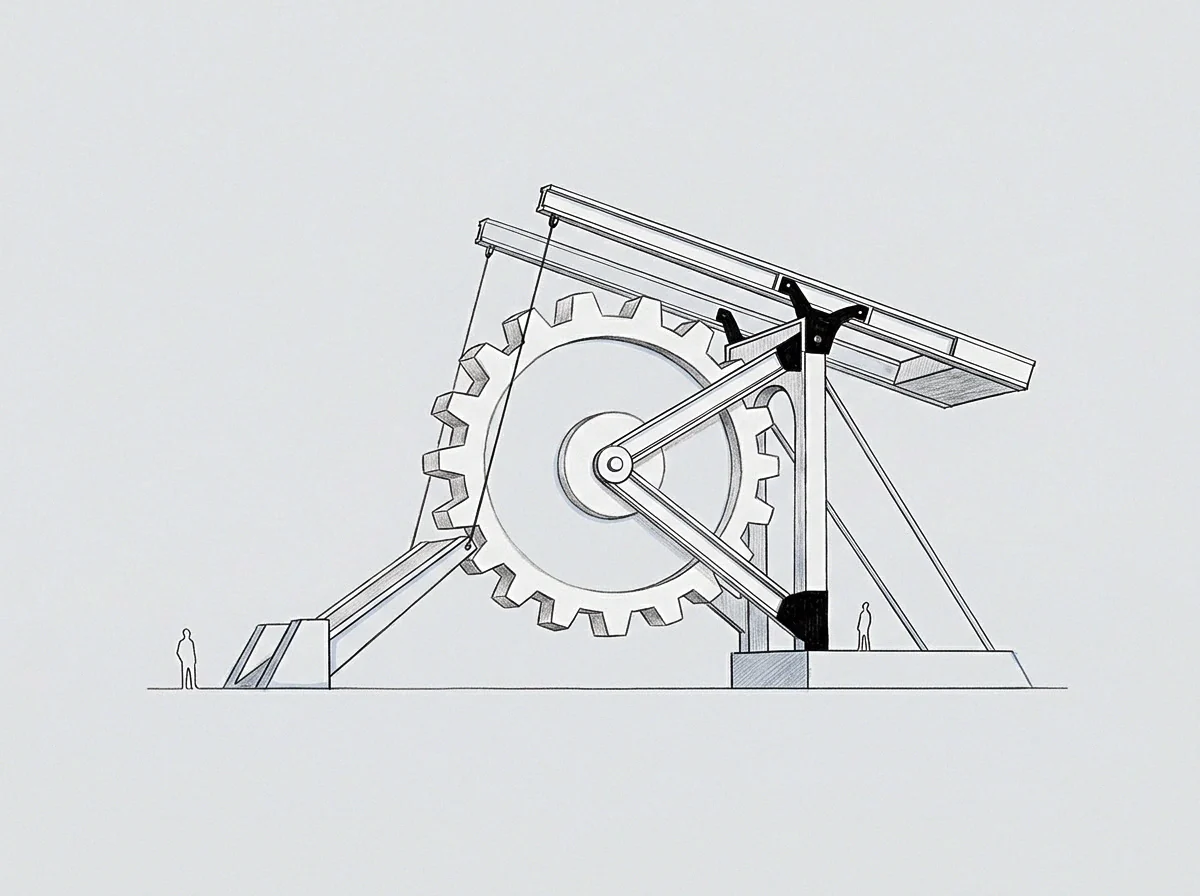
Slot
Rebuilding functional neural receptor slots requires moving past intellectual insight into structured physiological recalibration. An executive cannot simply register their autonomic exhaustion and expect immediate operational recovery. Neural pathways underlying emotional regulation adjust through repeated, low-stakes physical and relational experiences that consistently contradict past threat expectations.
Reopening closed receptor slots demands systematic exposure to relational inputs that register as safe, predictable, and metabolically efficient.
The neurological architecture governing social baseline integration relies on subtle non-verbal signals, predictable responses, and low-friction communication channels. Restored baseline regulation lowers allostatic load. When an executive experiences repeated interactions where downward support requests do not result in personal resource exploitation or unexpected crisis, the brain slowly rewires its threat assessments.
This process requires time, deliberate environmental design, and strict enforcement of operational workload limits.
Attachment stability updates in adulthood rest on extensive longitudinal studies utilizing adult attachment interviews across post-crisis professional cohorts. This body of research demonstrates that internal working models remain modifiable through consistent relational micro-interactions throughout late adulthood. These empirical findings would be invalidated if longitudinal neural imaging revealed that receptor binding efficiency and synaptic plasticity in emotional processing centers become permanently fixed following early developmental window closure.

Physiological Architecture of Neural Receptors
Re-establishing receptor sensitivity inside an executive’s autonomic nervous system follows a precise sequence of physiological updates. The individual must navigate specific recovery stages before full downward support capacity returns:
- Stabilization of basal metabolic rates through strict enforcement of non-negotiable physical rest periods and workload caps.
- Engagement in low-stakes, non-transactional peer interactions that contain zero operational performance requirements.
- Activation of peripheral nervous system safety signals through structured physical environments characterized by low sensory noise.
- Gradual re-introduction of minor downward support tasks paired with immediate post-interaction peer debriefs to prevent threat accumulation.
- Integration of sustained downward regulation responsibilities across expanding operational spans as autonomic resilience stabilizes.
Direct progression through these physiological recovery steps allows the executive to rebuild receptor capacity without triggering historical panic responses. Repeated safety updates the neural wiring. Rushing this process forces the nervous system back into defensive conservation, erasing previous baseline gains and solidifying executive withdrawal.

Earned Security Through Repeated Micro-Interactions
Earned security represents the formal neurological update path for individuals whose initial internal working models were compromised by severe organizational failure. This transformation does not occur through grand strategic shifts or intensive intellectual analysis. Earned security builds slowly through daily micro-interactions where expected betrayal, sudden operational failure, or severe resource drain fails to materialize.
Earned security forms when actual operational safety consistently contradicts historical expectations of collapse.
When an executive interacts with a reliable board member, an operational partner, or an administrative peer who consistently delivers calm, non-reactive responses, the executive’s threat prediction engine experiences a processing error. The brain expected an emergency but encountered stability. Over hundreds of minor occurrences, this prediction error alters neural synaptic weightings, slowly opening the receptor slots necessary to receive external regulation and, subsequently, offer downward calm to others.
Unspoken limits cause covert contract drift. The process demands absolute transparency regarding operational limits during the recovery phase. The executive must establish explicit conditions for their availability, ensuring that downward support obligations do not exceed current autonomic capacity.
Protecting remaining bandwidth allows neural receptor slots to repair naturally without being repeatedly overwhelmed by incoming organizational demands.
As these neural receptors recover function, the leader notices a shift in physical response during team meetings. Incoming operational problems register as routine administrative items requiring analysis rather than existential personal threats. The executive regains the ability to listen calmly to employee concerns, absorb workplace ambiguity, and issue clear strategic directions without experiencing autonomic strain or post-meeting exhaustion.
What physiological metrics reliably indicate that an executive’s neural receptor slots have reached sufficient operational stability to sustain high-density downward support without risking sudden autonomic regression?

Anchor
Long-term operational recovery requires embedding structural safeguards directly into corporate governance to protect executive baseline capacity. Expecting a post-insolvency executive to maintain downward support without protective institutional structures inevitably reproduces the conditions that caused autonomic collapse. The board of directors, key operational partners, and human resource systems must design an organizational environment that actively manages threat inputs and distributes regulation costs across the operational structure.
Protecting executive baseline function involves clear structural boundaries around executive access, decision authority, and operational load. The institution must build explicit buffer zones that filter routine administrative friction before it reaches the executive desk, allowing the leader to preserve neural receptor capacity for critical downward support moments and long-term strategic alignment.
The exact duration of structured co-regulation required to permanently restore downward receptor sensitivity remains unquantified across clinical and organizational literature. Under this uncertainty, prudent leadership teams maintain fixed, low-friction peer check-in structures for at least six months following a corporate restructuring before expanding the executive’s direct downward management span.

Restoring Downward Capacity Over Time
The timeline for full restoration of downward executive support capacity varies based on the depth of historical insolvency shock and the consistency of the post-collapse environment. Leadership teams must treat neural receptor recovery as a continuous, long-term operational objective rather than a rapid administrative adjustment. Attempting to accelerate recovery schedules without objective evidence of autonomic stabilization leads to sudden operational failure during subsequent enterprise challenges.
In the physical world of ship operations, an anchor line does not secure a vessel by rigid, unyielding force alone. The system relies on the heavy chain lying along the seabed, using mass, friction, and structured slack to absorb sudden wave impact before force transfers directly to the vessel hull. Similarly, an executive baseline requires structural buffers within the organizational design to absorb market shocks before those forces hit the leader’s internal nervous system.
When leadership structures incorporate explicit buffer mechanisms, executive presence becomes a durable institutional asset. The leader operates with continuous access to clear relational safety, maintaining open receptor slots that process downward team needs with minimal metabolic friction. Downward support transforms from an exhausting personal sacrifice into a sustainable operational routine.

Structural Safeguards for Long-Term Presence
Constructing an institution that protects executive regulation baselines requires implementing explicit organizational boundaries and operational protocols. Sustainable downward support rests on specific institutional design decisions:
First, direct reporting lines to the post-collapse executive must be limited to prevent continuous autonomic overload. Second, mandatory communication firewalls must restrict off-hours operational pings, preserving recovery windows necessary to maintain neural receptor health. Third, executive peer groups must meet regularly for non-transactional operational alignment, providing continuous opportunities for horizontal co-regulation.
These structural measures shift the burden of baseline maintenance from individual willpower to institutional design. The organization recognizes that executive calm is a limited, high-value metabolic asset requiring active preservation. By building protective operational structures around leadership, the enterprise secures stable downward support, protects team cohesion, and ensures long-term operational viability.
Sustainable executive presence requires institutional safeguards that limit unbuffered threat exposure before metabolic reserves reach total exhaustion.