
Establishing Operational Limits Without Exhausting The Core Regulator
Core regulators protect biological reserves by substituting formal structural intake boundaries for continuous personal availability under high operational noise.

Weight
Four asynchronous escalations sit in the queue at ten on a Tuesday night while the core operator reviews a financial model for the board. The messages contain no emergency, yet each sender attached an urgent flag because their own nervous system reached capacity two hours prior. The operator reads the notes, feels the familiar drop in room temperature, and begins drafting responses that resolve the technical ambiguity while steadying the team.
The operator stays calm because the room demands it. The system functions because one central nervous system absorbs the ambient variance of eight others without charging that absorption to an operational account.

Operational Availability as Unpriced Insurance
Organizations naturally route uncertainty toward the person whose internal state remains steady under high environmental noise. Social baseline theory demonstrates that human brains continuously budget energy based on the immediate proximity of predictable partners. When a leader maintains a low-arousal state during variance, surrounding team members offload their own regulatory burden onto that leader.
This offloading drops the neural expenditure of the team while elevating the baseline metabolic spend of the operator. The team reads the operator’s steady demeanor as excess capacity. Load transfers to steady ground.
This dynamic creates an unpriced insurance policy within the firm’s management architecture. Because the core regulator absorbs interpersonal friction and risk-induced panic, the true cost of ambiguous roles and weak operational handovers remains hidden. The organization appears efficient only because one person pays the metabolic delta out of their private physiological reserve.
Unstated limits encourage infinite intake.
The core regulator absorbs ambient organizational volatility until metabolic reserves drop below the safety threshold required for baseline self-preservation.
The Structural Price of Steady Signals
A regulator who operates without explicit intake limits gradually builds an internal working model that equates safety with total self-reliance. This template forms early under conditions where external support was absent or conditional on performance. When managing an enterprise, the operator projects this template onto every operational thread.
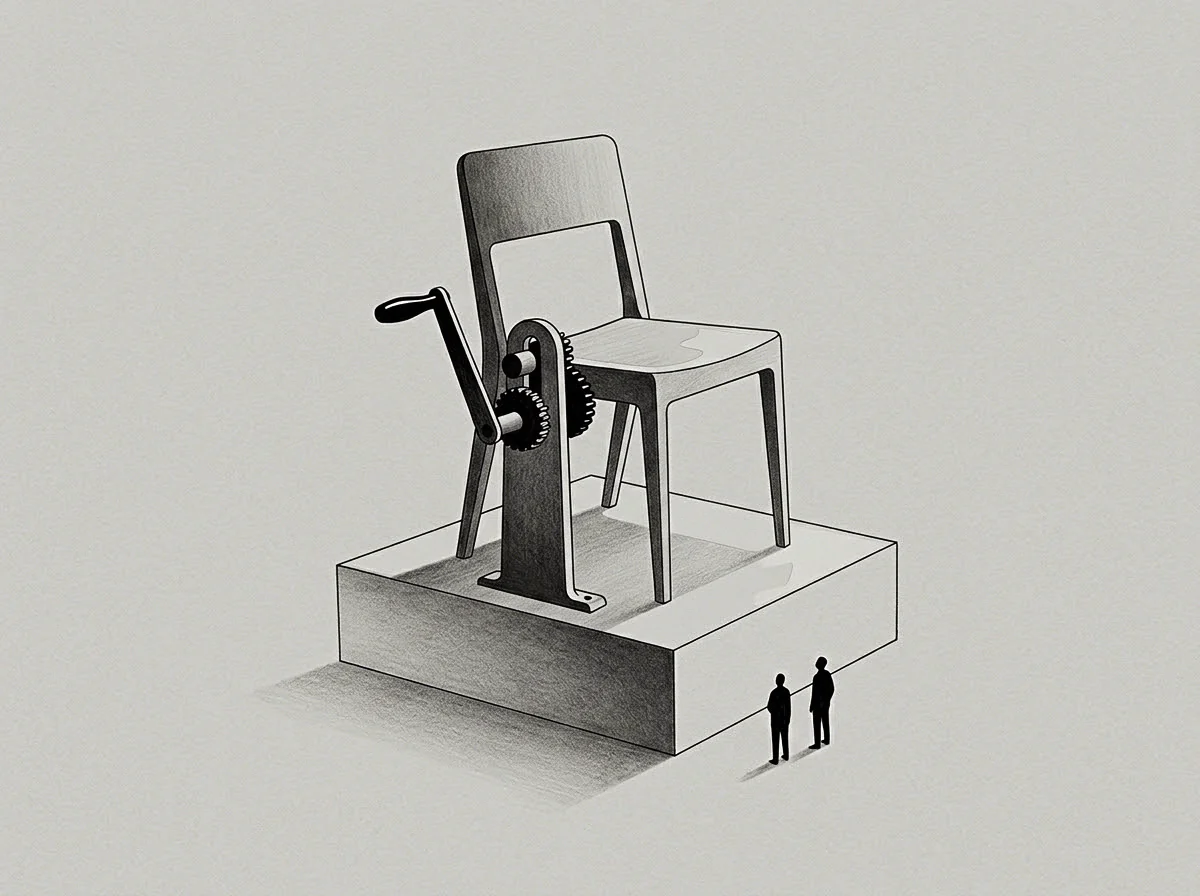
The operator acts as the primary baseline for the firm, yet possesses no active receptor slot to receive external regulation from colleagues or advisors. The seat holds nothing back.
Continuous unbuffered exposure to institutional volatility creates allostatic overload. The physical baseline collapses long before the operator acknowledges exhaustion, leading to sudden cognitive rigidity, impaired risk assessment, and severe executive fatigue. When an organization relies entirely on unstated baseline absorption rather than formal intake governance, a sudden increase in external stress breaks the central regulator and leaves the firm without an operational shock absorber.

Valve
The human brain conserves glucose by utilizing social proximity as a primary energy-saving mechanism. When a person operates near a responsive and predictable partner, the neural circuits responsible for vigilance drop their baseline activity. In an enterprise setting, the core regulator serves as this reliable partner for the entire executive team.
The presence of the operator lowers the baseline vigilance required by sub-tier leads, allowing them to execute complex tasks without bearing the full emotional weight of operational outcomes.
Neurobiology of Borrowed Calm
Borrowed calm registers in the recipient as their own internal stability. Team members rarely recognize that their clarity of thought relies directly on active proximity to the central operator. They experience the operator as an infinite resource because the biological transmission of regulation occurs below conscious awareness through vocal tone, posture, and rapid decision resolution.
The recipient assumes the stability is self-generated, which prevents them from building independent internal buffers against ambiguity.
This biological asymmetry leads directly to structural asymmetry. Because borrowed regulation is invisible to the user, team members continue to increase their demand on the operator during periods of high market turbulence. The system seeks cheap regulation.
The operator’s capacity becomes the single bottleneck for organizational calm, forcing the operator to spend continuous biological energy maintaining an artificial equilibrium across multiple departments.
When team members borrow stability without structural throttles, the central regulator’s physiological baseline deteriorates while institutional debt accumulates invisibly.

Internal Working Models under Overdraft
A core regulator operating without functional intake throttles exhibits predictable operational patterns. The lack of an internal receptor slot for external support creates distinct systemic failure modes across the management layer.
- Unbounded operational intake occurs when the leader accepts secondary decision ownership without requiring prior risk filtering from sub-tier managers.
- Asynchronous ping escalation manifests as team members sending fragmented, low-context updates at all hours to offload immediate emotional discomfort.
- Diffused accountability structures emerge when project owners substitute the central regulator’s sign-off for rigorous internal testing of their own operational assumptions.
- Receptor slot atrophy appears as the operator rejecting valid peer assistance due to a habitual belief that external inputs introduce net operational noise.
Over time, these behavioral patterns lock the firm into a fragile state where operational velocity depends entirely on the physical stamina of one individual. The body registers unspoken demands. When that individual reaches biological capacity, the absence of clear operational valves turns minor execution failures into systemic crises.
Unpriced availability invites continuous operational overflow until explicit throttles redefine the intake boundary.
What Sustains a Limit Under Volatility?
Sustaining an operational limit requires shifting the team’s expectation from instant access to structured throughput. When an operator establishes hard boundaries on intake, the team initially experiences the sudden absence of borrowed calm as an operational crisis. If the operator breaks the limit under pressure, the team learns that the limit is decorative rather than structural.
If the operator holds the boundary while maintaining warm personal presence, the team is forced to build internal regulatory mechanisms to process their own ambiguity. The long-term stability of the enterprise depends on whether the operator can survive the discomfort of allowing sub-tier leads to process their own operational friction without immediate intervention.
Desk
Managing operational capacity demands a clear distinction between tactical availability management and formal structural intake boundaries. Many leaders attempt to solve regulator exhaustion through tactical calendar management, such as blocking focused work hours or turning off notifications. Tactical fixes alter schedule geometry while leaving the underlying relational intake contract intact.
The organization continues to view the operator as an accessible shock absorber, leading to boundary breaches whenever external pressure spikes.
Structural intake governance changes the underlying contract by establishing non-negotiable operational gates. Rather than managing access to their personal time, the core regulator redesigns decision protocols, risk thresholds, and escalation pathways. The ping demands rapid resolution.
The shift moves the firm from informal human regulation to formal institutional architecture.
| Evaluation Vector | Throttled Tactical Availability | Stated Structural Limits |
|---|---|---|
| Intake Mechanism | Ad-hoc calendar blocks and manual message filtering. | Fixed decision gates and standardized risk templates. |
| Physiology Cost | High expenditure due to constant manual boundary enforcement. | Low expenditure as structural rules automate intake rejection. |
| Team Working Model | Increases team anxiety through unpredictable access windows. | Builds team self-reliance by setting clear execution terms. |
| System Resilience | Fails under sudden market turbulence when access is demanded. | Absorbs volume shocks by enforcing strict priority queues. |
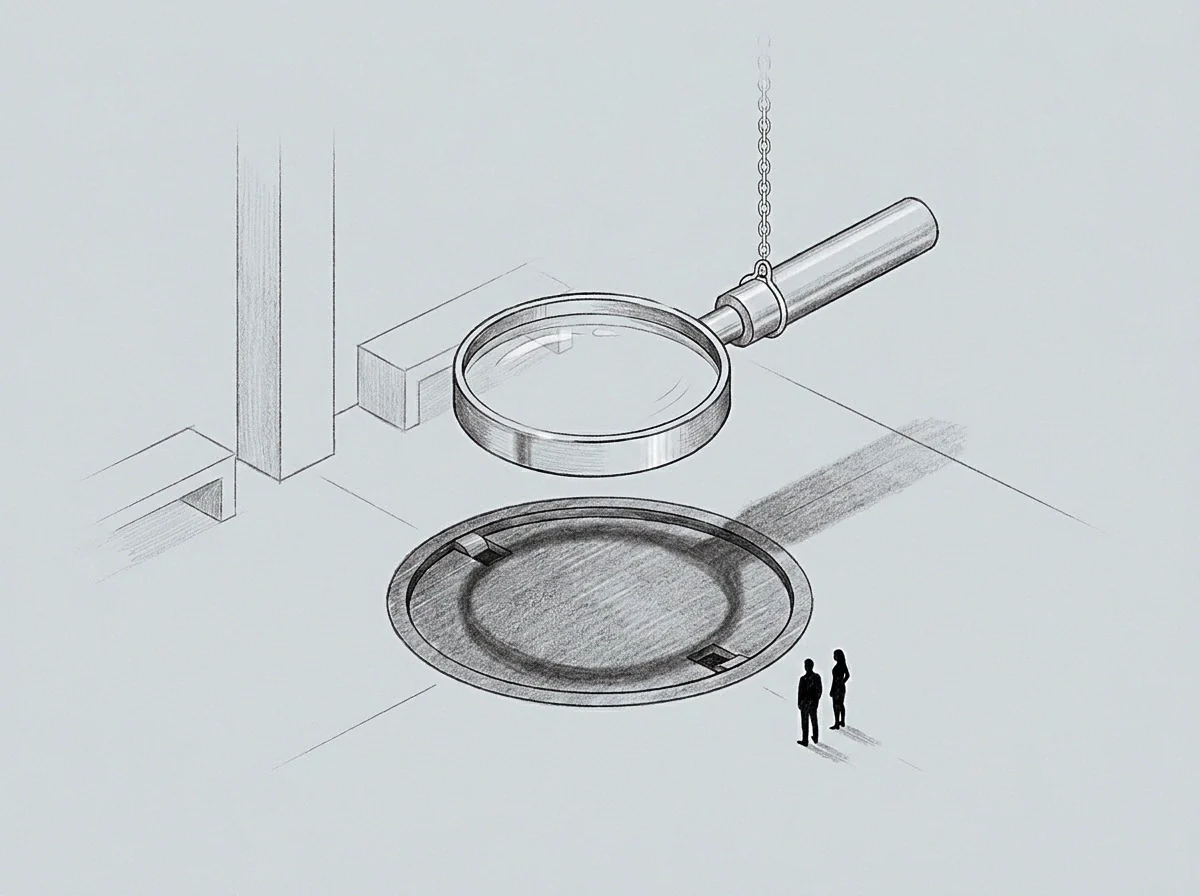
Structural Mechanics of Boundary Design
Implementing structural intake governance requires explicit statements regarding decision rights and escalation parameters. The operator defines the specific operational criteria an issue must satisfy before reaching the executive desk. Issues failing to meet these criteria return automatically to the initiating lead, regardless of the lead’s internal distress.
Structural boundaries alter intake patterns.
This transition transfers the burden of initial uncertainty processing back to the operational originators. When sub-tier leads realize that the central regulator will not absorb raw, unformatted ambiguity, they adjust their own analysis procedures. The shift reduces total incoming ping volume while elevating the quality of escalations that reach the core desk.
Operational limits hold only when backed by explicit protocols that reject unformatted ambiguity at the institutional perimeter.
The core regulator establishes a binding escalation clause requiring all incoming risk flags to carry two fully modeled mitigation pathways prior to executive review, altering the intake dynamic permanently.
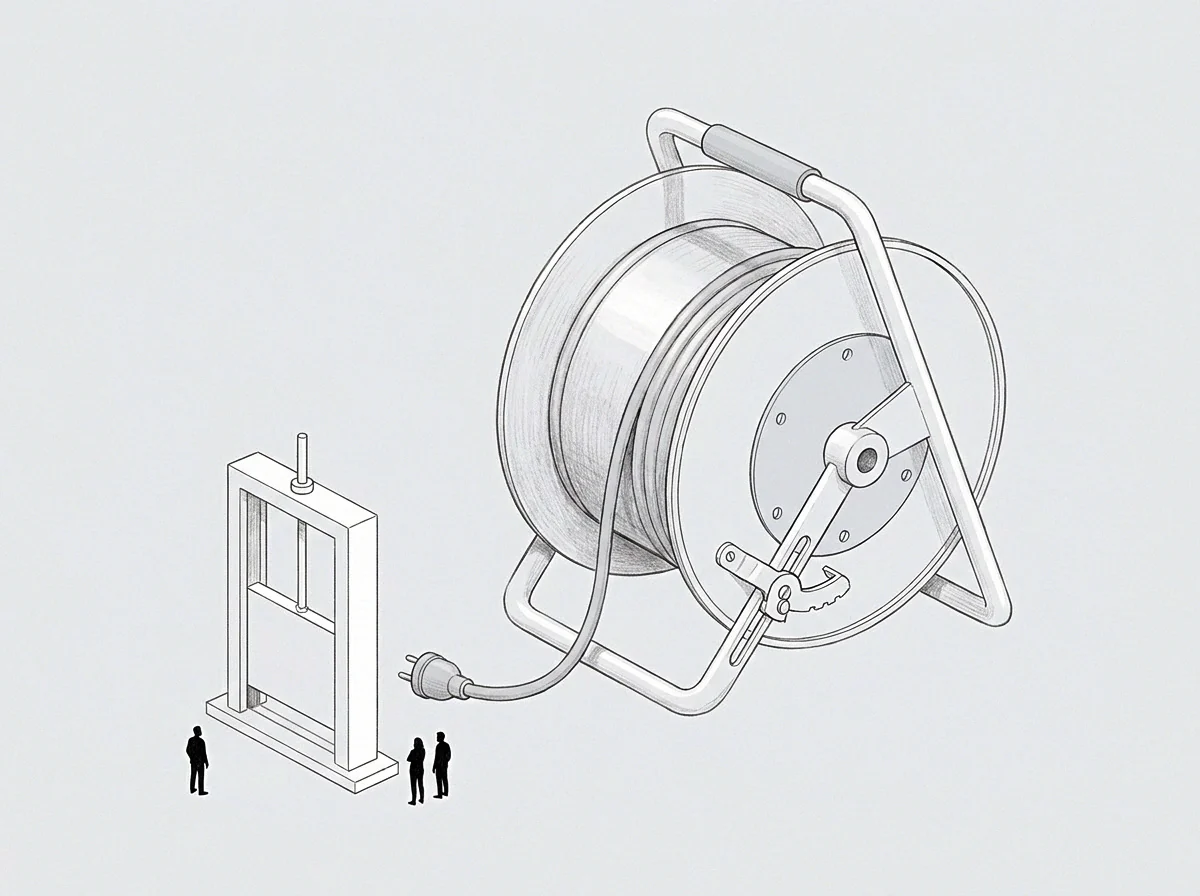
Screen
Re-architecting an operational intake system without causing relational rupture requires deliberate execution. Team members accustomed to borrowing calm directly from the central operator often read sudden unavailability as personal rejection or corporate failure. The operator must navigate this transition by separating personal warmth from operational intake.
Proximity lowers neural expenditure.

Sequencing the Limit without Relational Rupture
The transition from informal baseline absorption to governed intake follows a predictable sequence. The operator must state the operational boundary before the firm enters its next high-stress cycle, preventing the limit from appearing as an emergency reaction to recent failures.
- Auditing all informal escalation channels currently routing ambient team anxiety directly to the executive desk.
- Publishing explicit operational criteria defining acceptable escalation triggers, required context formatting, and standard resolution timelines.
- Transferring secondary decision authority to sub-tier leads while establishing fixed weekly review cadence for system monitoring.
- Rejecting non-compliant escalations immediately without processing the underlying operational problem or absorbing the sender’s urgency.
- Maintaining steady interpersonal warmth during routine interactions to decouple operational boundaries from relational distance.
Execution requires absolute consistency during the initial deployment phase. When a sub-tier lead bypasses the structural gate during a minor crisis, the operator must enforce the protocol despite short-term operational inconvenience. Repeated enforcement trains the organizational system to respect the new intake geometry.
The baseline absorbs team friction.

Managing the Asynchronous Ping
The asynchronous message represents the primary vector for covert regulation transfers. A sub-tier lead experiences internal anxiety regarding an unfinished task, drafts a partial update, and sends it to the central operator at night. Sending the message transfers the cognitive load from the lead to the operator, allowing the lead to sleep while the operator absorbs the unresolved loop.
Silence carries an operational price.
The core regulator eliminates this habit by establishing strict rules around asynchronous communication. Messages sent outside formal working hours without explicit emergency flags receive no processing until the next scheduled intake window. The operator refuses to act as a night-time cognitive repository, forcing team members to hold their own operational loops until the institution opens for business.
The operator used to fix these fires instantly, but now the desk stays clear until morning because the rule is absolute.

Toll
Long-term operational sustainability requires the core regulator to undergo an internal update process regarding self-reliance and support intake. A leader who built a career by serving as an unshakeable baseline often possesses an early template that views receiving help as a dangerous vulnerability. This internal orientation creates a physiological system optimized exclusively for outbound regulation.
The individual can manage massive external stress for others, yet experiences acute discomfort when offered care, quiet, or operational backing from peers.

Cultivating Receptor Capacity for External Support
Updating the regulator template cannot occur through conceptual insight alone. The brain updates internal working models through repeated actual experiences of safe, reliable co-regulation. The operator must actively construct opportunities where operational weight is shared with trusted peers, allowing the nervous system to register that offloading load does not lead to systemic collapse.
In structural engineering, early masonry arches depended entirely on a single central keystone to prevent catastrophic vault collapse. Modern architectural design distributes load across redundant structural frames, allowing individual components to undergo maintenance without jeopardizing the stability of the entire edifice. An enterprise management structure must mirror this shift, moving from single-point human regulation to distributed structural redundancy.
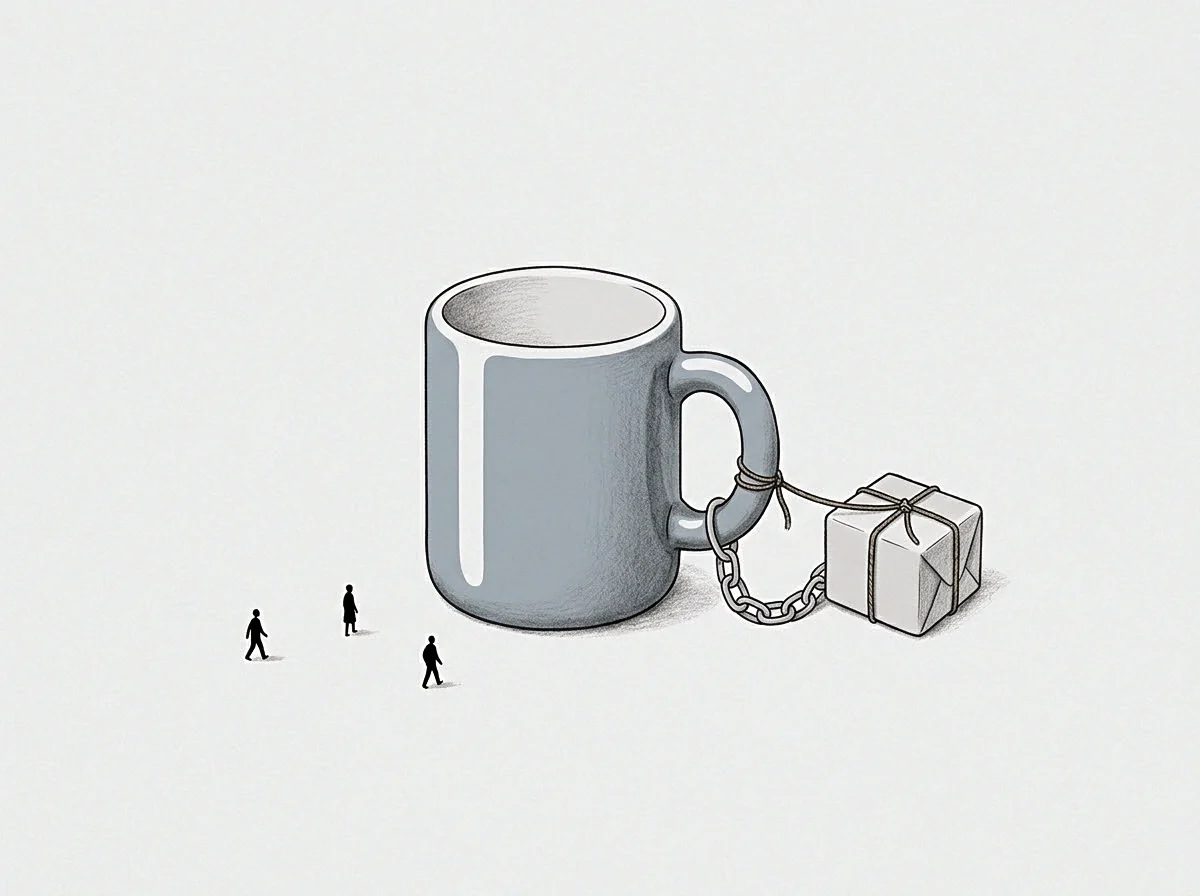
Building Earned Security in High-Load Systems
Earned security develops as the operator repeatedly experiences operational safety while operating within explicit limits. As sub-tier leads learn to process their own ambiguity, the total background noise reaching the executive desk drops. The reduction in continuous biological spend creates space for the operator to rebuild baseline physiological reserves.
Receptors grow through quiet presence.
The evolution changes the nature of executive leadership within the firm. The operator shifts from being an active shock absorber to functioning as an architectural designer. Capacity determines the real limit.
The firm operates with higher execution speed, lower emotional noise, and structural resilience that survives changes in individual stamina, while the core regulator retains the energy required to govern the institution over extended temporal horizons.