
How Co Regulation Templates Direct Unspoken Load Transfers in Startups
An internal regulator template forces one person to absorb team operational ambiguity through autonomic baseline matching without receiving external support.
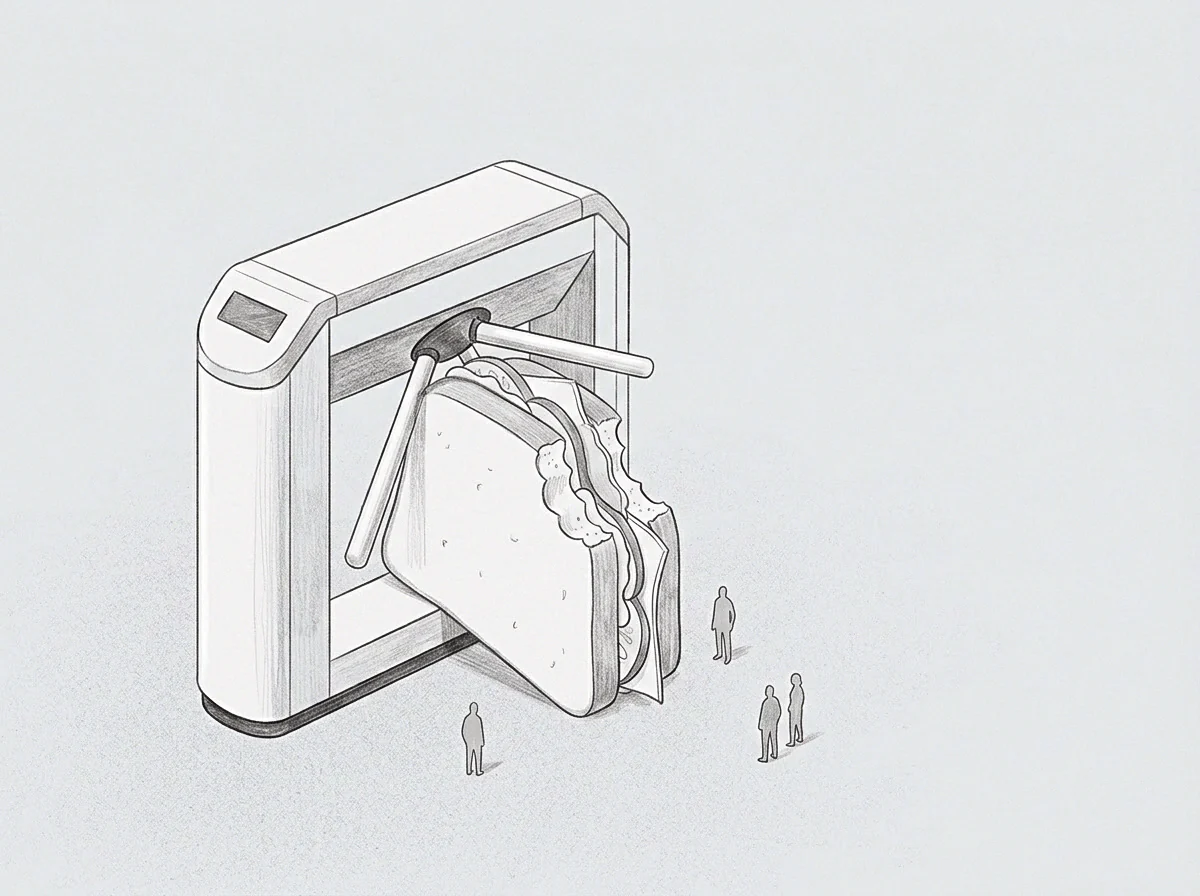
Seat
Four operational threads remain open on a desktop monitor at midnight while capital reserves dwindle. A co-founder sits nearby, scrolling through legal revisions, their breathing visible in the cool air of an unheated office. The room carries no loud arguments, no overt panic, and no visible distress.
A subtle transaction takes place between the two bodies without a single word spoken. As unresolved operational friction multiplies across customer success channels and board decks, one partner remains visibly immobile, maintaining a steady resting heart rate and an even vocal cadence. The second partner unconsciously anchors their own surging autonomic state against that apparent immobility, dropping their immediate sympathetic arousal.
The immobile individual absorbs the unassigned ambiguity into their own physiological budget, accepting an unspoken transfer of operational load.
Autonomic Baseline Matching in Pressure Environments
Human nervous systems continuously monitor surrounding bodies to assess threat levels and metabolic expense. Within early-stage companies where roles remain fluid and structural safety is absent, this monitoring operates continuously. When a team encounters severe market friction or product failure, individual autonomic systems look for a stable reference point.
An executive who displays structural calm becomes that baseline. Peers and subordinates align their autonomic states with that steady reference point through baseline matching. Threat taxes the brain.
Proximate bodies share state.
This physiological alignment carries a hidden operational price. Down-regulating one person’s panic through another person’s presence consumes real physical energy from the steady individual. The calm leader becomes an external regulator for the surrounding organization.
Because this transfer occurs beneath conscious awareness, the team interprets the leader’s stillness as endless structural headroom. Operational uncertainty flows directly toward the individual who shows the fewest outward signs of strain. The incoming load does not vanish; it accumulates quietly within the primary regulator’s nervous system.
The Unspoken Transfer of Operational Ambiguity
Unassigned problems in a startup create an autonomic debt that demands resolution. When a strategy fails or cash runway contracts, someone must hold the resulting tension until a decision emerges. Organizations naturally push this unformed tension toward the person who appears least disrupted by it.
Stillness is not capacity. The leader accepts the transferred task while simultaneously absorbing the relational anxiety generated by the team’s uncertainty.
Over several months, this dynamic creates a sharp divergence in executive experience. Team members feel surprisingly centered after brief strategic syncs, reporting enhanced clarity and reduced stress. The primary regulator leaves those same interactions with compounding physiological fatigue.
The load transfer succeeds precisely because it remains silent, allowing the organization to function without establishing explicit risk parameters or structural boundaries.
The weekly review felt quiet and structured because the decision had already been absorbed before anyone entered the room.

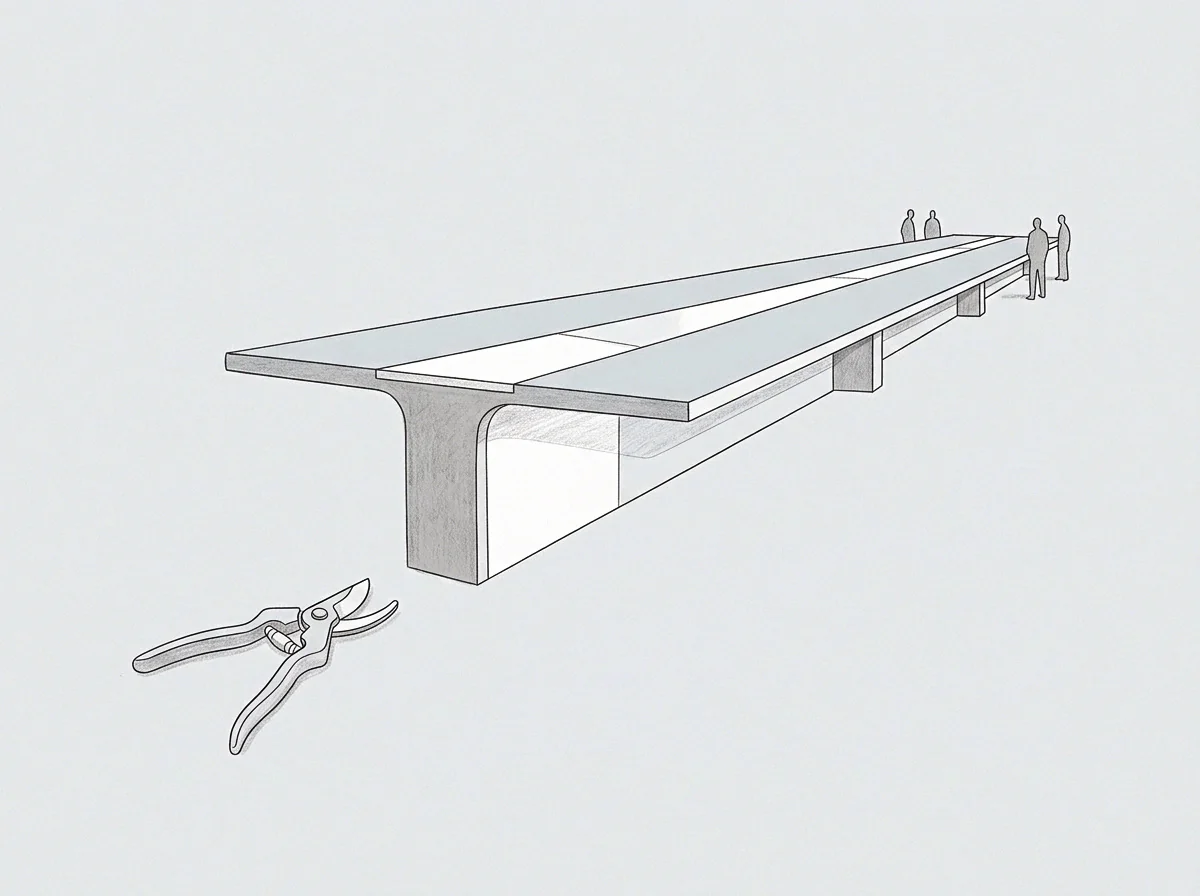
Presence
Human autonomic systems calculate energetic expenditure based on the physical proximity of predictable partners. Research in affective neuroscience demonstrates that the human brain treats social resources as integral to its energy budget. When a reliable partner stands nearby, the brain conserves metabolic resources by delegating portions of its environmental vigilance and emotional control.
Self-regulation without external support demands high baseline glucose consumption, elevated cortisol output, and sustained sympathetic tone. Proximity lowers these baseline costs dramatically.
A team matches its baseline to the lowest visible arousal level in the room.
In high-pressure venture environments, this energy saving creates a strong relational pull. Founders and key operators seek out steady colleagues to lower their own cognitive and emotional tax. A partner who maintains an even state provides borrowed regulation to everyone in the room.
Team members draw upon this steady presence to stabilize their own focus, effectively outsourcing their autonomic stabilization. Isolation elevates physiological expenditure.
Social Baseline Theory and Metabolic Conservation
Social baseline theory establishes that primary human physiology assumes close proximity to trusted conspecifics. The brain perceives solitude or relational instability as an anomalous, high-risk condition that demands immediate metabolic expansion. When an executive team operates under intense deadline strain, individuals naturally draw upon the steady presence of a calm peer to maintain working memory and decision-making clarity.
The steady peer acts as a metabolic shock absorber for the group.
This shared energy budget functions effectively only when regulatory responsibilities shift fluidly between group members. In many startup leadership arrangements, this responsibility settles permanently on a single individual. The primary regulator holds the group’s autonomic baseline continuous, allowing others to operate efficiently while their own energy reserves drain steadily.
Metabolic budgets dictate capacity.
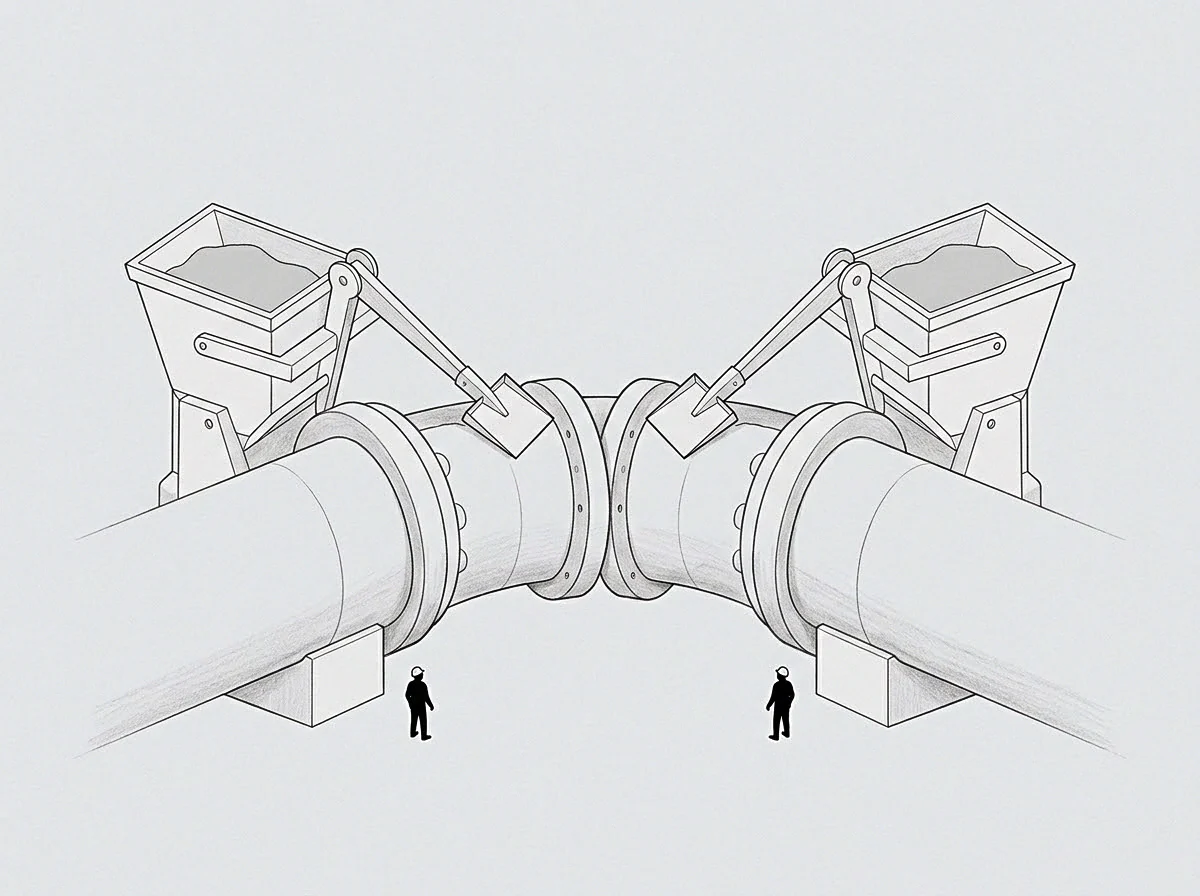
Self Regulation as an Expensive Operational Mode
Operating in permanent self-regulation burns physical reserves rapidly. An executive forced to regulate their own internal state while simultaneously managing the emotional climate of an entire organization operates at peak metabolic expenditure. The brain treats this relentless demand as a chronic stress event, shifting resources away from long-term somatic maintenance toward immediate environmental tracking.
The immediate result is a quiet erosion of health and clear judgment. While the surrounding team experiences high productivity and low anxiety, the central regulator experiences compounding sleep disruption, cognitive narrowing, and delayed physical recovery. The asymmetry remains invisible because the leader’s internal working model forbids the open display of internal distress.
Operational calm sustained through isolated self-regulation eventually bills the individual through delayed physical exhaustion.
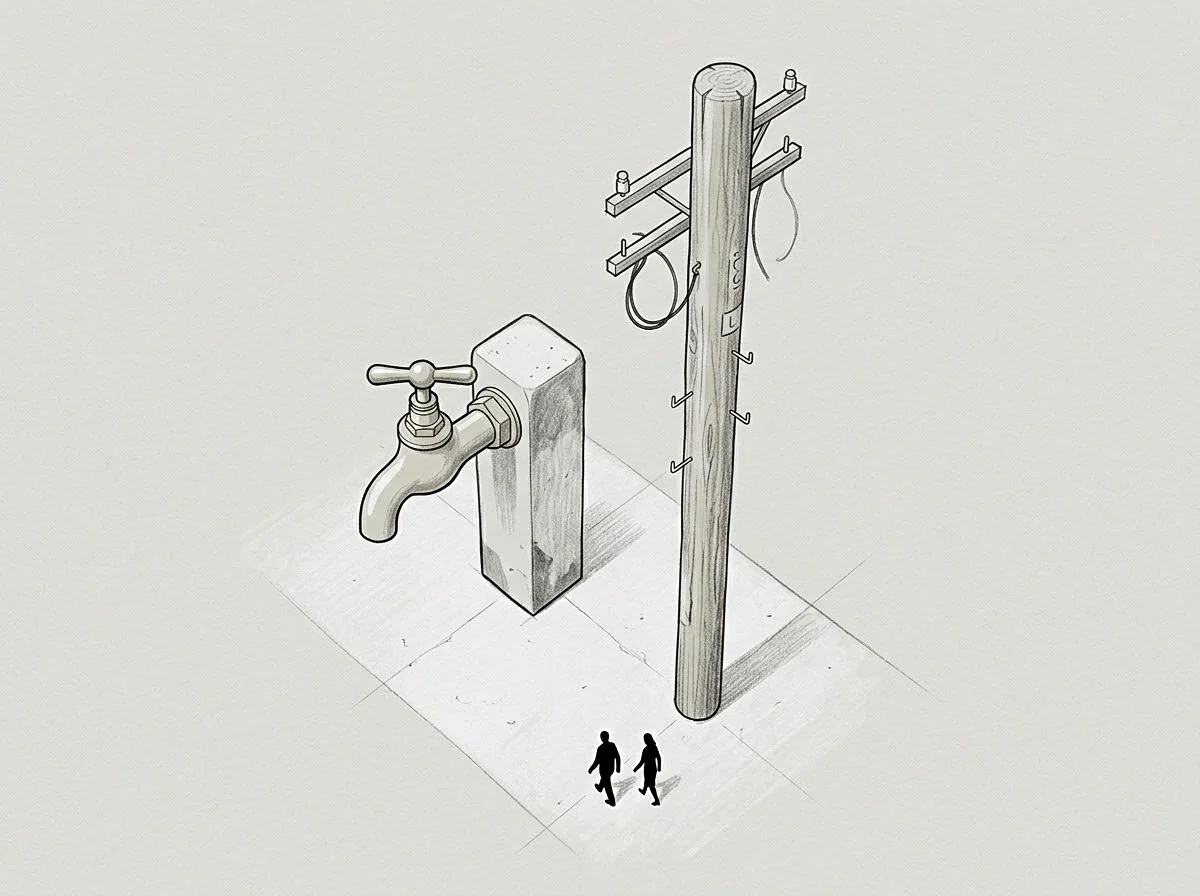
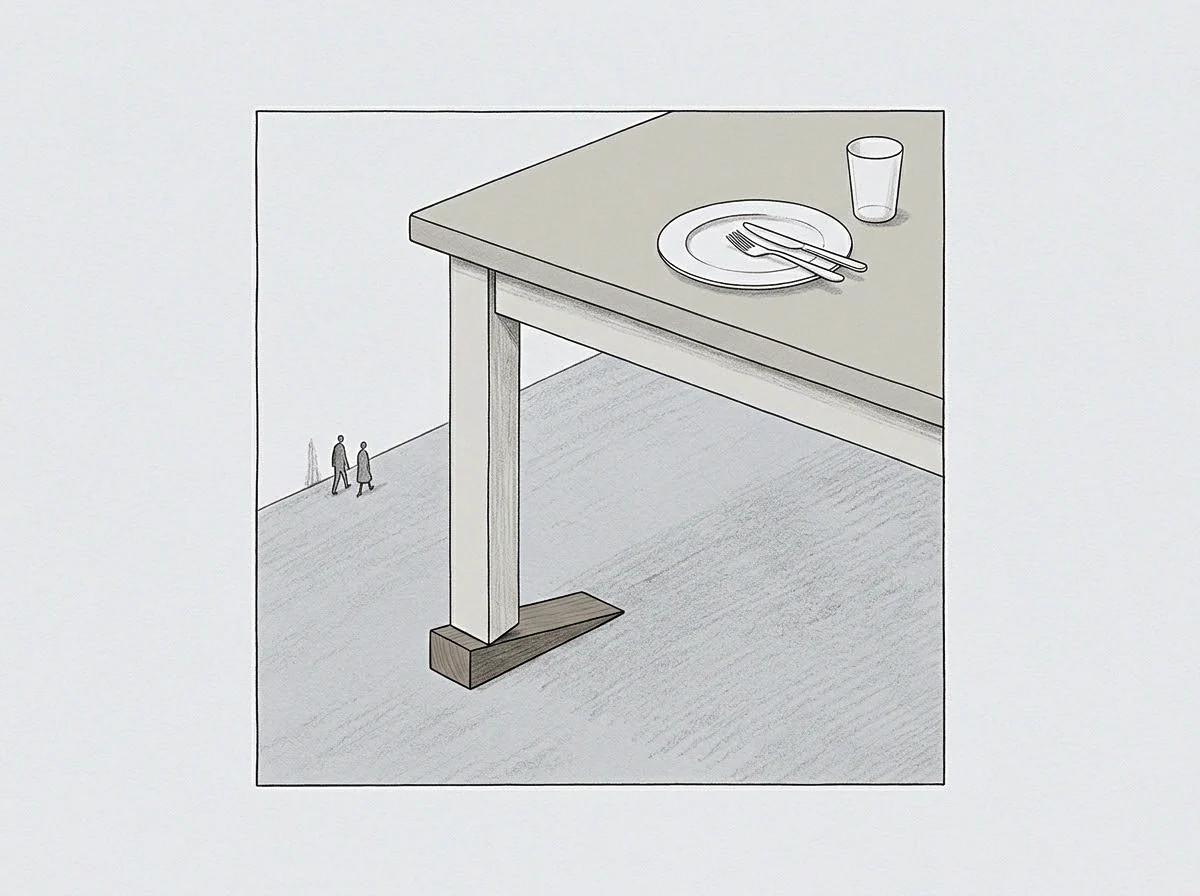
Slot
Early attachment experiences construct an internal model where managing external destabilization remains the sole pathway to safety. Individuals who develop this relational orientation in early life learn to monitor their caregivers’ emotional states continuously, suppressing their own needs to keep the home environment stable. In adulthood, this template produces a leader who unifies self-regulation and team-regulation into a single operational habit.
They possess a highly developed capacity to manage the emotional states of others, paired with a complete absence of internal architecture for receiving external support. The missing slot remains empty.
When a colleague or partner offers genuine relief, the internal model rejects the input. Presence offered by others registers as an anomaly or an additional operational task requiring management. The leader cannot drop their guard because their fundamental template views letting go as dangerous.
They remain locked in a broadcast-only mode of autonomic delivery.
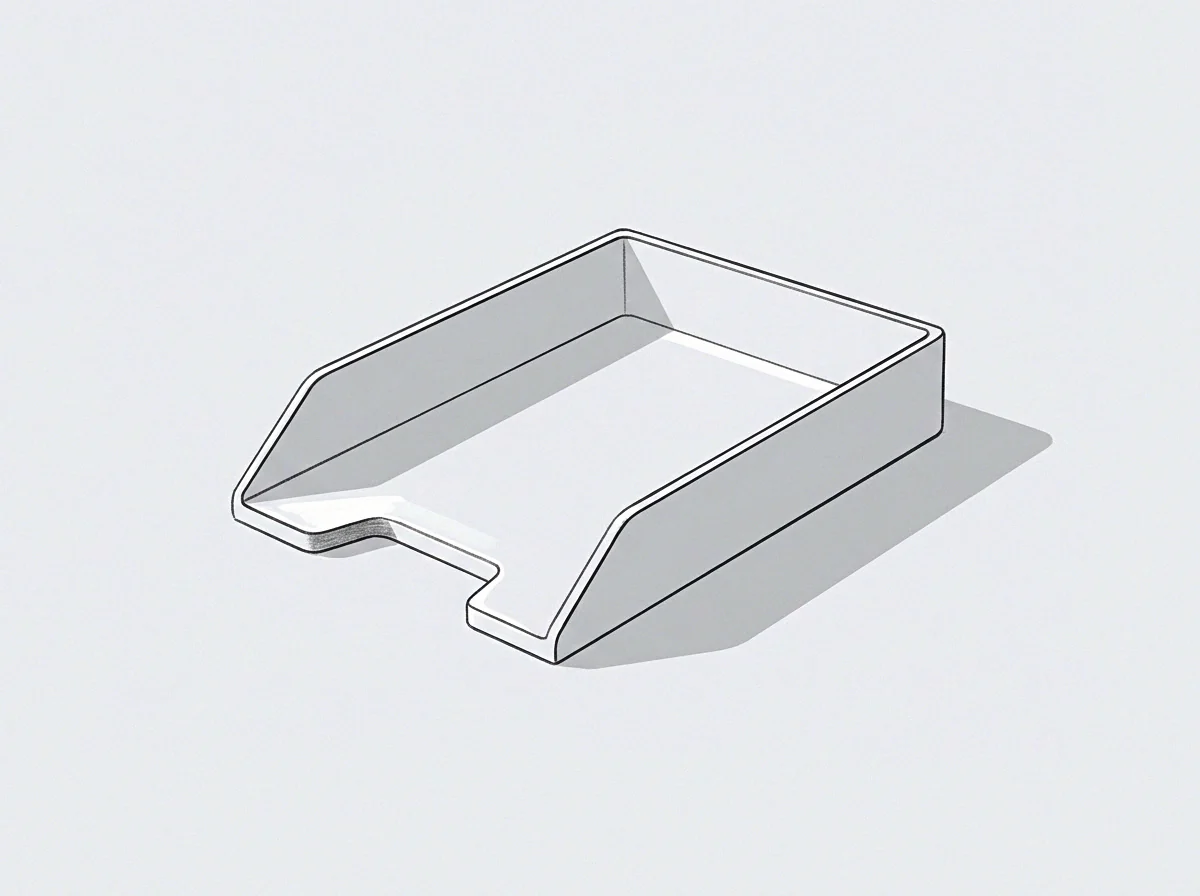
The Reverse Internal Working Model
A reverse working model turns standard attachment dynamics upside down. Standard relational development establishes the self as an entity that receives care from responsive figures during moments of threat. The reverse template positions the self as the sole provider of stability for surrounding figures, viewing personal distress as an unacceptable destabilizer of the entire system.
In a startup context, this manifest as a founder who absorbs all market volatility, investor pressure, and co-founder anxiety while refusing every offer of assistance.
When an internal model equates personal calm with external stabilization, incoming offers of support register as unexpected system interference.
This structural limitation generates significant organizational blind spots. The executive cannot delegate high-stakes ambiguity effectively because doing so triggers internal alarm regarding the organization’s overall stability. They mistake their own inability to receive help for a lack of competence in their executive team, reinforcing their conviction that they must hold every operational weight alone.
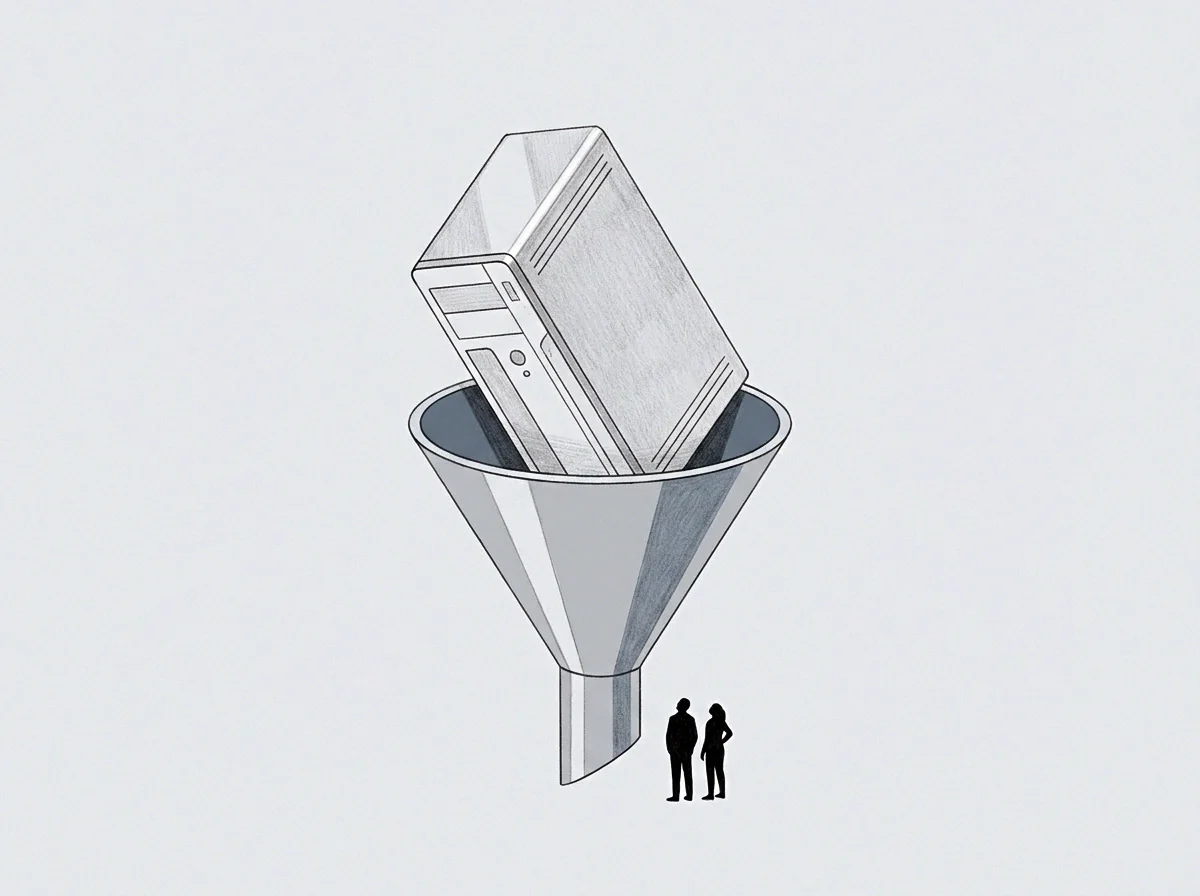
Absence of Receptive Capacity
Receptive capacity requires a dedicated physiological and psychological slot created through early experiences of being held through stress. Without this internal slot, an individual experiences offers of support as confusing or demanding. They view a co-founder’s inquiry about their well-being as a subtle test or a distraction from real work.
The body keeps record.
| Regulatory Structure | Metabolic Cost | Direction of Transfer | System Outcome |
|---|---|---|---|
| Self-Regulation Alone | Maximum metabolic consumption per individual | Isolated internal containment with zero transfer | Accelerated somatic fatigue and cognitive narrowing |
| Borrowed Co-Regulation | Low for borrower, compounding high for primary baseline | Unidirectional flow from calm regulator to team | High immediate team output paired with central single-point risk |
| Reciprocal Co-Regulation | Balanced expenditure across all members | Bidirectional fluid exchange based on real capacity | Sustained organizational endurance and distributed resilience |
Transitioning away from a unidirectional load dynamic demands building receptive capacity from scratch. This process requires systematic exposure to low-stakes situations where the individual consciously allows another person to hold operational ambiguity without stepping in to resolve it.
The presence of a backward working template ensures that every incoming offer of relief is reallocated as an additional management task.
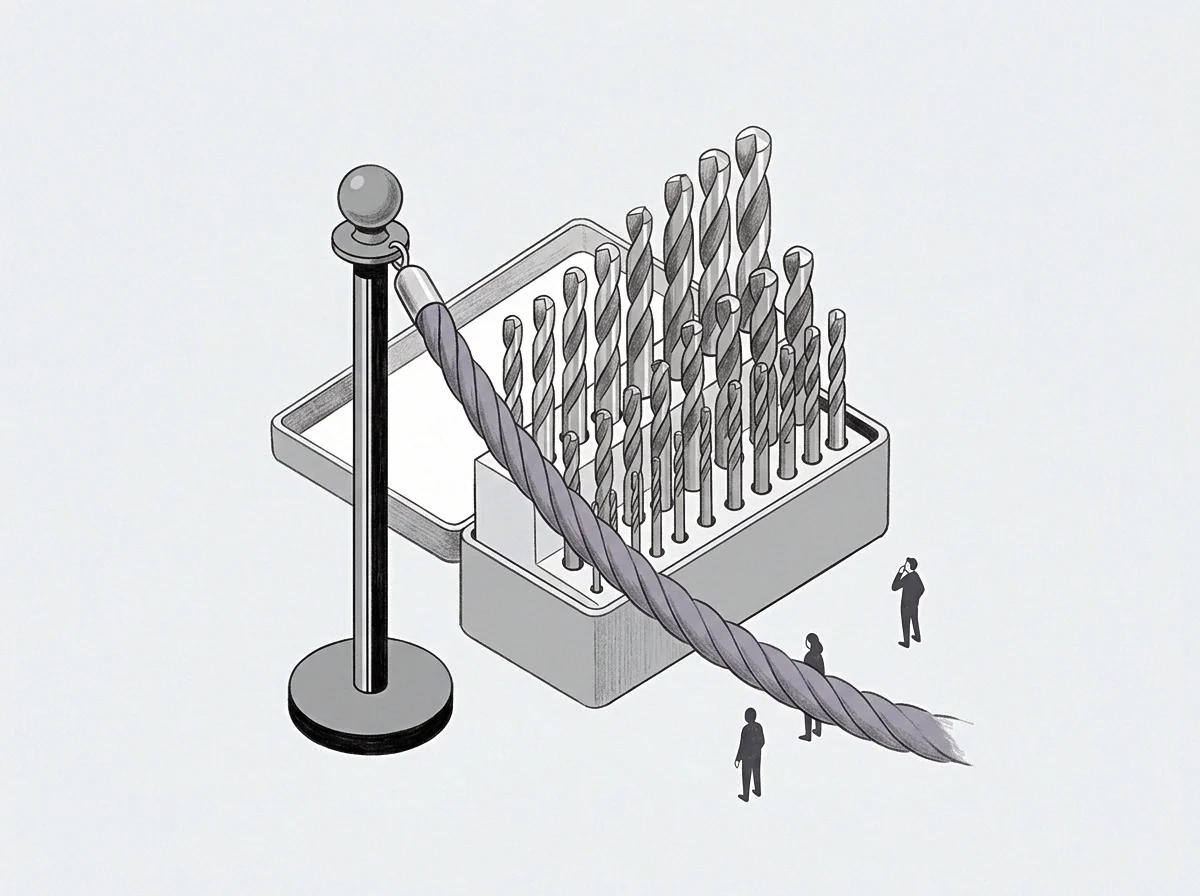
Weight
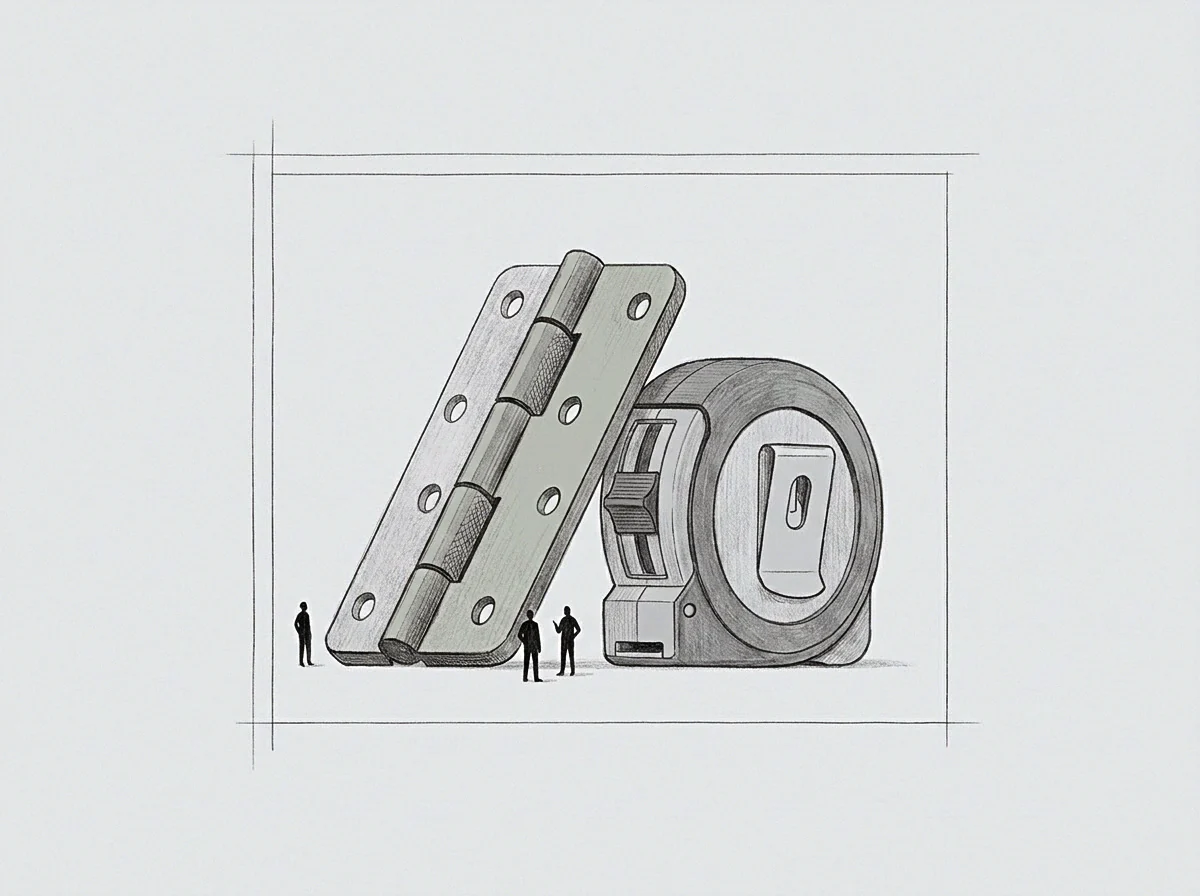
A proven capacity to remain stable under high threat acts as a magnet for unresolved organizational tension. When an executive demonstrates exceptional composure during a company-threatening pivot or a severe fundraising shortfall, team members instinctively bring their unformed worries to that person’s desk. The organization constructs an informal routing table for anxiety, sending every ambiguous file to the individual who demonstrates the highest load tolerance.
Silence carries an implicit tax.
This dynamic creates a compounding feedback loop. As the central regulator absorbs more load, their visible composure reassures the team, encouraging further load transfer. The group mistakes the leader’s silence for infinite bandwidth, unaware that the regulator’s internal system approaches allostatic saturation.
Unspoken contracts bill later.
The Proven Regulator Dynamic
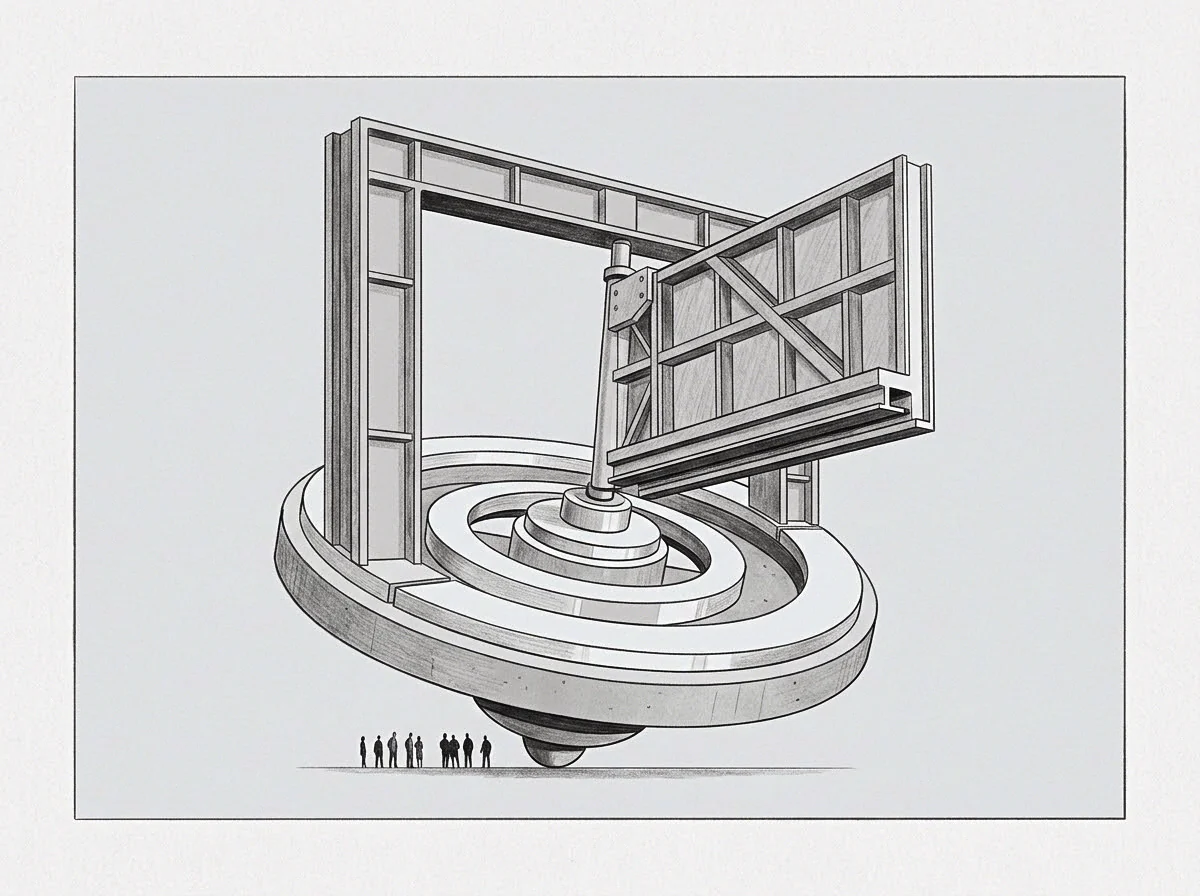
Proven regulators in early-stage ventures suffer from their own track record. Having successfully managed previous crises without breaking, they establish a high operational baseline that becomes the company standard. The executive team assumes that because the leader survived past shocks without displaying vulnerability, future shocks will carry no greater physical cost.
An unstated operational contract assigns all unspoken risk to whichever physiological system exhibits the lowest initial arousal.
This structural miscalculation leads directly to sudden, severe executive failure. The proven regulator does not fail incrementally; they operate at peak output until their physiological capacity collapses entirely, surprising peers who saw no warning signs.
Worked Analysis of Two Executed Operating Models
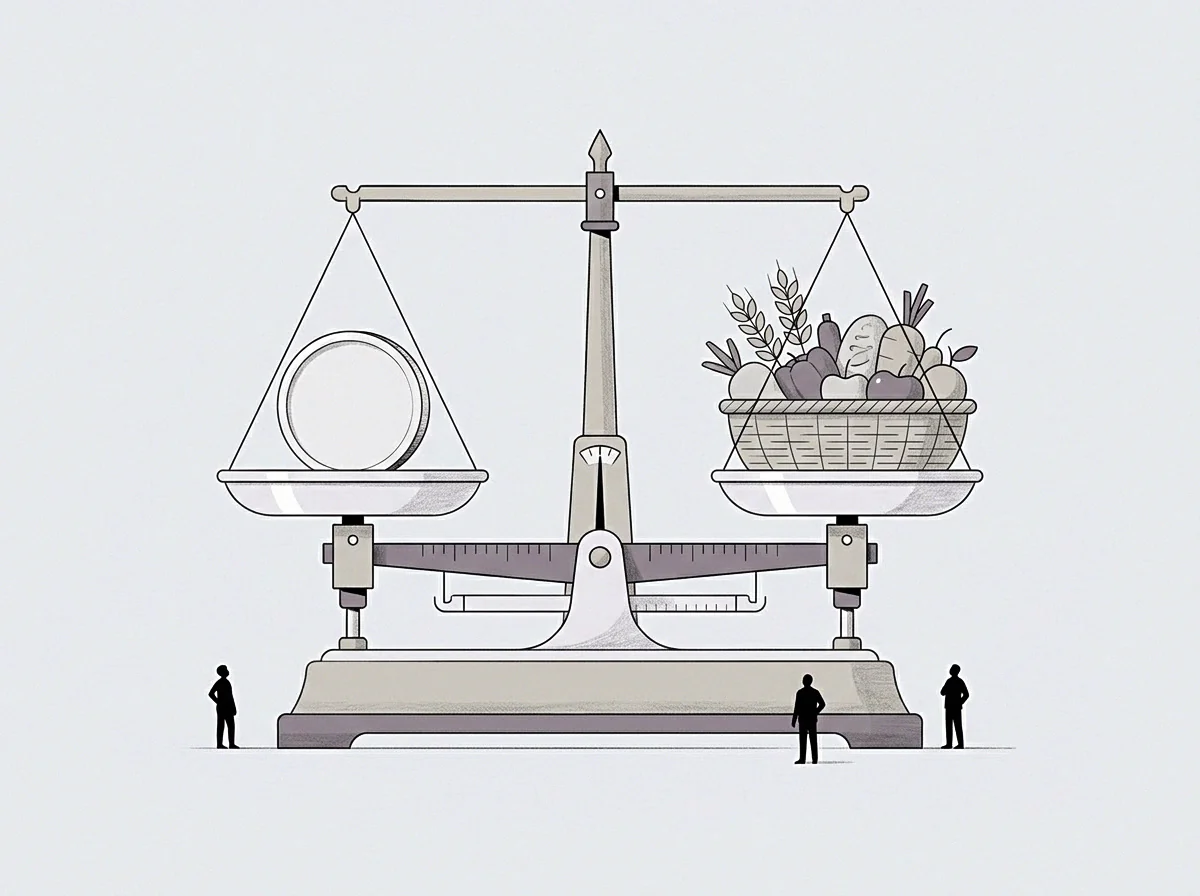
Take two founders who built a technical enterprise for three years without an explicit relational agreement. Assume the technical founder holds sixty percent of the equity and manages product architecture, while the commercial founder holds forty percent and manages go-to-market execution and investor relations. The commercial founder possesses a reverse working template and acts as the primary autonomic baseline for the entire company during severe fundraising downturns.
The arrangement functions through three distinct operational phases:
- The primary absorber absorbs external market threat and investor skepticism before team members or technical co-founders register systemic volatility.
- The secondary beneficiary experiences immediate autonomic stabilization through physical proximity to the primary absorber, maintaining high output on core technical features.
- The structural feedback loop reinforces the unspoken transfer by mistaking the commercial founder’s outward stillness for excess operational capacity.
When market conditions worsen and runway shrinks to four months, the commercial founder increases internal containment efforts to keep the engineering team calm. The technical founder continues building features at normal pace, reporting low personal stress and praising the company’s steady culture. Meanwhile, the commercial founder’s physiological metrics decline sharply, showing severe sleep fragmentation, elevated blood pressure, and cognitive exhaustion.
Capacity is finite. The secondary system stabilizes.
Because no explicit parameters govern this transfer, the technical co-founder feels no urgency to share the commercial burden. They interpret the commercial founder’s quiet handling of investors as proof that the situation remains under control. The arrangement continues until the commercial founder experiences a complete health crisis, forcing an immediate, unmanaged handover of critical responsibilities.
Failing to expose hidden regulatory demands leads to sudden structural collapse when the central absorber reaches total allostatic saturation.

Anchor
Updating an embedded regulatory model demands repeated physical experience rather than intellectual analysis. A founder who comprehends their reverse template perfectly will still reject real-time support during a crisis if their autonomic nervous system views vulnerability as a life-threatening compromise. Conceptual insight names the pattern; somatic experience rewires it.
The baseline resets slowly.
Rewiring this architecture demands constructing earned security through targeted operational experiments. The executive must systematically allow trusted peers to hold real operational weight, sitting through the resulting autonomic discomfort without intervening. Experience alters the physical template.

Earned Security Through Repeated Physical Experience
Earned security develops when a person with an insecure or reverse attachment history experiences repeated, reliable co-regulation in adult relationships. In a startup executive context, this requires selecting specific, highly competent partners who can hold structural weight reliably. The leader exposes small amounts of internal uncertainty, observing that the company does not collapse and that the partner does not exploit the vulnerability.
These micro-experiences gradually update the brain’s internal prediction models. The autonomic system slowly learns that sharing load lowers metabolic expenditure without increasing environmental threat. Over time, a secondary template forms alongside the primary legacy template, establishing a functional receptor slot for adult support.

Growing Receptive Space Over Operational Cycles
Growing receptive capacity is an incremental, somatic training process. It begins with acknowledging physical strain in real time during executive syncs, explicitly asking a colleague to own an unresolved ambiguity. The leader must intentionally remain in the room while the colleague manages the issue, training their nervous system to endure shared responsibility.
As these positive experiences accumulate across operating quarters, the leader’s baseline operational mode shifts from unidirectional management to fluid, reciprocal co-regulation. The organization benefits from a more resilient executive structure, distributed risk holding, and the elimination of single-point human failure.
It remains uncertain how many cycles of intentional vulnerability an executive system can endure before the legacy template permanently cedes control to a reciprocal model.