
Cardiovascular Cost Of Uncoupling Autonomous Self Regulation Templates During Sustained Physical Intimacy
Uncoupling autonomous regulation templates during intimacy keeps sympathetic drive elevated, causing vascular resistance and cardiovascular shear stress despite physical proximity.
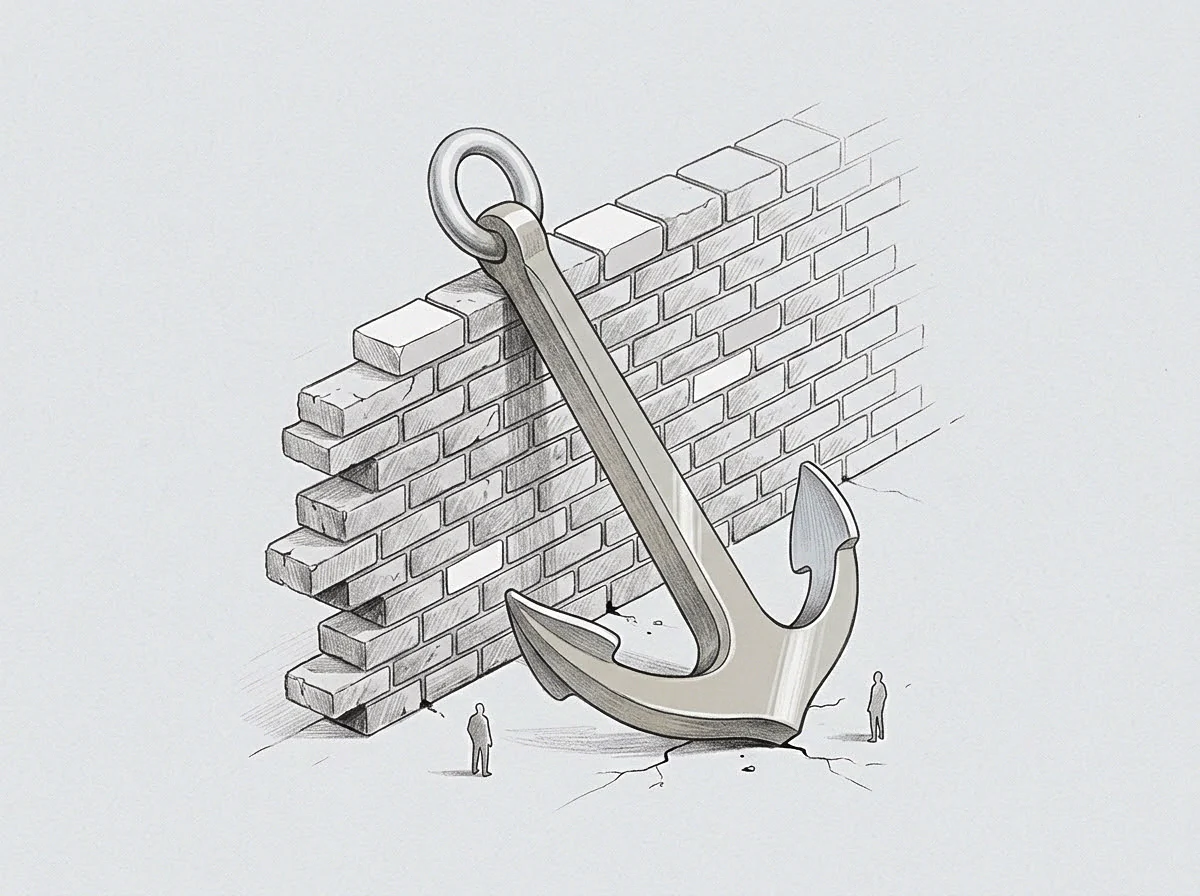
Vessel
Extended tactile contact between two bodies triggers a cascade of neurovisceral signals designed to suppress sympathetic tone. Baroreceptors in the carotid sinus respond to peripheral warmth and steady pressure, signaling the nucleus tractus solitarius to suppress cardiac sympathetic outflow. Under typical autonomic conditions, this reflex lengthens the cardiac interbeat interval, lowers systemic arterial pressure, and increases respiratory sinus arrhythmia through vagal nerve excitation.
The heart slows, cardiac output relies more on stroke volume than beat frequency, and the smooth muscle lining the arterial tree relaxes.
When an individual operates from a template of hyper-autonomous self-regulation, this physiological cascade breaks down. Central command networks in the anterior cingulate cortex and amygdala maintain continuous top-down inhibition over brainstem autonomic nuclei. Even during prolonged physical closeness, the brain treats the environment as an ongoing monitoring task.
Sympathetic tone stays high. Epinephrine and norepinephrine continue to bind beta-adrenergic receptors on cardiac myocytes and alpha-adrenergic receptors on vascular smooth muscle, preventing the expected parasympathetic dominance.
Safety is calculated, not declared.
The resulting physiological state presents a marked internal mismatch. Peripheral somatosensory inputs register proximity and low physical threat, while central cognitive-autonomic templates enforce continuous internal surveillance. The heart rate remains elevated relative to metabolic demand, pre-ejection periods stay shortened, and pressure mounts inside the arterial wall.
Sustained over forty to sixty minutes of intimate physical contact, this active uncoupling creates mechanical strain across the cardiovascular tree. High cardiac output under elevated total peripheral resistance forces the left ventricle to eject blood against an unyielding vascular bed. Vascular endothelium experiences continuous fluid shear stress without the intermittent periods of low-pressure recovery that normally accompany intimate rest states.
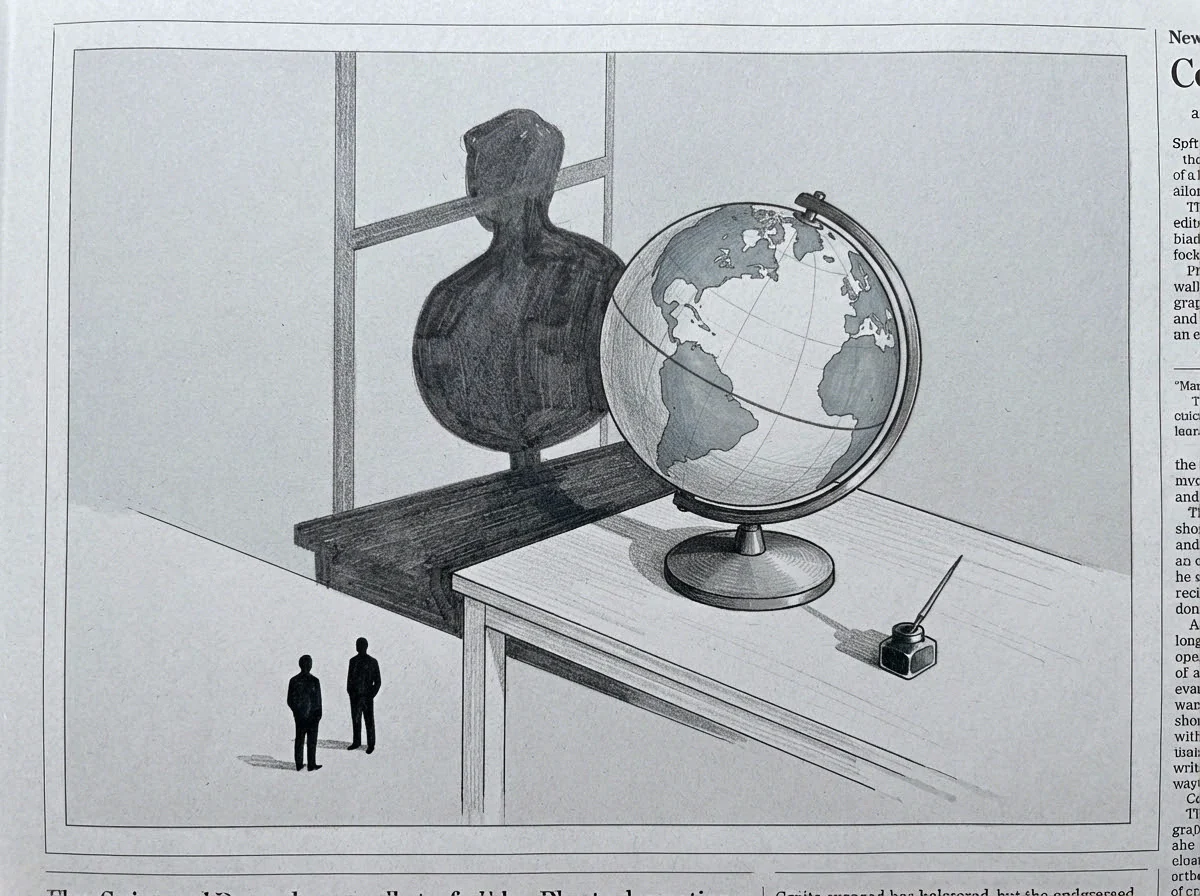
Budget
Metabolic expenditure in mammals is governed by the proximity of conspecifics. Social baseline theory establishes that the human nervous system treats the presence of a familiar, predictable partner as the baseline physiological condition. Under this baseline, the brain offloads a portion of its threat-monitoring and metabolic regulation onto the environment.
The physiological cost of maintaining homeostasis drops because environmental vigilance is shared across two nervous systems. Proximity acts as a metabolic subsidy, freeing cardiac and neural resources for long-term physiological maintenance.
Uncoupling from this baseline template transforms proximity into an active metabolic expenditure. When an individual cannot open a receptor slot for shared regulation, the partner’s physical closeness does not register as a subsidy. The brain continues to run full threat-detection and self-soothing subroutines in isolation while simultaneously managing the sensory inputs of intimate physical contact.
This dual operational load alters autonomic allocation patterns during physical contact, generating specific autonomic failure modes:
- Vagal Suppression Retention continuously blocks the myelinated vagal brake, preventing heart rate variability from rising during sustained contact.
- Arterial Compliance Deficit prevents vascular smooth muscle relaxation, maintaining elevated diastolic blood pressure despite low physical exertion.
- Somatic Glycolytic Exhaustion elevates systemic lactate levels as skeletal muscles maintain baseline isometric tone during passive contact.
- Baroreflex Desensitization blunts the arterial baroreceptors’ ability to adjust pulse pressure, creating erratic blood pressure spikes during sudden movements.
The individual providing physical proximity often senses this physiological isolation without recognizing the mechanism. The physical body is present, yet the micro-expressions of autonomic entrainment, including spontaneous respiratory synchrony, pupillary dilation matching, and peripheral temperature equalization, are absent.
Co-regulation requires accessible receptive real estate within the nervous system.
Over extended periods, this autonomic posture bills both participants. The hyper-autonomous partner bears the direct vascular load of persistent sympathetic arousal during low-demand conditions. The present partner receives no physiological feedback signaling that their presence has successfully lowered the other’s threat response.
The partner eventually notes that physical presence fails to produce physical rest.
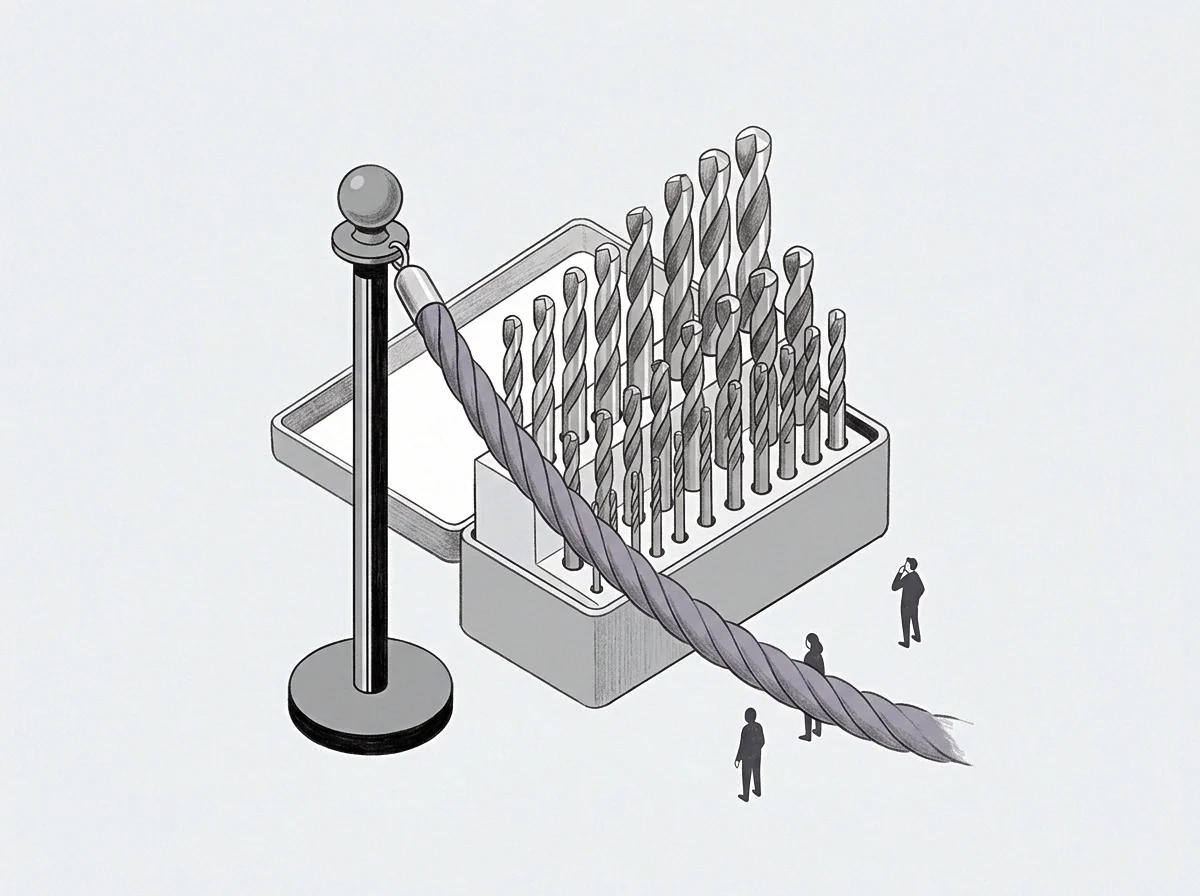
Friction
Measuring autonomic activity during extended physical intimacy clarifies the physical penalty of maintaining autonomous vigilance. In laboratory assessments tracking cardiovascular markers over a forty-minute continuous tactile intimacy protocol, profiles split sharply along autonomic template lines. Subjects who integrate partner presence show classic co-regulatory adaptation: a steep drop in low-frequency to high-frequency ratio, rising root mean square of successive differences in heart-period variability, and reduced mean arterial pressure.
Subjects who uncouple their regulation templates display elevated sympathetic markers throughout the session.
The table below summarizes the divergent physiological profiles of integrated co-regulation versus uncoupled self-regulation during a sustained forty-minute physical intimacy protocol under constant ambient temperature and low physical exertion.
| Physiological Metric | Integrated Co-Regulation Profile | Uncoupled Self-Regulation Profile | Vascular Impact |
|---|---|---|---|
| Mean Heart Rate (BPM shift from baseline) | -8 to -12 BPM | +4 to +10 BPM | Persistent cardiac chronotropic drive elevates myocardial oxygen demand. |
| Heart Rate Variability (RMSSD) | +25 ms to +40 ms | -5 ms to +8 ms | Suppression of vagal tone limits cardiac parasympathetic recovery. |
| Total Peripheral Resistance (TPR) | Decreased (Vasodilation) | Elevated (Vasoconstriction) | Continuous vascular smooth muscle strain increases cardiac afterload. |
| Pre-Ejection Period (PEP) | Lengthened (>120 ms) | Shortened ( | Persistent beta-adrenergic stimulation overworks left ventricular myocardium. |
Consider a typical operator who spent years maintaining emotional stability for teams or organizations under extreme operational load. Take two people who built an arrangement over three years without explicitly defining autonomic expectations. Assume one person holds full operational responsibility for external outcomes while trying to engage in physical intimacy at home.
When lying with a partner, their autonomic nervous system evaluates sensory touch through the internal working model of sole accountability.
Physical touch triggers cutaneous receptors, but central command interprets the partner’s sensory inputs as additional data streams to monitor rather than signals to downregulate. Vascular resistance stays elevated, and the myocardium continues pumping against high arterial stiffness, maintaining pre-ejection periods typical of active problem-solving that prevent autonomic entrainment.
Vascular stiffness reflects central resistance to environmental co-regulation.
This dynamic creates a measurable strain over time. While the person believes they are engaging in restorative physical intimacy, their cardiovascular system experiences the session as an extended period of isometric work, quietly building physiological strain.
When the internal working model categorizes all regulation as a solo operation, physical proximity increases autonomic expenditure by thirty to forty percent over true resting baselines.
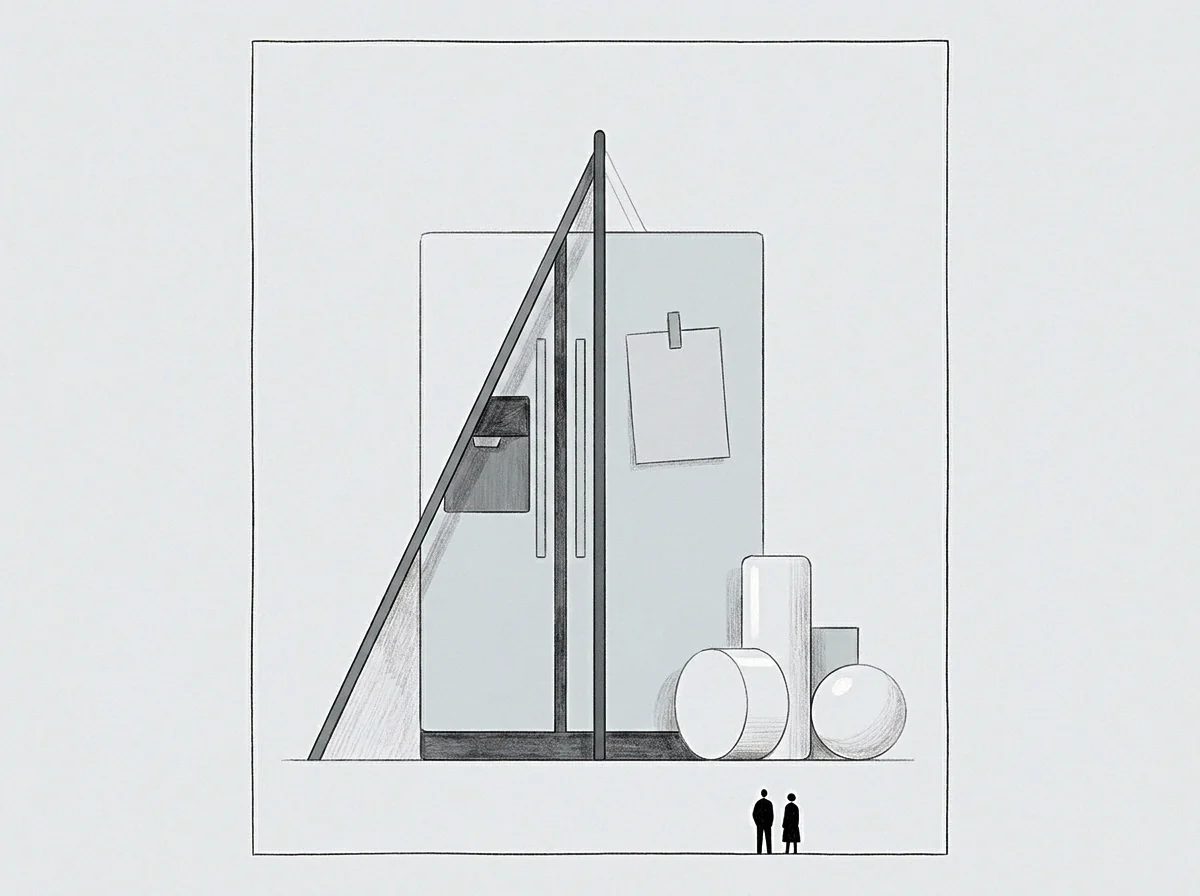
Node
The structural barrier to co-regulation among high-load operators lies in the architecture of their internal working models. Early relational conditioning or long periods in high-stakes roles forge a single, consolidated template: self-regulation and stabilizing others run on the exact same circuit. For these individuals, regulating a state and controlling a state are indistinguishable operations.
They maintain emotional equilibrium by continually managing their internal metrics and adjusting to external demands, leaving no unallocated cognitive or autonomic capacity.
To receive autonomic regulation from another person, the nervous system must temporarily yield top-down control over its autonomic output. It must permit the partner’s breathing rate, skin temperature, and vagal tone to drive its own brainstem reflexes. For an operator whose security relies on absolute self-command, yielding central control registers as an intolerable systemic risk.
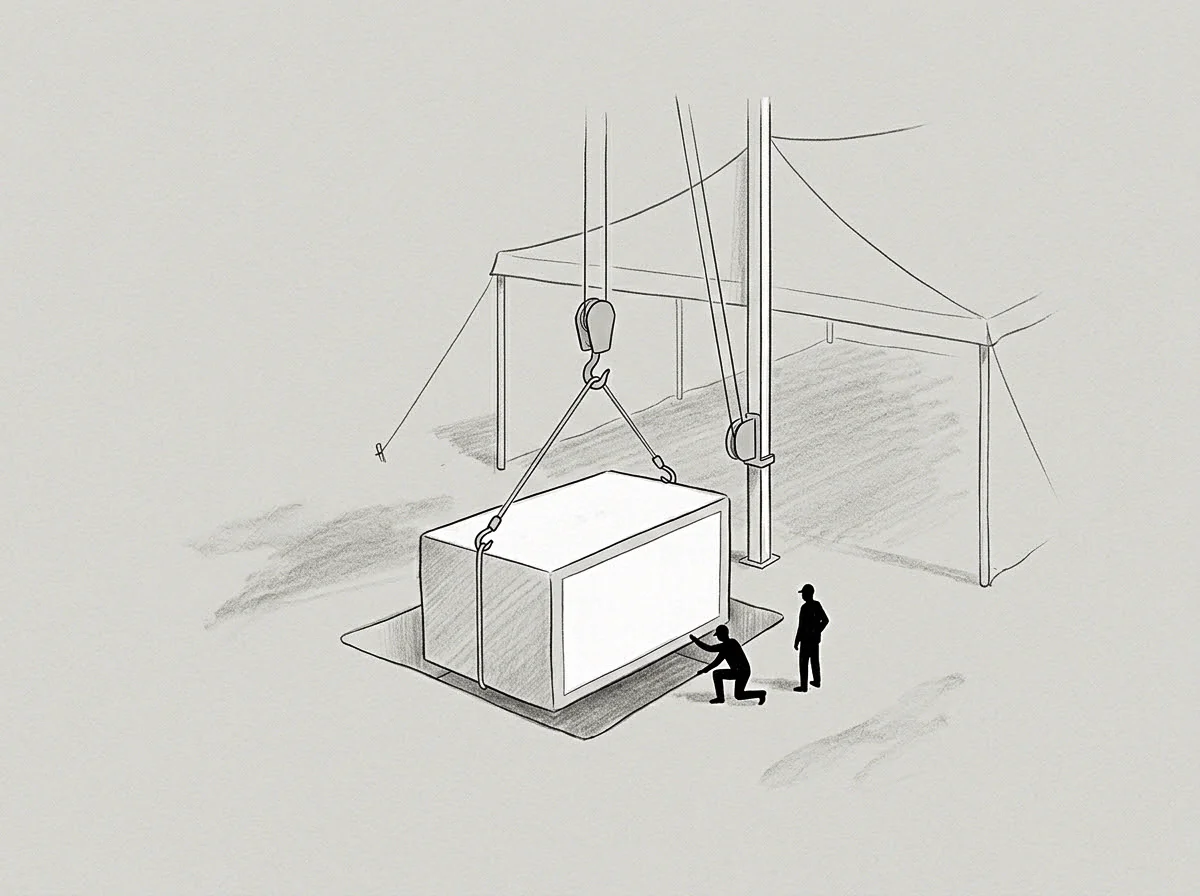
Does Autonomic Synchrony Require Deactivating Autonomous Vigilance?
Transitioning out of hyper-autonomous regulation requires systematic reconfiguration of the autonomic template. The process follows a structured sequence of autonomic adaptation:
- Recognition of continuous sympathetic tone during low-threat physical contact.
- Voluntary inhibition of active self-monitoring subroutines during passive tactile contact.
- Tolerating the brief autonomic surge caused by lowering top-down central command.
- Allowing peripheral cutaneous inputs to directly engage brainstem vagal nuclei.
- Stabilizing cardiac indices through passive entrainment to the partner’s respiratory rate.
A primary difficulty in this reconfiguration is that cognitive insight does not update autonomic templates. An individual can fully understand social baseline theory, recognize their own vascular strain, and intellectually desire physical co-regulation without altering their cardiac output during touch. The autonomic nervous system operates on sensory, somatic, and reflexive inputs, ignoring intellectual mandates.
What remains unresolved is how many cycles of sustained, conscious autonomic exposure are required to permanently rewrite a hyper-autonomous template in a person whose operational life continuously rewards absolute self-reliance.
Rest
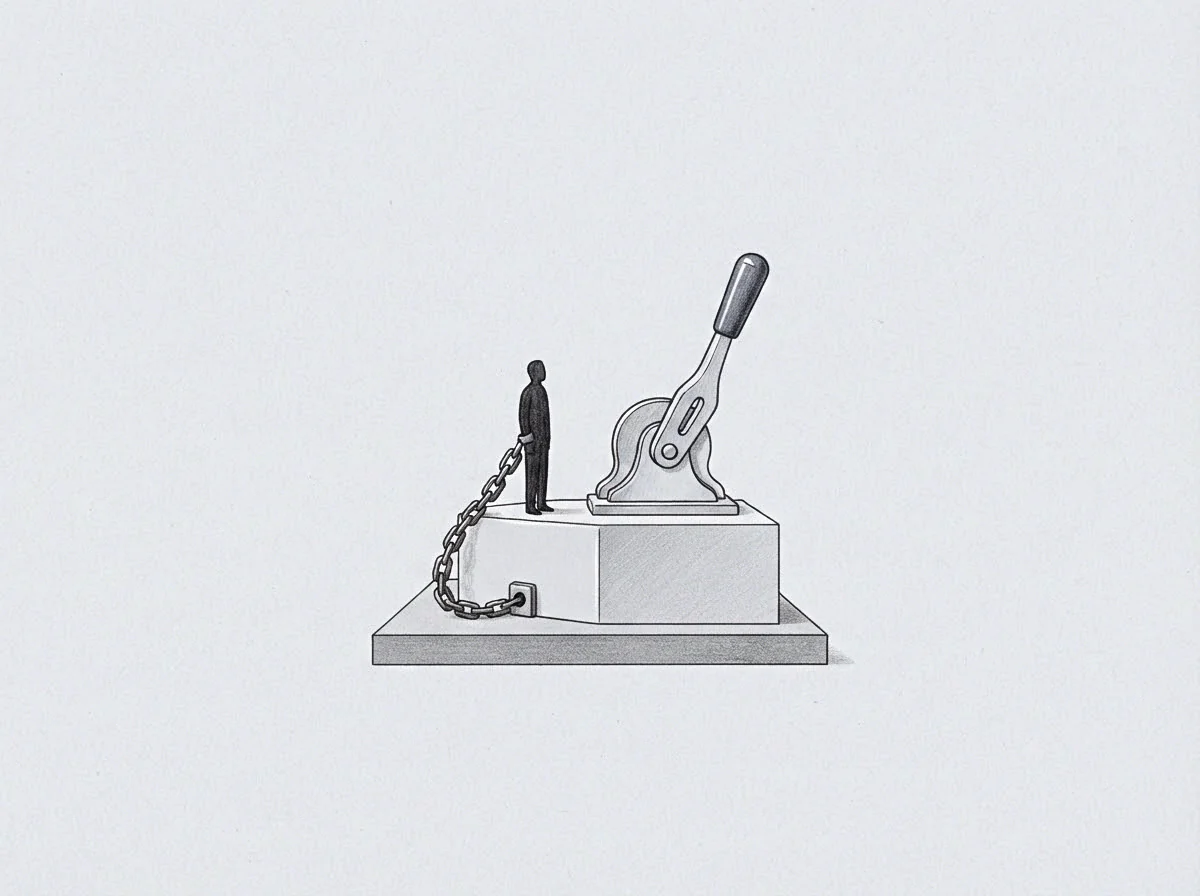
Updating a hyper-autonomous regulation template requires repeated, structured experiences of sensory co-presence without task execution. Earned security is not an intellectual achievement; it is a somatic recalibration achieved through repeated physical proof that yielding central autonomic control does not result in systemic collapse. The nervous system must experience hundreds of hours where peripheral touch occurs without concurrent cognitive monitoring or emotional stabilizing demands.
This update proceeds through small, measurable shifts in cardiovascular recovery dynamics during non-sexual, sustained physical contact. Initially, the operator limits tactile contact to short durations, actively focusing on releasing isometric muscle tension in the jaw, shoulders, and pelvic floor. Over months, baroreflex sensitivity increases during these sessions, signaling that central command is loosening its grip on brainstem nuclei.
Nighttime cardiac recovery metrics, such as post-intimacy sleeping heart rate and low-frequency heart rate variability power, begin to normalize.
Autonomic templates update through repeated sensory safety rather than intellectual comprehension.
Distance offers no systemic relief. Avoiding physical intimacy simply masks the underlying autonomic inflexibility, leaving the hyper-autonomous template intact and ready to overload the cardiovascular system whenever closeness recurs. True physiological resilience appears when the operator can alternate fluently between active self-regulation under operational threat and passive co-regulation during physical intimacy.
As the second template takes hold, the cardiovascular cost of sustained touch drops to baseline levels. The heart rate decreases naturally upon touch, systemic vascular resistance drops, and the myocardium receives the restorative parasympathetic dominance that physical intimacy was biologically designed to provide. Presence shifts from an expensive operational deployment to a low-cost metabolic resting state.
Strength under load is proven by capacity to bear weight, but template flexibility is proven by capacity to drop it.