
How Downregulated Receptor Cascades Sabotage Executive Co-Regulation During Shared Operational Reentry
Downregulated receptor cascades blind exhausted executives to interpersonal safety cues, converting proximity from a regulation economy into a threat.
Contact
Two operators sit at a rectangular table on a Tuesday morning after four months of managing crises apart. One ran regulatory audits across time zones on broken sleep and high cortisol; the other handled cash depletion and staff attrition back at headquarters. They planned this meeting to get back into a shared cadence.
The room is quiet and the agenda lists three routine asset allocations, but seven minutes in, both show signs of autonomic mobilization. Breathing turns shallow, voices tighten over basic clarifications, and a simple offer to share responsibility lands like a formal challenge.
Social baseline theory shows that the human nervous system conserves energy by treating predictable partners as a shared metabolic resource. In normal conditions, working through a crisis alongside a trusted peer cuts prefrontal load roughly in half, since the brain expects to split the burden. After months of chronic threat exposure, that energetic trade-off collapses.
The brain no longer registers a peer’s physical presence as a cost saving, treating proximity as another variable that requires constant monitoring. The physiological baseline moves from shared load-bearing straight into isolated vigilance.
Under prolonged threat exposure, the autonomic nervous system computes proximity as an additional monitoring tax rather than an energetic subsidy.
The breakdown happens without malice or political maneuvering. One person tries to initiate co-regulation through relaxed posture, a lowered voice, and an open disclosure of partial numbers. The other reads those signals as unpredictable noise in a volatile room.
The receptor architecture that processes social safety has shifted its baseline sensitivity, leaving the nervous system unable to draw on the credit offered across the table.
The silence following an offer of operational support reads like a flat accusation that the partner is keeping back critical data.
Cascade
Sustained operational pressure forces structural adaptations across central neurotransmitter pathways. During short-term stress, quick releases of catecholamines and glucocorticoids support intense problem solving, focused attention, and sensory filtering. When a crisis lasts for quarters instead of days, constant agonist exposure drives the internalization and transcriptional suppression of key neuroreceptors in the prefrontal cortex, anterior cingulate, and amygdala.
The cell surface strips back active docking sites to shield neurons from excitotoxicity and metabolic burn-out.
Cellular Gating and Prefrontal Suppression
That protective down-scaling hits social receptivity and executive control hardest. The oxytocin receptor system desensitizes after weeks of elevated cortisol. Under normal conditions, oxytocin binding dampens amygdala reactivity and refines facial signal reading.
Desensitization flattens that response. A neutral expression across the desk stops registering as neutral and slides into circuits primed for competition. The ability to read micro-expressions accurately falls off, replaced by a bias that reads hesitation as deceit.
At the same time, the GABAergic cascade undergoes systemic downregulation. Gamma-aminobutyric acid acts as the main brake on autonomic acceleration once a task wraps up. Chronic stress changes the subunit structure of GABA-A receptors, weakening their binding affinity and slowing inhibitory signals.
The prefrontal cortex loses control over subcortical defense circuits, leaving the operator stuck in high sympatho-adrenal arousal long after spreadsheets confirm the cash emergency is over.
Downregulated inhibitory cascades prevent the central nervous system from converting external social stability into internal metabolic rest.
A third shift hits the glucocorticoid receptor cascade. Extended cortisol elevation creates functional receptor resistance across hippocampal and prefrontal dendrites. The brain stops responding to its own shutdown signals, breaking the negative feedback loop in the HPA axis.
The biological thermostat stops working. An operator sits next to a supportive partner while their physiology responds to a crisis that ended two months ago.
- Targeted receptor internalisation removes active binding nodes from post-synaptic densities within seventy-two hours of sustained catecholamine saturation.
- Subunit configuration changes within GABAergic channels reduce the duration of inhibitory currents across the prefrontal cortex.
- Systemic glucocorticoid resistance permanently impairs the prefrontal cortex’s capacity to terminate stress responses after operational recovery.
The deficit deepens if the operator brings in an internal working model shaped by years of solitary problem solving. In this model, stability comes strictly through personal self-reliance, while the environment is treated as constant demand. Without a functional neural template for processing external support, the nervous system treats an offer of help as an unstated obligation that demands immediate repayment.
A rule requiring forty-eight hours of asynchronous review before meeting in person prevents premature autonomic mobilization during early reentry phases.
Dock
Re-engaging on shared work forces two nervous systems with different receptor profiles to sync up under load. Consider two co-founders reuniting after six months of running separate teams through a capital restructure. The operational goals are clear: consolidate reporting lines, finalize equity terms for senior hires, and cut redundant software spend.
The friction lies in the delay between business recovery and neural receptor resensitization.
The Asymmetry of Recovery Velocities
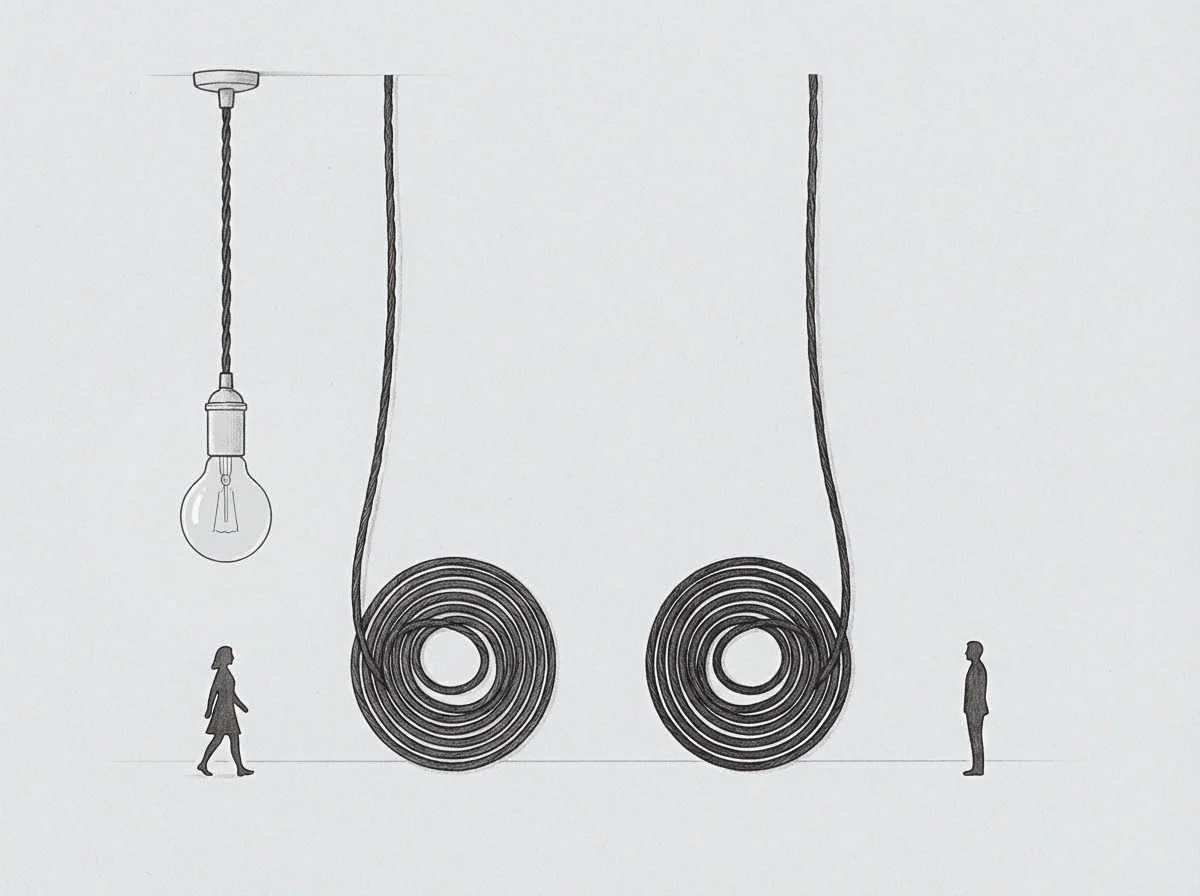
Receptor recovery operates on biological schedules that ignore quarterly milestones. A person can register that conditions have improved in seconds, but the physical resensitization and transcription of receptors takes weeks of steady physiological safety. When an operator returning from months of high volatility joins a shared governance cadence, their nervous system stays in siege mode long after the actual danger has passed.
| Variable | Preserved Receptor Sensitivity | Downregulated Receptor Cascade |
|---|---|---|
| Social Signal Decoding | Accurate interpretation of neutral vocal tone and posture | Defensive misattribution of fatigue as passive aggression |
| Prefrontal Metabolic Cost | Shared across the executive pair through proximity | Paid entirely in solitary prefrontal glucose consumption |
| Input Processing Speed | Rapid assimilation of ambiguous feedback without distress | Immediate sympathetic arousal triggered by minor operational variances |
| Interpersonal Pacing | Maintains conversational pauses for mutual cognitive processing | Rapid speech rate designed to preempt imagined operational confrontation |
The energetic load during these working sessions splits unevenly. The partner with preserved receptor sensitivity offers borrowed regulation through steady pacing, calm tone, and open posture. But the depleted partner cannot process those cues through internalised or desensitized receptors.
The calming signals miss their mark, and the depleted operator spends heavy cognitive energy forcing a composure their biology cannot back up.
One leaves the meeting drained from extending effort into an unresponsive space. The other leaves just as exhausted from the stress of enduring physical proximity that felt like ambient threat. The shared desk, meant to combine operational capacity, turns into a drain on both operators.
Stability offered to a desensitized system registers as unpredictable pressure.
Strain
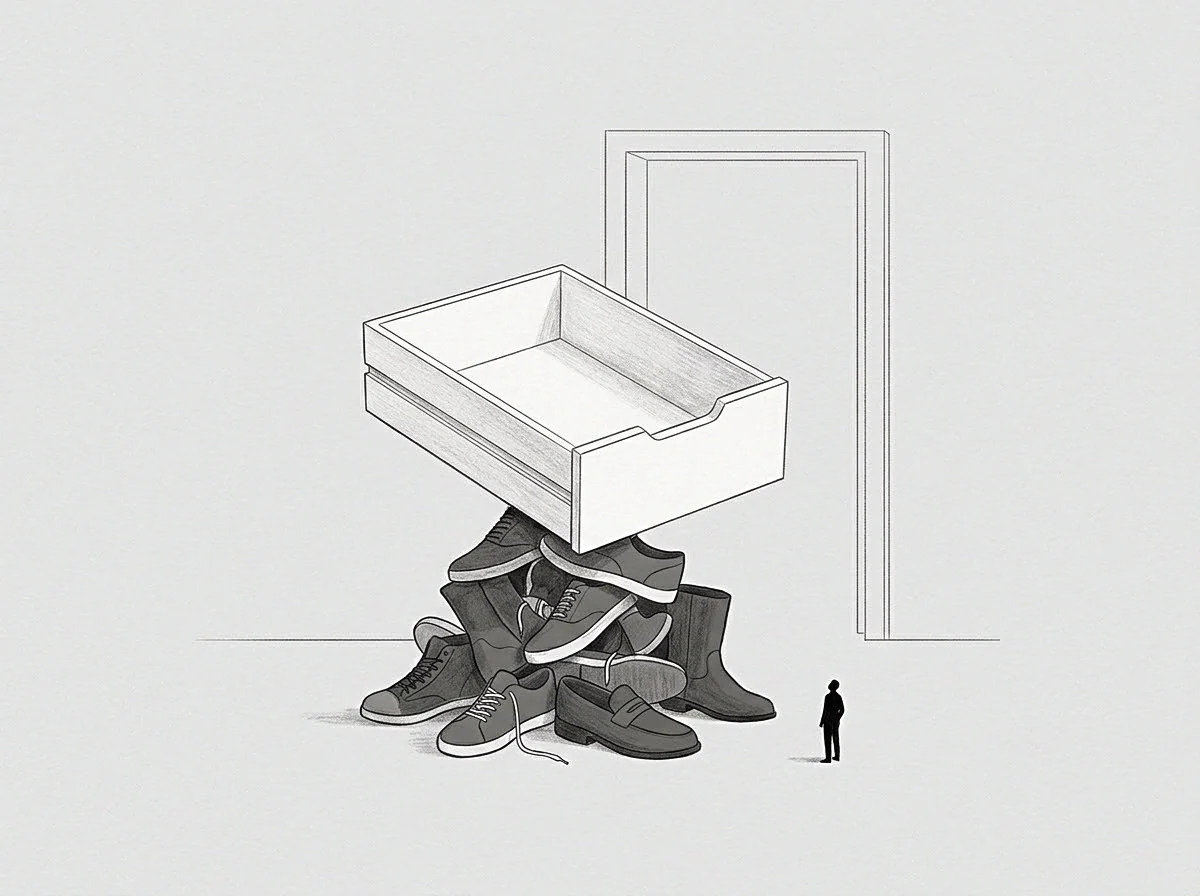
Receptor desensitization shows up directly in operational judgment. Lacking GABAergic inhibition and flooded with catecholamines, the prefrontal cortex falls back on basic threat-avoidance shortcuts. Long-term capital planning collapses into reactive risk cutting, and patient strategic initiatives get dropped because the operator cannot sit with the tension of open feedback loops.

Erosion of Collaborative Capital
Repeated breakdowns in co-regulation strain the partnership. When an operator cannot settle near a co-leader, that co-leader usually interprets the reaction as interpersonal rather than neurochemical. They read emotional withdrawal or defensiveness as political maneuvering, dissatisfaction over equity, or personal friction.
In response, they pull back their own collaborative effort, turning a neurochemical lag into a real organizational split.
This dynamic accelerates the formation of operational silos. An executive who finds physical proximity exhausting will shift communication habits, cancelling regular check-ins, requiring formal memos for casual decisions, and pushing discussions into text threads. These procedural shifts are practical attempts to limit sensory input the underlying biochemistry cannot manage.
A biological inability to metabolize shared presence inexorably builds operational structures designed to institutionalize isolation.
The impact extends to middle management. When co-leaders fail to find equilibrium, tension filters down through the organization. Department heads leave joint reviews with conflicting priorities because the leaders cannot sit together long enough to align their assumptions.
Teams adapt by slowing decision cycles, covering up minor errors, and kicking tactical disagreements up to formal committees.
The long-term risk is locking mistrust into formal operating agreements, binding partners to rigid structures long after their physiology has recovered.

Stance
Handling receptor-mediated regulatory collapse requires structural changes rather than interpersonal processing. Trying to talk through tension during acute down-regulation adds social processing load to an already overworked prefrontal cortex. The core shift is separating task execution from face-to-face exposure until receptor density normalizes.
Mechanical Decoupling and Protocol Architecture
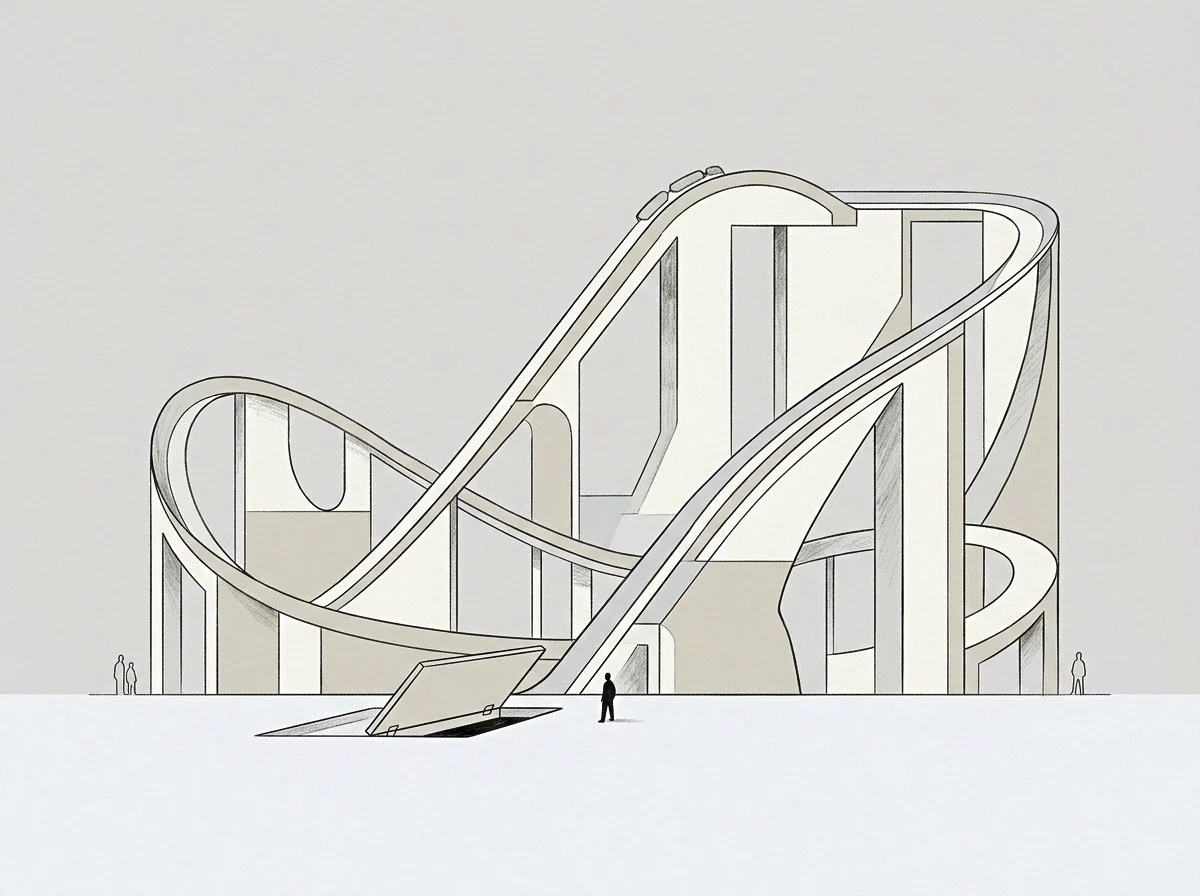
The executive team introduces asynchronous decision boundaries as a clear protocol. Capital allocations, personnel issues, and product pivots move to written briefs with a mandatory twenty-four-hour delay before response. This gap cuts the demand for real-time social decoding, letting an operator review data alone without triggering defense circuits through real-time interaction.
When meeting in person is necessary, changing the physical setup helps. Side-by-side working replaces direct face-to-face discussion. Operators review printed reports next to each other or talk through dependencies while walking a set route.
Working side by side removes continuous facial scanning, reducing metabolic demand on oxytocin and GABA channels while keeping work moving forward.
Building earned security between operators relies on small, repeated experiences rather than sudden insights or heavy conversations. It takes thousands of low-friction interactions where proximity does not end in operational friction or exhaustion. The underlying biological machinery needs months of steady, low-threat contact before cells synthesize new receptors and restore regulatory capacity.
Until biological transcription restores those receptor sites, can an executive team tell the difference between a partner whose nervous system is temporarily deaf to safety and one who has genuinely broken faith with the enterprise?