
Structural Dynamics Of Shared Allostatic Throttling In High Load Founder Partnerships
Shared allostatic throttling occurs when concurrent executive overload forces involuntary cognitive withdrawal, requiring explicit structural limits.

Floor
Four browser windows stood open beside twenty unread direct messages at two in the morning, while the second executive telephone call of the night went straight to voicemail. The human nervous system operates under strict biological energy budgets, and partnerships under severe enterprise strain routinely exhaust that budget without recognizing the deficit. When continuous operational emergencies force both operators into sustained sympathetic nervous system activation, the capacity to co-regulate collapses.
Social baseline theory demonstrates that proximity to an aligned, capable counterpart reduces the neural and metabolic expenditure demanded by threat perception and problem solving. When both people in the room cross their physiological setpoints simultaneously, that conservation mechanism reverses. One partner leans on the other for cognitive stabilization, finds an exhausted physiology, and extracts energy that no longer exists in the common reserve.
Autonomic overload alters threat detection thresholds. The brain under sustained stress reallocates metabolic resources away from prefrontal calculation toward rapid amygdala-mediated defensive outputs. In an early enterprise partnership, this shift manifests as hyper-vigilance regarding every operational variance, from client emails to investor notes.
When one executive attempts to offload anxiety through rapid-fire operational queries, the second executive processes those queries as direct external threats rather than collaboration. High demand accelerates autonomic wear. The shared regulatory reserve disappears, leaving each participant isolated within their own physiological emergency.
Autonomic Depletion and Co-Regulation Baseline
The metabolic cost of running executive functions increases when relational predictability erodes. Research in social neuroscience establishes that human beings loan neural resources to trusted peers, effectively outsourcing emotional and cognitive load to shared relational structures. This borrowed stabilization holds under specific conditions: the regulatory peer must remain biologically stable and operational demands must permit periodic physiological recovery.
What would move this finding is empirical data demonstrating that chronic enterprise stress produces cognitive stabilization through relational contact even when both participants show flat diurnal cortisol slopes and elevated blood pressure. In enterprise partnerships experiencing prolonged cash-runway compression, neither individual possesses metabolic headroom. The expectation of shared relief converts into a compounding drain, as each communication transfers unbuffered stress back into the relationship.
A shared regulatory reserve collapses whenever incoming operational shock exceeds the physiological recovery interval of both participants.
Prolonged physiological overactivation produces allostatic load, the cumulative systemic strain on physiological systems caused by repeated or chronic stress. When two executives work seventy hours weekly under acute financial exposure, their baseline biological markers shift. Baseline heart rate variability decreases, sleep architecture deteriorates, and inflammatory markers rise.
The executive team begins operating in a state of chronic sympathetic engagement. They misread neutral pauses in text channels as passive hostility. They interpret delayed operational decisions as deliberate evasion.
The relational buffer that previously made intense collaboration sustainable dissolves into biological defense.

Load Transfer Across Unstated Thresholds
Stress transmission follows structural pathways within an organization. When an executive encounters an operational impasse, the immediate impulse involves pushing that operational pressure toward their co-builder. The push meets an unyielding inbox.
Without explicit operational terms, this pressure moves unchecked across direct messages, late-night phone calls, and uncoordinated calendar invites. The transmission does not resolve the underlying operational bottleneck; it merely spreads systemic agitation through the operational leadership. Every system pushes against unchecked capacity.
The recipient absorbs the pressure, depletes their remaining working memory, and returns an agitated response, creating an escalating feedback loop of biological distress.
The failure to recognize this dynamic results in the permanent erosion of operational trust, turning a partnership into an exhausting relational obstacle that accelerates business insolvency.

Valve
Biological systems protect essential functions by shutting down non-critical processes during acute energy deficits. In high-stakes partnerships, this physiological survival move takes the form of unannounced withdrawal from relational and operational channels. The withdrawal represents an involuntary physiological throttling rather than a calculated tactical choice.
When metabolic capacity drops below the threshold required to process interpersonal complexity, the executive brain drops non-essential communication tasks. Incoming inquiries encounter blank silence. The second operator interprets this silence as an active refusal to collaborate, escalating direct outreach and intensifying the operational panic that triggered the shutdown.
An executive facing extreme cognitive load operates under a constrained transfer function. The transfer function dictates what output a given input produces based entirely on the internal state of the organism. When the internal state possesses zero biological headroom, a simple operational inquiry produces total communicative paralysis or an aggressive defensive reaction.
Mood serves as a lagging output indicator carrying very little actionable data, whereas physiological state governs functional capacity. Some organizational acts are state-gated: no amount of willpower or intellectual dedication produces reasoned debate when the nervous system enters defensive shock. Other acts remain decision-gated, achievable through direct cognitive effort.
Confusing a state-gated freeze with a decision-gated choice ruins working alliances.

Throttling as State Gating
A partnership under sustained strain exhibits distinct operational shutdown patterns that emerge as metabolic energy declines. These functional adjustments follow predictable biological sequences:
- Cognitive constriction restricts attention solely to immediate operational threats while eliminating broad organizational planning.
- Channel abandonment occurs when an operator stops monitoring non-urgent communication channels without warning.
- Defensive curtness converts complex operational deliberations into monosyllabic directives to conserve cognitive bandwidth.
- Affective flatlining extinguishes enthusiasm, humor, and empathy during executive interactions. The signal decays rapidly under load.
- Physical absenteeism drives an operator to withdraw from shared working spaces to prevent sympathetic resonance.
The presence of these behaviors indicates that an individual has reached their physiological ceiling. Continued operational demands cannot be processed until the underlying biological deficit clears.

The Ping as Priority Signal
Direct communication channels reveal the real structural priorities of an enterprise partnership. In high-stress periods, the frequency and timing of incoming messages, referred to here as the operational ping, function as diagnostic signals. When an executive sends twenty low-stakes informational pings per hour, they are using the partner as an external nervous system to manage their own anxiety.
The recipient experiences every ping as an interruption of deep cognitive focus, driving their allostatic cost upward. Silence indicates a fixed boundary.
A communication channel that stops transmitting during operational crises reflects physiological exhaustion rather than indifference.
When an operator ceases pinging an active channel, that silence conveys concrete structural information. It signals that processing capacity has closed completely. The partner reads withdrawal as intent.
The push met an unread inbox. The silence states that external inputs have exceeded the internal threshold of the operator. If the counterpart interprets that silence as personal hostility, they double their outreach, forcing the throttled partner into complete communicative shutdown.
The partner simply needed three uninterrupted hours to prevent a total nervous breakdown.
Seat
Enterprise roles dictate the specific distribution of biological strain between partners. In a typical two-operator enterprise, one person occupies the external post handling fundraising, revenue generation, and client relations, while the other occupies the internal post managing product architecture, hiring, and operational delivery. These two seats generate completely different forms of allostatic strain.
The external seat faces acute social rejection, constant public evaluation, and relentless interpersonal performance requirements. The internal seat faces deep technical complexity, constant delivery deadlines, and continuous operational friction. When enterprise pressure accelerates, both individuals believe their specific burden represents the primary driver of corporate success, generating mutual resentment.
The distribution of operational exposure determines which executive collapses first under pressure. In industrial process control, mechanical systems route excess steam through dedicated expansion chambers to prevent pressure vessel rupture. Enterprise partnerships rarely design such mechanical bypasses.
Instead, they rely on informal, unspoken expectations where one partner silently absorbs the emotional fallout of enterprise delays while the other absorbs the financial risk. This lack of explicit role definitions ensures that operational pressure transfers continuously to whichever partner possesses the least capacity to resist it.

Operational Division and Exposure Asymmetry
Take an enterprise operating with forty weeks of cash runway, where the commercial executive must close three enterprise enterprise accounts while the technical executive builds a new data processing engine. Both operators work identical eighty-hour weeks, yet their internal physiological wear diverges sharply. The commercial executive absorbs high-frequency social rejection, producing elevated autonomic stress and chronic cortisol elevation.
The technical executive endures relentless attention fragmentation, producing cognitive fatigue and sleep disruption. The desk records the physical toll. When these two operators meet to coordinate strategy, their mismatched biological states prevent mutual understanding.
Relational degradation in asymmetric operational seats follows a measurable five-stage progression under chronic exposure:
- Divergent fatigue profiles create misunderstanding as technical exhaustion clashes with relational exhaustion.
- Unilateral stress masking occurs when one partner hides operational panic to shield the other from distraction.
- Informal load absorption forces the more communicative partner to manage all organizational anxiety without recognition.
- Covert contracts emerge when one operator expects unstated compensations for carrying excessive emotional load. The baseline shifts without an explicit vote.
- Structural resentment crystallizes when both partners conclude they are carrying the entire enterprise alone.
How Do Asymmetric Workloads Trigger Co-Regulation Failure?
Disparate operational workloads destroy shared regulation because they decouple the environmental inputs that govern each operator’s nervous system. The commercial executive experiences daily volatility from prospective clients, demanding immediate, high-tempo emotional recalibration. The technical executive requires prolonged, undisturbed periods of low-stimulation cognitive immersion to resolve architectural roadblocks.
When the commercial operator bursts into technical channels seeking immediate reassurance, they violently break the deep focus necessary for technical execution. The second partner absorbed the overflow.
Operational roles carry distinct physiological costs that cannot be balanced through informal empathy alone.
The resulting friction is not a personality conflict. It is a direct mechanical clash between two incompatible physiological states. Sleep loss degrades prefrontal control loops.
The technical partner experiences the commercial partner’s urgent outreach as an intolerable cognitive assault. The commercial partner experiences the technical partner’s slow responses as catastrophic abandonment. Shared load demands an external reference.
Each operator pushes harder against the other, seeking the stabilization their counterpart is biologically incapable of providing.
The operating agreement specifies that all commercial escalations must arrive during a single thirty-minute window at four in the afternoon, leaving the remaining hours completely protected against unscheduled interruption.

Toll
The physical consequences of sustained operational overload accumulate silently across biological systems. Chronic allostatic elevation leads to neuroendocrine exhaustion, metabolic dysfunction, and cardiovascular wear. The operational capacity drops to zero.
In high-pressure commercial environments, executives routinely interpret these physiological warning signs as personal weakness or transient fatigue. They increase caffeine consumption, reduce sleep, and lean more heavily on their working alliances for psychological survival. This coping strategy fails because the human body cannot substitute relational willpower for basic cellular recovery.
A persistent debate in occupational health concerns whether executive throttling under extreme enterprise conditions stems from true allostatic exhaustion or situational depression. Clinical literature separates clinical depression from occupational burnout by examining anhedonia across life domains versus situational exhaustion tied directly to organizational environments. In high-load partnerships, the distinction sharpens: when an executive leaves the operational environment for three days, their cognitive function and mood often rebound rapidly, pointing to contextual throttling rather than systemic affective disease.
The desk cannot fully defend whether prolonged throttling permanently alters baseline stress reactivity in all executive populations; a careful operator handles that uncertainty by treating every chronic exhaustion signal as an urgent biological imperative requiring immediate environmental restructuring.

Physiological Debt and Behavioral Withdrawal
Sustained overactivation depletes the central nervous system of essential neurochemical reserves. Prefrontal cortex volume and connectivity show measurable declines under sustained high-cortisol conditions in longitudinal neuroimaging studies. This structural change compromises executive functioning, emotional regulation, and working memory.
The executive loses the ability to distinguish minor operational anomalies from catastrophic existential threats. They withdraw from relational interactions because processing human social signals requires substantial metabolic energy that their depleted physiology cannot allocate. The term creates an outer boundary.
The partner on the receiving end of this withdrawal experiences an acute rupture of the psychological contract. In organizational dynamics, the psychological contract represents the unwritten, implicit expectations that govern relational investment and mutual support. When one executive stops engaging, the implicit contract breaks.
The active partner assumes full operational ownership while harboring deep resentment. They interpret the partner’s biological self-preservation as a breach of foundational trust.
Comparative Evaluation of Throttling Responses
Partnerships handle allostatic crises through distinct relational strategies, each carrying predictable consequences for enterprise longevity and human health.
| Strategy | Physiological Mechanism | Operational Cost | Structural Outcome |
|---|---|---|---|
| Informal Mutual Leaning | Continuous sympathetic cross-triggering between unbuffered nervous systems | High channel volatility and recurring panic escalations | Relational rupture and co-founder dissolution within eighteen months |
| Unannounced Throttling | Unilateral cognitive shutdown and defensive biological isolation | Sudden operational bottlenecks and severe communication vacuums | Asymmetric work accumulation and severe partner resentment |
| Stated Operational Limits | Explicit environmental decoupling and scheduled physiological restoration | Short-term delay on non-essential communication tasks | Preservation of strategic cognition and long-term organizational stability |
| Outsourced Stabilization | Routing emotional load through external professional advisors | Financial expenditure and minor coordination overhead | Protection of the primary operational relationship from biological contamination |
The comparative data reveals that structural arrangements determine biological outcomes. Teams that rely on informal mutual regulation experience the highest rates of relational breakdown, because informal systems inevitably push individuals past their biological setpoints. Conversely, teams that formalize their boundaries and reduce unscheduled channel traffic protect their biological capacity, maintaining operational focus through multi-year enterprise development cycles.
What remains unsettled in the empirical literature is the precise threshold where acute allostatic throttling transitions from a reversible physiological defense into permanent cognitive and relational trauma.

Anchor
Stating an explicit boundary functions as an unyielding barrier rather than an interpersonal negotiation. In high-stress working environments, a limit that relies on another person’s empathy or emotional restraint will always fail under pressure. Load-transferring systems inevitably push against every flexible element until they discover an immovable object.
The term stated in advance is the first thing the system encounters that is not the vulnerable regulator. By establishing fixed, non-negotiable operational conditions, an executive removes personal emotion from the interaction and replaces it with an explicit mechanical constraint.
Availability must never be announced as an open-ended personal promise; it is derived from stated positions and explicit operational costs. When an executive establishes that they do not review code between seven in the evening and seven in the morning, their partner does not need to guess their emotional status or negotiate for attention. Availability becomes predictable, transparent, and structurally bounded.
Error signals accumulate in the silence. The partner adapts their workflow to the stated constraint rather than relying on frantic, unpredictable direct messages.
Stated Terms as Structural Boundaries
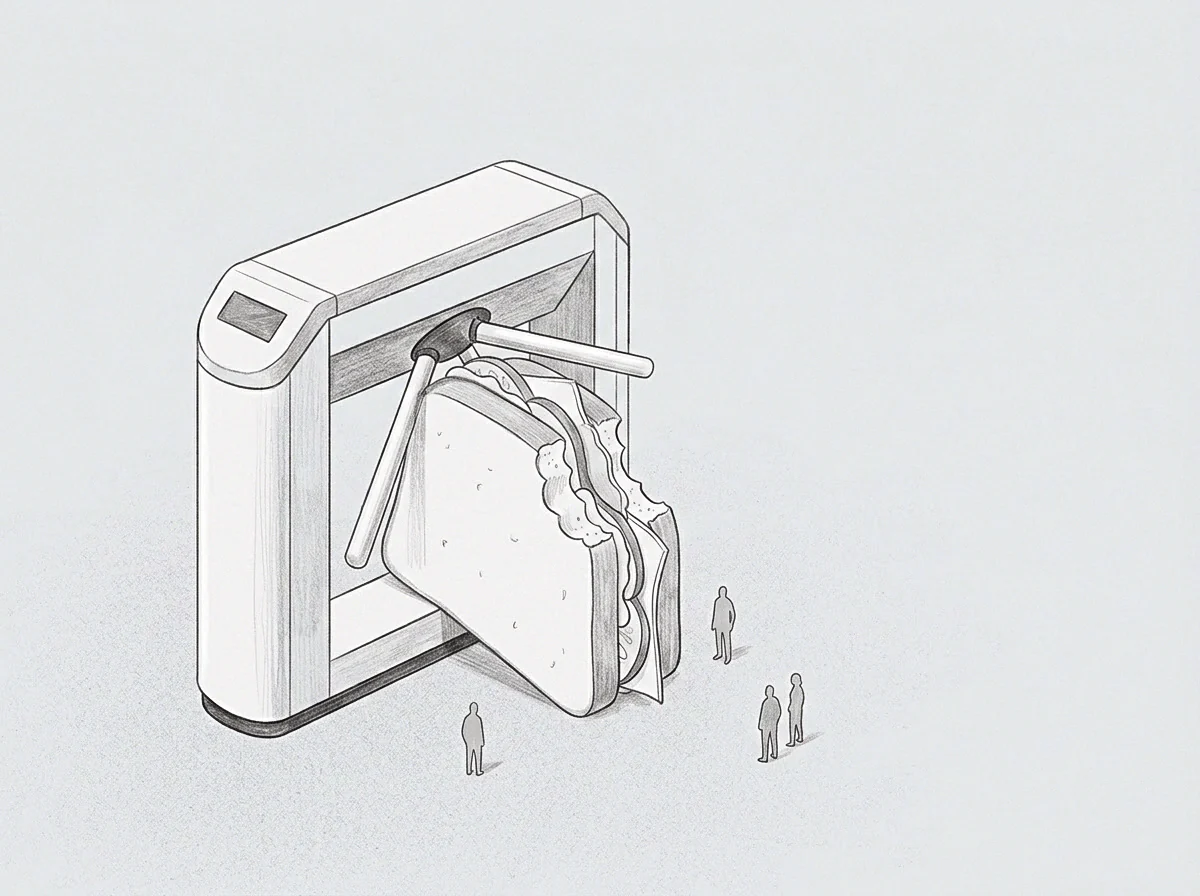
An effective operational limit possesses three distinct attributes: it is stated once in plain declarative language, it requires zero continuous emotional defense, and it enforces itself through visible structural actions. An executive does not plead for rest; they turn off notification permissions on their devices. They do not demand less stress; they establish calendar protocols that reject unscheduled meetings.
When the push comes from a panicked partner, the push meets the calendar block, not a pleading human being. The push met an unyielding calendar entry. The structural boundary absorbs the operational impact, protecting the human physiology behind it.
A stated operational term protects a partnership by replacing personal friction with an immovable mechanical boundary.
The transition from informal collaboration to structurally bound operations requires rigorous discipline. When a partner attempts to bypass a structural boundary, the operator must allow the operational bottleneck to occur rather than stepping in to rescue the situation through heroic personal sacrifice. If an executive consistently breaks their own stated rules to resolve minor emergencies, they train the partner that the boundary is entirely fictional.
The load-transferring system will resume its relentless push, draining whatever biological reserve remains.
Derived Availability in Operational Isolation
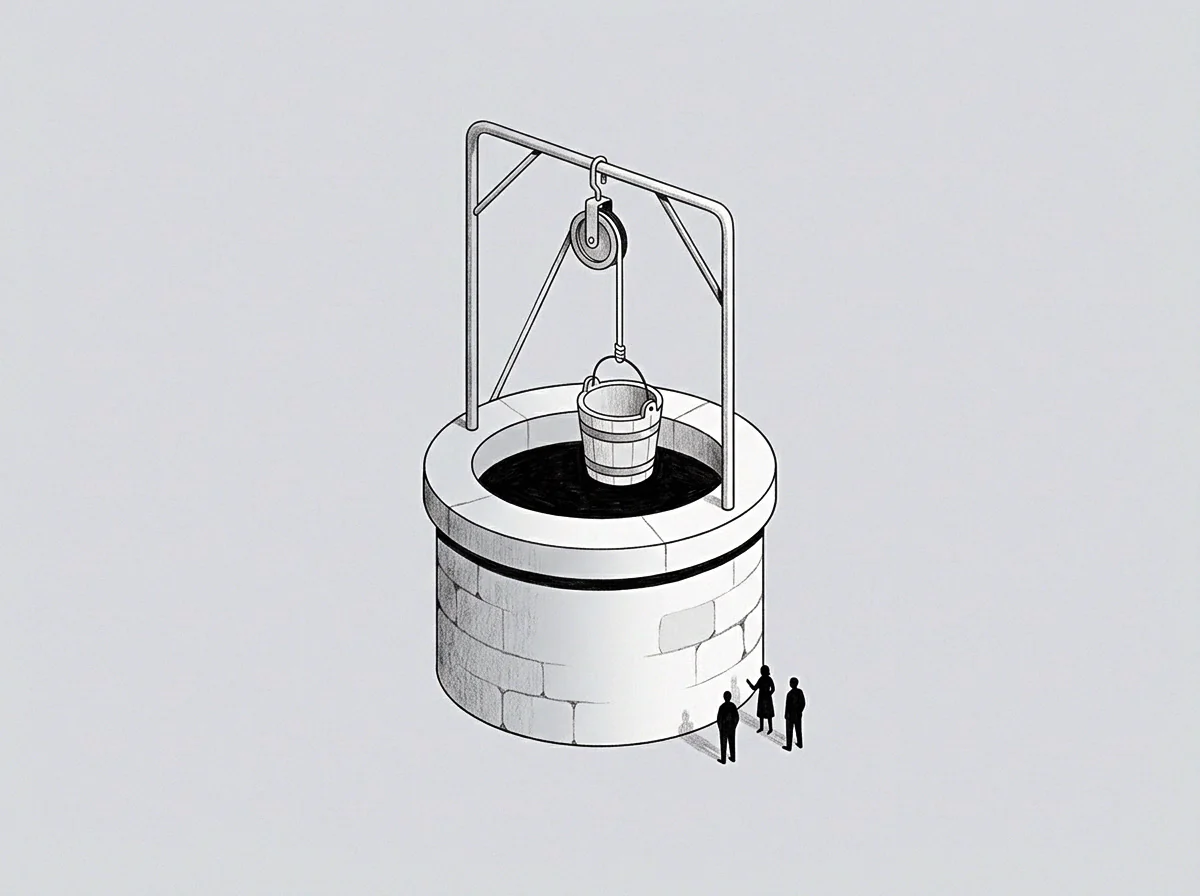
A partnership survives acute financial and operational pressure only when both participants accept the discipline of derived availability. In deep-sea commercial diving, two divers working in extreme depths do not maintain continuous verbal chatter; they rely entirely on umbilical gauges, pre-set dive tables, and explicit mechanical signals. Enterprise operators under extreme market exposure require the same operational economy.
Continuous conversational availability destroys cognitive capacity. Clear operational signals and disciplined silence preserve it.
When an operator states their position and their operational cost, the partner derives availability naturally from the structure. There is no need for emotional confrontation or lengthy relational repair. The work proceeds within predictable, mechanical channels that respect biological limitations.
By removing mutual emotional regulation from daily workflows, the executive team preserves their prefrontal cognitive resources for the genuine existential challenges facing the business.
An operational boundary stated once and held without explanation preserves an enterprise partnership far better than ten hours of exhausting interpersonal negotiation.