
Metabolic Load Distribution and Shared Threat Monitoring in Operational Partnerships
Operational partners distribute biological survival costs when mutual threat monitoring lowers autonomic vigilance and prevents unilateral executive exhaustion.
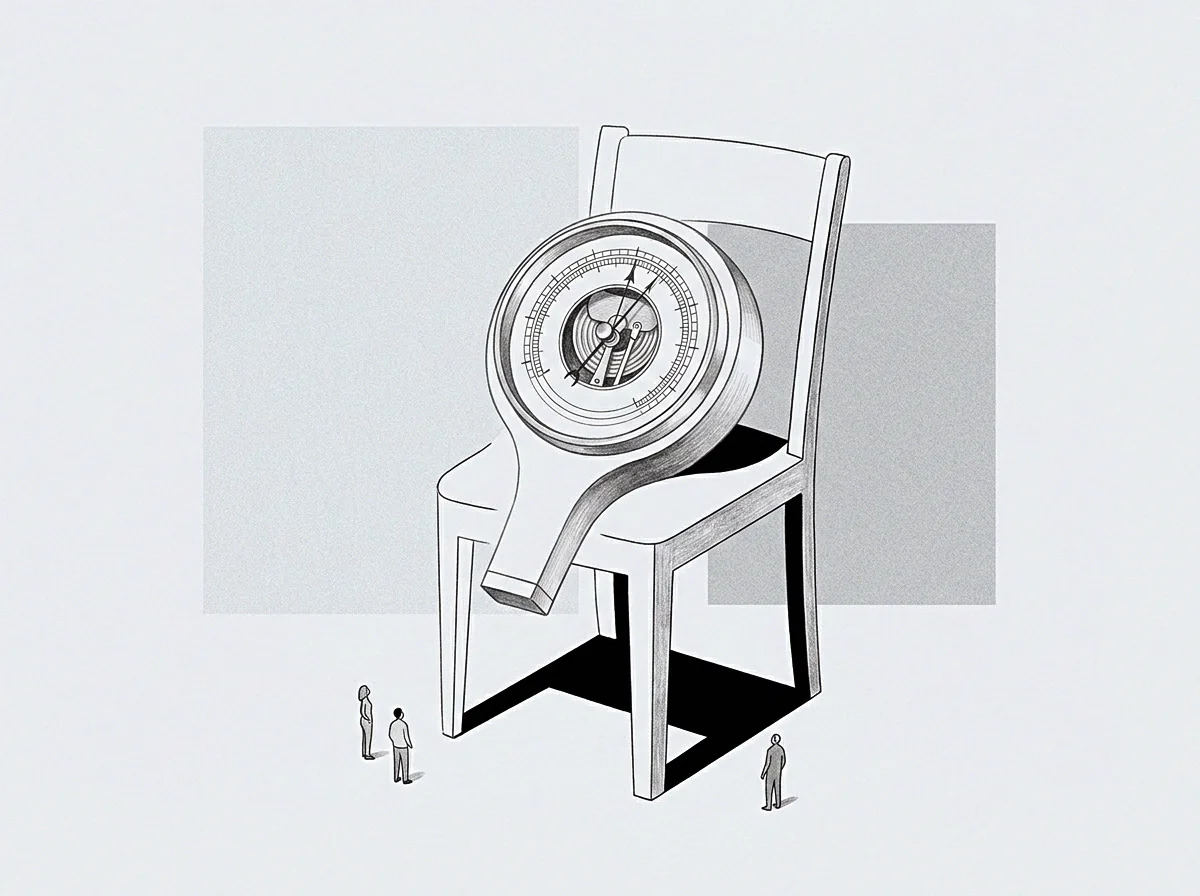
Sentry
A founder sits with four unread terminal alerts active past midnight while the executive partner sleeps soundly in another time zone. The display casts blue reflections against an unwashed coffee mug, an open spreadsheet detailing twelve weeks of payroll runway, and a draft vendor contract demanding personal indemnification. Nothing moves in the quiet room except the fan cooling the processing unit.
This disparity in nocturnal attention reveals how two people at the head of one enterprise divide the biological expenditure of survival.
In human pairings managing continuous operations, physical proximity and clear alignment alter baseline energy consumption. When two executives sit in the same room, shared awareness distributes the neural monitoring of hazard. The nervous system registers the companion as an auxiliary sensory receptor, allowing autonomic vigilance to idle.
Remove that perceptual presence, and the isolated operator immediately reverts to high-cost individual surveillance. The brain treats solitary command as an exposed perimeter, escalating glucose utilization to maintain sustained vigilance.
A silent partner sleeping through a solvency threat leaves the remaining operator to finance perimeter vigilance alone.
Autonomic threat appraisal operates on physical principles rather than strategic declarations. The prefrontal cortex allocates attentional bandwidth according to available social support, an evolutionary calculation formalised in social baseline theory. When an operational partner demonstrates erratic responsiveness, the primary operator cannot offload environmental surveillance.
The physical deficit compounds. The partner who appears calm often transfers unstated exposure down the administrative line, converting an unresolved financial inquiry into another person’s prolonged sympathetic arousal.
- Isolated Radar Mode forces one person to interpret regulatory, financial, and personnel anomalies without an external physiological dampener, doubling prefrontal energy expenditure during off-hours.
- Attenuated Reciprocal Buffering occurs when both leaders register environmental volatility yet withhold mutual acknowledgment. The unshared silence prevents autonomic stabilization.
- Asymmetric Load Transfer describes the continuous migration of operational anxiety from an ungrounded executive toward the partner who consistently displays procedural steadiness under crisis.
When one executive absorbs anomalous signals without redistributing the processing load, systemic exhaustion ensues, degrading judgment and accelerating catastrophic blind spots in organizational defense.
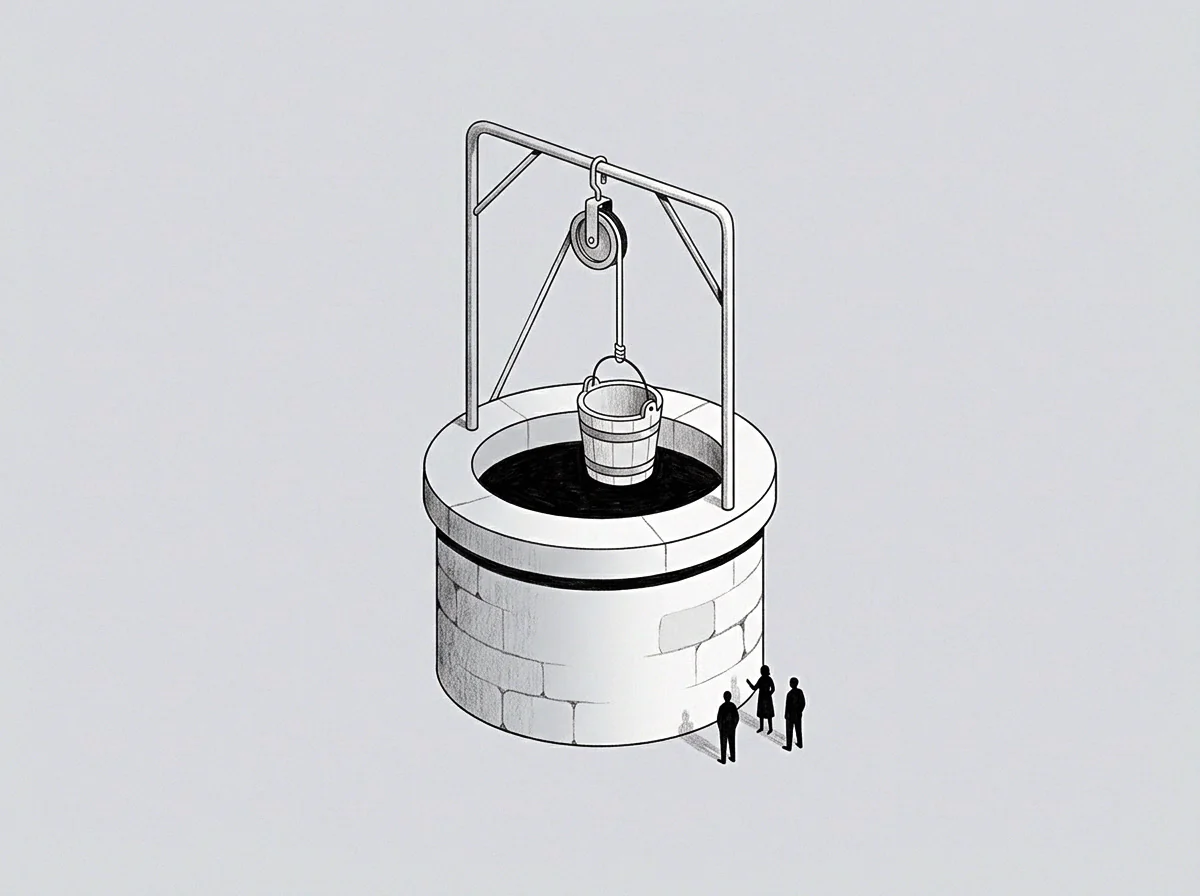
Seat

Physical Co-Presence and Metabolic Accounting
The office layout frequently dictates physiological burn rates before any operational strategy takes effect. An executive sitting in direct sight of their counterpart expends less allostatic effort to verify that external threats are monitored. Laboratory measurements of hand-holding and visual access under acute threat paradigms establish that social proximity attenuates dorsal anterior cingulate cortex activation.
The brain calculates baseline effort under the assumption that nearby conspecifics share defensive vigilance. When partners separate into remote silos, each brain budgets threat detection as a sole survivor.
Two desks face the window. When an unexpected capital call arrives, the immediate sight of a partner steadily reviewing bank covenants dampens the recipient’s hypothalamic-pituitary-adrenal axis. This effect relies on empirical findings in relational neuroscience demonstrating reduced neuroendocrine reactivity in high-cohesion teams.
If that companion is absent or visibly dissociating from operational reality, baseline vigilance spikes. The body bills later. The autonomic apparatus cannot borrow tranquility from a counterpart who evades the threat register.
Proximity to a steady counterpart reduces anterior cingulate activity only when shared exposure is mutually acknowledged.
Consider two leadership structures operating under identical twenty-week supply-chain shocks. The structural allocation of environmental monitoring determines whether partners sustain strategic coherence or succumb to chronic executive fatigue.
| Structural Variable | Asymmetric Monitoring Model | Distributed Surveillance Model |
|---|---|---|
| Primary Threat Receptor | Sole operational leader | Segmented functional sectors |
| Autonomic State Off-Hours | Sustained sympathetic activation | Intermittent parasympathetic recovery |
| Signal Redundancy | Zero validation of emerging anomalies | Cross-checked environmental telemetry |
| Vulnerability to Surprise | Concentrated at personal fatigue limits | Distributed across procedural gates |
The asymmetric model consistently penalizes the more conscientious partner. That individual becomes the structural sump for all unresolved operational tension, interpreting incoming regulatory audits, staff attrition, and cash burn while their peer disengages. The disengaged executive preserves personal energy by ignoring operational ambiguity.
The operator absorbed the delta.
They would tell anyone asking that their peer handles the operational detail because that peer has an innate appetite for intensity.
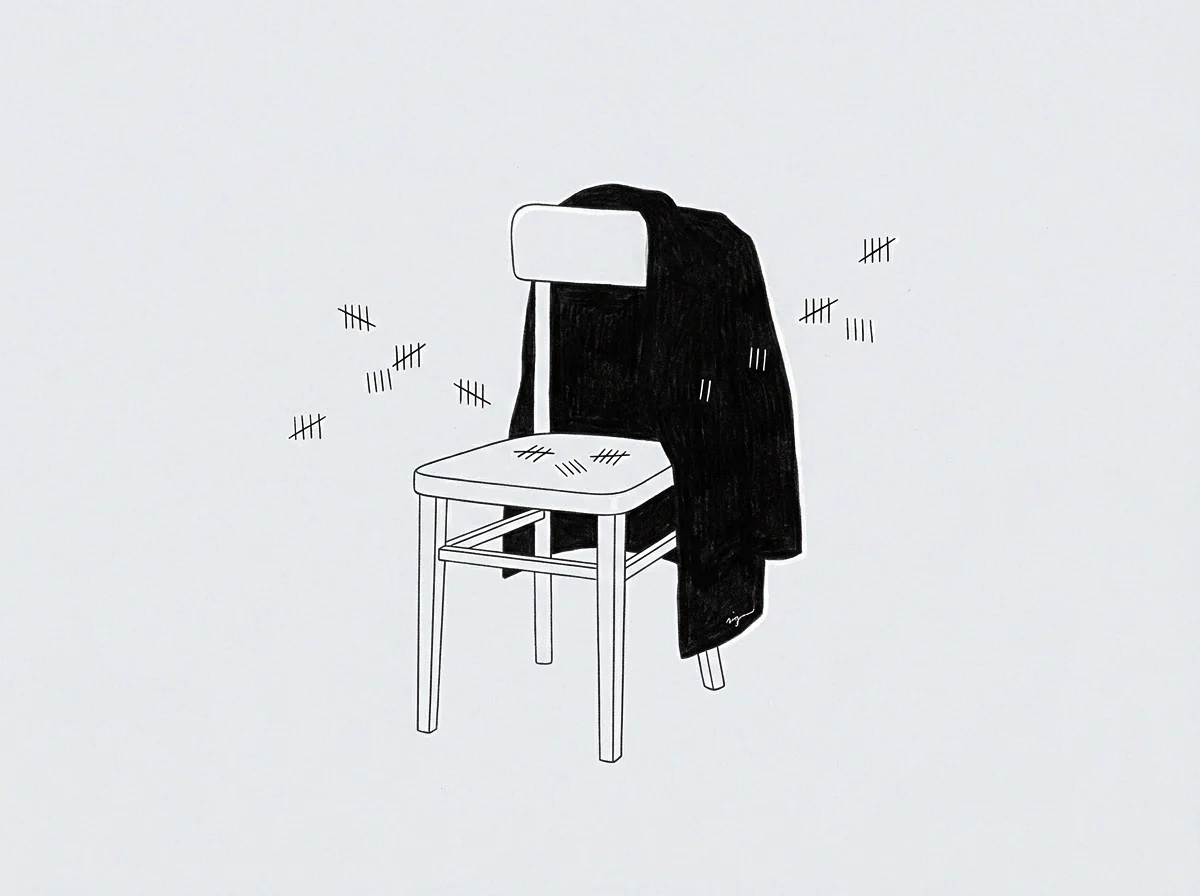
Conduit

Where Does Threat Detection Shift Between Partners?
Information channels dictate physiological consumption across distributed teams. When market hazards emerge, the protocol governing how signals travel between partners establishes who pays the biological surcharge of early detection. A partner who forwards uncurated alerts without structural context offloads raw anxiety into their peer’s attention field.
This dynamic converts communication tools into vectors for unmanaged allostatic transfer.
The baseline remains split. When a founder receives an ambiguous inquiry from an institutional investor, passing that raw inquiry without analysis forces the recipient to run full-spectrum threat appraisal alone. The sender experiences instant psychic relief through dispatch.
The recipient inherits elevated cortisol production while verifying enterprise vulnerability. In naval fire-control teams, early radar telemetry connects to dedicated fire-direction computers rather than broadcasting unfiltered blips to the commanding bridge; organizational partnerships require identical functional filters to prevent nervous system overload.
- Signal Categorization isolates factual variance from emotional panic before message transmission.
- Contextual Framing accompanies every urgent escalation with an explicit summary of immediate solvency impacts. This discipline confines the autonomic response to verified parameters.
- Definitive Ownership Transfer terminates ambiguous joint monitoring by designating a single actor to execute the defensive protocol.
A dependable protocol transfers factual data rather than sympathetic nervous system panic across the partnership desk.

Strain

Allostatic Drift in Asymmetrical Partnerships
Prolonged solitary threat surveillance creates physiological strain that alters cognitive function. When one partner carries environmental vigilance alone for months, prefrontal dendritic atrophy impairs long-term pattern recognition. This finding rests on rodent and human neuroimaging research examining allostatic overload under chronic restraint and unpredictability paradigms, though its direct translation to corporate governance requires field validation with ambulatory hormonal tracking.
If longitudinal salivary cortisol panels in operational executives show normal circadian curves despite unshared monitoring, this theoretical link between administrative load and neural remodeling would lose predictive validity.
One partner carries both. The unaffected party reads their colleague’s growing irritability as personality deterioration rather than the inevitable exhaustion of an overextended nervous system. Adrenaline masks the baseline deficit.
The overburdened operator experiences cognitive narrowing, misinterpreting mundane operational queries as existential threats. The operational floor dropped.
A stated limit on asynchronous communications shifts threat surveillance from an unmonitored biological tax to a conscious team division.
The desk cannot fully defend whether individuals can consciously rebalance autonomic monitoring without prolonged physical proximity, leaving operators under remote conditions to test explicit verbal contracts against persistent sympathetic arousal. When operational friction peaks, explicit procedural limits become the primary defensive line for the overextended partner.
A contractual covenant mandating dual executive sign-off for financial commitments above fifty thousand dollars redistributes the biological weight of fiscal exposure.
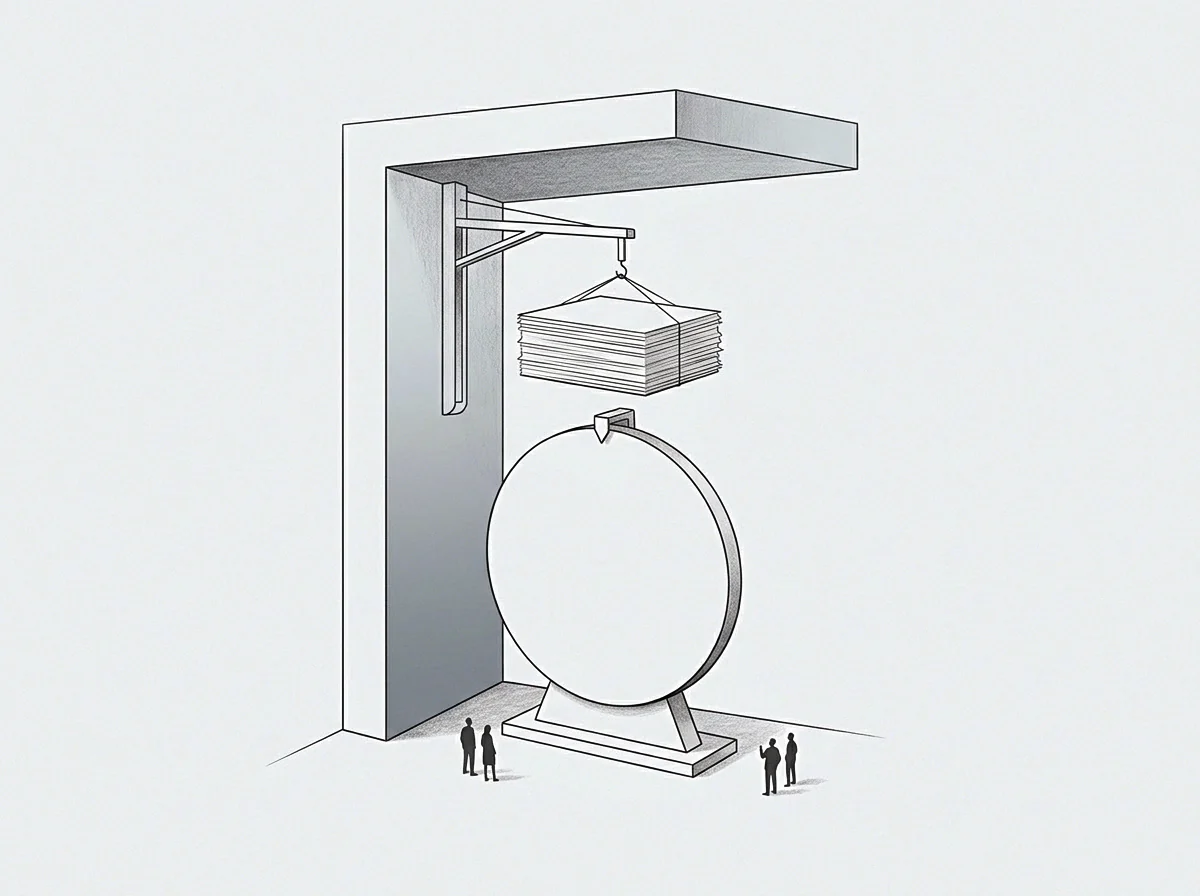
Repair
Re-Anchoring the Regulatory Template
Rebalancing physiological monitoring demands tangible adjustments to how partners interact under threat. An executive whose internal model equates safety with unilateral vigilance struggles to surrender surveillance duties. That person learned early that unmonitored perimeters collapse.
Shifting this posture requires consistent behavioral iterations where a counterpart successfully identifies, contains, and neutralizes an external shock without primary intervention.
No second buffer exists. Earned security inside an operational pact grows through visible reliability under pressure. When the second partner steps in front of a hostile board query or manages an unexpected technical outage, the primary operator’s nervous system registers empirical evidence of shared safety.
Over twelve to eighteen months of repeated exposure, this procedural reliability alters the primary actor’s internal working model. The prefrontal cortex gradually dampens background vigilance, reclaiming metabolic headroom previously consumed by defensive surveillance.
A reliable partner demonstrated across verifiable operational emergencies gradually lowers the autonomic surveillance threshold of the primary operator.
The transition demands structural discipline. Both executives establish fixed boundaries around crisis monitoring, scheduling formal briefing intervals rather than permitting ambient panic to permeate daily interactions. Silence becomes an invitation.
When both parties honor these boundaries, mutual regulation shifts from a theoretical hope to an embodied operational habit.
Whether two long-term executives can permanently rebalance autonomic monitoring once one nervous system has become conditioned to unilateral vigilance remains open to empirical study.