
Managing Social Baseline Theory And Co-Regulation Dynamics In Executive Leadership
Social baseline theory demonstrates that human brains delegate threat regulation to trusted peers, lowering metabolic costs while increasing load on leaders.

Presence
Four messaging windows remain active at eleven on a Tuesday night while capital runway contracts to six months. Operations personnel send urgent metrics regarding engineering churn, financial leads request guidance on debt venture terms, and board directors leave unscheduled call requests. The chief executive sits in an office where ambient room temperature remains unchanged, yet physiological monitors record elevated sympathetic autonomic activation.
Heart rate variability drops as neural circuits prepare the body for sustained effort. Subordinates reading executive messages detect no tremor in tone and no hesitation in strategic direction. The executive projects total operational composure while bearing acute metabolic depletion behind the screen.
Social baseline theory demonstrates that the human brain treats social proximity as the primary baseline for energy conservation. Neural architecture evolved under the assumption that conspecifics share metabolic expenditures related to environmental vigilance, thermoregulation, and threat defense. When a brain perceives reliable social support, baseline neural activity in the anterior cingulate cortex and hypothalamus decreases.
The organ conserves energy by distributing regulatory tasks across the group. In executive leadership, this baseline dynamic operates through asymmetrical patterns. Subordinates lean on executive stability to lower their own autonomic arousal, effectively consuming executive biological state as operational energy.
Physiology tracks social distance. When leaders maintain flat vocal pitch, consistent posture, and decisive direction during structural stress, team members experience neural co-regulation. Their brains register the leader as an environmental stabilizing factor.
Threat vigilance inside subordinate neural networks drops, clearing cognitive bandwidth for execution. This energy saving among team members relies on an unstated biological transaction. The leader operates as an external regulatory organ for the company, bearing the bioenergetic strain that subordinates discard.
A leader maintaining baseline stability under threat absorbs the metabolic expense that four subordinates save by remaining in proximity.
Vigilance consumes blood glucose. Self-regulation without reciprocal coregulation taxes executive reserves at rates exceeding individual baseline capacity. Executive leaders frequently lack access to co-regulatory inputs within the corporate structure.
Board members evaluate metrics, operational leads seek direction, and investors request forecasts, leaving the chief executive without a conspecific figure to share regulatory load. The executive brain enters a state of solitary baseline expenditure. Over months of capital allocation stress, this state converts acute stress responses into systemic biological exhaustion.
The presence of an unperturbed partner in the room makes the operational risk feel manageable.

Weight
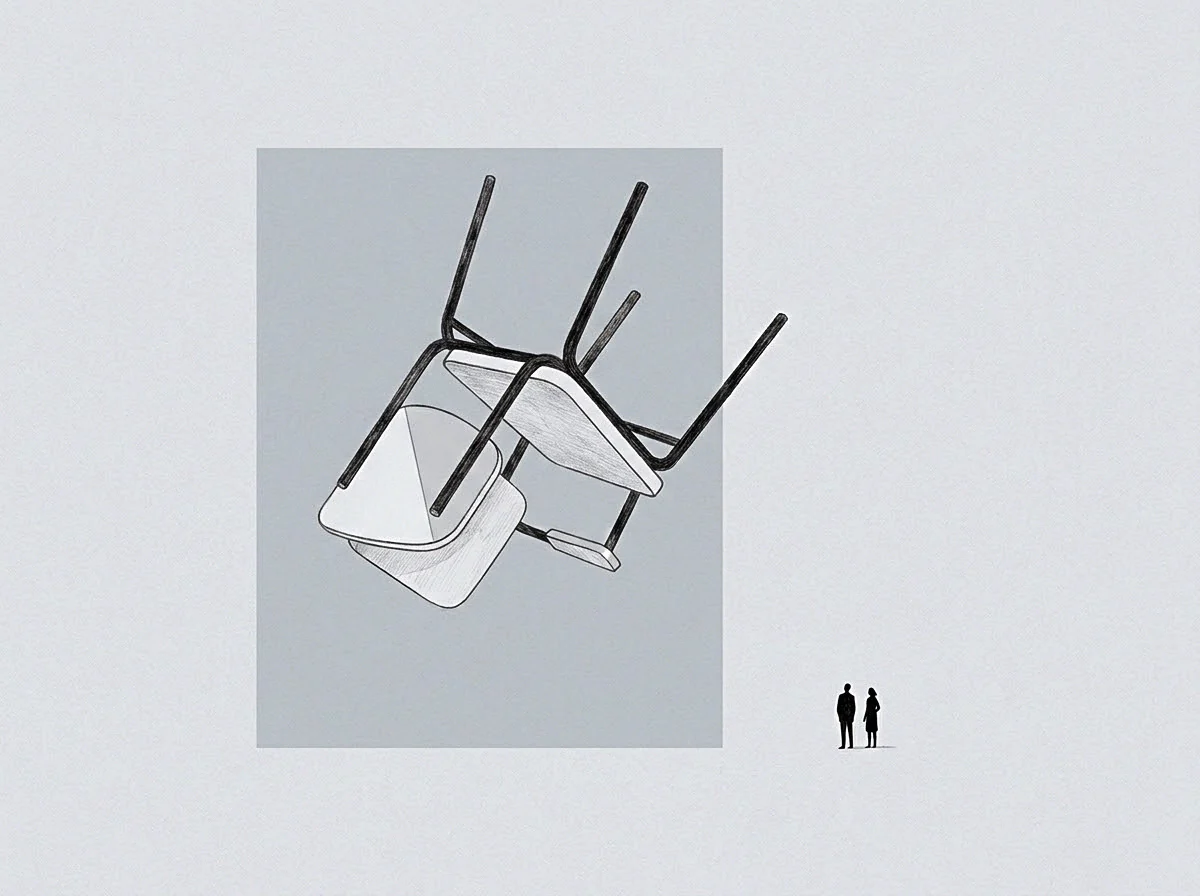
Bioenergetic accounting reveals how individual stress responses scale into organizational overhead. When an executive regulates personal autonomic arousal while absorbing team volatility, the brain treats the environment as elevated risk. Cortisol secretion remains constant, vascular resistance increases, and prefrontal cortex function suffers micro-impairments in working memory and complex choice evaluation.
The executive body bears the physical load of maintaining group baseline calm. Subordinates continue operating at normal metabolic efficiency because executive stability cushions them from structural realities.
Allostatic Accumulation Under Asymmetrical Load
Systemic physical strain builds through prolonged self-regulation in isolated environments. Allostatic load measures the wear and tear on neuroendocrine and cardiovascular systems caused by continuous adaptation to chronic stressors. Executive leaders bearing asymmetrical co-regulatory burdens exhibit elevated systemic inflammation markers and sleep architecture fragmentation.
When self-regulation becomes the sole mechanism for sustaining organizational baseline calm, the brain throttles down non-essential physiological functions, prioritizing immediate threat management over long-term cellular maintenance.
| Regulation Mode | Metabolic Pathway | Vascular and Cortisol Burden | Organizational Capacity Effect |
|---|---|---|---|
| Solitary Self-Regulation | High glucose utilization in prefrontal cortex without autonomic relief | Elevated continuous cortisol with sustained systemic vascular resistance | High individual strain resulting in delayed executive decision cadence |
| Asymmetrical Co-Regulation | Leader provides regulatory calm absorbed by subordinate neural networks | Asymmetrical burden where leader bears elevated endocrine load | Subordinate output stabilizes while executive energy reserves exhaust |
| Reciprocal Baseline Provision | Shared threat processing across mutually regulating executive peers | Normalized autonomic baseline with rapid cortisol recovery post-crisis | Sustained organizational bandwidth across prolonged market volatility |
| Data reflects physiological stress markers measured across executive teams under capital deployment pressure. | |||
Threat taxes metabolic reserves. The assumption that executive leaders possess infinite internal regulatory capacity contradicts basic neurobiology. When structural friction increases, companies often demand greater emotional baseline provision from the founder.
This requirement forces executive physiology into severe deficit, as neural resources divert from high-level strategic synthesis toward basic emotional baseline stabilization.
The Burden of Proven Calm
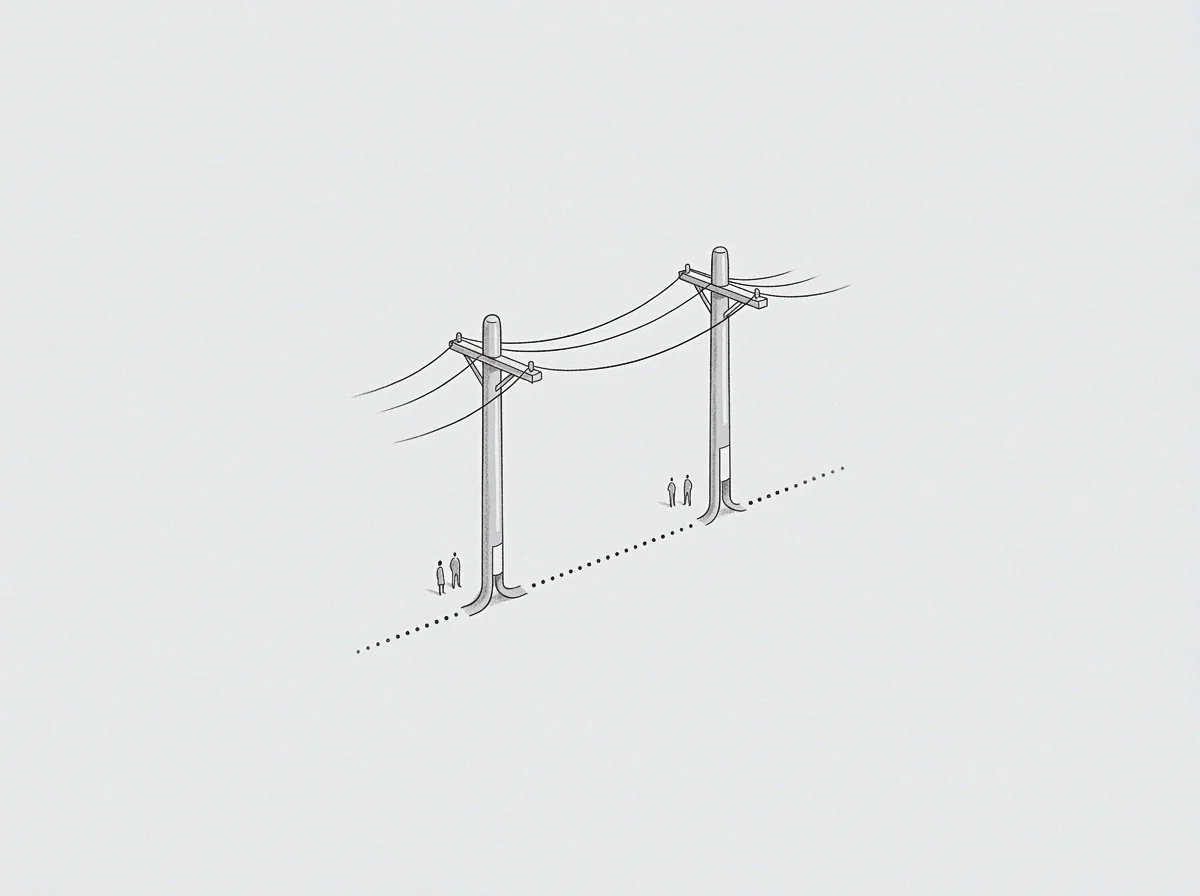
Demonstrated resilience during operational crises creates an implicit organizational trap. Subordinates and board members observe a leader absorbing market volatility without visible distress, concluding that the executive possesses unbounded capacity for ambiguity. Consequently, team members forward unresolved relational conflicts and operational anxieties directly to the chief executive.
The leader’s past stability acts as a magnet for external volatility. The organizational system delegates its co-regulatory requirements upward, converting executive capacity into a dumping ground for unprocessed structural stress.
Sustained baseline provision without personal co-regulatory replenishment forces the neuroendocrine system into systemic shutdown.

Bench
Physical proximity remains a primary input for biological state transmission within corporate offices. When leadership teams share physical workspace during severe capital strain, autonomic alignment occurs naturally through vocal pitch, facial micro-expressions, and postural alignment. Remote executive structures disrupt these subconscious co-regulatory mechanisms.
Digital interfaces filter out subtle biological indicators, forcing executive brains to work harder to project and receive stability across asynchronous video channels.

Which Operational Signals Trigger Neural Co-Regulation?
Autonomic networks scan digital environments for subtle indicators of safety and threat. High-frequency communication pings, terse written updates, and sudden calendar insertions register as ambiguous environmental threats, elevating baseline cortisol across subordinate teams. Conversely, vocal tone modulation during crisis briefings and structured cadence in executive communication trigger parasympathetic responses in listeners.
These non-verbal cues inform subordinate neural architecture that the immediate environment remains under control, lowering individual metabolic defense costs.
- The brain registers acute operational disruption through unexpected capital drawdown or key executive departure.
- Prefrontal cortex resources divert to immediate threat mitigation while suppressing visceral stress indicators.
- Subordinates detect vocal pitch stability and postural calm, lowering their own autonomic arousal.
- Neural energy budgets clear subordinate capacity for execution while the leader experiences elevated baseline cortisol.
Isolation elevates systemic strain. When executive leaders operate without structured peer coregulation, decision quality degrades predictably. Prefrontal circuits responsible for risk modeling and abstract synthesis rely on stable biological baselines.
Without shared regulatory inputs from peers who hold equivalent structural liability, the executive brain relies on high-cost compensatory strategies, accelerating cognitive fatigue.
Proximity lowers metabolic expenditure only when neural signals move in both directions.
A team leaning on an unyielding post eventually breaks the post.
Template
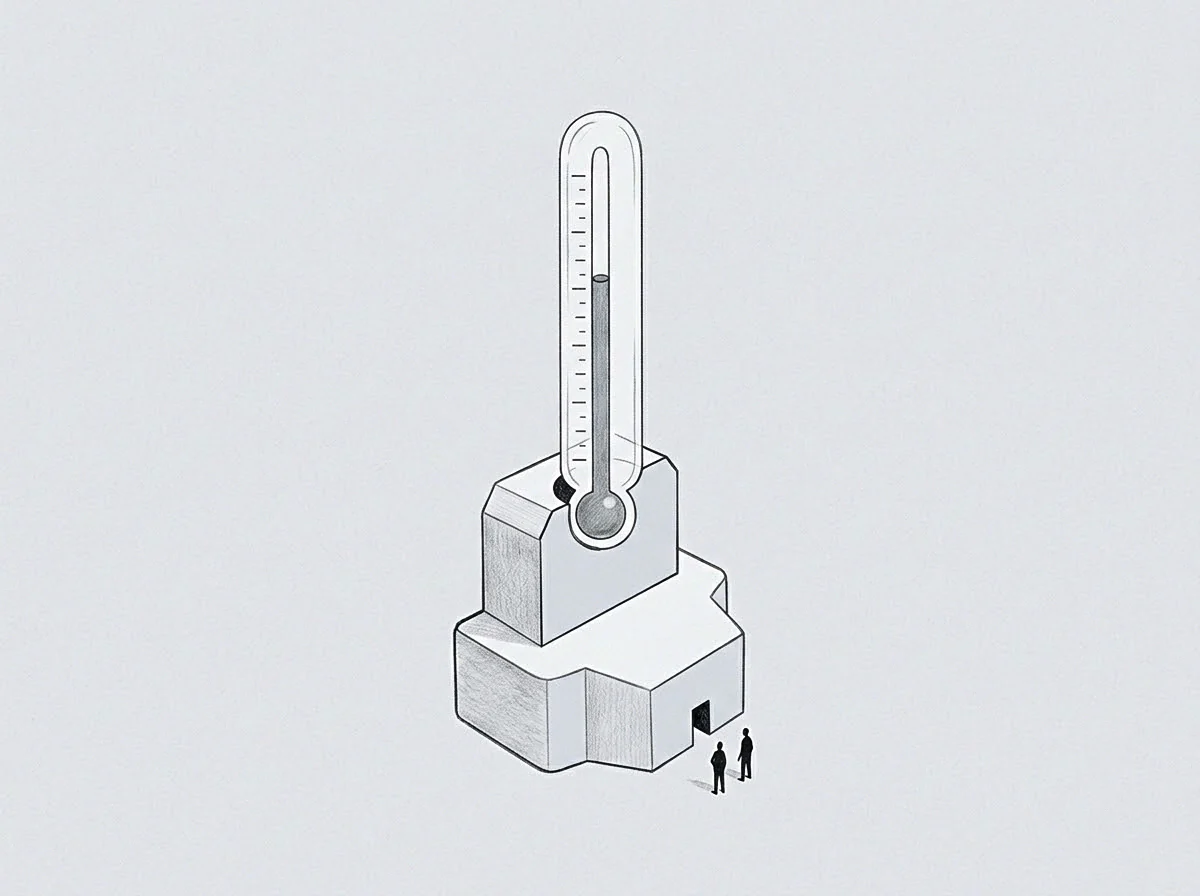
Early developmental experiences establish internal working models that govern how individuals handle regulatory stress in adulthood. Leaders who grew up in environments requiring them to manage parental emotional states internalize a backward relational structure. These individuals learn to connect safety with self-reliance and emotional management of others.
In executive roles, this internalized structure manifests as a complete rejection of incoming regulatory support, coupled with a compulsion to absorb all organizational volatility single-handedly.

Internal Working Models and Backward Roles
The neural architecture of a backward regulator treats personal needs as operational liabilities. When operational peers offer support or board members propose shared risk management, the executive’s historical template flags the incoming interaction as an anomaly or potential threat. The receptor slot for receiving regulation remains structurally closed.
The executive interprets incoming help as an indicator of personal incompetence or an operational vulnerability that could expose the organization to collapse.
Consider a worked situation involving two venture-backed software companies navigating an identical six-month bridge financing round under tightening capital markets.
In the first company, the executive operates under a backward working model. This leader hides the severity of the capital runway from the executive team, attempting to maintain an artificial impression of absolute stability. The chief executive conducts individual weekly one-on-one sessions, absorbing engineering anxiety and sales leads’ pipeline panic while working sixteen-hour days to solve technical blockers personally.
Within four months, the leader develops severe insomnia, cardiac arrhythmia, and cognitive exhaustion. Decision latency increases by three hundred percent, missing crucial term sheet deadlines, and the company enters forced fire-sale restructuring.
In the second company, the executive operates under an updated working template formed through earned security. This leader convenes the executive team, states the capital runway limits with flat clarity, and delegates specific operational survival targets to vice presidents. The executive schedules bi-weekly strategic peer sessions with an advisory board member who holds identical historical experience.
During these sessions, the leader speaks openly about capital constraints, using the advisor’s calm presence to co-regulate autonomic stress. The chief executive maintains working memory capacity, executes a defensive bridge loan within ninety days, and retains key talent through the downturn.
An internalized working model updates only when expected operational isolation meets sustained interpersonal stability.
The delta over time between these two outcomes stems directly from relational template architecture rather than strategic intelligence. The first executive burned operational capacity through solitary self-regulation; the second preserved biological bandwidth through shared baseline mechanics.

Earned Security Through Micro-Exposures
Updating an ingrained relational template requires concrete physiological experiences rather than cognitive self-reflection. Earned security develops when a person with an insecure early attachment history builds secure relational dynamics in adulthood through repeated, low-risk exposures to reliable coregulation. For an executive leader, this process requires deliberate structural interventions designed to open the closed receptor slot.
- The Backward Regulator Model establishes self-reliance as an absolute operational requirement during crisis.
- The Unoccupied Receptor Slot rejects incoming regulatory support from operational peers or external advisors.
- Earned Security Recalibration forms a secondary working template through structured, low-risk emotional exposure.
Executive leaders cannot update relational templates purely through analytical realization. The brain requires repeated proof that sharing regulatory load does not lead to operational catastrophe or interpersonal abandonment. Small, deliberate disclosures of operational limits to vetted peers provide the precise neural feedback necessary to construct secondary secure templates over time.
The insertion of an explicit co-regulatory protocol into weekly board reporting shifts the operational dynamic from individual load bearing to distributed baseline stability.
Cost
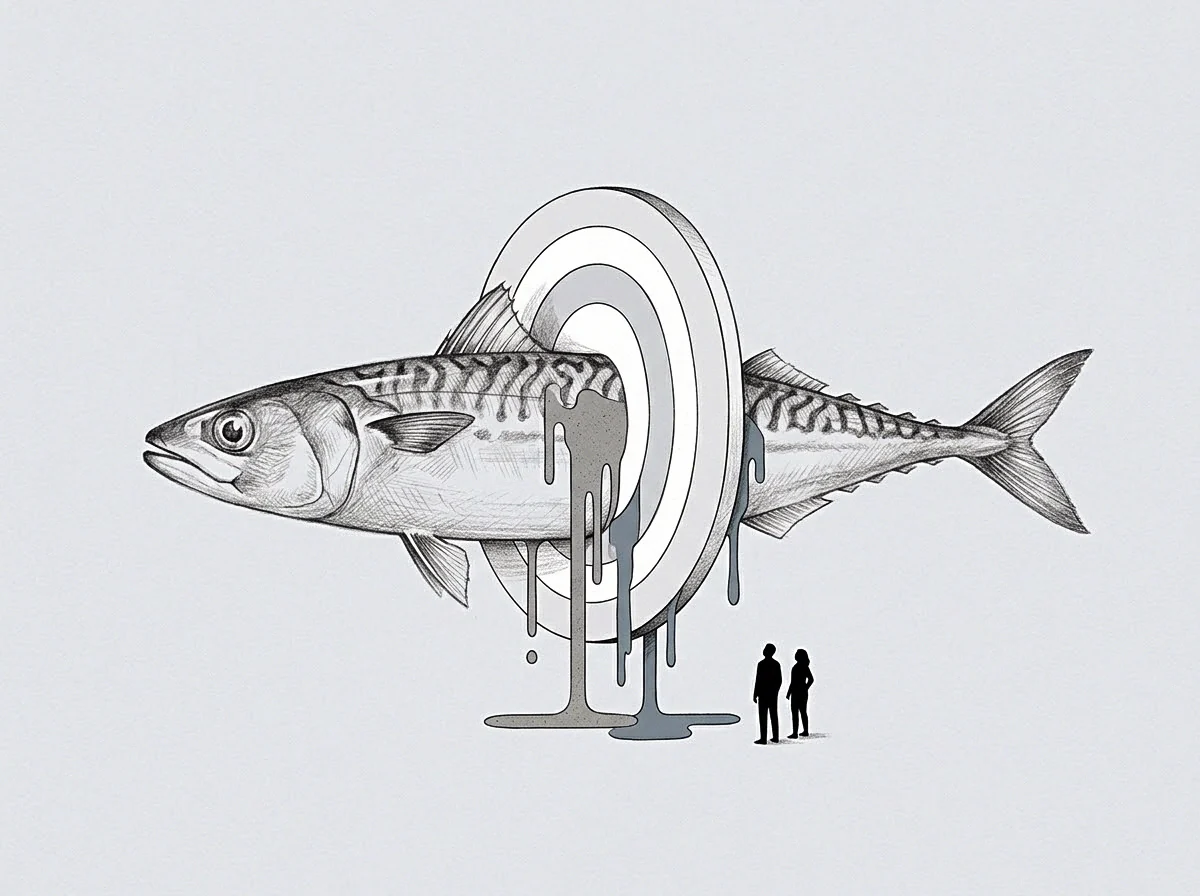
Systemic breakdown occurs when executive energy reserves reach total biological exhaustion. When an executive leader can no longer provide the metabolic baseline for an organization, the entire leadership team experiences sudden regulatory shock. Subordinates accustomed to leaning on executive calm encounter sudden operational ambiguity, causing team-wide autonomic dysregulation, elevated internal friction, and rapid attrition of key personnel.
Structural Interventions for Load Redistribution
Preventing executive baseline depletion requires explicit structural modifications to operational cadences. Executive leaders must replace implicit emotional baseline provision with explicit operational limits. Stating limits flatly regarding availability, communication windows, and decision parameters protects executive biological reserves without signaling strategic panic to the team.
Throttling availability is an active operational defense strategy. When leaders establish clear communication blackouts and delegate co-regulatory responsibilities to department heads, they force the organizational system to distribute its regulatory burden across multiple nodes. The company transitions from a single-point failure architecture into a resilient network of distributed co-regulating teams.
A stated operational limit creates the structural barrier necessary to prevent baseline exhaustion.
Organizations that treat executive physiology as an expendable, infinite resource inevitably destroy their primary value-creating assets. Implementing social baseline principles in corporate governance transforms leadership from an unsustainable exercise in solitary endurance into a biologically grounded model of sustainable enterprise architecture.
How many cycles of acute systemic stress can an executive baseline endure before structural recalibration becomes impossible?