Meaning
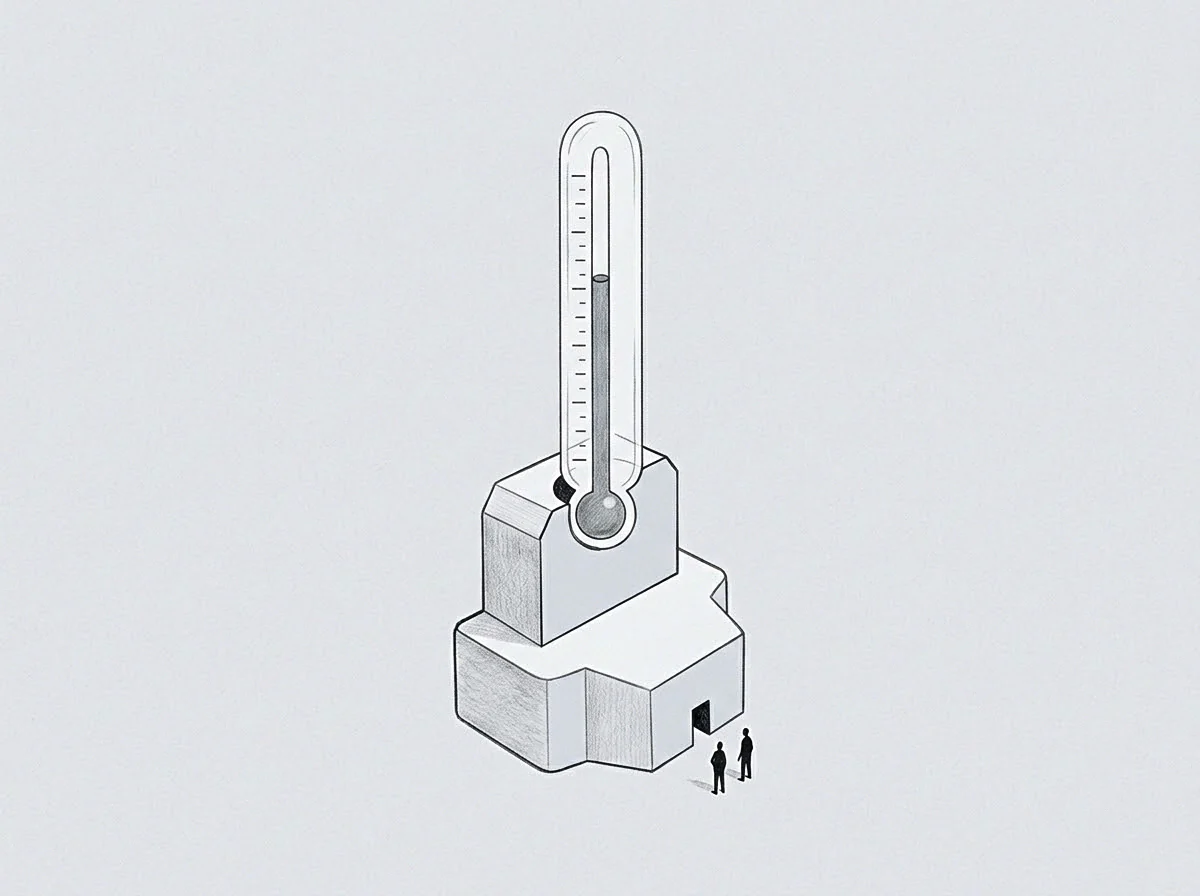
Cognitive evaluation determines whether a specific event represents a challenge or a harm to the equilibrium of a founder. This threat appraisal requires the brain to calculate the distance between current resource levels and the demands imposed by an emerging problem. It acts as a filter for physiological arousal by sorting environmental inputs into manageable tasks or overwhelming hazards.
Biological Cost
High levels of sustained vigilance drain glucose and oxygen from the prefrontal cortex during the work day. These cycles of anticipation reduce the hours of deep focus available for complex decision making because the nervous system prioritizes immediate reactivity over long term strategy. A body under constant alert experiences a drop in executive capacity that functions as a hidden tax on the quality of output.
Adjustment Mechanism
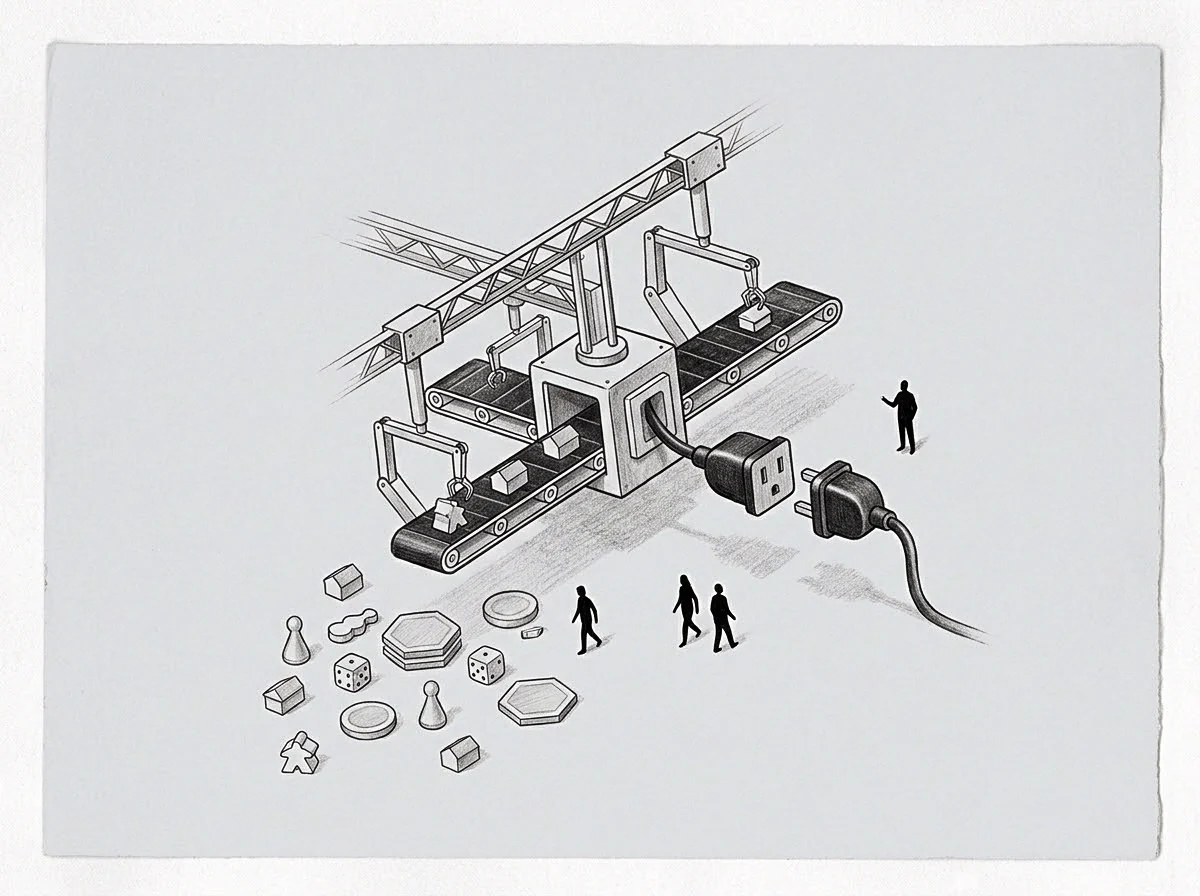
Calibration happens when the individual redefines a perceived danger as a predictable variable within the operational environment. Frequent exposure to similar stressors allows the internal sensors to normalize patterns that once triggered a heightened state of alarm. This shift in perspective lowers the somatic load because the mind stops allocating excessive energy to events that no longer signal a genuine disruption to the continuity of the organization.
Decision Boundary
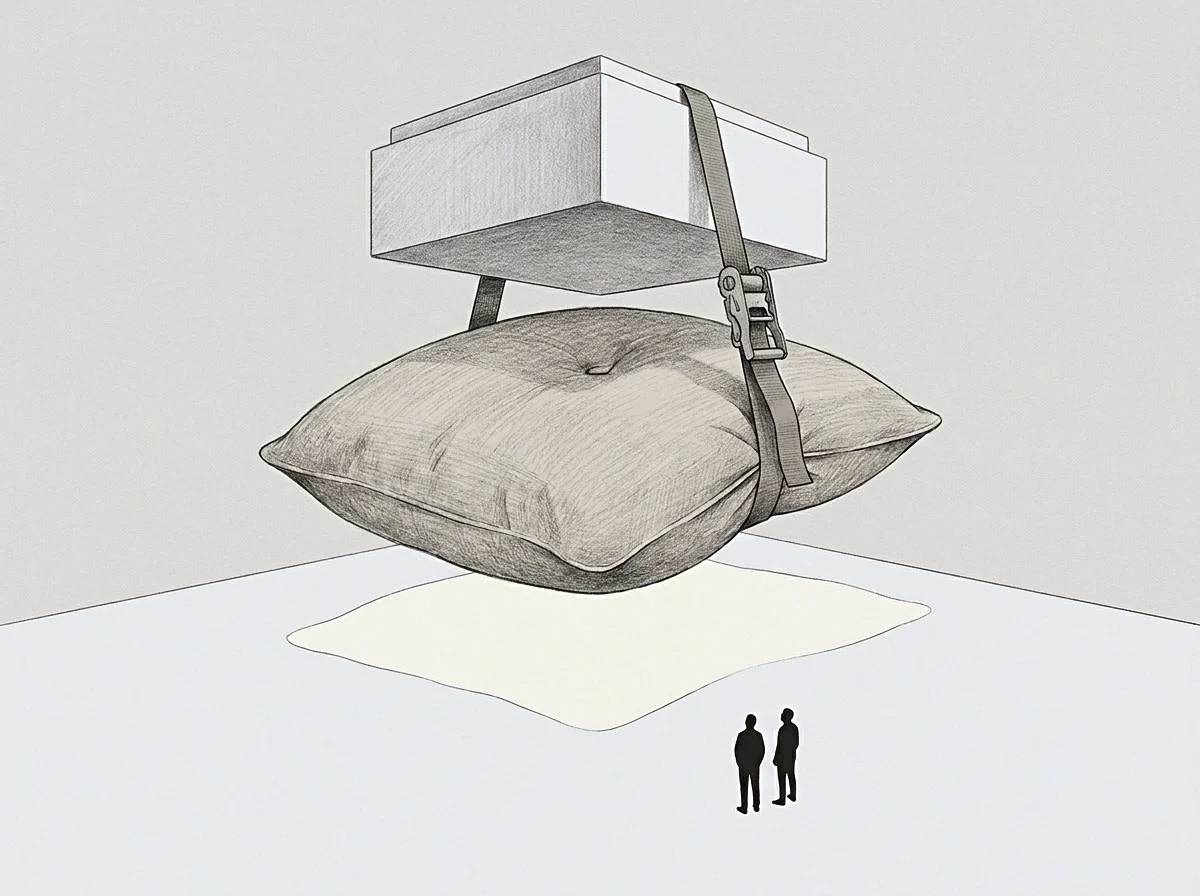
Thresholds for this process vary depending on the amount of sleep obtained and the stability of the surrounding support structures. A stable supply of resources provides a buffer that prevents minor complications from escalating into full scale crises inside the neural map of the founder. Objective assessment remains impossible when the underlying capacity for regulation sits near exhaustion.